How to Get an Accurate CNC Machining Quote in 2024: 7 Things Suppliers Need From You
Getting an accurate CNC machining quote is not about asking for a price—it is about providing a complete, unambiguous manufacturing specification. In 2024, suppliers like BQUQ (20 years in CNC machining, metal stamping, springs, and heat sinks) can return a precise quote within 12 hours, but only if you submit the right data. Miss one critical parameter—such as surface finish or raw material grade—and your quote can swing by 30-50%, or worse, arrive with hidden revision costs. This guide breaks down the exact information a professional CNC shop needs, with real tolerances, prices, and engineering reasoning, so you get a quote that matches the final invoice.
## 1. The Non-Negotiable: A Full 3D CAD Model and a 2D PDF Drawing The foundation of any accurate quote is geometry. Suppliers need a 3D model (STEP or IGES format) to program toolpaths and estimate cycle time, and a 2D PDF drawing to annotate critical dimensions and tolerances. Do not send only a screenshot or a physical sample—that forces the shop to reverse-engineer, adding 2-4 days and a 15% surcharge for engineering time.
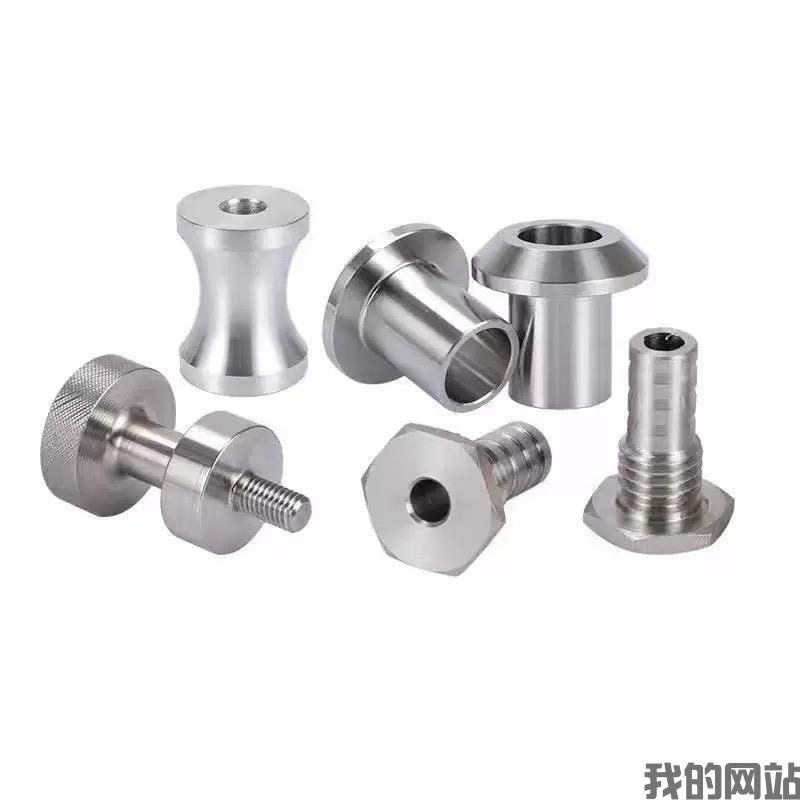
What to include on the drawing: - All critical dimensions with tolerances (e.g., ±0.05 mm for general, ±0.01 mm for precision holes) - Thread specifications (M6 x 1.0, depth, class of fit) - Surface finish callouts (Ra 0.8 µm vs. Ra 3.2 µm changes cost) - Edge break requirements (0.2 mm x 45° or radius) - Material grade and hardness (e.g., 6061-T6 aluminum, 304 stainless steel)
A missing tolerance on a bore can mean the difference between a standard drill pass and a reaming operation—that alone adds $8-12 per hole in setup and tooling.
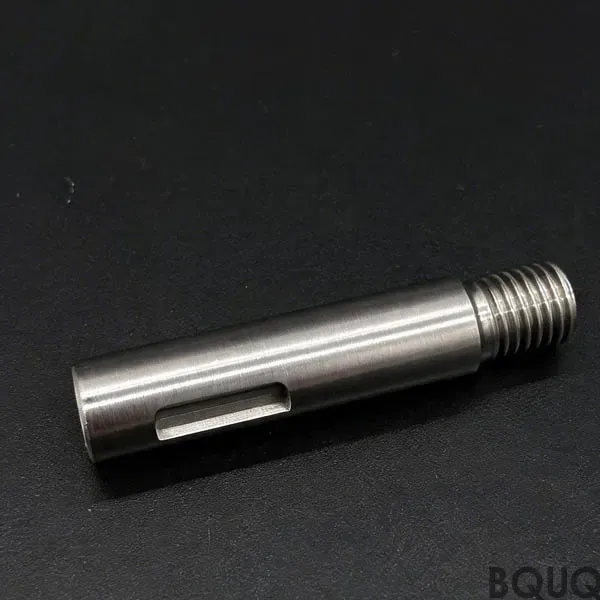
## 2. Material Specification: Grade, Temper, and Certification Do not write "aluminum" or "steel." Suppliers need the exact alloy and temper. For example, 6061-T6 aluminum machines at 120-150 SFM (surface feet per minute) with standard carbide tooling, while 7075-T6 requires slower speeds and costs 25-30% more per kilogram. For steel, 1018 CRS (cold rolled steel) is cheap and easy, but 4140 pre-hardened (28-32 HRC) demands different tooling and a 20% longer cycle time.
Here is a real pricing comparison for a 50 mm x 50 mm x 25 mm block, 10 mm thick, with 4 holes (M5) and a 10 mm pocket:
| Material | Material Cost (USD/kg) | Machining Cost (USD/part) | Total per Part (100 qty) | ---------- | ------------------------ | --------------------------- | -------------------------- | 6061-T6 Aluminum | $4.50 | $6.20 | $10.70 | 7075-T6 Aluminum | $7.80 | $8.50 | $16.30 | 304 Stainless Steel | $6.90 | $12.40 | $19.30 | 12L14 Free-Cutting Steel | $3.20 | $5.80 | $9.00 |
|---|
If you do not specify temper, the supplier assumes the cheapest option, which may not meet your strength or corrosion requirements. Always include material certification (EN 10204 3.1) if the part is for aerospace, medical, or automotive safety.
## 3. Quantity and Order Volume: The Biggest Cost Driver Unit price drops significantly with volume because setup costs (fixturing, programming, first-article inspection) are amortized. A typical CNC milling setup costs $60-120 per hour, and a simple part takes 30-60 minutes to program and fixture. For a quote, specify: - Prototype quantity (1-10 pcs) - Low volume (10-100 pcs) - Production volume (100-1,000+ pcs)
Real numbers from BQUQ shop floor: - 1 pc of a simple bracket (6061-T6, 100 mm x 50 mm): $45-65 each, including setup - 100 pcs of the same bracket: $8.50-12.00 each - 1,000 pcs: $5.20-7.80 each
If you are unsure of volume, give a range. But know that quoting for 100 pcs and then ordering only 10 will trigger a re-quote with a 40% higher unit price.
## 4. Tolerances and Surface Finish: Precision Has a Price Tighter tolerances and finer finishes increase cycle time and scrap rate. A standard machining tolerance is ±0.125 mm; precision is ±0.025 mm; high-precision is ±0.005 mm. Each step up roughly doubles the inspection time and requires more expensive tooling.
Surface finish also matters: - Ra 3.2 µm (standard mill finish): no extra cost - Ra 1.6 µm (fine machining): +5-8% cost - Ra 0.8 µm (grinding or polishing): +15-20% cost - Ra 0.4 µm (mirror finish): +30-40% cost, extended lead time
If you do not specify, the supplier will use the loosest tolerance and finish, which can cause field failures. For heat sinks, for example, a 0.8 µm base finish improves thermal contact by 12% compared to 3.2 µm—worth the 15% cost increase.
## 5. Secondary Operations: Threads, Anodizing, Heat Treatment CNC machining is only part of the story. Most parts require secondary processes that affect cost and lead time. Be explicit about: - Threading: tapped holes (adds 1-2 minutes per hole) vs. thread milling (faster but requires specific tooling) - Anodizing: Type II (5-10 µm, $0.80-1.50 per part) vs. Type III hard coat (25-50 µm, $2.50-4.00 per part) - Heat treatment: stress relieving (adds 2-3 days), hardening to 40-45 HRC (adds 4-5 days) - Surface plating: nickel (5-10 µm) or zinc (8-12 µm)
A common mistake is specifying "black oxide" without a coating thickness. Suppliers will quote a standard 1-2 µm, but if you need 5 µm for corrosion resistance, that is a different process and a 20% price increase.
## 6. Lead Time and Inspection Requirements Urgency changes pricing. Standard lead time is 2-3 weeks for machining, 3-4 weeks with finishing. Expedited service (5-7 days) carries a 25-35% surcharge because it disrupts production scheduling. Overnight prototyping can cost double.
Inspection requirements also matter. If you need a full dimensional report (FAR) with CMM measurements, that adds $50-150 per part depending on complexity. A simple material certificate is free, but a PPAP (Production Part Approval Process) for automotive adds $500-1,000 in documentation time. State your inspection class clearly: - Class A: visual + basic dimensions (free) - Class B: full dimensional report per drawing (adds 10-15%) - Class C: PPAP or first-article inspection with traceability (adds 20-30%)
## FAQ-Style Tips for Faster, More Accurate Quotes Q: Can I send a PDF of the 3D model instead of a STEP file? A: No. A PDF is a 2D representation. A STEP file is required for CAM programming. Without it, expect a 24-hour delay and a 10% accuracy risk.
Q: What if I only have a physical sample? A: We can reverse-engineer it, but add 2-3 days and a $50-100 engineering fee. You also lose control over tolerances—we measure what exists, not what you intended.
Q: How do I specify a critical tolerance on a drawing? A: Use GD&T. For example, position of a hole within 0.05 mm of datum A. If you only write "tight tolerance," the supplier does not know which feature is critical.
Q: Should I give a target price? A: Only if you have a firm budget. Otherwise, let the supplier quote from your spec. Giving a low target price can result in a quote with looser tolerances or cheaper material that fails your application.
## Conclusion: The 12-Hour Path to an Accurate Quote An accurate CNC machining quote is the product of a complete specification: a STEP file, a 2D drawing with tolerances, material grade, quantity, secondary operations, and lead time. When you provide all seven elements, the quote becomes a binding estimate with minimal variance. At BQUQ, we process complete RFQs within 12 hours, and over 95% of our quoted jobs ship at the quoted price with no hidden fees.
If you are ready to get a precise, no-surprise quote, send your 3D model and drawing to sc@bquq.com or WhatsApp +86 13713157787. Our engineering team will review your part and return a detailed breakdown within 12 hours—visit www.bquq.com to see our machining capabilities and 20-year track record in CNC machining, metal stamping, springs, and heat sinks.
Related Articles
- CNC Precision Turned Parts for Medical Devices: Guide
- CNC Machining for Marine Metal Components | Expert Guide
- 5 Benefits of CNC Precision Turned Parts for Aerospace
Frequently Asked Questions
What files do I need to submit to get an accurate CNC machining quote?
You need a full 3D CAD model in STEP or IGES format and a 2D PDF drawing. The 3D model is used to program toolpaths and estimate cycle time, while the 2D PDF allows annotation of critical dimensions and tolerances. Avoid sending only screenshots or physical samples, as this forces reverse-engineering, adding 2-4 days and a 15% surcharge.
Why is specifying the exact material grade and temper important for my quote?
Specifying the exact alloy and temper is crucial because different materials machine differently and have different costs. For example, 6061-T6 aluminum machines at 120-150 SFM, while 7075-T6 costs 25-30% more per kilogram. If you don't specify temper, the supplier assumes the cheapest option, which may not meet your strength or corrosion requirements.
How much can the price vary if I miss a critical parameter like surface finish or tolerance?
Missing a critical parameter such as surface finish or raw material grade can cause your quote to swing by 30-50%. For instance, a missing tolerance on a bore could mean the difference between a standard drill pass and a reaming operation, adding $8-12 per hole in setup and tooling costs.
What is the typical turnaround time for a quote from a professional CNC shop like BQUQ?
A professional CNC shop like BQUQ, with 20 years of experience, can return a precise quote within 12 hours, but only if you submit the right data. Providing a complete specification with all critical dimensions, tolerances, material grades, and surface finishes ensures the quote matches the final invoice without hidden revision costs.