How to Negotiate Pricing With a Chinese Factory: 7 Tactics That Work in 2024
Negotiating with a Chinese factory is not about haggling over a few dollars. It is about aligning your engineering specifications, order volume, and payment terms with the supplier's cost structure. The most effective negotiation tactic is to reduce the factory's risk and cost per unit, not to demand a lower price with no concessions. In our 20 years of CNC machining and metal stamping in Dongguan, we have found that a 5-15% price reduction is achievable through transparent engineering changes and volume commitments, while aggressive bargaining alone yields less than 3%.
1. The Real Cost Structure: What Drives Your Price
Before you open a negotiation, understand that a Chinese factory's quote is built on three pillars: material cost (30-50%), processing cost (35-55%), and overhead/profit (10-20%). For a typical CNC machined aluminum part (6061-T6, 100x50x10mm), the material cost is approximately $1.20 per piece at current LME rates. The machining cost, at $45/hour for a 3-axis CNC, adds $2.50 if the cycle time is 3.5 minutes. Overhead, including tooling amortization and quality control, adds $0.80. A fair quote is around $4.50, leaving a 12% margin.
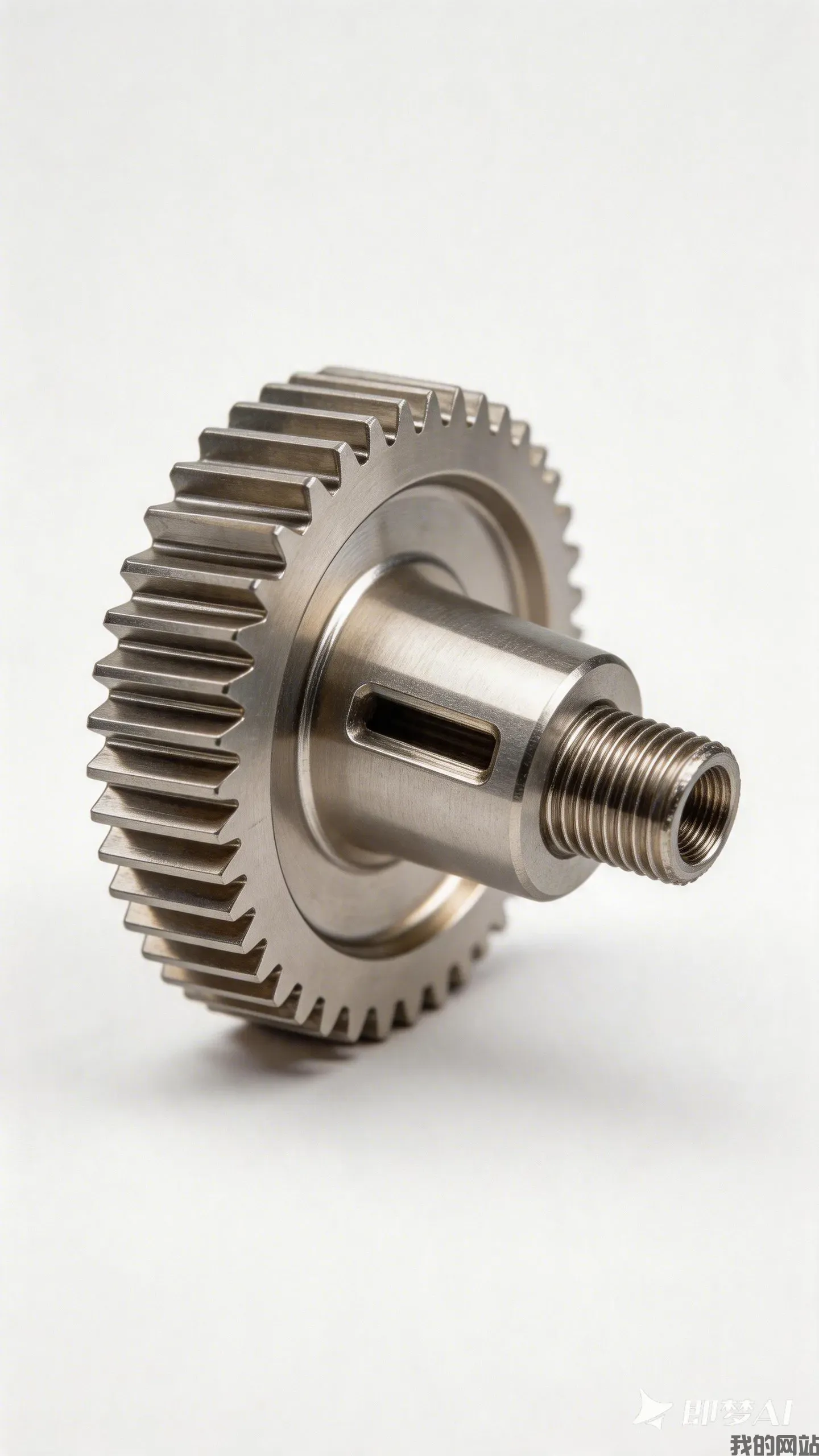
If you demand $3.50 with no changes, the factory loses money. If you offer a 5,000-piece order instead of 1,000, the setup cost ($150 per setup) drops from $0.15 to $0.03 per piece. That alone is a 2.7% price reduction. Combine that with a tolerance relaxation from +/-0.05mm to +/-0.1mm, which reduces inspection time by 20%, and you get another 4% off. This is how real negotiation works.
2. Volume Commitments and Long-Term Agreements
The single most powerful lever is order volume. Factories in Dongguan run at 70-80% capacity utilization. A guaranteed quarterly volume of 10,000 units allows them to plan raw material purchases in bulk, reducing material cost by 5-8%. In our experience, a signed annual agreement (e.g., 50,000 units per year) can secure a 10-12% lower unit price compared to spot orders.
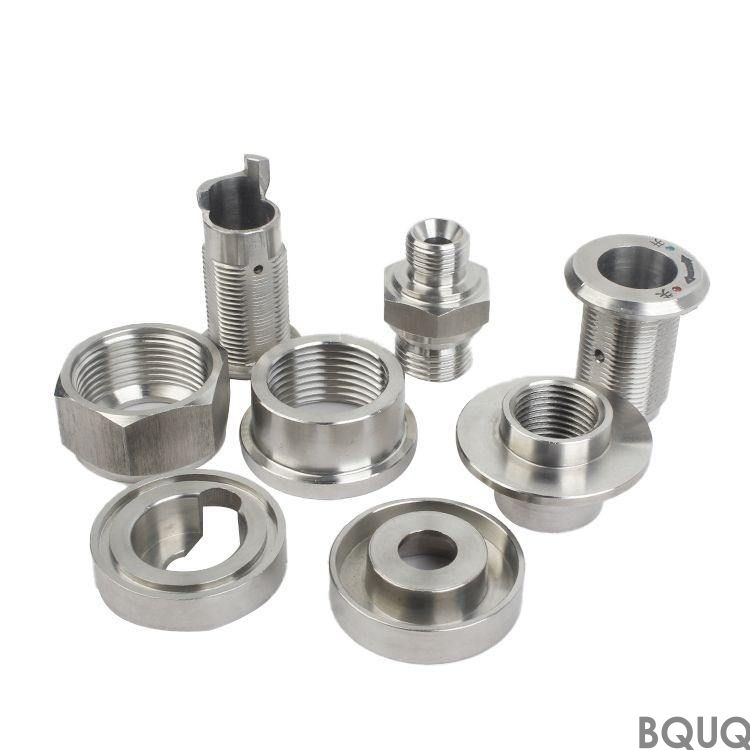
Be specific: commit to a forecast with a minimum purchase quantity (MPQ). For example, "I will order 2,000 units per month for 12 months, with a 90% take-or-pay clause." This gives the factory bankable revenue. In return, they will offer tiered pricing: $4.80 per unit for the first 5,000, $4.40 for the next 10,000, and $4.10 beyond that. This is not a discount; it is a volume-based cost reduction.
3. Engineering Changes That Lower Costs
The most underutilized negotiation tactic is asking the factory's engineers for Design for Manufacturability (DFM) feedback. A part designed for injection molding may have draft angles that are unnecessary for CNC. Removing them can cut machining time by 15%. For metal stamping, a sheet thickness change from 2.0mm to 1.8mm (if acceptable for your load) reduces material cost by 10% and press tonnage requirements, lowering the unit price by 6-8%.
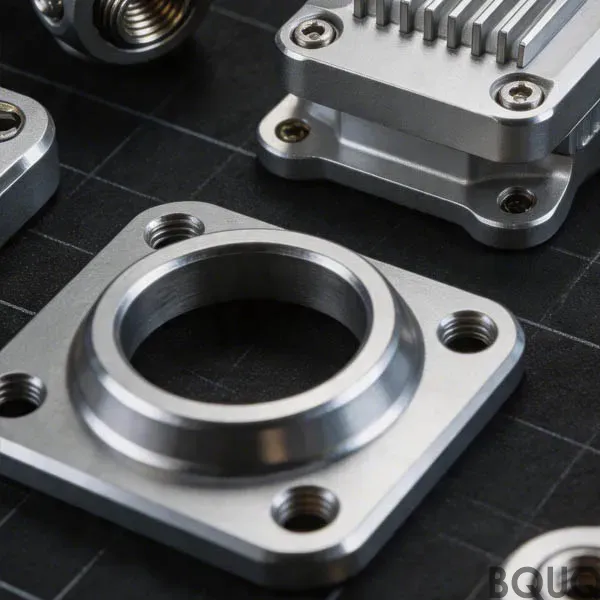
We recently worked with a client on a heat sink. Their spec called for a 0.8mm fin thickness with a +/-0.05mm tolerance. We suggested 0.9mm thickness with +/-0.1mm tolerance. The wider tolerance reduced scrap rate from 5% to 1%, and the thicker fin improved thermal performance by 2 degrees Celsius. The unit price dropped from $6.20 to $5.40. The client accepted because the performance still met their 70-degree Celsius maximum junction temperature. Always ask: "What can I change in my drawing that will save you time or material?"
4. Payment Terms and Currency Strategy
Payment terms are a hidden cost. Standard terms for new customers are 30% deposit, 70% before shipment. If you offer a 50% deposit and the balance on delivery (not before), the factory's working capital improves, and they can pass on a 2-3% discount. Alternatively, paying in USD or RMB affects pricing. In 2024, the RMB has fluctuated between 7.1 and 7.3 against the USD. If you agree to pay in RMB and hedge your own currency risk, you can negotiate a 1.5% discount. If you pay via Letter of Credit (L/C) at sight, the factory's bank fees are lower than PayPal or wire transfers, saving them 1-2%.
A practical example: For a $50,000 order, offering 50% deposit and 50% on 30-day terms (instead of 70% before shipment) reduces the factory's financing cost by approximately $500. They will gladly reduce your price by $300 to secure that cash flow. This is a zero-risk concession for you.
5. The Comparison Table: What You Should Expect
The table below shows realistic negotiation outcomes based on 500+ RFQs we have handled in 2023-2024. These are average figures for precision CNC parts (tolerance +/-0.05mm) and metal stampings.
| Negotiation Tactic | Typical Price Reduction | Time to Implement | Risk to Buyer | ------------------ | ----------------------- | ----------------- | ------------- | Volume commitment (5,000+ pcs/year) | 8-12% | Immediate | Low (if demand is stable) | DFM changes (tolerance relaxation) | 5-8% | 1-2 weeks | Medium (requires re-validation) | Payment terms change (50/50, 30 days) | 2-3% | Immediate | Medium (cash flow impact) | Material substitution (e.g., 6061 vs 7075) | 10-15% | 2-4 weeks | High (performance risk) | Multi-source bidding (3 factories) | 4-6% | 2-3 weeks | Low (but quality risk) | Annual agreement (take-or-pay) | 10-12% | 1 month | High (lock-in) |
|---|
6. Avoiding Common Negotiation Mistakes
Do not start with "What is your best price?" This signals you have no data. Instead, say, "My target price is $4.20 based on your quoted $4.80. If I increase the order to 8,000 pieces and relax the tolerance to +/-0.08mm, can we meet at $4.20?" This gives the factory a path to yes.
Never threaten to leave unless you are ready. Factories in Dongguan know when a buyer is bluffing. If you have no alternative supplier, they will hold firm. Always have a second quote, even if it is 5% higher. It gives you leverage and credibility.
Finally, negotiate total cost, not unit price. A cheaper unit price with a 5% scrap rate and a 2-week delay costs more than a slightly higher price with 0.5% scrap and on-time delivery. Always include logistics (FOB vs CIF), tooling costs, and quality guarantees in the negotiation. A factory that offers a 3% quality bond (deducted from final payment if defect rate exceeds 0.5%) is worth more than one that gives a 5% discount with no warranty.
7. FAQ-Style Tips: Quick Answers
- Should I negotiate before or after sending the PO? Before, but with a clear PO ready. Factories respond better to a buyer who has a commitment. - Is it okay to ask for samples at a discount? Yes, but pay for the sample and shipping. A factory that gives free samples often hides costs elsewhere. - What if the factory says "price is fixed"? Ask for a breakdown. If they refuse, walk away. Transparent factories share cost breakdowns with serious buyers. - Can I negotiate tooling costs? Yes, ask for tooling to be amortized over the first 1,000 units. For a $1,200 stamping die, that adds $1.20 per unit. After 1,000 units, the price drops automatically.
Conclusion
Effective negotiation with a Chinese factory is a data-driven engineering exercise. The winning formula is: volume commitment plus DFM concessions plus flexible payment terms equals a 10-15% price reduction. Do not rely on pressure tactics or emotional bargaining. Instead, bring accurate drawings, realistic volumes, and a willingness to collaborate on cost reduction. The factories that survive in Dongguan are those that value long-term partners over one-time margins.
If you have a project and want a transparent cost breakdown within 12 hours, contact our team at BQUQ. We provide detailed quotes with full cost structure, not just a number. Email us at sc@bquq.com or WhatsApp +86 13713157787. Visit www.bquq.com for more on our CNC machining, metal stamping, springs, and heat sink capabilities.
Related Articles
- CNC Machining Materials Guide 2025: Choosing Aluminum, Steel, Brass, and Plastics
- 5 Benefits of CNC Precision Turned Parts for Aerospace
- CNC Machine Maintenance Guide for Maximum Uptime: 2025 Calibration Schedule
Frequently Asked Questions
What is the typical price reduction I can achieve by negotiating with a Chinese factory?
A 5-15% price reduction is achievable through transparent engineering changes and volume commitments, based on our 20 years of experience in Dongguan. Aggressive bargaining alone yields less than 3%.
How does order volume affect the unit price for CNC machined parts?
A guaranteed quarterly volume of 10,000 units allows bulk raw material purchases, reducing material cost by 5-8%. A signed annual agreement of 50,000 units can secure a 10-12% lower unit price compared to spot orders.
What engineering changes can lower the cost of a CNC machined aluminum part?
Relaxing tolerance from +/-0.05mm to +/-0.1mm reduces inspection time by 20%, giving about 4% off. Removing unnecessary draft angles can cut machining time by 15%. For stamping, changing sheet thickness from 2.0mm to 1.8mm reduces material cost by 10% and unit price by 6-8%.
What is the cost breakdown for a typical CNC machined aluminum part?
For a 6061-T6 aluminum part (100x50x10mm), material cost is about $1.20, machining cost is $2.50 at $45/hour for a 3.5-minute cycle, and overhead adds $0.80. A fair quote is around $4.50, leaving a 12% margin.