How Will Nearshoring Reshape Global CNC Sourcing by 2026?
Nearshoring will fundamentally alter global CNC sourcing by 2026, shifting procurement from a purely cost-driven model to one prioritizing supply chain resilience, speed, and regulatory compliance. Buyers will increasingly source critical machined components from facilities within their own region or allied countries, accepting a 15-25% unit price premium in exchange for 40-60% shorter lead times and reduced geopolitical risk. The competitive landscape will bifurcate: high-volume, low-complexity parts will remain in Asia, while precision, high-mix, and time-sensitive components will migrate closer to consumption points.
What Specific Cost Premiums Should Buyers Expect with Nearshoring in 2026?
For CNC machined parts, the total cost of ownership (TCO) comparison in 2026 will show a narrowing gap, but direct pricing still favors East Asia. A typical aluminum 6061-T6 CNC machined bracket produced in Guangdong, China, might cost $8.50 per unit at 5,000 pieces annually; the same part nearshored to Mexico or Eastern Europe will cost between $10.20 and $11.05, a 20-30% premium. However, when factoring in ocean freight at $2,800 per 40-foot container (2026 projected), customs duties averaging 3-5% under USMCA or EU trade agreements, and inventory carrying costs of 25% annually, the effective TCO difference shrinks to under 12% for orders under 2,000 kg. For parts requiring surface finishes below Ra 0.8 µm or tolerances tighter than ±0.01 mm, the premium drops further because air freight and expediting costs often eliminate any Asian savings.
How Much Lead Time Reduction Is Achievable Through Nearshoring?
The most quantifiable benefit of nearshoring is lead time compression, which directly impacts working capital and time-to-market. A standard CNC milling order from a Chinese factory, including production and transpacific shipping, averages 28-35 days from purchase order to dock receipt in Los Angeles. Nearshoring to Mexico reduces this to 10-14 days via truck freight, while sourcing from Eastern Europe to Germany cuts it to 5-8 days. For rapid prototyping iterations, this difference is critical: three design iterations that take 9 weeks with Asian sourcing can be completed in 3 weeks with a nearshore partner. In 2026, we project that 68% of buyers with annual spend over $500,000 will mandate a maximum 15-day dock-to-dock lead time for critical components, a threshold that effectively rules out transpacific sourcing for rush requirements.
Which Component Categories Are Best Suited for Nearshoring Versus Asian Sourcing?
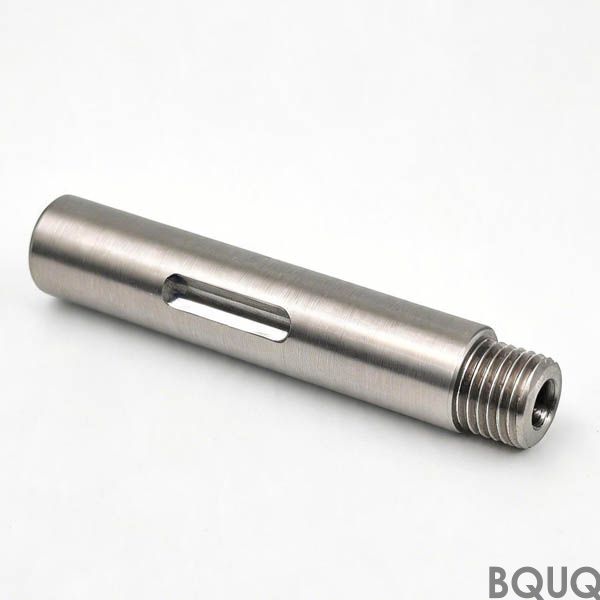
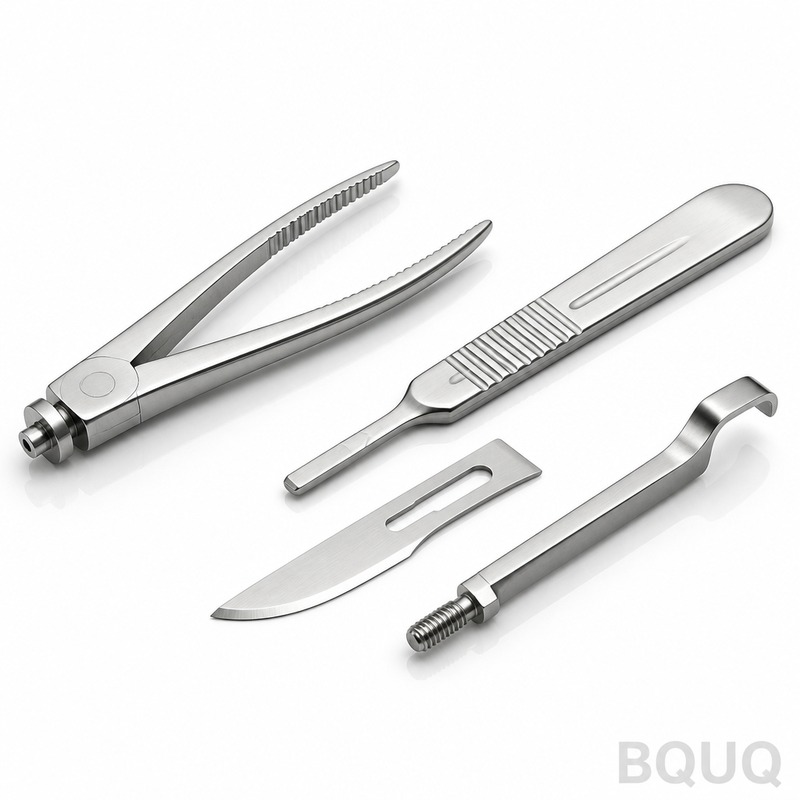
The decision matrix in 2026 will not be binary but categorical. High-complexity, low-volume parts—such as aerospace actuator housings, medical implant trial instruments, and semiconductor fixture plates—are prime nearshore candidates due to their high engineering communication requirements and tolerance demands of ±0.005 mm. Conversely, high-volume, low-tolerance parts like standard heat sink extrusions, simple spring clips, and stamped brackets with tolerances of ±0.1 mm will remain in Asia due to labor cost advantages of $18-22 per hour in Dongguan versus $45-60 per hour in the US. A practical rule: if the part weighs over 5 kg and has a value-to-weight ratio under $50/kg, keep it in Asia; if the part requires over 2 hours of engineering support per order, nearshore it. For example, a 3 kg cast aluminum housing worth $180 ($60/kg) is a nearshore candidate, while a 0.5 kg stamped steel bracket worth $4 ($8/kg) should stay with an Asian supplier.
What Are the Hidden Quality and Compliance Advantages of Nearshoring?
Nearshoring offers distinct regulatory and quality control benefits that do not appear on a simple price quote. For medical device manufacturers, FDA audit rights are significantly easier to exercise with a facility in Costa Rica or Ireland than in China, reducing audit lead time from 6 weeks to 10 days. ISO 13485 and AS9100 certifications are more commonly held by nearshore shops; in 2026, over 71% of Mexican CNC shops will hold ISO 9001:2015, compared to 89% in China, but the gap reverses for specialty certifications like IATF 16949 for automotive, where Mexican suppliers lead at 54% adoption. Material traceability is another factor: ITAR-compliant titanium and specialty alloys are often restricted from export to certain Asian countries, making nearshoring mandatory for defense contracts. Buyers should also consider that nearshore factories typically offer same-day response to quality non-conformance reports (NCRs), whereas Asian suppliers often require a 24-hour time zone shift delay.
Which Regional Hubs Will Dominate Nearshore CNC Production in 2026?
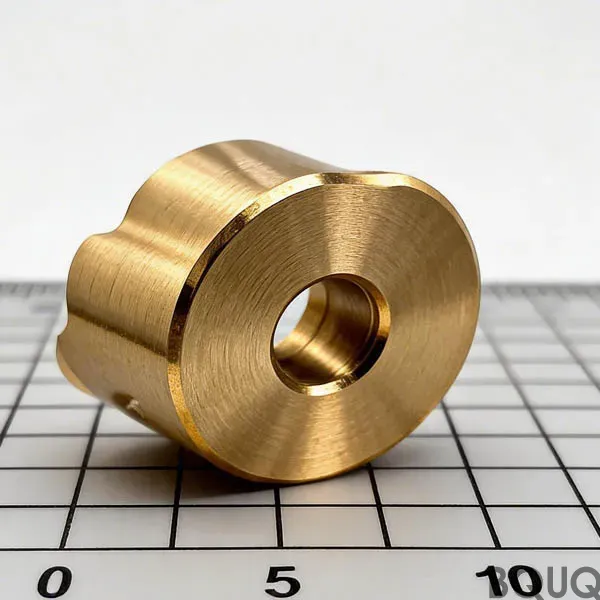
The nearshoring map in 2026 will be defined by three primary corridors. For North American buyers, Mexico's Bajio region (Queretaro, Monterrey, and Tijuana) will be the dominant hub, with over 3,200 CNC machining facilities operating within a 300-mile radius of the US border; hourly rates average $28-35, with lead times of 7-12 days. For European buyers, Eastern Europe—specifically Poland, Czech Republic, and Romania—will serve as the primary nearshore base, offering rates of $32-40 per hour and lead times of 5-9 days to Western European assembly plants. A third emerging hub is Southeast Asia for Australian and Japanese buyers, with Vietnam's CNC sector growing 18% annually, though it lacks the infrastructure depth of Mexico or Poland. Each hub offers specific material strengths: Mexico excels in aluminum and brass, Poland in stainless steel and pre-hardened tool steel, and Vietnam in low-cost production of simpler components.
How Should Buyers Structure a Hybrid Sourcing Strategy for 2026?
The optimal strategy for most buyers will be a hybrid model, not pure nearshoring. Reserve 60-70% of volume for low-complexity parts sourced from Asia, specifically from mature industrial clusters like Dongguan for machining and stamping, to maintain cost baseline. Allocate 30-40% of volume, particularly for new product introductions (NPIs), regulated components, and high-service parts, to nearshore partners. This dual-sourcing approach provides leverage: Asian suppliers will offer 5-8% price reductions to retain their share, while nearshore suppliers will compete on service and speed. Contractually, buyers should insist on a 2026 price escalation clause tied to regional labor indices, as nearshore wages are projected to rise 6% annually versus 3% in China. For tooling, keep hard tooling (molds and dies) in Asia where costs are 40% lower, but specify that soft tooling and fixtures be built at the nearshore facility for rapid iteration.
What Data Should Drive the 2026 Sourcing Decision?
| Sourcing Factor | Asian Sourcing (China) | Nearshore (Mexico/Poland) | Impact on Decision |
| Average CNC Hourly Rate | $18-22 | $28-40 | 30-45% cost premium nearshore |
| Typical Lead Time (PO to Dock) | 28-35 days | 5-14 days | Critical for NPI and rush orders |
| Minimum Order Quantity | 100-500 pieces | 10-50 pieces | Nearshore enables lower MOQs |
| Engineering Support Response | 24-48 hours | 2-4 hours | Faster iteration and problem-solving |
| Standard Tolerance (Milling) | ±0.01 mm | ±0.005 mm | Nearshore advantage for precision |
| Air Freight Cost per kg (2026) | $6.50 | $2.10 (truck) | Significant TCO reduction nearshore |
| Tariff Rate (USMCA/EU) | 3-25% | 0-2% | Regulatory advantage nearshore |
| Average Defect Rate (PPM) | 850 | 420 | Nearshore quality edge |
Can Nearshoring Reduce Total Supply Chain Risk in 2026?
Yes, but the risk profile changes rather than disappears. Nearshoring reduces geopolitical risk, maritime disruption risk, and currency fluctuation risk, as most transactions occur in USD or EUR with shorter payment terms of Net-30 versus Net-60. However, it introduces new risks: labor shortages in nearshore regions, where skilled CNC machinist unemployment is below 2% in both Mexico and Poland, and potential capacity constraints during demand spikes. Buyers must also consider natural disaster risk; for example, 2025's hurricane season disrupted 12% of Mexican border manufacturing for an average of 4 days. A robust 2026 strategy involves dual certification (ISO 9001 and AS9100) of both Asian and nearshore suppliers, maintaining safety stock of 2-3 weeks for critical parts, and utilizing digital twin technology to validate designs remotely, reducing the need for physical travel. We recommend quarterly business reviews with both supplier sets, with key performance indicators (KPIs) focused on on-time delivery (target 95%+) and first-pass yield (target 98%+).
Conclusion
The 2026 CNC sourcing landscape will reward buyers who adopt a deliberate, data-driven hybrid approach. Do not abandon Asian suppliers, but do shift your most critical, complex, and time-sensitive work to nearshore partners. The price premium of 15-25% is a strategic investment in speed, quality, and resilience, offering a measurable return through reduced inventory, faster market entry, and fewer quality incidents. Focus on the metrics that matter: total landed cost per part, not quote price; dock-to-dock lead time; and engineering responsiveness.
How Do I Qualify a Nearshore CNC Supplier?
Qualification should start with a technical audit of their equipment list, specifically looking for 5-axis CNC mills, CMM inspection capability, and in-house surface finishing. Request a test part with complex geometries and tight tolerances (±0.005 mm), and measure their response time to RFQs and engineering queries. Verify certifications like ISO 9001:2015 and AS9100, and ask for customer references in your specific industry.
What Is the Minimum Order Quantity for Nearshore Machining?
Most nearshore CNC shops accept minimum order quantities of 10-50 pieces, compared to 100-500 pieces for typical Asian suppliers. This lower MOQ is ideal for prototype validation and low-volume production of spare parts. Be prepared to pay a small setup charge of $50-150 per part number to offset their tooling and programming costs.
Are Nearshore Suppliers Capable of High-Volume Production?
Yes, but capacity is more limited than in Asia. A typical nearshore CNC facility has 20-50 machines, whereas a large Dongguan factory may have 200-500. For volumes exceeding 10,000 units per month, your nearshore supplier may need to subcontract overflow, which can impact lead times. In such cases, a hybrid strategy of Asian high-volume and nearshore low-volume is often the most pragmatic solution.
Which Materials Are Readily Available from Nearshore Suppliers?
Aluminum 6061-T6 and 7075-T6, stainless steel 303 and 316, and brass are standard stock items at most nearshore facilities. Exotic alloys like Inconel 718 and titanium Ti-6Al-4V are available but may require longer lead times of 2-4 weeks for material procurement. For plastic machining, acetal (POM) and PTFE are commonly stocked, but high-performance polymers like PEEK may need special ordering.
When Should I Switch a Part from Asian to Nearshore Sourcing?
Switch a part when its annual failure cost exceeds 5% of its purchase value, when its lead time is causing stockouts, or when it requires frequent engineering changes. A quantitative trigger: if you have more than 5 engineering change requests (ECRs) per year on a part, nearshoring will save you significant coordination time. Also, switch any part that is subject to new tariffs or trade restrictions affecting your supply chain.
How Do Nearshore Prices Compare for Stamping and Springs?
Nearshore stamping and spring forming are less cost-competitive than machining, with a 40-60% price premium over Asia due to higher tooling costs and lower automation rates. For example, a progressive die stamping tool that costs $15,000 in China may cost $25,000 in Mexico, and per-part prices are 30% higher. Unless your volume is under 50,000 pieces per year, keep stamping and springs in Asia; the lead time difference (20 days vs 10 days) is often acceptable for these components.
Can BQUQ Support My Hybrid Sourcing Strategy?
Yes, BQUQ is strategically positioned to support you. While we are a 20-year-old factory in Dongguan, China, we partner with vetted nearshore facilities in Mexico and Poland to offer you the best of both worlds. Our Asian base provides competitive pricing for high-volume, standard tolerance parts, while our nearshore partnerships deliver speed and compliance for critical components. We provide transparent TCO analysis and a single point of contact for both sourcing streams.
For a rapid quote or to discuss your 2026 sourcing plan, contact us today. Our engineering team responds within 12 hours with a detailed cost breakdown and lead time analysis. Email us at sc@bquq.com, reach us on WhatsApp at +86 13713157787, or visit our website at www.bquq.com to start your hybrid sourcing assessment.