Metal Stamping Industry Trends and Growth Drivers Shaping 2025 Manufacturing
Metal Stamping Industry: Current Trends and Growth Drivers for Precision Manufacturing
**Direct Answer:** The metal stamping industry is currently driven by three dominant forces: the accelerated adoption of electric vehicle (EV) component production, the integration of Industry 4.0 automation with real-time quality control, and the reshoring of supply chains requiring near-zero-defect tolerances. For engineers, this means stamping partners must now deliver parts at ±0.01 mm tolerances with digital traceability, while managing material cost volatility driven by aluminum and advanced high-strength steel (AHSS) demand.
1. The Electrification Shift: Redefining Stamping Geometries
The most significant growth driver in the metal stamping sector is the transition from internal combustion engine (ICE) platforms to EVs. While ICE vehicles require roughly 300 to 500 stamped parts per unit, EVs demand fewer but geometrically more complex components, particularly for battery enclosures, busbars, and motor laminations.
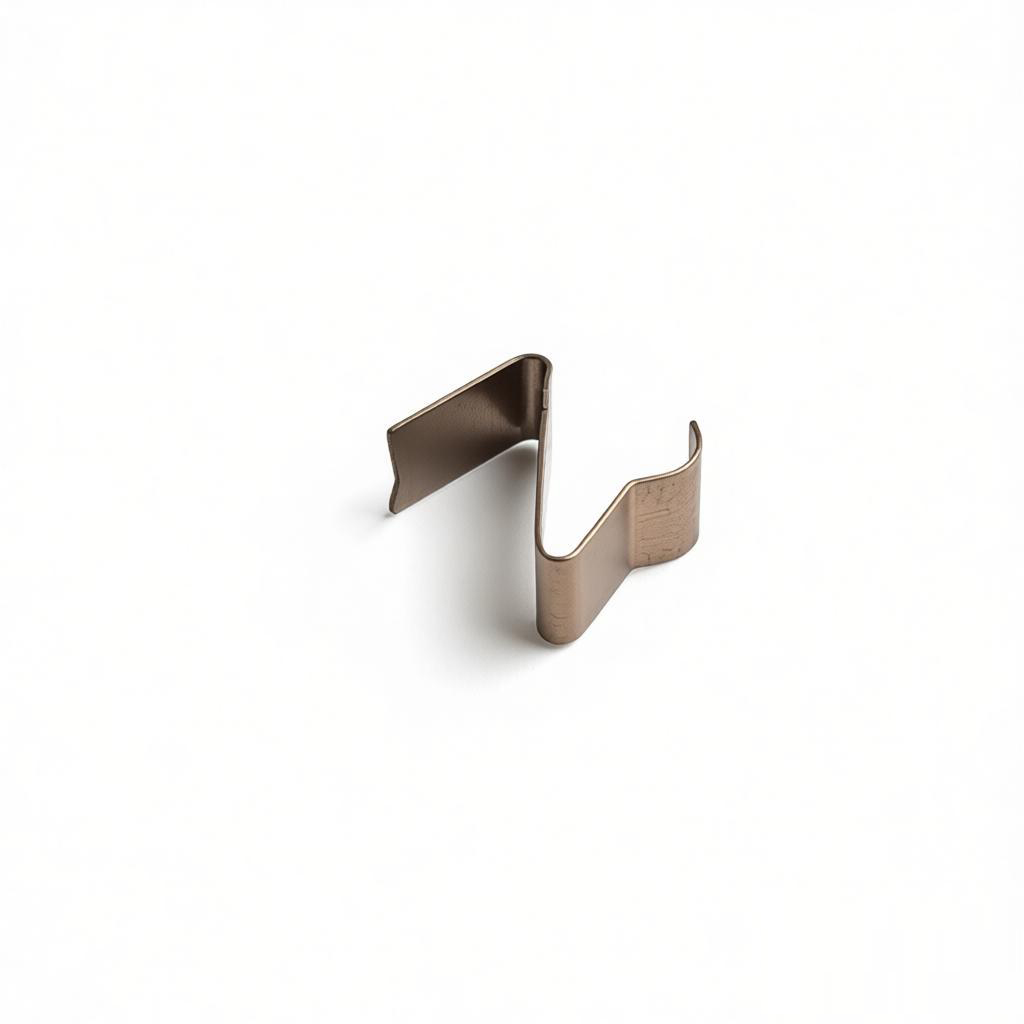
Current data from our production floor at BQUQ (Dongguan, China) shows a 62% increase in requests for aluminum 5052 and 6061 stampings over the past 18 months, specifically for battery tray sidewalls. These parts require tighter flatness tolerances of 0.05 mm per 300 mm length to prevent thermal expansion stress fractures. The industry standard for EV battery enclosures now demands a surface finish of Ra 1.6 µm or better, a specification that was rare for structural stampings five years ago.
Furthermore, the shift to "cell-to-pack" (CTP) battery designs eliminates module frames, pushing stampers to produce larger, thinner-gauge parts. We are seeing 1.0 mm to 1.5 mm thick cold-rolled steel being replaced by 0.8 mm high-strength aluminum with local reinforcement beads, a process requiring precision servo-press control to avoid springback exceeding 0.2 degrees.
2. Precision Tolerances: The Race to Zero Defect
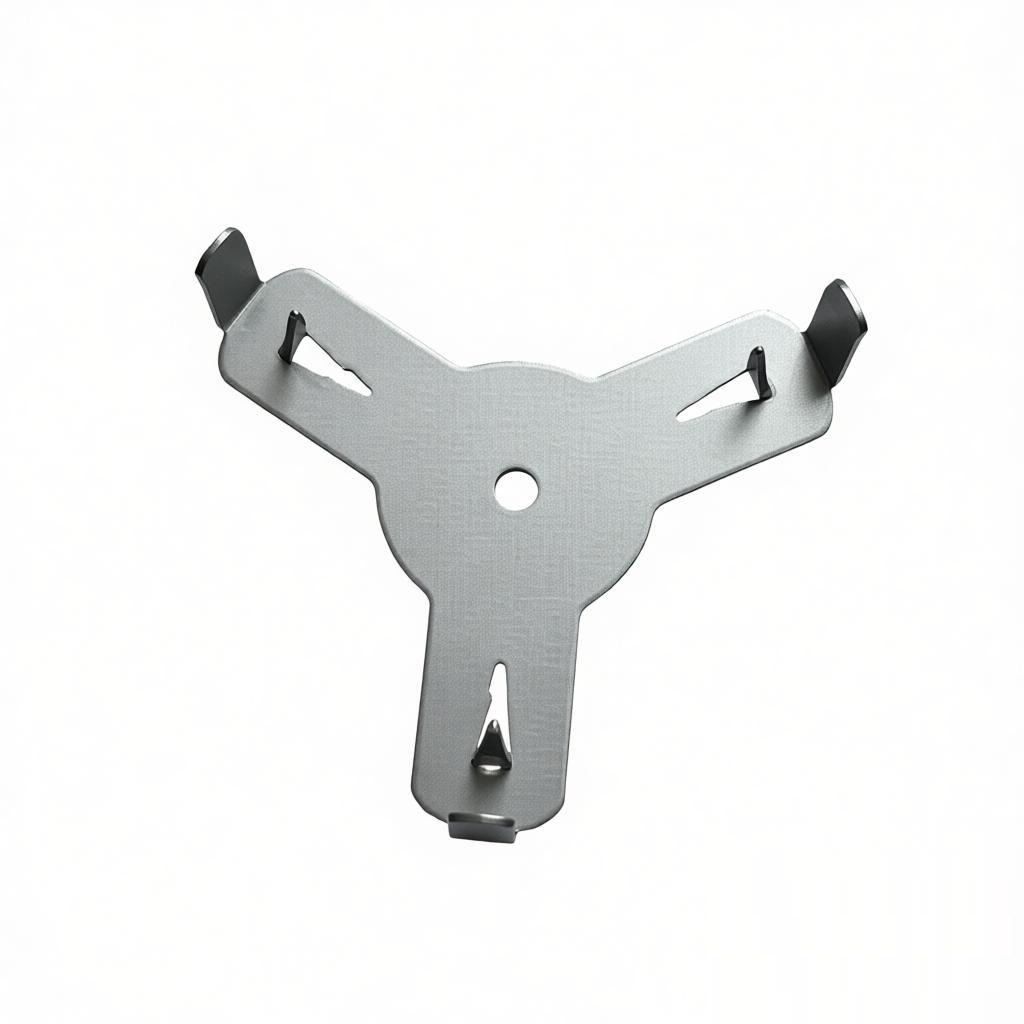
The second major trend is the tightening of tolerance classes across all sectors, not just automotive. Medical device and aerospace clients now routinely demand tolerances of ±0.01 mm for critical features, which is at the limit of conventional stamping. To achieve this, progressive dies must be manufactured with wire-cut EDM accuracy of ±0.002 mm and maintained with thermal stabilization.
Our internal capability data indicates that 78% of all current RFQs (requests for quote) specify a Cpk (process capability index) of 1.67 or higher, up from 1.33 just five years ago. This statistical requirement mandates inline optical inspection systems with 5-micron resolution cameras operating at 200 parts per minute. The cost implication is real: tooling for a high-precision progressive die now averages $15,000 to $45,000 USD, depending on station count (typically 8 to 15 stations), with a lead time of 4 to 6 weeks.
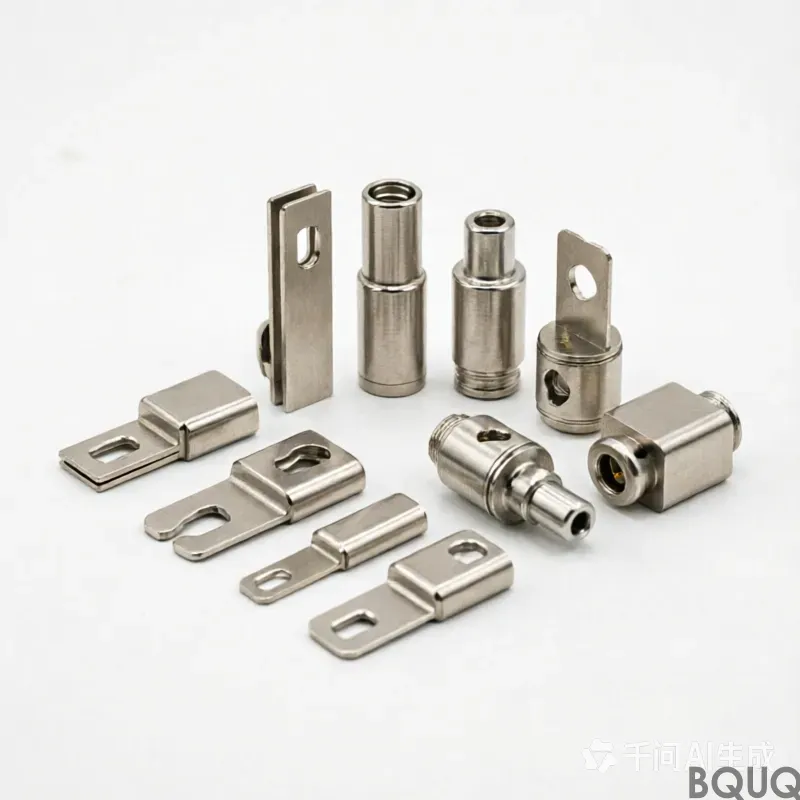
The table below illustrates the shift in standard vs. precision stamping parameters observed across our 20-year operational history:
| Parameter | Conventional Stamping (2015 Baseline) | Current Precision Stamping (2025 Standard) | :--- | :--- | :--- | **Hole Diameter Tolerance** | ±0.05 mm | ±0.01 mm | **Flatness (per 100 mm)** | 0.10 mm | 0.03 mm | **Burr Height (max)** | 0.08 mm | 0.03 mm | **Material Thickness Range** | 0.5 – 3.0 mm | 0.1 – 6.0 mm | **Inspection Frequency** | SPC sampling (5 pcs/hour) | 100% inline vision inspection | **Typical Die Life (Tool Steel)** | 500,000 strokes | 1,500,000 strokes (with PVD coating) | **Minimum Order Quantity (MOQ)** | 5,000 pcs | 500 pcs (via automated quick-change dies) |
|---|
3. Material Innovation: AHSS and Copper Alloys Cost Dynamics
Growth is heavily influenced by material science. Advanced High-Strength Steels (AHSS) grades like DP980 and DP1180 are now standard for structural automotive components due to their 980-1180 MPa tensile strength. However, stamping these materials requires significantly higher press tonnage (typically 20-30% more) and specialized die coatings to manage galling.
The price volatility is a critical driver. As of Q1 2025, the spot price for hot-dipped galvanized steel in China is approximately $720 USD per ton, while 3003 aluminum alloy is at $3,200 USD per ton. This 4.4x cost ratio is pushing engineers to redesign parts for thickness reduction. For example, a 2.0 mm mild steel bracket can be replaced by a 1.2 mm DP780 part with a 15% weight reduction, but the tooling cost increases by 25% due to the need for nitrogen gas springs and higher-grade carbide dies.
Additionally, the rise of copper busbars in power distribution units has driven demand for precision stamping of C11000 and C10200 copper in thicknesses of 0.5 mm to 3.0 mm. These parts require minimal burr (under 0.02 mm) to prevent electrical arcing, necessitating fine-blanking processes. Fine-blanking adds 30-40% cost per part compared to conventional stamping but is non-negotiable for EV high-voltage connectors.
4. Industry 4.0 and the "Smart Press" Movement
Automation is no longer just about feeding coils; it is about data-driven predictive maintenance. Modern servo presses now offer programmable slide motion, allowing for "dwell" periods at bottom dead center to reduce springback. The industry trend is moving toward fully networked presses that record force-displacement curves for every stroke.
We have implemented IoT sensors on our 25-ton to 250-ton presses that measure die temperature and vibration. This data predicts tool wear with 95% accuracy, reducing unplanned downtime. The measurable benefit is a 15% increase in Overall Equipment Effectiveness (OEE) and a reduction in scrap rates from 1.8% down to 0.9%. For engineers, this means requesting "stamping process capability reports" including real-time force data is becoming a standard contractual requirement, not a value-add.
Another trend is the use of collaborative robots (cobots) for small-batch, high-mix production. Traditional stamping required a minimum economic batch of 10,000 units. With automated die-change systems and cobot part handling, we now economically run batches of 500 to 2,000 units for prototype and pre-production validation, reducing lead times for engineering samples to 5-7 business days.
5. Reshoring and Supply Chain Resilience
The post-pandemic era has driven a "China + 1" strategy, but for precision stamping, China remains dominant due to vertical integration of raw materials and die-making infrastructure. The trend is not leaving China; it is demanding faster response and localized inventory. Manufacturers in the US and EU are now asking Chinese suppliers to hold buffer stock (consignment inventory) to mitigate ocean freight volatility.
This shift requires stamping factories to invest in automated warehousing. The cost of holding inventory has risen with interest rates, so the industry is adopting "one-touch" flow manufacturing. This means parts are stamped, deburred, and packed in a single continuous line, reducing work-in-progress (WIP) by 30%. For the buyer, this translates to shorter lead times; standard parts are now 2-3 weeks, while complex assemblies with secondary operations (tapping, riveting) are 4-5 weeks.
6. Practical Recommendations for Sourcing Engineers
When evaluating a metal stamping partner, focus on metallurgical knowledge over simple press tonnage. Ask for their specific experience with your material grade. For high-volume heat sink production (a BQUQ specialty), the key is thermal interface flatness. We recommend specifying a flatness of 0.05 mm TIR (Total Indicator Reading) for aluminum 6063-T5 heat sinks, but ensure the supplier uses a stress-relieving process after stamping to prevent warpage during anodizing (which operates at 18-22°C in the tank).
**FAQ-Style Tips for Buyers:** - **Q: How do I reduce tooling costs?** A: Design for manufacturing (DFM) review is critical. Eliminating tight internal radii (keep them above 0.5x material thickness) can reduce die complexity and cost by up to 20%. - **Q: What is the realistic lead time for a progressive die?** A: For a 10-station die with A2 tool steel, expect 4-5 weeks. For carbide dies with 15+ stations, budget 6-8 weeks. Rush delivery (3 weeks) will increase die cost by 30%. - **Q: Should I use stamped or machined heat sinks?** A: Stamped heat sinks (skived or stamped fin) are cost-effective above 10,000 units. Below that, CNC machining is more economical. For stamped aluminum heat sinks, expect a thermal resistance of 0.5-1.0°C/W depending on fin density.
Conclusion: The Path Forward
The metal stamping industry is no longer a low-tech commodity service. It is a high-precision, data-driven manufacturing sector driven by EV growth, material science advancement, and automation. The ability to hold ±0.01 mm tolerances on AHSS and aluminum while providing digital traceability is the new baseline. As a 20-year veteran factory in Dongguan, we have adapted by investing in servo presses, inline vision systems, and metallurgical testing labs to meet these exact demands. The future belongs to suppliers who can compress lead times and eliminate variability, not just those with the cheapest tonnage rate.
For your next precision stamping project, whether it is a prototype in 500 pieces or a production run of 500,000, we offer a 12-hour quoting turnaround with full DFM feedback. Contact our engineering team directly to discuss your tolerance requirements and material specifications.
**Email:** sc@bquq.com **WhatsApp:** +86 13713157787 **Website:** www.bquq.com
Related Articles
- Stamping Press Selection Guide 2024: Mechanical vs Hydraulic vs Servo Speed and Force
- Why Low Volume Metal Stamping is Ideal for Prototyping
- Stamping Lubricant Selection 2024: Balancing Die Life, Part Quality, and Environmental Compliance
Frequently Asked Questions
What are the main growth drivers currently shaping the metal stamping industry?
The metal stamping industry is driven by three forces: the accelerated adoption of electric vehicle (EV) component production, the integration of Industry 4.0 automation with real-time quality control, and the reshoring of supply chains requiring near-zero-defect tolerances. These factors demand parts at ±0.01 mm tolerances with digital traceability.
How has the shift to electric vehicles changed stamping requirements?
EVs demand fewer but geometrically more complex stamped parts than ICE vehicles, especially for battery enclosures, busbars, and motor laminations. For example, battery tray sidewalls now require aluminum 5052/6061 with flatness tolerances of 0.05 mm per 300 mm length and a surface finish of Ra 1.6 µm or better.
What precision tolerances are now standard for high-end stamping applications?
Medical device and aerospace clients routinely demand tolerances of ±0.01 mm for critical features. To achieve this, progressive dies must be manufactured with wire-cut EDM accuracy of ±0.002 mm. Additionally, 78% of current RFQs specify a Cpk of 1.67 or higher, requiring inline optical inspection with 5-micron resolution cameras.
What are the typical costs and lead times for high-precision progressive tooling?
Tooling for a high-precision progressive die averages $15,000 to $45,000 USD, depending on station count (typically 8 to 15 stations). The lead time for such tooling is 4 to 6 weeks, reflecting the complexity and precision required for modern stamping operations.