Progressive Die Stamping: Definition, Process, Tolerances, and Cost Analysis
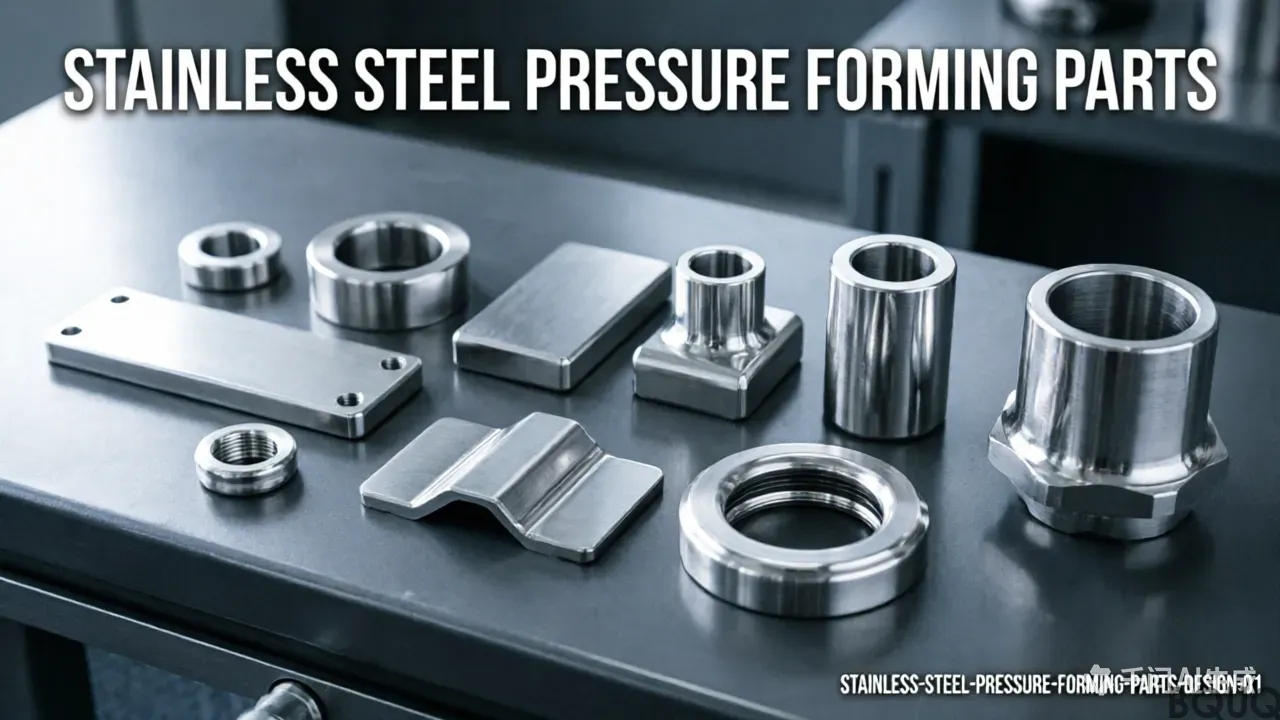
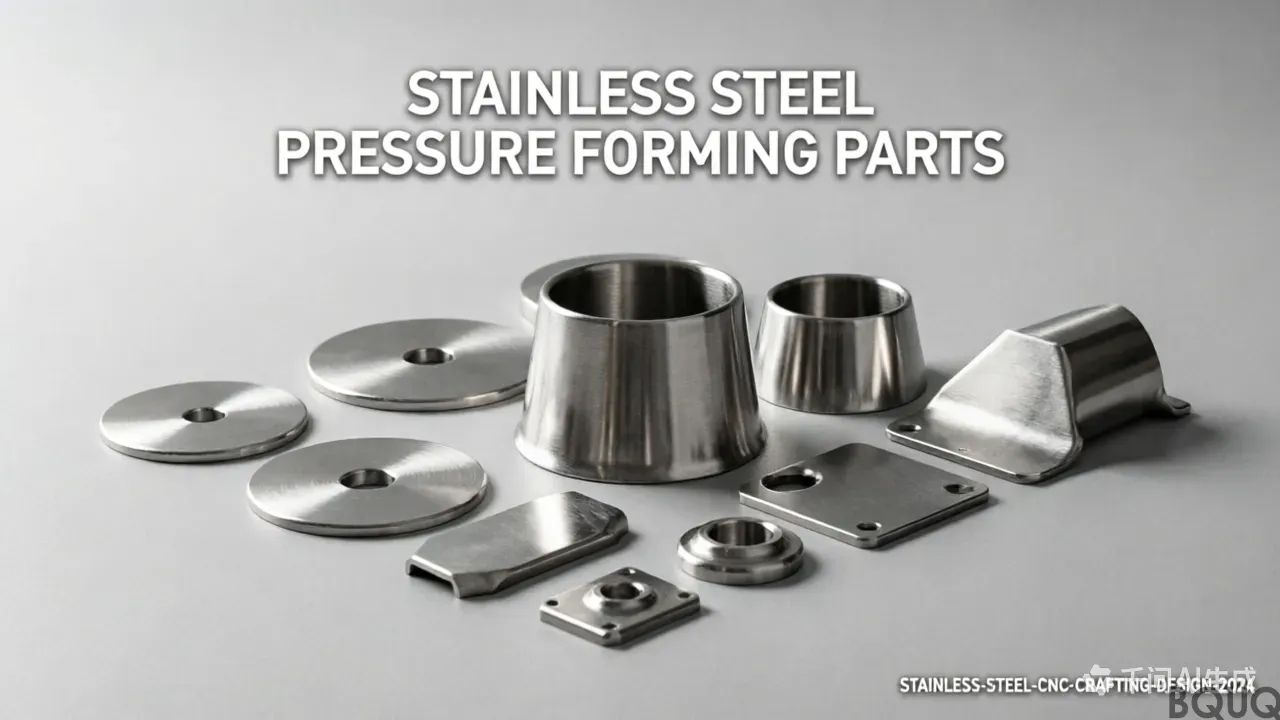
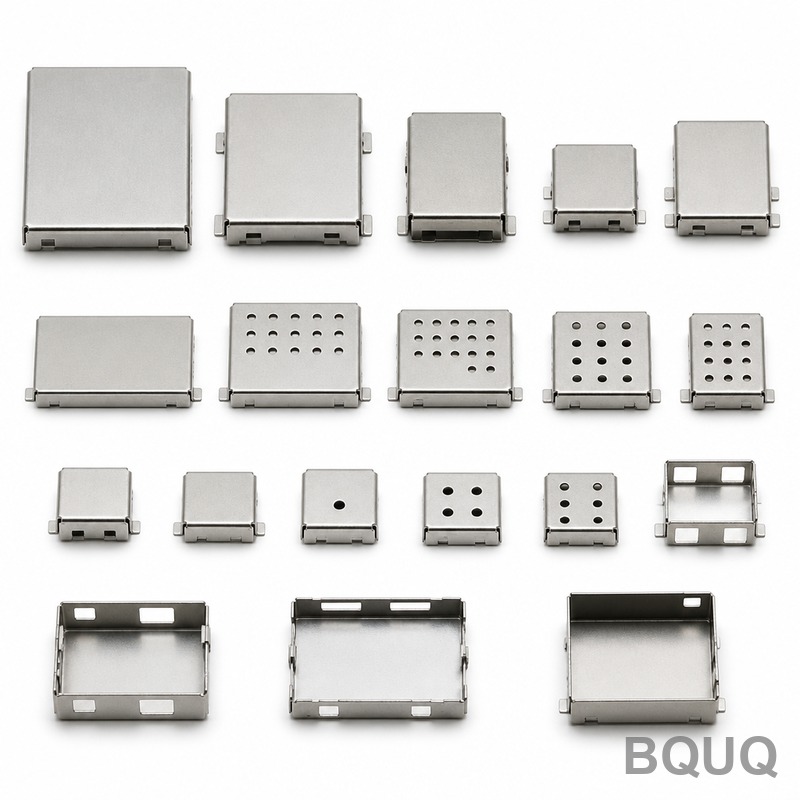
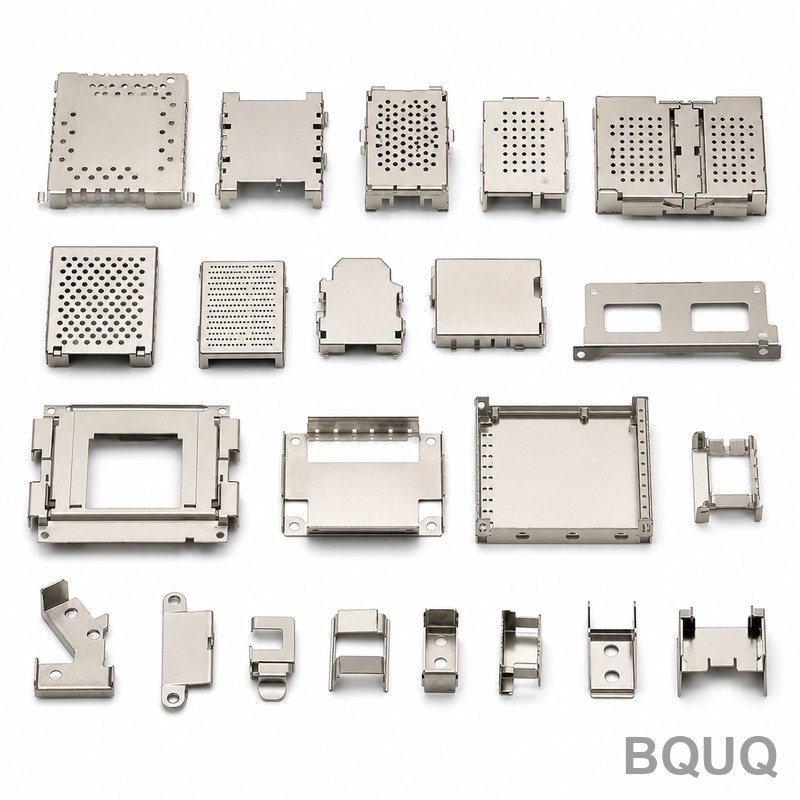
Progressive die stamping is a high-volume metal forming process where a continuous metal strip is fed through a series of stations in a single press, with each station performing a distinct operation (cutting, bending, coining, or drawing) to transform the strip into a finished part. This method achieves production rates of up to 1,200 parts per minute, holding tolerances of ±0.025 mm, and offers per-part costs as low as $0.03 for complex geometries. By combining multiple operations into a single tool, progressive tooling eliminates secondary handling, reduces labor, and ensures repeatable precision for industries like automotive, electronics, and medical devices.
The Mechanics of Progressive Die Stamping
A progressive die is a multi-station tool mounted in a mechanical press. The process begins with a coil of metal strip, typically 0.1 mm to 6.0 mm thick, fed horizontally through the die. The press ram moves vertically, and at each stroke (or "hit"), the strip advances by a fixed increment known as the "pitch" or "feed length."
The die contains a series of stations arranged linearly. Every station performs one or more operations simultaneously on different portions of the strip. The most common operations include:
- Piercing: Cutting holes or slots - Blanking: Cutting the outer profile of the part - Bending: Forming angles or flanges - Coining: Compressing metal to achieve precise thickness or surface finish - Drawing: Deep-forming a cup or shell shape - Embossing: Creating raised or recessed features
A critical component is the pilot, a precision pin that enters a previously pierced hole to ensure exact strip positioning at each stroke. Pilots maintain the strip's alignment within ±0.005 mm, preventing cumulative error across multiple stations.
The final station separates the completed part from the strip (called the "carrier" or "skeleton"). The skeleton is then wound onto a scrap reel for recycling. This continuous, automated flow means no manual part handling between operations, which significantly reduces cycle time and labor cost.
Key Tolerances and Material Specifications
The achievable tolerance in progressive die stamping depends on material thickness, part complexity, and press speed. For thin materials (0.1–1.0 mm), precision tolerances of ±0.025 mm are standard. For thicker materials (3.0–6.0 mm), tolerances relax to ±0.1 mm due to material springback and thermal expansion.
Material selection is critical. The most common materials include:
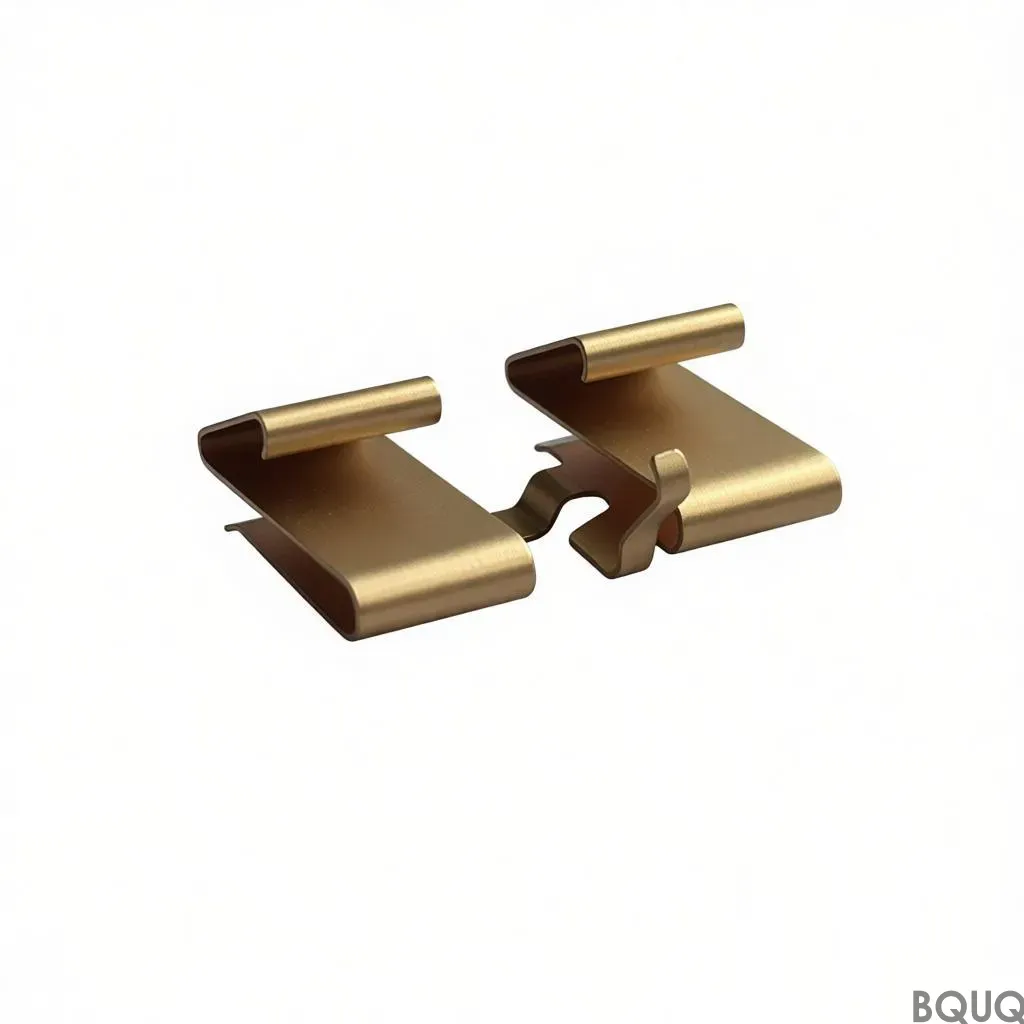
- Cold-rolled steel (SPCC, SPCD): General-purpose, low cost - Stainless steel (SUS 301, SUS 304): Corrosion resistance, high strength - Brass (C2600, C2680): Electrical conductivity and corrosion resistance - Aluminum (5052, 6061): Lightweight, good formability - Copper (C1100, C1020): High electrical and thermal conductivity - Spring steel (SK5, 65Mn): For clips and springs
The die material itself must withstand high impact. Standard tool steels like D2 or M2 are used for production runs under 500,000 parts. For runs exceeding 1 million parts, carbide dies are used, offering 10 times the wear resistance but at 3–5 times the die cost.
| Material | Thickness Range | Typical Tolerance | Max Production Speed | Die Life (Parts) | Relative Die Cost |
| Cold-rolled steel | 0.1–3.0 mm | ±0.05 mm | 800 strokes/min | 500,000–1M | 1.0x (baseline) |
| Stainless steel | 0.2–3.0 mm | ±0.05 mm | 600 strokes/min | 400,000–800K | 1.3x |
| Brass | 0.1–2.0 mm | ±0.025 mm | 1,000 strokes/min | 600,000–1.2M | 1.1x |
| Aluminum 5052 | 0.3–4.0 mm | ±0.08 mm | 700 strokes/min | 400,000–700K | 1.0x |
| Spring steel | 0.1–1.5 mm | ±0.03 mm | 500 strokes/min | 300,000–600K | 1.5x |
Cost Structure and Economic Justification
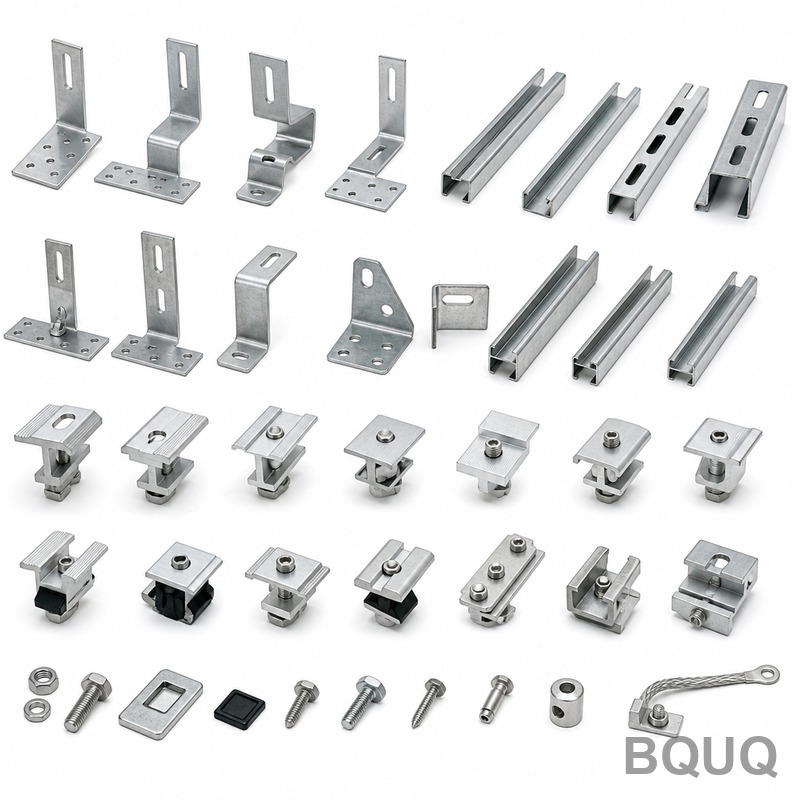
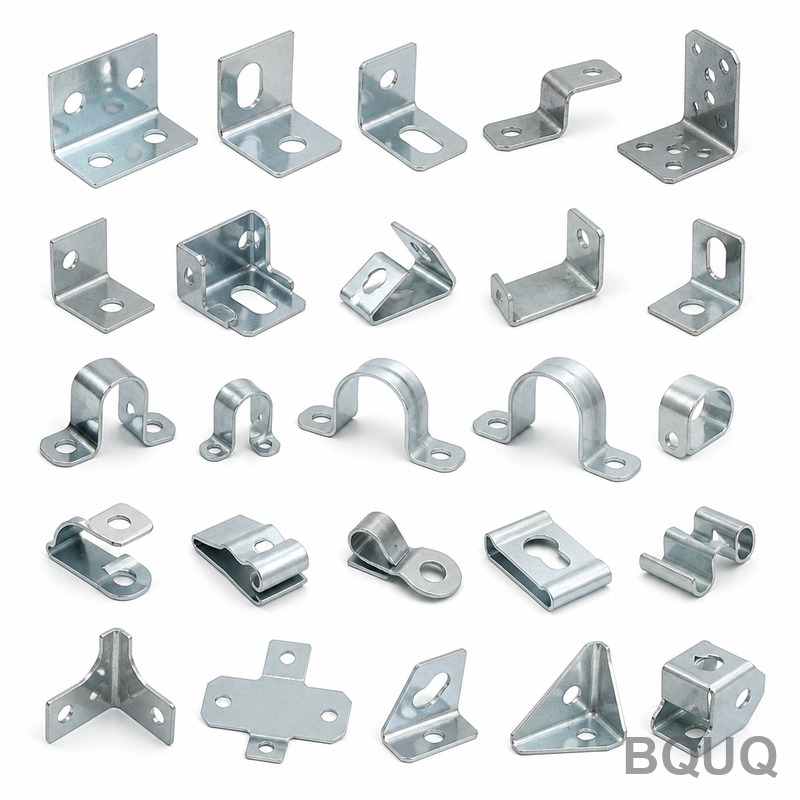
The primary advantage of progressive die stamping is its low unit cost at high volumes, but the initial tooling investment is substantial. A typical progressive die costs between $8,000 and $80,000 depending on the number of stations, part complexity, and die material. For a simple bracket with 4 stations, expect $12,000 to $18,000. A complex connector terminal with 12 stations may cost $35,000 to $60,000.
The cost per part is calculated by combining tooling amortization, material, press time, and secondary operations. For a run of 500,000 parts, a $20,000 die adds $0.04 per part. Material cost for 0.5 mm brass strip at $8.50/kg yields roughly $0.015 per part for a 4-gram component. Press time at $60/hour with a cycle rate of 400 strokes per minute and 2 parts per stroke results in $0.0025 per part.
The break-even point versus CNC machining is typically around 5,000 to 10,000 parts. Below this quantity, CNC machining or manual stamping is more economical. Above 50,000 parts, progressive die stamping is almost always the most cost-effective choice, often reducing per-part cost by 60–80% compared to machining.
Press tonnage is a major cost driver: a 30-ton press is sufficient for most small parts, while a 200-ton press is needed for large heat sinks or thick brackets. The press speed directly impacts cost: a 400-stroke-per-minute press running 24/7 produces 576,000 parts per day (at 1 part per stroke), which justifies the higher die cost through rapid amortization.
Design Considerations for Manufacturability
Designing a part for progressive die stamping requires adherence to specific rules to avoid tool failure and maintain tolerances.
Minimum bend radius should be at least 0.5 times the material thickness for soft materials and 1.0 times for hardened steel. Smaller radii cause cracking. Hole diameter must be at least 1.2 times material thickness; smaller holes require specialized tooling and reduce die life.
The distance between a hole edge and a bend line must be at least 2 times the material thickness to prevent distortion. Similarly, the distance between two holes should be 2 times the thickness, and the distance from a hole to a part edge should be 1.5 times the thickness.
Burr direction is critical. The die side of the strip produces a slight burr; the punch side is clean. If the part requires a burr-free surface, this must be specified on the drawing, as it affects the die design and requires a secondary deburring station.
Strip layout optimization directly affects cost. A wider strip allows more parts per stroke (multi-cavity), but wastes more material through skeleton scrap. For a given part, the optimal strip width and pitch are determined by nesting the part shape to minimize scrap. Scrap rates in progressive stamping typically run 10–30% by weight, but can be reduced to 5% with optimized nesting.
Comparison with Alternative Metal Forming Methods
Progressive die stamping is often compared to four alternatives: stamping with single-station dies, CNC machining, metal injection molding (MIM), and fine blanking.
Single-station dies (line dies) are simpler and cheaper to build, but require separate presses and handling between operations. For 50,000 parts, line dies may cost 30% less in tooling but 40% more in per-part labor. Progressive dies become more economical once the run exceeds 20,000 parts due to reduced cycle time.
CNC machining offers no tooling cost and design flexibility, but has high per-part cost and is limited to simple geometries. Machining a steel bracket that costs $0.25 by progressive stamping would cost $2.50–4.00 by CNC milling, plus a 2-minute cycle time versus 0.15 seconds for stamping.
MIM is suitable for extremely complex 3D geometries but has a slower cycle time (10–30 seconds per shot) and requires significant secondary sintering, which adds 15% part cost. Progressive stamping is limited to 2.5D shapes but achieves 10–100 times faster production.
Fine blanking is a specialized form of stamping that produces a fully sheared, smooth edge with zero fracture zone. It requires a third action (counter-pressure) and costs 20–50% more than standard progressive die tooling, but achieves edge finishes of Ra 1.6 μm versus Ra 12 μm for standard blanking.
Common Pitfalls and Practical Recommendations
The most frequent quality issues in progressive die stamping are burr formation, dimensional drift, and springback. Burr height increases as the die wears; a standard acceptable limit is 10% of material thickness. Regular die maintenance, typically every 50,000 strokes, prevents excessive burr and maintains tolerance.
Springback, the elastic recovery of metal after bending, is predictable for common materials. For a 90-degree bend in 1.0 mm cold-rolled steel, springback is typically 1–2 degrees. The die must be designed with over-bend compensation, or the bend angle will be incorrect. For high-strength materials like stainless steel, springback can reach 5–8 degrees, requiring either coining (compressing the bend area) or an additional correction station.
Dimensional drift over long runs is caused by thermal expansion of the die and strip. At 800 strokes per minute, the die can heat to 60–80°C, expanding tool steel by 0.01% (0.01 mm over 100 mm). Using air cooling or reducing speed to 400 strokes per minute stabilizes dimensions.
For parts with tight tolerances, consider these design recommendations:
- Specify material hardness and grain direction on the drawing - Use a pilot hole in a non-critical area to improve strip alignment - Design symmetrical parts to balance the strip and prevent twisting - Add a relief notch at sharp internal corners to prevent tearing - For thin walls (below 1.5 times material thickness), reduce press speed by 20% to avoid tool breakage
Frequently Asked Questions About Progressive Die Stamping
What is the minimum order quantity for progressive die stamping? Most factories require 10,000 parts to justify tooling cost, though some accept 5,000. At BQUQ, we offer pilot runs of 500 parts for prototyping, but the per-part cost is 5–10 times higher than production volume.
How long does it take to build a progressive die? A simple die (4–6 stations) takes 3–4 weeks. A complex die (12+ stations) takes 6–8 weeks. Die design and simulation typically consume 30% of this time.
Can progressive die stamping handle thick materials? Yes, up to 6.0 mm thickness, but press tonnage increases rapidly. A 100-ton press is required for 6.0 mm steel, versus 20 tons for 1.0 mm. Above 6.0 mm, hot stamping or forging is more economical.
What surface finishes are achievable? Standard stamping produces Ra 3.2 μm on the punch side and Ra 6.3 μm on the die side. With fine blanking, Ra 1.6 μm is achievable. Additional finishing (grinding, polishing) is a secondary operation.
How does die wear affect part quality over time? A new die produces parts at the tightest tolerance. After 200,000 strokes, tolerances may relax by 20–30% due to edge rounding. After 500,000 strokes, the die requires re-sharpening (grinding the cutting edges), which extends die life by 30–50%.
Conclusion
Progressive die stamping is the most efficient manufacturing method for high-volume metal parts, offering sub-0.05 mm tolerances, cycle times under 0.2 seconds, and per-part costs below $0.10 for parts produced in quantities above 50,000. The trade-off is a significant upfront tooling investment of $10,000–$60,000, which is amortized over the production run. For engineers designing brackets, terminals, clips, heat sinks, or springs, progressive die stamping should be the default choice whenever annual volume exceeds 20,000 parts and the geometry fits within 2.5D limitations. The key to success is early collaboration with the tooling manufacturer to optimize strip layout, minimize scrap, and design for manufacturability, which can reduce total cost by 25% compared to a non-optimized design. At BQUQ, our engineering team provides free DFM feedback within 24 hours of receiving your drawing. We offer 12-hour quoting on standard requests, with a full process simulation report before tooling begins. Contact us at sc@bquq.com or WhatsApp +86 13713157787, or visit www.bquq.com to submit your CAD file and receive a detailed cost breakdown.