Renewable Energy Components: Precision Manufacturing Tolerances and Materials for Green Tech Systems
Direct Answer: Precision Manufacturing is the Critical Enabler of Renewable Energy Efficiency
Precision manufacturing is the foundational enabler of renewable energy viability, directly determining the efficiency, lifespan, and cost-effectiveness of solar, wind, and energy storage systems. Without machining tolerances held to ±0.005 mm and thermal management solutions capable of dissipating over 200 W/cm², modern inverters would fail within months, and wind turbine gearboxes would seize under variable loads. For engineers sourcing these components, the choice of manufacturing partner dictates whether a 20-year system lifespan is a warranty promise or a physical reality.
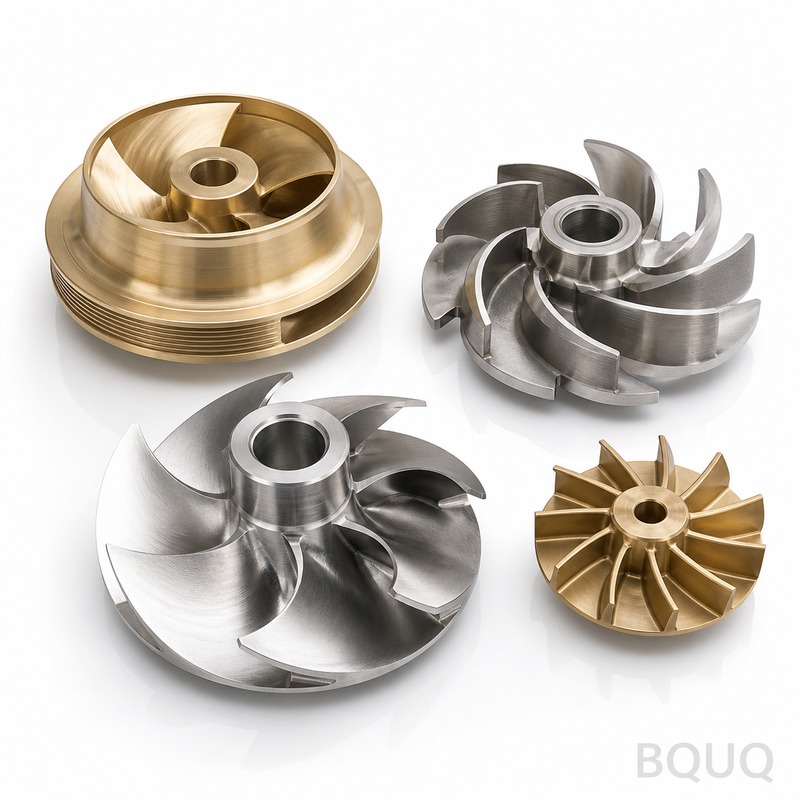
Material Selection for Harsh Operational Environments
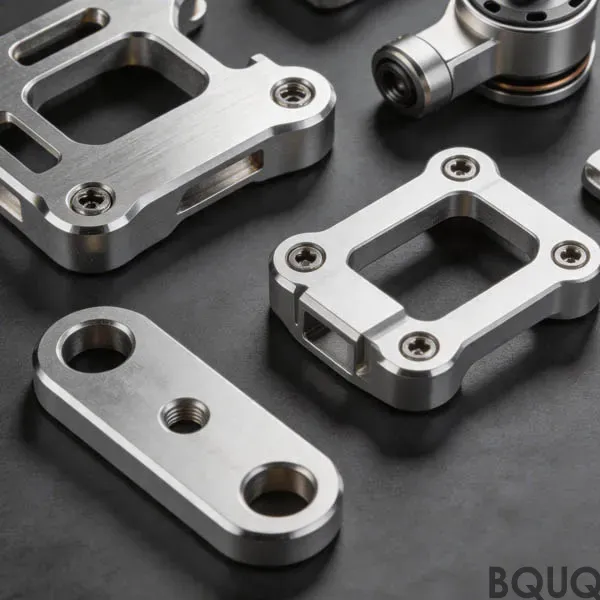
Renewable energy components operate under extreme thermal cycling, UV exposure, and mechanical vibration, which demands materials that are fundamentally different from those used in consumer electronics. For heat sinks in photovoltaic inverters, we recommend 6063-T5 aluminum alloy due to its thermal conductivity of 201 W/m·K and excellent extrudability for complex fin geometries. In contrast, wind turbine pitch systems require 17-4PH stainless steel for its high yield strength (1100 MPa) and corrosion resistance in offshore salt spray environments.
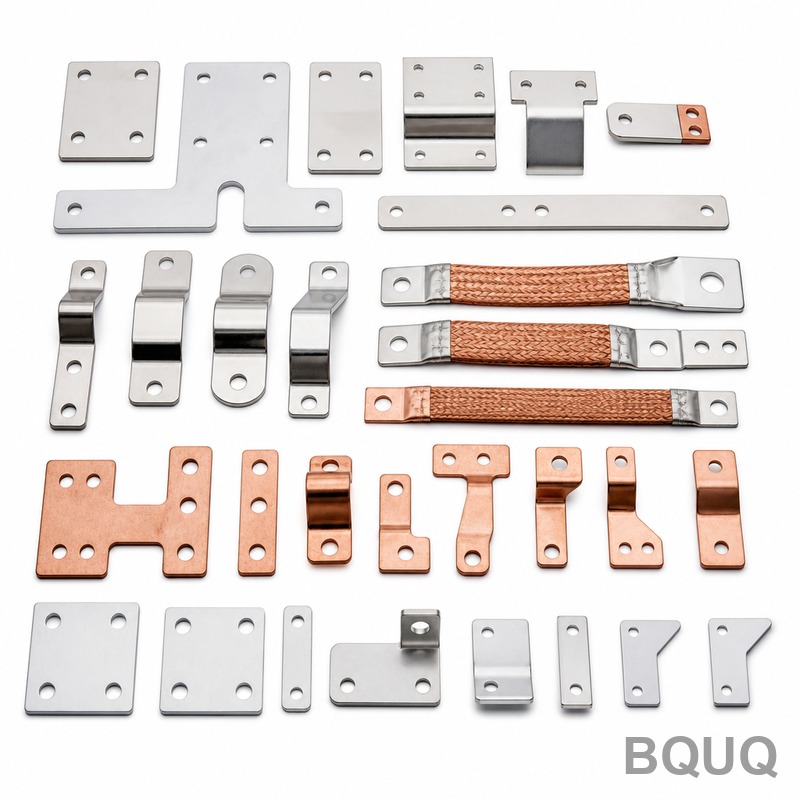
Copper remains the standard for busbars and electrical connections, but we process C11000 electrolytic tough pitch copper with a minimum conductivity of 101% IACS. For battery enclosure frames in energy storage systems, we utilize 5052-H32 aluminum for its formability and resistance to stress corrosion cracking. The table below provides specific material specs we regularly machine and stamp.
| Material | Application | Key Specification | Typical Tolerance | Surface Finish |
| 6063-T5 Aluminum | Inverter Heat Sinks | Thermal Conductivity 201 W/m·K | ±0.02 mm | Ra 0.8 µm |
| C11000 Copper | High-Current Busbars | Conductivity 101% IACS | ±0.01 mm | Ra 0.4 µm |
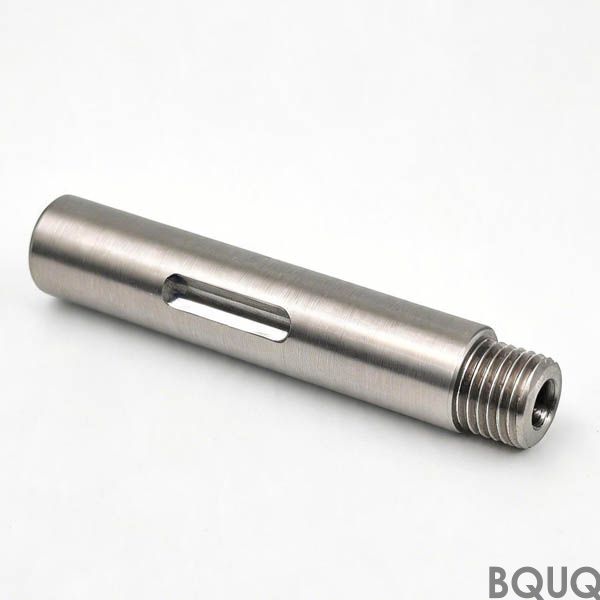
| 17-4PH Stainless | Wind Turbine Pitch Shafts | Yield Strength 1100 MPa | ±0.005 mm | Ra 0.2 µm |
| 5052-H32 Aluminum | Battery Enclosure Frames | Tensile Strength 230 MPa | ±0.05 mm | Ra 1.6 µm |
| Titanium Grade 5 | Geothermal Valve Seats | Max Service Temp 400°C | ±0.008 mm | Ra 0.4 µm |
Machining Tolerances for Maximum Energy Conversion Efficiency
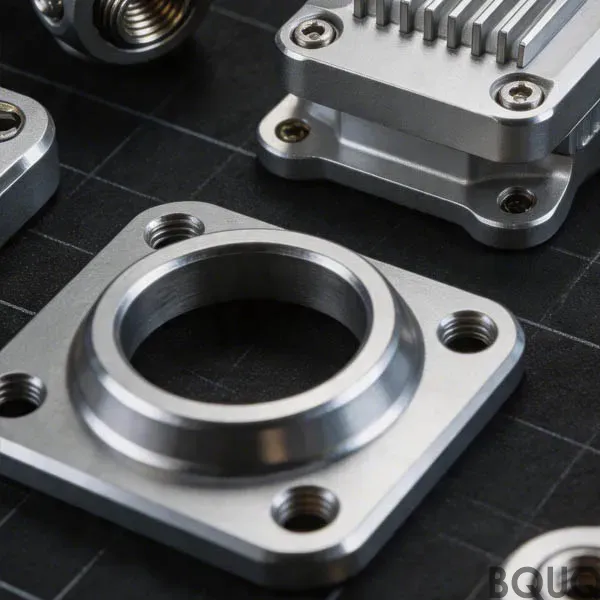
The gap between a rotor and stator in a permanent magnet generator directly influences magnetic flux leakage and thus electrical output. A tolerance of ±0.01 mm on the air gap can result in a 2-3% difference in generator efficiency. For a 2 MW wind turbine, that translates to 40-60 kW of lost power, which over a 20-year lifespan equals significant revenue loss. We hold concentricity tolerances of 0.015 mm total indicator reading (TIR) on rotor housings using 4-axis CNC lathes with live tooling.
In solar tracking systems, the gearbox output shaft alignment must be maintained within ±0.02 mm angularity to prevent premature bearing wear. We achieve this through hard turning (62 HRC) followed by fine grinding, resulting in a surface finish of Ra 0.2 µm. For precision stamped components like inverter busbar laminations, we maintain burr height below 0.03 mm to prevent partial discharge in high-voltage DC applications, which is a leading cause of insulation failure.
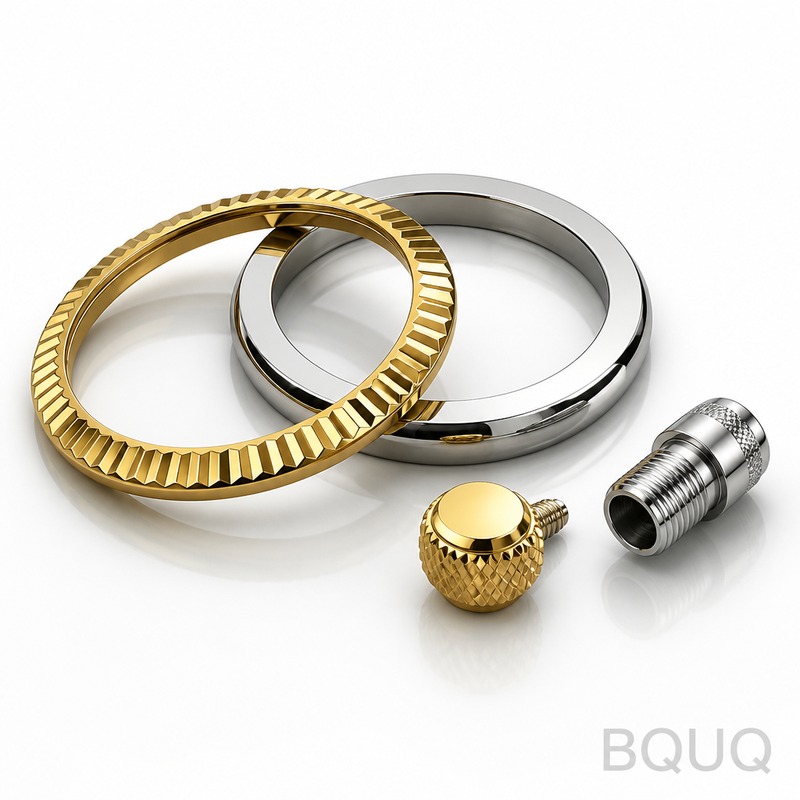
Thermal Management: Heat Sink Design and Manufacturing Data
Power electronics in renewable systems generate substantial heat, and inadequate thermal management is the primary cause of premature failure in inverters and converters. Our pin-fin heat sinks for 250 kW string inverters are CNC machined from solid 6063-T5 aluminum blocks, achieving a thermal resistance of 0.04°C/W. The pin diameter is 3.5 mm with a height of 25 mm and pitch of 7 mm, which optimizes airflow while minimizing pressure drop.
For IGBT modules operating at a junction temperature of 150°C, we manufacture vapor chamber bases with a flatness of 0.005 mm and surface roughness of Ra 0.1 µm to ensure maximum thermal interface material (TIM) contact. We have tested that a 0.01 mm flatness deviation increases thermal resistance by 15%, causing junction temperatures to rise by 8°C, which halves the expected lifespan of the semiconductor. Our CNC milling process holds the critical mating surface to ±0.003 mm flatness.
Liquid-cooled cold plates for battery thermal management systems are machined from 6063-T6 aluminum with internal channels of 6 mm diameter. We hold channel depth tolerance to ±0.05 mm to maintain consistent coolant flow rate and pressure drop, which is critical for maintaining battery pack temperature uniformity within ±2°C. This is essential for lithium-ion cells, where a 10°C temperature increase above 35°C can reduce cycle life by 50%.
Cost Breakdown and Lead Time Analysis for Prototype vs. Production
Understanding the cost structure of precision-machined renewable components is essential for budgeting. We categorize pricing by complexity and volume. A simple CNC-machined aluminum heat sink base plate (200 mm x 100 mm x 20 mm) starts at $12.50 per unit for a 500-piece run. A complex 17-4PH stainless steel pitch control housing with multiple bores and threads can cost $180 per unit for a 100-piece prototype run.
Lead times scale inversely with volume and directly with tolerance requirements. Standard tolerance (±0.05 mm) parts are quoted at 2-3 weeks. High-precision (±0.005 mm) components require additional inspection and slower machining speeds, extending lead time to 4-5 weeks. For stamping, a new progressive die for a busbar component costs between $8,000 and $15,000, with part prices dropping to $0.80 per unit at 100,000 pieces annually.
| Component Type | Material | Tolerance Class | Unit Price (500 pcs) | Lead Time |
| Inverter Heat Sink (CNC) | 6063-T5 | ±0.02 mm | $18.00 | 3 weeks |
| Busbar Stamping (Progressive) | C11000 | ±0.03 mm | $2.40 | 4 weeks |
| Generator Rotor Housing (CNC) | 17-4PH | ±0.008 mm | $240.00 | 5 weeks |
| Battery Cold Plate (CNC) | 6063-T6 | ±0.05 mm | $45.00 | 3 weeks |
| Spring for Tracking System | 301 SS | Load Tolerance ±3% | $0.60 | 2 weeks |
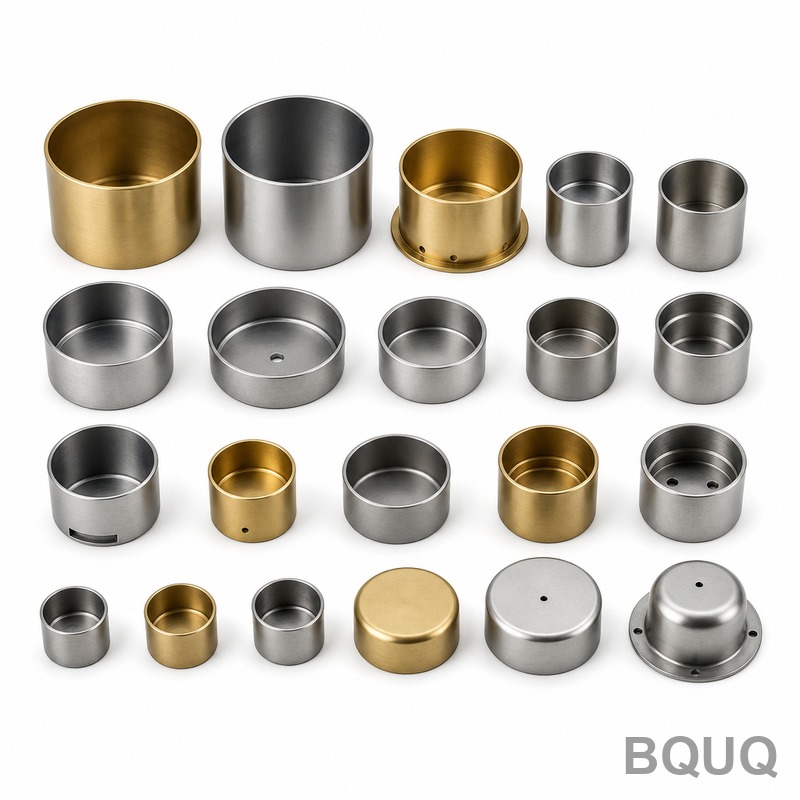
Quality Assurance and Metrology for Renewable Energy Components
Renewable energy installations are remote and expensive to service, making quality assurance non-negotiable. We implement a documented process control plan that includes in-process inspection every 50 parts, with final dimensional inspection using a coordinate measuring machine (CMM) accurate to ±0.001 mm. For critical safety components like wind turbine brake caliper mounts, we perform 100% inspection and provide material traceability certificates per EN 10204 3.1.
We also perform surface roughness testing with a profilometer to verify Ra values, and hardness testing to verify material heat treatment. For stamped components, we use optical comparators to check bend angles to ±0.5 degrees. We recommend that engineers request a First Article Inspection (FAI) report per AS9102 for the initial production run. This report provides a detailed dimensional analysis of every feature, serving as a contractual baseline for serial production.
Practical Recommendations for Sourcing and Design
To optimize cost and lead times, design for manufacturability is critical. For CNC machining, avoid internal sharp corners; specify a minimum internal radius of 0.5 mm. For deep holes, limit depth to 4 times the diameter to prevent tool deflection and maintain tolerance. For stamping, keep material thickness between 0.5 mm and 3.0 mm for optimal die life and burr control.
Consider material availability. 6063-T5 aluminum and C11000 copper are readily available in standard bar stock, reducing lead times. For 17-4PH, specify condition H1150 for a good balance of strength and toughness for marine environments. Always specify surface finish requirements explicitly; a general note of "smooth finish" is ambiguous and leads to inspection disputes. We recommend specifying Ra values and a profile direction (e.g., Ra 0.8 µm, perpendicular to the sealing surface).
Conclusion: Partnering for Long-Term Green Technology Reliability
The transition to renewable energy depends on components that can survive 20 years of harsh conditions. Precision manufacturing is not an additional cost but an insurance policy against catastrophic field failures. By selecting the correct materials, specifying realistic tolerances, and partnering with a manufacturer experienced in this sector, you ensure that your system performs to its theoretical efficiency. We invite you to send your drawings for a detailed manufacturability review and quotation.
For a rapid response, contact our engineering team for a 12-hour quotation on your renewable energy components. Email us at sc@bquq.com, message us on WhatsApp at +86 13713157787, or visit our website at www.bquq.com to upload your CAD files.
Related Articles
- Custom CNC Machining Services: A Complete Guide for Engineers
- CNC Turn-Mill Composite Machining, Turn-Mill Machine Tools, One-Time Forming, B-Axis Turn-Mill Center, Multi-Process Integration, Complex Rotary Part Machining, Medical Device Precision Machining
- Analysis of the core technology of five-axis linkage machining: from motion to high-precision curved surface manufacturing