Discover smart strategies for OEM spring inventory management: ABC analysis, demand forecasting, safety stock optimization, VMI, and standardization to reduce costs and improve efficiency.
Smart Spring Inventory Management Strategies for OEMs
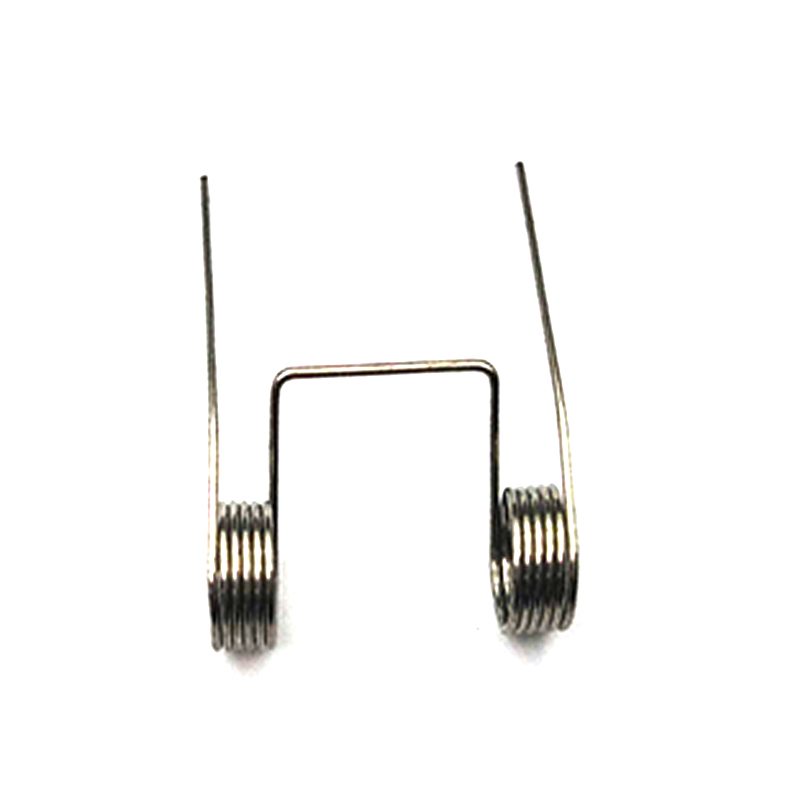
Introduction to Smart Spring Inventory Management
For OEMs (Original Equipment Manufacturers), springs are critical components in countless products, from automotive suspensions to medical devices. However, managing spring inventory is notoriously challenging due to the wide variety of types, sizes, and materials. Inefficient inventory management can lead to stockouts, production delays, and increased carrying costs. Smart Spring Inventory Management leverages technology, data analytics, and lean principles to optimize stock levels, reduce waste, and improve supply chain responsiveness. This comprehensive guide provides actionable strategies for OEMs to transform their spring inventory management.
Why Spring Inventory Is Unique and Challenging
Variety and Customization
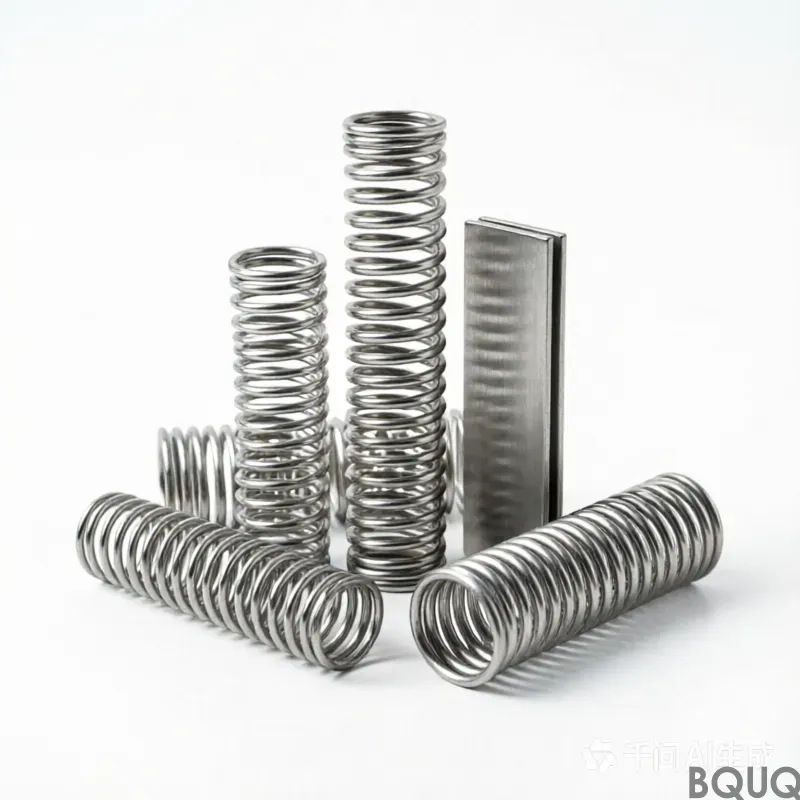
Springs come in countless configurations: compression, extension, torsion, conical, and more. Each spring can be specified by wire diameter, coil diameter, free length, number of coils, material (e.g., stainless steel, music wire, Inconel), and surface treatment. OEMs often require custom springs, making standardization difficult. This diversity increases inventory SKUs and complicates forecasting.
Demand Volatility
Demand for springs is often tied to end-product cycles, which can be seasonal, promotional, or project-based. Unexpected spikes or drops can disrupt inventory balance. Additionally, lead times from spring manufacturers vary, sometimes stretching to 8-12 weeks for custom designs.
Storage and Handling
Springs can tangle if not stored properly, leading to damage and loss. They also have specific shelf lives due to material fatigue or corrosion. Temperature and humidity control may be required for sensitive applications.
Key Metrics for Smart Inventory Management
To manage spring inventory intelligently, OEMs must monitor these KPIs: Stockout Rate, Inventory Turnover, Carrying Cost (% of inventory value), Fill Rate, Days of Supply (DOS), and Lead Time Variability. Track these monthly to identify trends and areas for improvement.
Strategy 1: ABC Analysis for Spring Classification
Classify your spring inventory into A, B, and C categories based on annual usage value. A-items (high value, low volume) might include custom, oversized springs for critical machinery. B-items (moderate value and volume) could be standard compression springs used in multiple products. C-items (low value, high volume) often are small coil springs used in consumer goods. Apply different management policies: A-items get frequent reviews, tight controls, and safety stock based on criticality; B-items use periodic review with moderate safety stock; C-items use a reorder point system with larger order quantities to reduce ordering costs.
Strategy 2: Demand Forecasting with Machine Learning
Traditional moving average or exponential smoothing often fails with spring demand patterns. Implement machine learning models that consider: historical orders, lead times, seasonality, product lifecycles, and external factors like economic indicators. For OEMs, integrate your ERP data with a demand forecasting platform. Use time series models (ARIMA, Prophet) or regression models to predict demand at a SKU level. Validate forecasts monthly and adjust based on sales team input.
Strategy 3: Safety Stock Optimization
Safety stock protects against uncertainty, but it ties up capital. Calculate safety stock using the classic formula: SS = Z × σ × √(LT), where Z is service level factor, σ is standard deviation of demand, and LT is lead time. However, for critical springs (e.g., in braking systems), increase the service level to 99.9% (Z=3.09). For non-critical, use 90% (Z=1.28). Also, consider demand variability and lead time variability separately using a slightly more advanced model: SS = Z × √(LT × σ² + (avg demand)² × σLT²). Review safety stock quarterly and adjust as product mix changes.
Strategy 4: Vendor-Managed Inventory (VMI) for Springs
Partner with reliable spring manufacturers to implement VMI. Your supplier monitors your inventory levels and replenishes automatically based on agreed-upon min/max levels. This reduces your administrative burden and ensures faster replenishment. Set clear performance metrics: fill rate (≥98%), lead time (≤5 days), and inventory accuracy (≥99%). Use a cloud-based VMI platform for real-time data exchange. This works best for standardized springs with stable demand.
Strategy 5: Standardization and Design Rationalization
Work with your engineering team to standardize spring designs where possible. Use preferred sizes and materials to reduce SKU proliferation. For example, if three different torsion springs differ only by wire diameter, consolidate to one across products. This reduces inventory complexity, bulk discounts, and improves forecast accuracy. Conduct a yearly design review to eliminate obsolete springs.
Strategy 6: Implementing a Robust Inventory Management System
Use an inventory management software that integrates with your ERP and MRP systems. Features to look for: real-time tracking, lot traceability, barcoding/RFID, automated reorder points, and analytics dashboards. For springs, assign each SKU a unique code and bin location. Train warehouse staff on correct storage: springs should be stored in partitioned bins to prevent tangling, with anti-rust treatment if needed. Cycle count A-items weekly, B-items monthly, and C-items quarterly.
Strategy 7: Lean Inventory and Just-in-Time (JIT)
For high-volume, standard springs, consider JIT delivery from a local supplier. This minimizes on-hand inventory but requires a reliable supplier and predictable demand. Use kanban cards with a two-bin system: when one bin empties, a new order is triggered. Ensure supplier lead times are short and consistent. JIT works best when demand is stable; for variable demand, maintain a small safety stock.
Strategy 8: Collaborative Planning with Suppliers
Share forecasts and production schedules with your spring suppliers. Use a collaborative forecasting process (CPFR) to align supply with demand. Hold quarterly business reviews to discuss performance, capacity, and material availability. Develop a contingency plan for supply disruptions, such as alternative suppliers or secondary sources for critical springs. Building long-term partnerships leads to better lead times and pricing.
Practical Tips for Day-to-Day Management
Label clearly: Use durable labels with part number, description, and batch number.
Audit regularly: Conduct physical inventory counts quarterly at minimum.
Monitor slow-movers: Identify springs with no usage in 6 months; consider disposition.
Use FIFO: Especially for springs with rubber or plastic parts that degrade.
Optimize order quantities: Balance between ordering costs and carrying costs using EOQ formula.
Case Study: How an Automotive OEM Reduced Spring Inventory by 30%
One major automotive OEM had over 2,000 spring SKUs, with a carrying cost of $1.2M annually. They implemented ABC analysis, consolidated 200 SKUs through standardization, and adopted VMI with two top suppliers. With a demand forecasting system, they reduced safety stock by 40%. After one year, inventory value dropped from $8M to $5.6M (30% reduction), stockout rate improved from 5% to 0.5%, and warehouse space reduced by 25%.
Conclusion
Smart Spring Inventory Management is not just about software; it's a holistic approach combining data, processes, and people. By classifying your springs, forecasting accurately, optimizing safety stock, leveraging supplier partnerships, and standardizing designs, you can significantly reduce costs while improving service levels. Start with a pilot for your highest-value springs and scale from there.
Need expert assistance? Our team specializes in custom spring manufacturing and inventory solutions. Contact us for a free consultation.
Frequently Asked Questions
Why is spring inventory management more challenging than managing other components?
Springs come in many configurations—compression, extension, torsion, conical—each specified by wire diameter, coil diameter, free length, number of coils, material (stainless steel, music wire, Inconel), and surface treatment. Custom requirements increase SKUs, demand is volatile, and lead times can stretch to 8-12 weeks for custom designs, complicating forecasting.
What key metrics should we track for smart spring inventory management?
Track Stockout Rate, Inventory Turnover, Carrying Cost (% of inventory value), Fill Rate, Days of Supply (DOS), and Lead Time Variability. Monitor these KPIs monthly to identify trends and areas for improvement in your spring inventory.
How does ABC analysis help manage spring inventory?
Classify springs into A, B, and C categories by annual usage value. A-items (high value, low volume) get frequent reviews and tight controls; B-items (moderate) use periodic review with moderate safety stock; C-items (low value, high volume) use a reorder point system with larger order quantities to reduce ordering costs.
What are typical lead times for custom springs from manufacturers?
Lead times from spring manufacturers vary, sometimes stretching to 8-12 weeks for custom designs. This variability is a key challenge in spring inventory management, affecting your Days of Supply and safety stock calculations.