What Are the Best Corrosion-Resistant Manufacturing Processes for Marine Components?
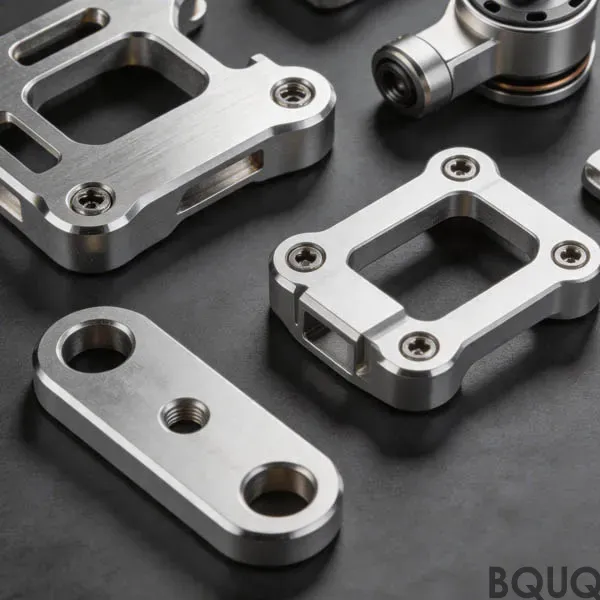
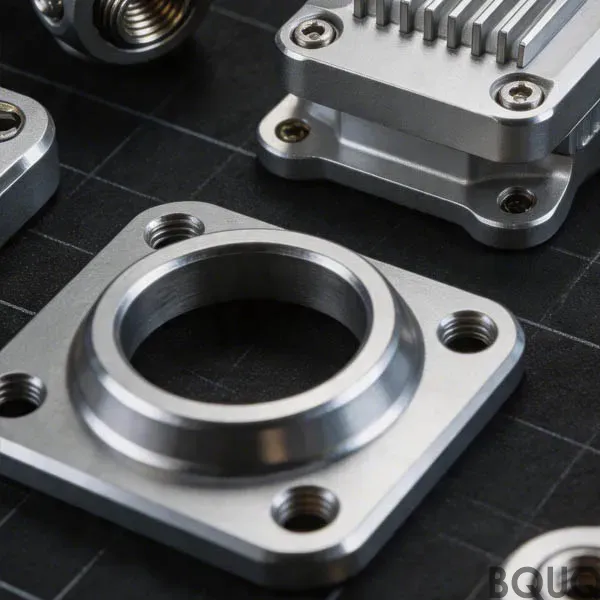
The most effective corrosion-resistant manufacturing processes for marine components are CNC machining of high-grade stainless steel (316L or 17-4PH), nickel-aluminum bronze (NAB) casting, and precision metal stamping with electroless nickel plating. For critical saltwater exposure, CNC-machined 316L stainless steel with a tolerance of +/-0.01 mm and a surface finish of Ra 0.4 µm offers the best balance of strength, longevity, and cost-effectiveness at approximately USD 85 to USD 150 per part. For high-volume production, stamped 316L components with a minimum thickness of 0.8 mm and a passivated surface provide reliable performance at costs below USD 5 per unit.
How Does Material Selection Directly Influence Corrosion Resistance in Saltwater Environments?
Material selection is the primary determinant of a marine component’s lifespan because saltwater accelerates galvanic and pitting corrosion through chloride ion attack. Austenitic stainless steels like 316L contain 2-3% molybdenum, which stabilizes the passive oxide layer and reduces pitting to a critical pitting temperature of approximately 25°C higher than 304 stainless steel. Nickel-aluminum bronze (UNS C63000) offers superior resistance to biofouling and stress corrosion cracking in seawater, with a tensile strength of 620 MPa, making it ideal for propellers and pump shafts. For fasteners and springs, Inconel 625 provides exceptional resistance to crevice corrosion at temperatures up to 800°C but costs nearly four times more than 316L, so its use is reserved for high-stress, high-temperature applications like exhaust systems and heat exchangers.
What Tolerances Can Precision Machining Achieve for Marine Valve and Pump Components?
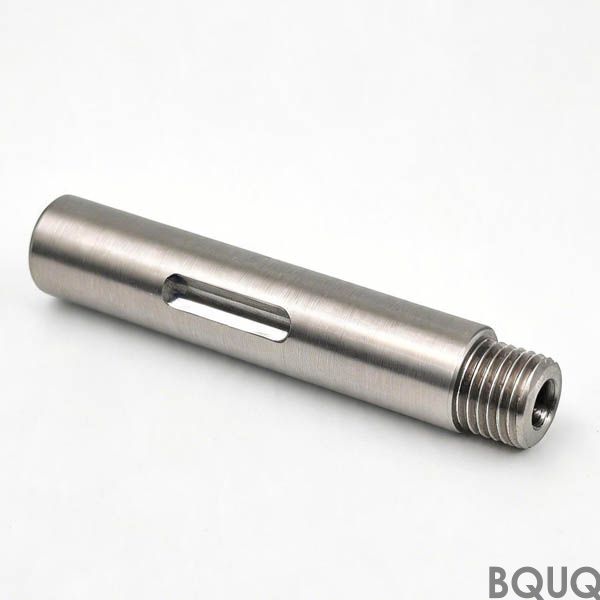
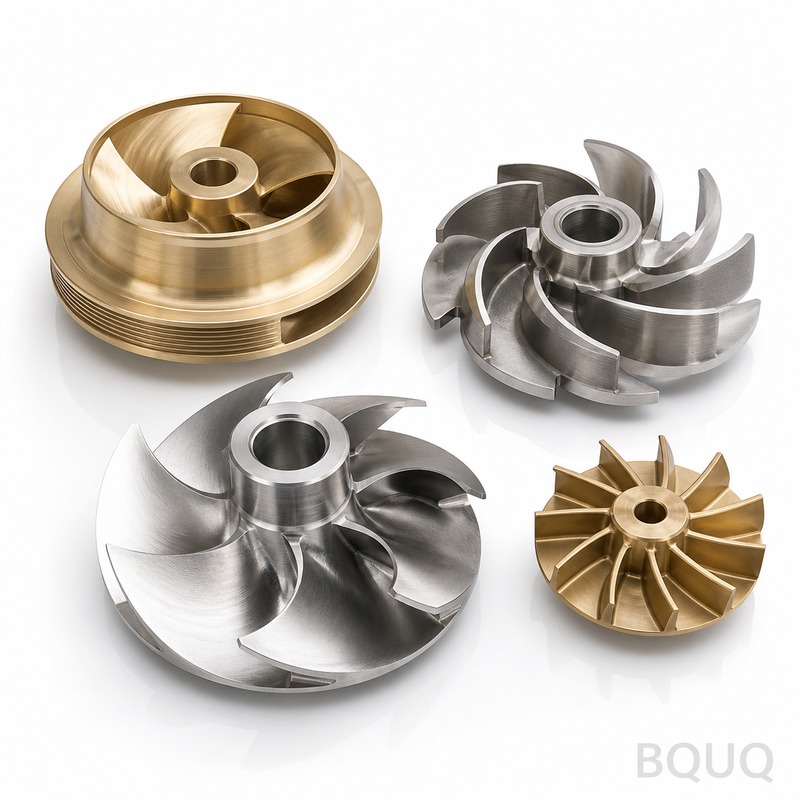
Precision CNC machining can hold tolerances of +/-0.005 mm on marine valve spools and pump impellers, which is essential for maintaining fluid seal integrity under high-pressure seawater conditions. For components like propeller shafts with diameters of 50 to 200 mm, standard machining tolerances are +/-0.02 mm, while concentricity between bearing journals is held to 0.03 mm total indicated reading (TIR). When machining duplex stainless steel (e.g., UNS S31803), which has a yield strength of 450 MPa, our factory achieves surface finishes down to Ra 0.2 µm to reduce friction and prevent localized corrosion initiation sites. For threaded marine fittings, we hold thread pitch tolerances to ISO 6H/6g classes, ensuring interchangeability with international standards and leak-proof assembly at pressures up to 300 bar.
How Does Metal Stamping Provide Cost-Effective Corrosion-Resistant Components for Marine Hardware?
Progressive metal stamping is the most economical process for high-volume marine hardware such as brackets, clamps, and hinge plates, achieving piece prices 60-80% lower than CNC machining when order quantities exceed 10,000 units. Tooling for a typical marine stamping die (e.g., a 50 mm x 30 mm bracket in 316L stainless steel) costs between USD 8,000 and USD 15,000, with a lead time of 4-6 weeks. The stamping process can maintain flatness tolerances of +/-0.05 mm and hole-to-hole positioning of +/-0.03 mm, which is sufficient for structural mounting applications. For corrosion resistance, stamped components are typically electropolished or passivated with nitric acid (20-25% concentration) to remove free iron and enhance the chromium oxide layer, achieving a salt spray test resistance of 500-1,000 hours per ASTM B117.
Why Is Electroless Nickel Plating Preferred Over Electroplating for Marine Fasteners and Springs?
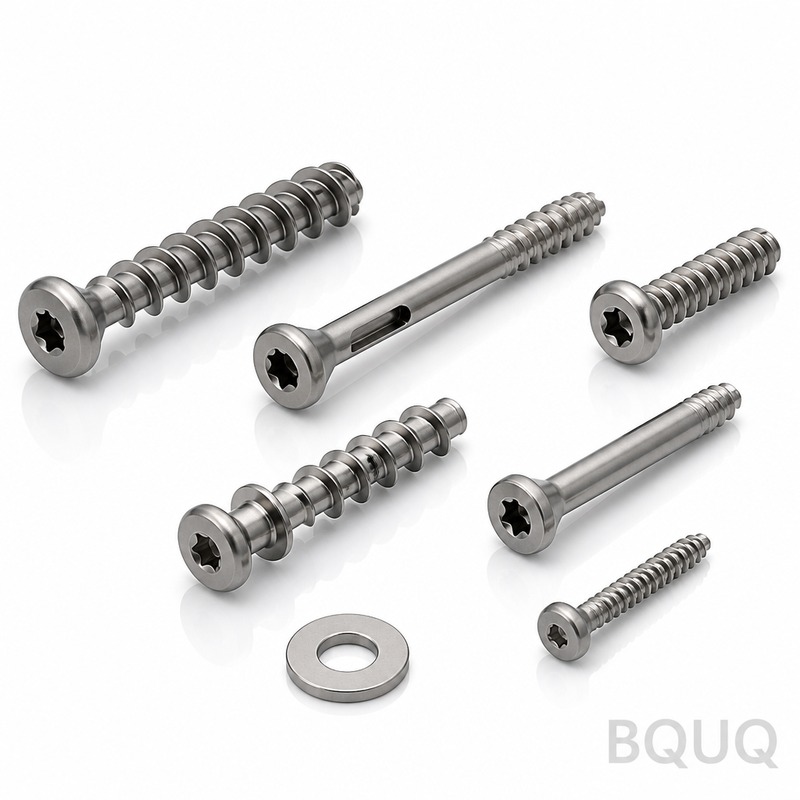
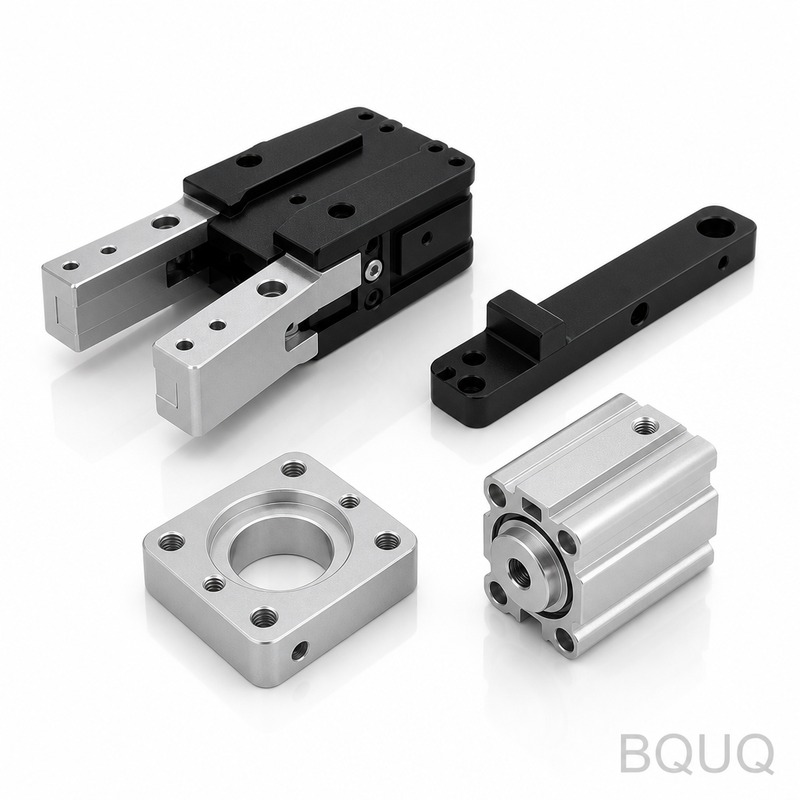
Electroless nickel plating (ENP) is preferred for marine fasteners and springs because it provides a uniform coating thickness of 25-50 µm even on complex geometries, eliminating the edge build-up and uneven coverage common with electroplating. ENP with a phosphorus content of 10-12% offers an amorphous structure that is pore-free and highly resistant to chloride attack, with a hardness of 500-600 Vickers as-plated and up to 1,000 Vickers after heat treatment at 400°C. For marine springs, ENP is critical because it does not cause hydrogen embrittlement, which is a catastrophic failure risk in electroplated high-carbon steel springs under sustained load. The cost of ENP is approximately USD 0.15 to USD 0.25 per square inch, which adds only 5-8% to the total component cost while extending service life from 2 years to over 10 years in splash-zone applications.
Which Surface Finishing Processes Offer the Best Long-Term Protection for Marine Heat Exchangers?
For marine heat exchangers, the combination of nickel-aluminum bronze or titanium (Grade 2) base material with a controlled surface roughness of Ra 0.8 µm provides the best anti-fouling and corrosion protection. Titanium Grade 2, with a corrosion rate of less than 0.01 mm/year in seawater, is the gold standard but costs USD 45-60 per kilogram; therefore, it is often used only for tube sheets and tubes while the shell is made of 316L. For aluminum heat sinks used in marine electronics enclosures, hard anodizing (Type III) with a coating thickness of 50 µm provides a dielectric strength of 800 volts and corrosion resistance exceeding 1,000 hours in salt spray testing. Our factory applies a two-step sealing process using hot deionized water at 96°C followed by sodium dichromate sealing, which reduces the anodic coating porosity to below 5% and prevents chloride ingress.
The table below summarizes the key manufacturing parameters and corrosion performance data for common marine component processes:
| Process | Material Example | Tolerance Achievable | Surface Finish (Ra) | Salt Spray Resistance (ASTM B117) | Relative Cost per Part |
| CNC Machining | 316L Stainless Steel | +/-0.01 mm | 0.4 µm | 1,500 hours (passivated) | USD 85-150 |
| CNC Machining | Duplex S31803 | +/-0.02 mm | 0.2 µm | 2,000 hours | USD 120-200 |
| Metal Stamping | 316L Stainless Steel | +/-0.05 mm | 0.8 µm | 500-1,000 hours | USD 2-5 |
| Electroless Nickel Plating | Carbon Steel Fastener | +/-0.01 mm (pre-plate) | 0.4 µm | 1,000 hours (25 µm ENP) | USD 0.50-1.00 (add-on) |
| Hard Anodizing | 6061-T6 Aluminum | +/-0.03 mm (pre-anodize) | 0.8 µm | 1,000 hours (50 µm) | USD 15-25 (add-on) |
How Does Temperature and Pressure Affect the Choice of Marine Component Manufacturing?
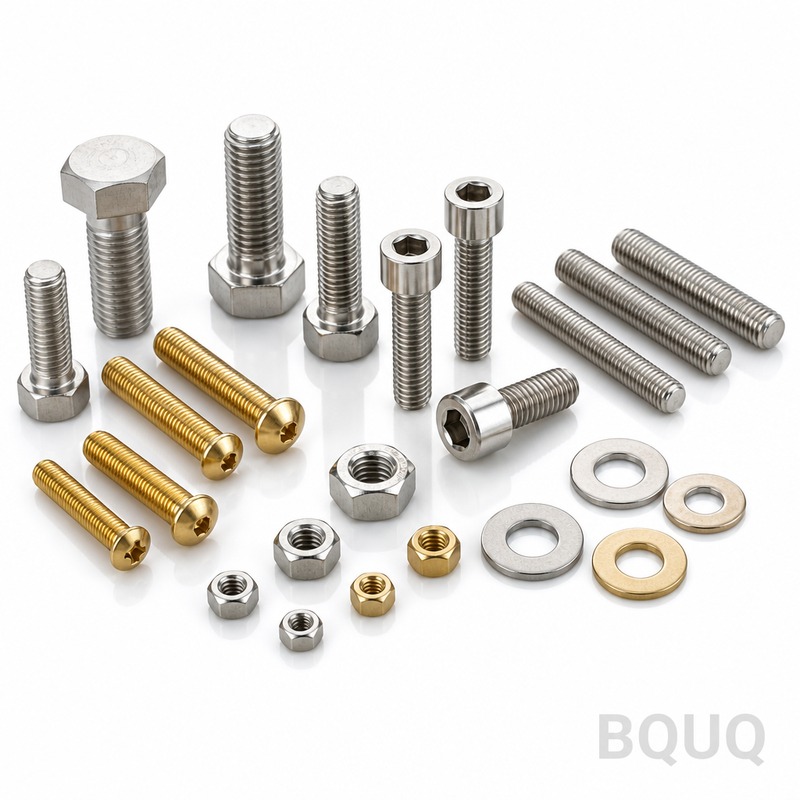
Operating temperature and pressure dictate the base material and manufacturing method because corrosion rates double with every 10°C increase in seawater temperature, and high-pressure systems accelerate crevice corrosion. For components operating below 50°C and 10 bar, 316L stainless steel with CNC machining is sufficient and cost-effective. For deep-sea applications at pressures above 200 bar and temperatures near 0°C, our factory recommends using Inconel 625 or 17-4PH stainless steel in the H1150 condition, which offers a yield strength of 860 MPa and resistance to sulfide stress cracking. For high-temperature exhaust systems (600-800°C), we manufacture heat shields and gaskets from stamped 321 stainless steel (titanium-stabilized) to prevent intergranular corrosion, holding a thickness tolerance of +/-0.05 mm. When pressure exceeds 300 bar, CNC-machined components with a minimum wall thickness of 5 mm and full-penetration welding per ASME Section IX are mandatory to avoid stress corrosion cracking at weld zones.
What Are the Most Common Causes of Premature Failure in Marine Machined Components and How Can Design Prevent Them?
Premature failure in marine machined components is most commonly caused by galvanic corrosion from dissimilar metal contact, crevice corrosion under gaskets, and fatigue cracking initiated at sharp internal corners. Design engineers can prevent galvanic corrosion by specifying electrically isolated fasteners or using identical material pairs, such as 316L bolts with 316L flanges, which eliminates the potential difference. Crevice corrosion is mitigated by designing drainage holes, avoiding overlapping surfaces, and specifying a minimum radius of 0.5 mm at all internal corners to prevent stress concentration and stagnant water traps. For rotating components like shafts, our engineers recommend a surface finish of Ra 0.2 µm and a fillet radius of at least 1.5 mm at the bearing shoulder, which increases fatigue life by 300% compared to a sharp 0.1 mm radius. Additionally, specifying a post-machining stress relief (e.g., 2 hours at 400°C for 316L) reduces residual tensile stress at the surface, which is the primary driver of chloride-induced stress corrosion cracking.
### What Is the Lead Time for Prototype and Production Runs of Corrosion-Resistant Marine Components?
Prototype lead times for CNC-machined marine components are typically 5-7 business days, including material sourcing, programming, and inspection with a CMM (coordinate measuring machine). Production lead times for orders of 100 to 5,000 pieces range from 2 to 4 weeks, depending on the complexity and the need for surface finishing like passivation or electroless nickel plating. For metal stamping, prototype dies (soft tooling) can be produced in 2-3 weeks, while production hard tooling requires 4-6 weeks; stamped part production runs are then completed in 2-3 weeks. We recommend placing blanket orders with a 6-month forecast to secure material pricing and guarantee production slots, as 316L stainless steel bar stock often has a 2-week procurement lead time during peak seasons.
### Can Existing Marine Components Be Re-Manufactured or Refurbished to Restore Corrosion Resistance?
Yes, existing marine components can be re-manufactured through stripping, re-machining, and re-applying protective coatings, restoring corrosion resistance to near-original specifications at 40-60% of the cost of new parts. For example, a worn 316L valve stem can be re-machined to an undersized diameter and then built up with Inconel 625 weld overlay, followed by finish machining to the original tolerance of +/-0.01 mm. For aluminum components with damaged hard anodizing, we strip the old coating with a caustic solution (5% sodium hydroxide), re-machine if necessary, and re-anodize to a thickness of 50 µm. Refurbished components are tested with dye penetrant inspection (DPI) and a 100% dimensional check to ensure integrity, and we provide a warranty of 12 months, which is half the warranty of new components.
### How Do You Validate the Quality and Traceability of Marine Components for Classifications (e.g., DNV, ABS)?
Quality validation for marine components follows ISO 9001:2015 and IATF 16949 protocols, with material traceability to the heat number and mill certificate for every batch of 316L, duplex, or Inconel. For classification society approval (DNV, ABS, Lloyd’s), we provide a full documentation package including material certificates (EN 10204 3.1), dimensional inspection reports, and non-destructive testing (NDT) results such as ultrasonic testing (UT) for shafts and dye penetrant for surface defects. Each component is laser-marked with a unique serial number and a Data Matrix code for full traceability from raw material to final shipment. Our in-house laboratory performs hardness testing (Rockwell C), tensile testing, and salt spray testing; third-party inspection by classification surveyors is available at our Dongguan facility with a 48-hour notice.
Conclusion
Selecting the right corrosion-resistant manufacturing process for marine components requires a systematic evaluation of the operating environment, including temperature, pressure, and saltwater exposure, followed by a cost-benefit analysis of materials and finishes. For most applications, CNC machining of 316L or duplex stainless steel offers the highest reliability and longest service life, while metal stamping with electroless nickel plating provides a low-cost solution for high-volume hardware. By adhering to proper surface finishing protocols and design rules that eliminate crevices and stress concentrations, you can achieve component lifespans exceeding 15 years in severe marine conditions.
At BQUQ, we specialize in precision CNC machining, metal stamping, springs, and heat sinks for the marine industry, backed by 20 years of manufacturing experience in Dongguan, China. Our engineering team provides free DFM (Design for Manufacturing) feedback within 24 hours to ensure your components are optimized for corrosion resistance and cost. For urgent project needs, we offer a 12-hour quoting service; send your 2D or 3D drawings to sc@bquq.com or reach us directly on WhatsApp at +86 13713157787. Visit our website at www.bquq.com to download our marine materials selection guide and start your project today.
Related Articles
- Custom CNC Machining Services: A Complete Guide for Engineers
- When CNC 'Speaks' — Intelligent Process Planning Driven by Large Models and Knowledge Graphs
- CNC Turn-Mill Composite Machining, Turn-Mill Machine Tools, One-Time Forming, B-Axis Turn-Mill Center, Multi-Process Integration, Complex Rotary Part Machining, Medical Device Precision Machining