What Is the Best CNC Machining Service for Small Batch Production?
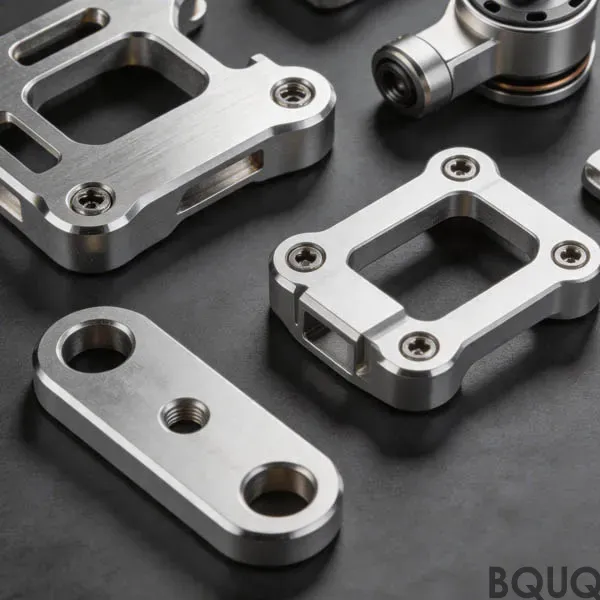
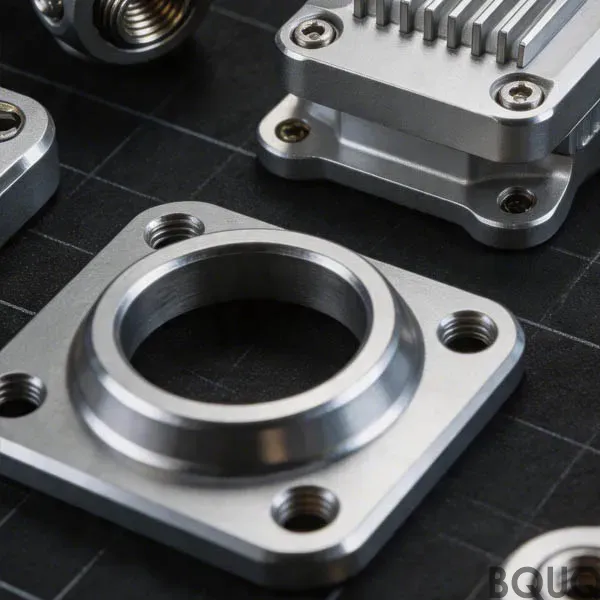
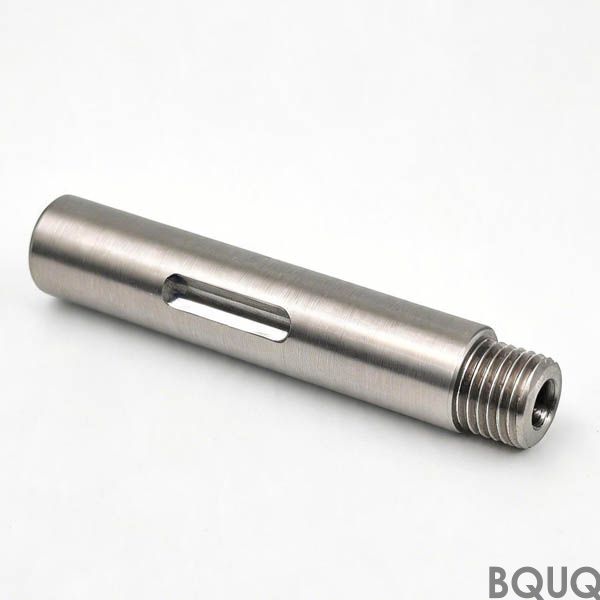
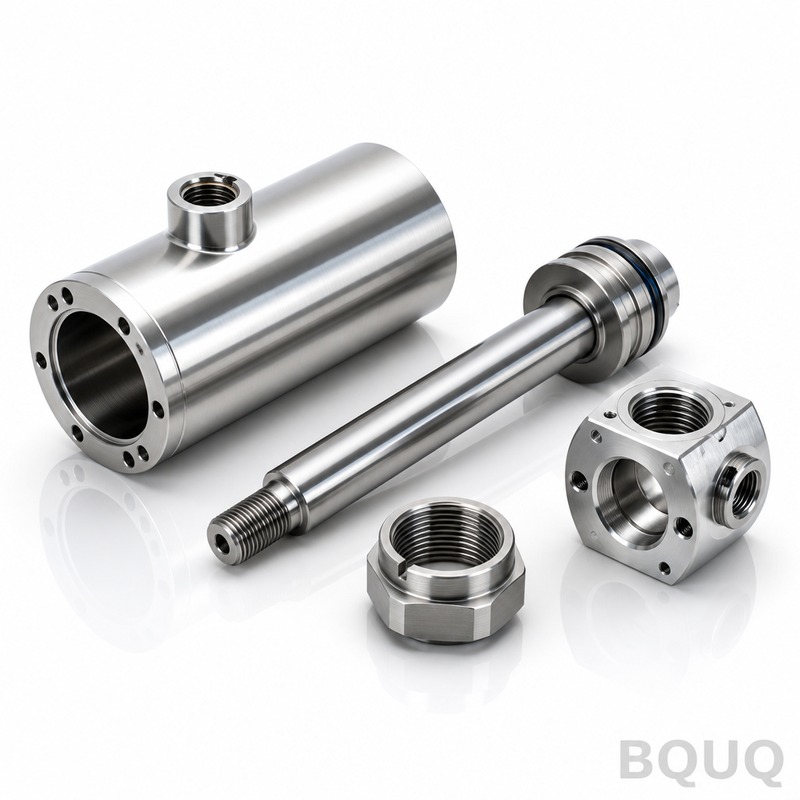
For small batch production runs of 1 to 500 units, the best CNC machining service is a mid-sized factory that combines automated 3-axis and 5-axis milling with in-house quality inspection, offering tolerances of ±0.005 mm and lead times of 5-10 business days. The ideal provider balances low setup costs against per-part pricing, which typically ranges from $15 for simple aluminum parts to $120 for complex stainless steel components. You need a partner with engineering support for Design for Manufacturability (DFM), not a broker that simply routes your CAD files to unknown subcontractors.
What Is the Ideal Batch Size for CNC Machining Services?
CNC machining is economically optimal for production runs between 1 and 500 pieces. Below 1,000 units, injection molding tooling costs ($3,000 to $50,000) are prohibitive, while 3D printing lacks the material properties and surface finish required for functional metal parts. For quantities from 500 to 5,000, consider a hybrid approach: CNC for critical dimensions and metal stamping for simple geometries. At BQUQ, we define small batch as 10 to 300 pieces, where we can apply full in-process inspection without sacrificing delivery speed.
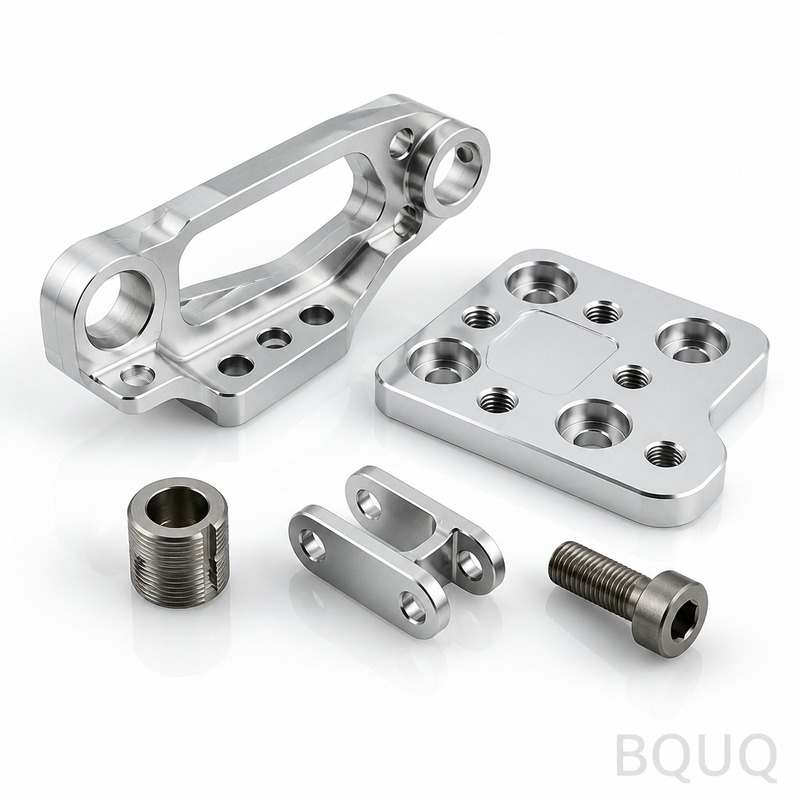
How Do You Compare CNC Machining Services for Small Batches?
Evaluate potential suppliers on four quantitative metrics: quoted tolerance, setup fee, per-unit price break, and inspection report frequency. A reliable service should quote a setup fee of $50 to $200 per operation, not a hidden "programming charge" of $500 or more. For a batch of 50 aluminum parts, the per-unit cost should drop by 20% to 30% compared to a single prototype, reflecting reduced operator intervention. Ask for a control plan that specifies CMM (coordinate measuring machine) checks at first article and every 10th piece. A service that offers statistical process control (SPC) data is preferable because it proves capability, not just compliance.
Which CNC Machining Process Suits Small Batch Aluminum Parts?
For aluminum 6061-T6, the best process is 3-axis CNC milling with high-speed machining (HSM) strategies, achieving surface speeds of 300 to 500 m/min and feed rates of 0.1 mm/tooth. This yields a surface finish of Ra 0.8 µm and tolerances of ±0.01 mm without secondary grinding. For parts requiring undercuts or complex 5-sided machining, a 5-axis machine reduces setup time by up to 70%, which is critical for small batches where setup dominates cost. Avoid wire EDM for small batches unless you need tight internal corners under 0.25 mm, as the process runs at 3 to 10 mm/min, making it slow and expensive per part.
How Much Does Small Batch CNC Machining Cost per Part?
For a typical small batch of 100 parts, expect the following price ranges based on material and complexity. These figures include standard 3-axis milling, deburring, and basic inspection, but exclude anodizing or plating.
| Material | Complexity Level | Tolerance | Price per Part (USD) | Setup Fee (USD) | Lead Time (Days) |
| Aluminum 6061-T6 | Simple (2.5D pockets) | ±0.05 mm | $12 - $18 | $75 | 5 |
| Aluminum 6061-T6 | Complex (5-axis, thin walls) | ±0.01 mm | $25 - $40 | $150 | 7 |
| Stainless Steel 304 | Simple | ±0.02 mm | $35 - $55 | $100 | 8 |
| Stainless Steel 316L | Complex (medical) | ±0.005 mm | $80 - $120 | $200 | 10 |
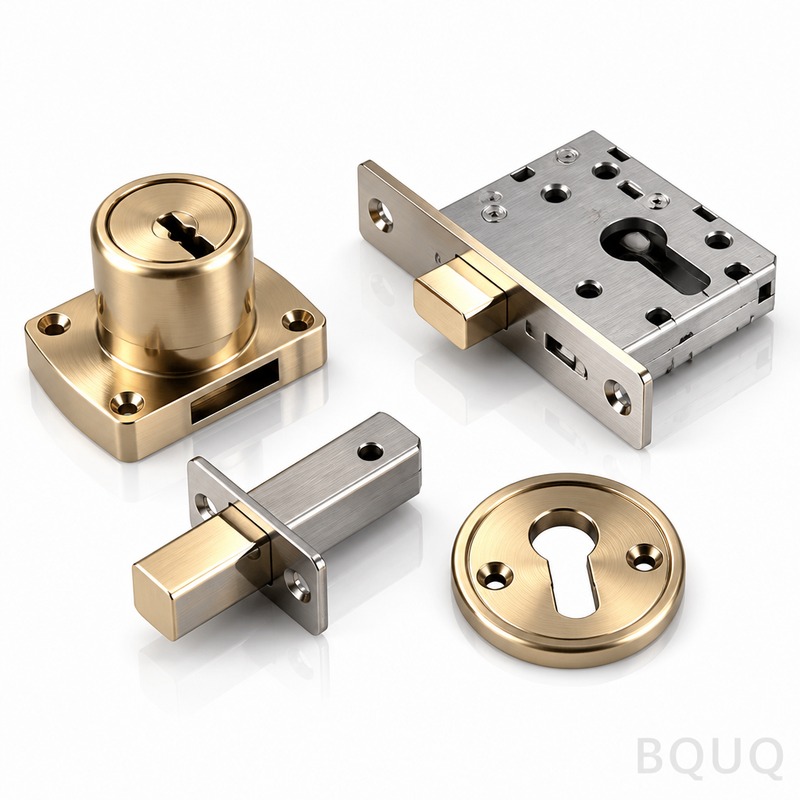
| Brass C36000 | Simple | ±0.02 mm | $20 - $30 | $80 | 5 |
| PEEK (plastic) | Simple | ±0.05 mm | $40 - $60 | $120 | 6 |
These prices assume a 100-piece run. For 25 pieces, add 40% to the per-unit price; for 500 pieces, subtract 15%.
Why Is Material Selection Critical for Small Batch Machining?
Material choice affects machinability, tool wear, and surface integrity, which directly impacts your cost per part. Aluminum 6061-T6 is the most cost-effective for small batches due to its high cutting speed (up to 500 m/min) and excellent chip formation. Stainless steel 303 has a machinability rating of 78% (relative to free-cutting brass at 100%), making it easier to machine than 304, which rates 45%. If you need corrosion resistance for medical or marine use, choose 316L despite its 35% machinability rating, as it offers superior pitting resistance. Avoid hardened tool steels (above 40 HRC) for small batches unless you use ceramic inserts, which require rigid machines and increase cycle time by 50%.
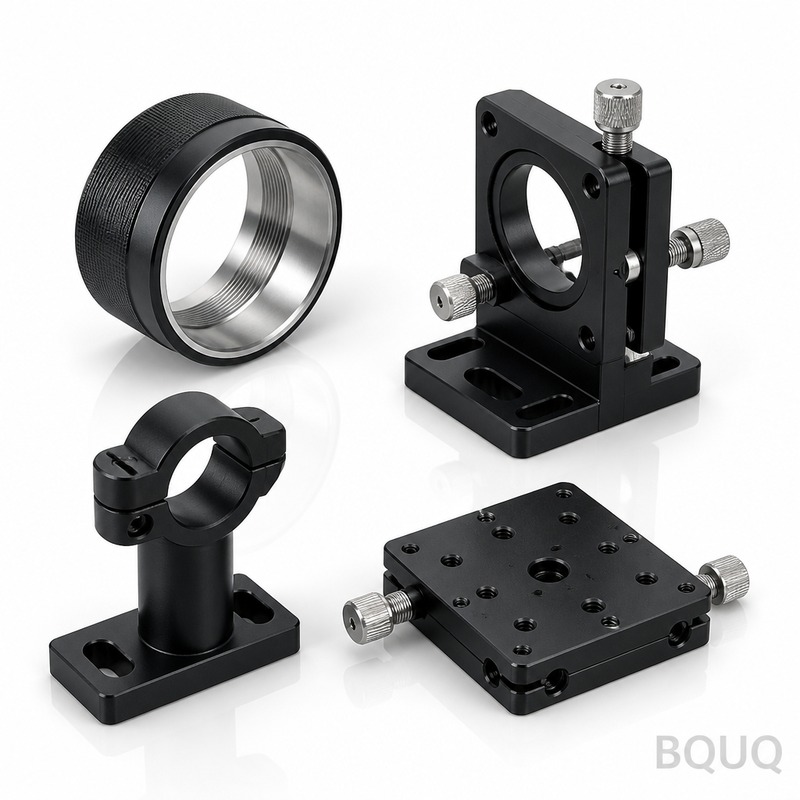
How Do You Ensure Quality in Small Batch CNC Production?
Quality assurance for small batches requires first article inspection (FAI) within 24 hours of machining, using a CMM with a resolution of 0.5 µm. The service should provide a dimensional report covering all critical features, not just a sampling. For batches over 50 pieces, request capability indices (Cpk) of at least 1.33 for critical dimensions, which indicates that 99.99% of parts fall within tolerance. Surface roughness should be verified with a profilometer, targeting Ra 0.4 µm for sealing surfaces and Ra 1.6 µm for general areas. Always require a material certificate (EN 10204 3.1) to verify alloy composition, especially for aerospace or medical applications.
When Should You Choose a Chinese CNC Service over a Local One?
Choose a Chinese CNC service like BQUQ when your batch size exceeds 20 pieces and your design is finalized, as the cost savings of 30% to 50% outweigh the 5-7 day shipping time. For urgent prototypes (1-5 pieces), a local machine shop is faster but often 2-3 times more expensive per part. For production runs of 50 to 500 units, a Chinese supplier with 20 years of experience can offer tighter tolerances (±0.005 mm) at a lower cost because of vertical integration—we produce our own fixtures and tooling in-house. Verify the supplier's export experience and ensure they provide a full customs declaration to avoid delays at the port.
What Are the Hidden Costs in Small Batch CNC Machining?
The most common hidden cost is deburring and surface finishing, which can add 10% to 20% to the base price if not specified upfront. Secondary operations like anodizing (minimum charge $50, plus $2-$5 per part) or passivation for stainless steel ($1-$3 per part) are often quoted separately. Design changes after FAI are another cost driver—each revision requires a new setup fee of $75 to $200. Ask for a complete quote that includes packaging (foam-lined boxes for $2-$5 per part) and any required export documentation. A transparent service will list these line items; a vague quote hides them.
Can Small Batch CNC Machining Achieve Tight Tolerances?
Yes, a professional CNC service can hold tolerances of ±0.005 mm on critical features using 5-axis machines with thermal compensation and in-process probing. This level of precision requires a temperature-controlled shop (20°C ± 1°C) to prevent expansion errors, which can reach 0.01 mm per 100 mm of aluminum for every 5°C change. For standard small batches, expect ±0.01 mm for aluminum and ±0.02 mm for stainless steel. If you need tolerances below ±0.005 mm, consider grinding as a follow-up operation, but factor in an additional $15-$30 per part and 3 extra lead time days.
FAQ
How Fast Is a Typical Small Batch CNC Machining Quote?
A responsive service returns a quote within 12 hours, including DFM feedback and a price breakdown. BQUQ provides this for free, with no obligation to order.
What File Formats Are Required for CNC Machining?
Send STEP (.stp) or IGES files for 3D geometry, along with a 2D PDF drawing with tolerance callouts. Avoid sending only STL files, as they lack the precision needed for machining.
Do I Need to Pay for Tooling or Fixtures?
For small batches, simple soft jaws can be made in-house at no extra cost if your geometry allows. Complex fixtures for thin-walled parts cost $100-$300, which is amortized over the batch.
Can You Machine Prototypes and Production Parts in One Order?
Yes, BQUQ can run 5 prototype pieces first, inspect them fully, and then proceed to a 100-piece production run in the same week, saving 3-5 days compared to two separate suppliers.
What Is the Best Surface Finish for CNC Machined Parts?
For functional parts, specify Ra 1.6 µm as default; use Ra 0.8 µm for sealing surfaces and Ra 0.4 µm for bearing journals. Anodizing or powder coating can improve appearance but does not change mechanical tolerance.
How Do You Handle Design Changes After Production Starts?
If a change occurs before FAI approval, it is free. After production begins, a revision requires a new setup fee of $75-$150 and may extend lead time by 2 days. We recommend freezing designs before order placement.
What Is the Minimum Order Quantity for Small Batch CNC?
There is no minimum order quantity (MOQ) for CNC machining; you can order a single part. However, the cost per part drops significantly at 20 pieces, making this the practical threshold for small batch benefits.
For your next small batch project, BQUQ offers 12-hour quoting, in-house DFM analysis, and 5-10 day production lead times from our Dongguan factory. Contact us at sc@bquq.com or WhatsApp +86 13713157787, or visit www.bquq.com to upload your CAD files and receive a detailed quote today.
Related Articles
- Custom CNC Machining Services: A Complete Guide for Engineers
- CNC Turn-Mill Composite Machining, Turn-Mill Machine Tools, One-Time Forming, B-Axis Turn-Mill Center, Multi-Process Integration, Complex Rotary Part Machining, Medical Device Precision Machining
- Analysis of the core technology of five-axis linkage machining: from motion to high-precision curved surface manufacturing