What Is the Difference Between Heat Sink and Radiator in Electronics?
A heat sink is a passive component that transfers heat from a hot device to a cooler fluid, typically air, through conduction and convection, while a radiator is a component that transfers heat between two fluids, such as coolant and air, and is often part of a liquid cooling loop. The primary difference lies in the heat transfer medium: a heat sink operates directly on air or a single fluid, whereas a radiator requires a pumped liquid loop to function effectively. In electronics, a heat sink is used for localized cooling of a single chip, while a radiator is used to dissipate the collected heat from an entire system, such as a liquid-cooled server or a high-performance GPU.
What Defines a Heat Sink in Electronics?
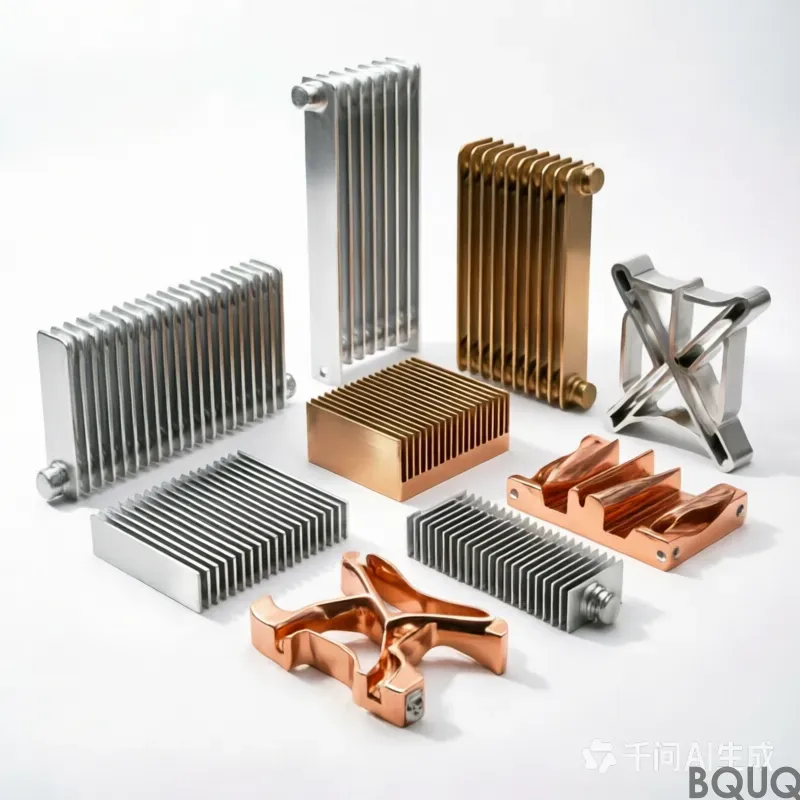
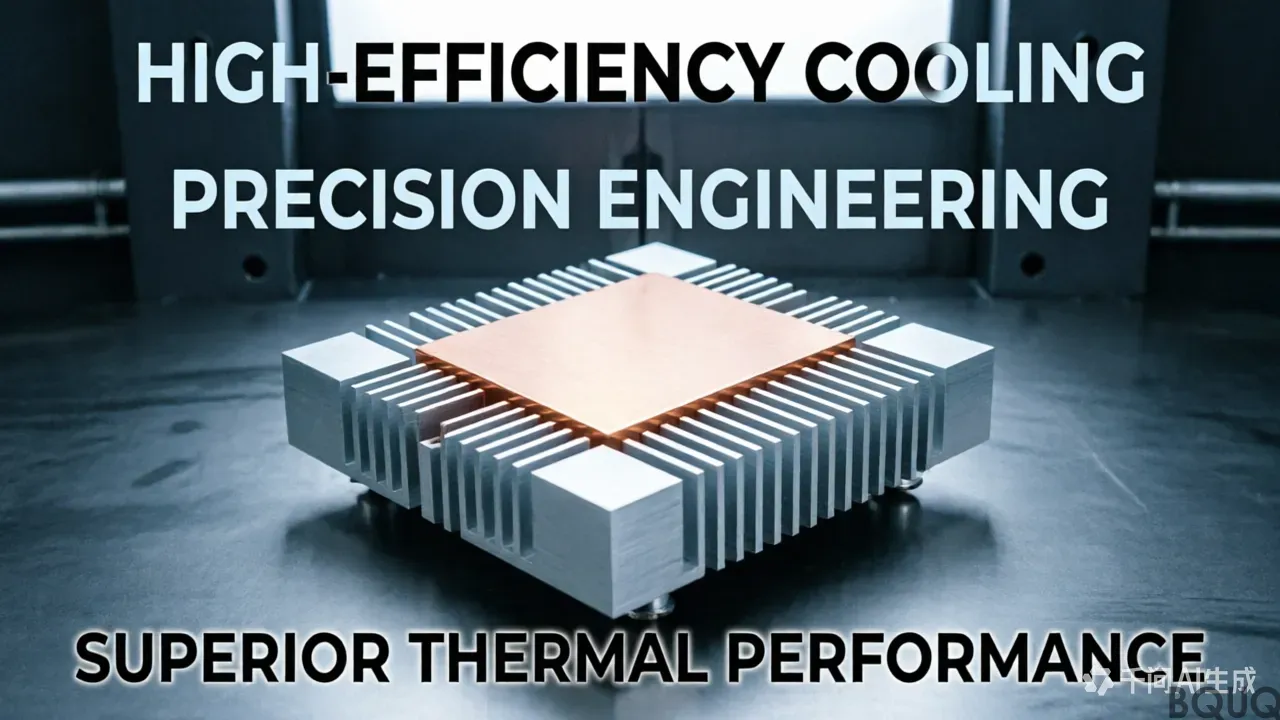
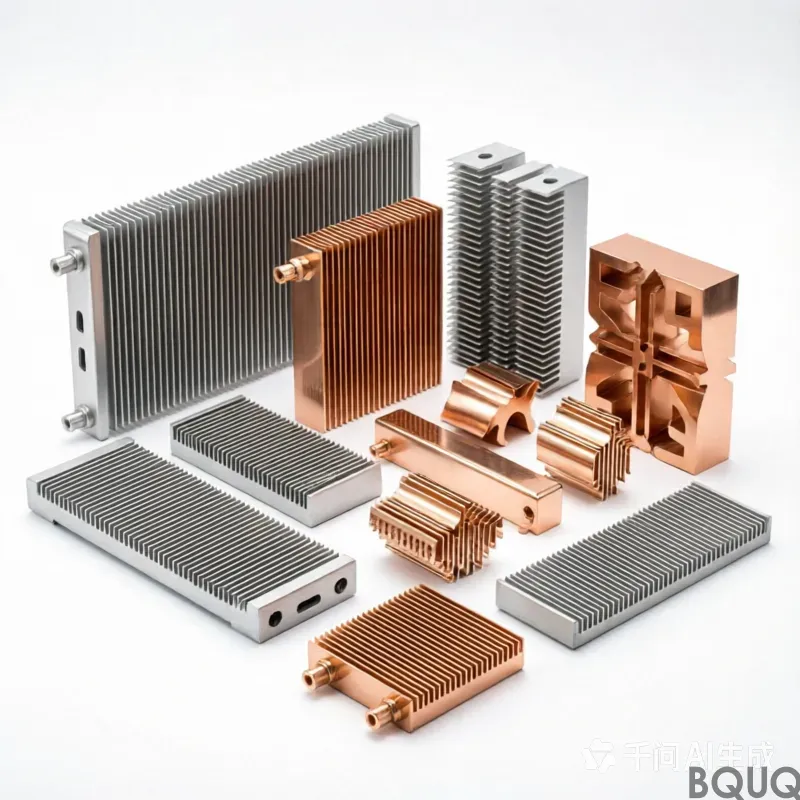
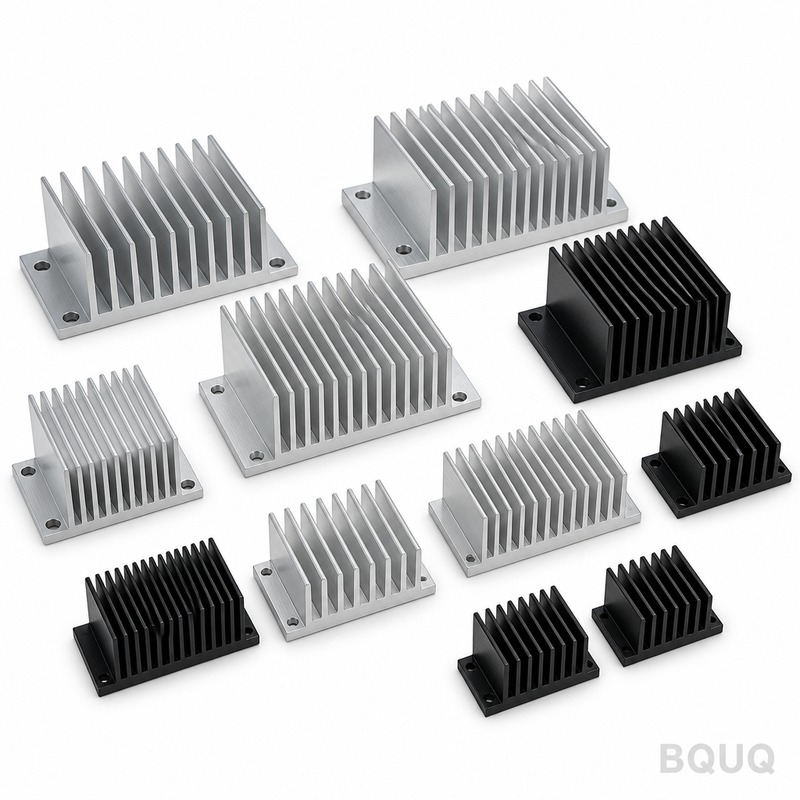
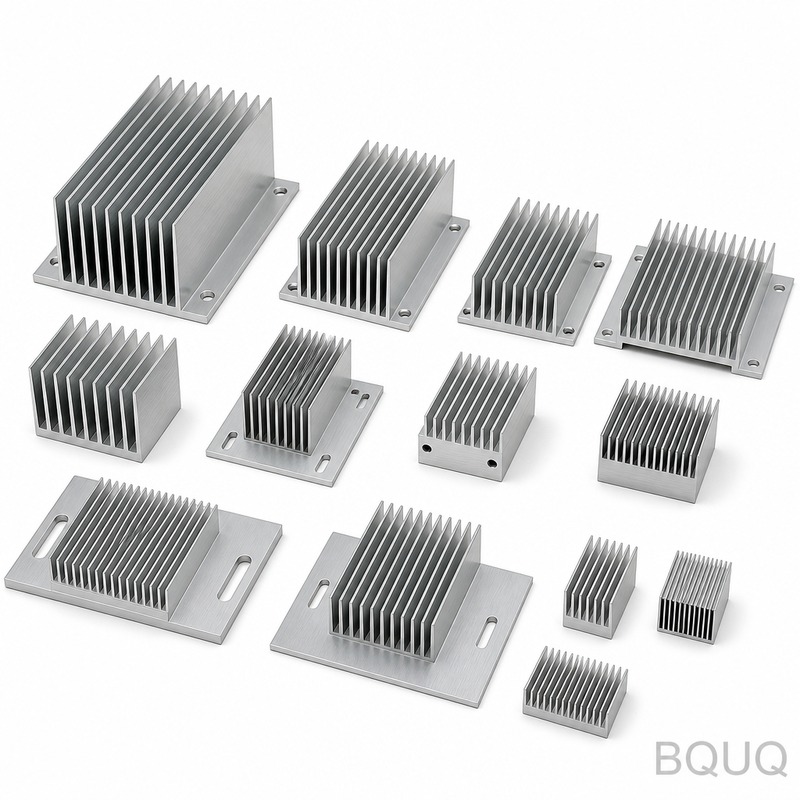
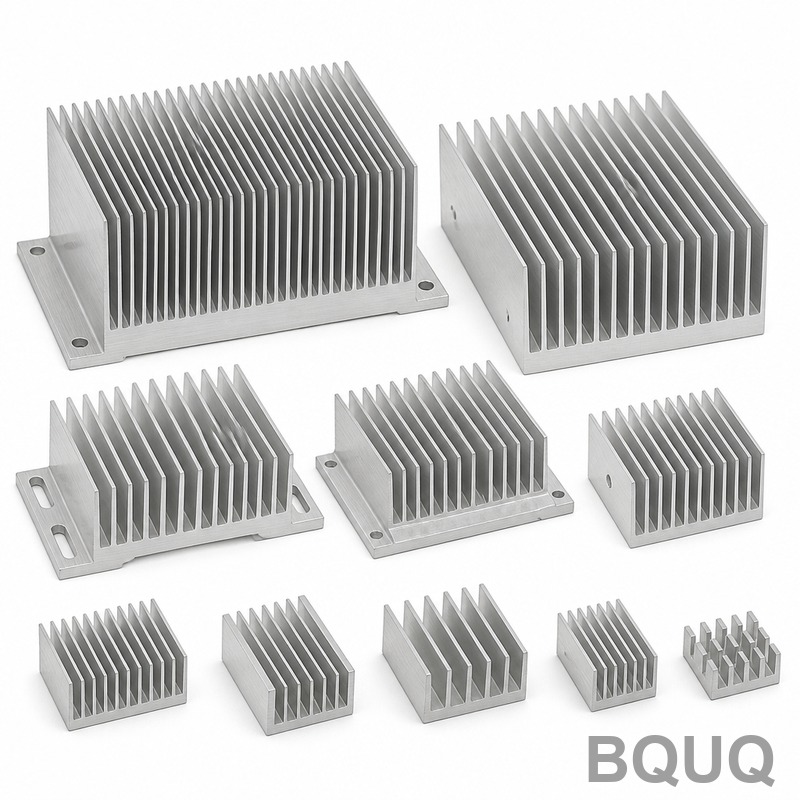
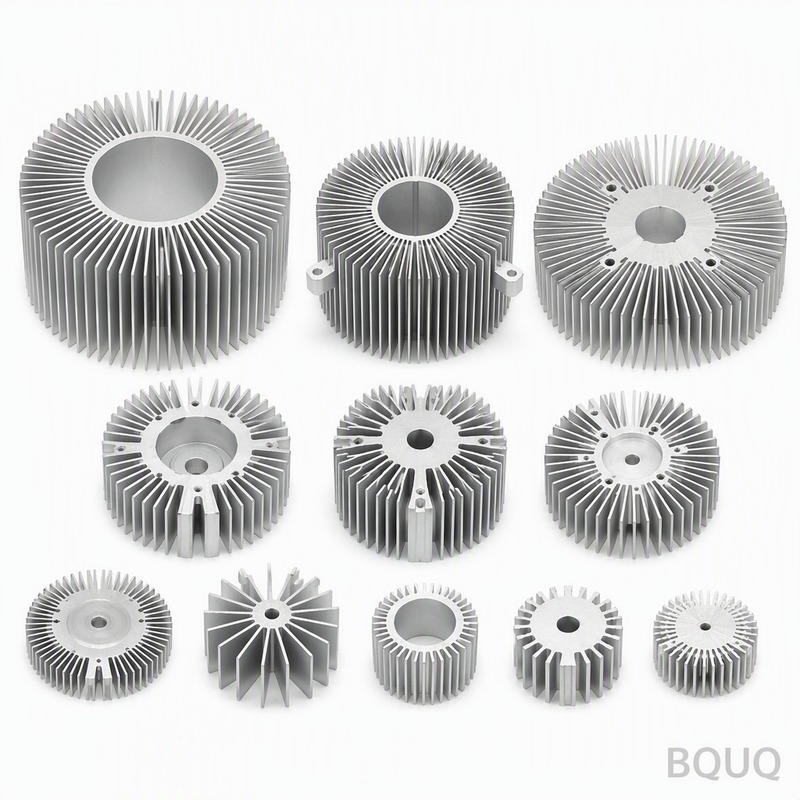
A heat sink is a passive heat exchanger that cools an electronic component by dissipating heat into the surrounding air. It is typically made of aluminum or copper and features fins that increase the surface area for convective heat transfer. The heat sink is mechanically attached to the component using thermal interface material (TIM), such as thermal paste or phase-change pads, with a typical thermal conductivity of 1 to 8 W/mK for standard silicone-based pastes and up to 80 W/mK for liquid metal compounds.
The performance of a heat sink is quantified by its thermal resistance, measured in °C/W. For example, a typical extruded aluminum heat sink for a CPU has a thermal resistance of 0.5 to 1.0 °C/W at a natural convection airflow of 0.5 m/s. Under forced convection with a fan providing 2.0 m/s airflow, the same heat sink can achieve a thermal resistance of 0.2 to 0.4 °C/W. This means a 100 W CPU would maintain a case temperature rise of 20 to 40 °C above ambient with forced airflow, which is acceptable for most silicon junction limits of 85 to 105 °C.
What Defines a Radiator in Electronics?
A radiator in electronics is a liquid-to-air heat exchanger that dissipates heat from a coolant fluid to the ambient air. It is an essential component of a liquid cooling system, where a pump circulates coolant through a cold plate attached to the heat source, then through the radiator where heat is rejected. The radiator consists of a core with multiple channels for fluid flow and a dense array of fins for air-side heat transfer, typically made from copper or aluminum.
Radiators are rated by their heat dissipation capacity, often expressed in watts per 120 mm fan slot. A standard 240 mm radiator (two 120 mm fans) can dissipate 200 to 300 W of heat at a 10 °C temperature difference between the coolant and ambient air, with an airflow of 60 CFM per fan. A thicker 45 mm radiator can handle 300 to 400 W, but requires higher static pressure fans to overcome the increased air-side resistance. The coolant flow rate is typically 1.0 to 1.5 liters per minute, and the pressure drop across the radiator is usually 0.5 to 1.5 psi at this flow rate.
How Do Heat Sink and Radiator Transfer Heat Differently?
The fundamental difference is the heat transfer mechanism and the number of fluid media involved. A heat sink uses solid conduction from the component to the fins and then natural or forced convection directly to air. The heat transfer coefficient for air in natural convection is 5 to 25 W/m²K, while forced convection with a fan raises it to 25 to 250 W/m²K. Because air has a low thermal conductivity of 0.026 W/mK, heat sinks must have large surface areas and tight fin spacing, typically 1.5 to 3.0 mm, to be effective.
A radiator, in contrast, uses liquid cooling to first transfer heat from the component to a coolant via a cold plate. The coolant, usually a mixture of water and ethylene glycol, has a thermal conductivity of 0.4 to 0.6 W/mK, which is 15 to 20 times higher than air. This allows heat to be moved efficiently over distances of 0.5 to 1.0 meter from the heat source to the radiator. In the radiator, the heat is then transferred from the liquid to the air via the fin core. The liquid-side heat transfer coefficient is 1,000 to 5,000 W/m²K, but the air-side coefficient remains the bottleneck, so the radiator fin density is optimized for air-side performance, usually 10 to 20 fins per inch.
Which Application Should Use a Heat Sink Instead of a Radiator?
A heat sink is the correct choice for applications with a single heat source, low total power dissipation, and space constraints. Examples include microprocessors in laptops, power MOSFETs in voltage regulators, and LED arrays. For a single 65 W CPU in a desktop PC, a heat sink with a thermal resistance of 0.3 °C/W is sufficient to maintain a 50 °C case temperature at 35 °C ambient. The cost of such a heat sink is 2 to 8 USD in production volumes of 10,000 units, with a lead time of 2 to 3 weeks for die-cast or extruded aluminum.
A radiator is necessary when the total system heat exceeds 300 W, when multiple components need cooling, or when the heat source is located far from the final dissipation point. For example, in a 4-GPU mining rig dissipating 1,200 W, a 360 mm radiator with three 120 mm fans can reject 450 to 600 W of heat, meaning two such radiators are required. The cost of a 360 mm radiator is 40 to 80 USD, and the complete loop including pump, tubing, and cold plates adds 150 to 300 USD. A radiator is also preferred in sealed enclosures where internal air circulation is poor, because the fluid loop can transfer heat to an external radiator mounted on the enclosure wall.
Why Is a Heat Sink Not Sufficient for High-Power Electronics?
The limitation of a heat sink is the low heat capacity and thermal conductivity of air. In natural convection, a heat sink can dissipate only 0.5 to 1.0 W/cm² of base area. For a 300 W server CPU with a base area of 30 cm², this means a natural convection heat sink would require a base area of 300 to 600 cm², which is physically impossible. Even with forced convection at 3.0 m/s airflow, the heat flux limit is only 2.0 to 4.0 W/cm², still insufficient for this application.
The thermal resistance of a heat sink also increases with heat load due to the temperature rise of the air as it passes through the fins. For a 100 mm long heat sink, the air temperature rise at 100 W is 5 to 10 °C, which reduces the effective temperature difference between the fin base and the air. In contrast, a radiator with a liquid loop maintains a nearly constant coolant temperature across the entire loop, because the liquid carries the heat away at a high flow rate. The coolant temperature rise across a 300 W load at 1.0 L/min flow is only 4.3 °C, allowing the radiator to operate at a lower temperature difference and thus higher efficiency.
What Are the Cost and Performance Trade-offs Between Heat Sinks and Radiators?
The table below compares the typical specifications and costs for a heat sink and a radiator in a 200 W electronic cooling application.
| Parameter | Heat Sink (Forced Convection) | Radiator (Liquid Cooling Loop) |
| Thermal resistance (°C/W) | 0.3 to 0.5 | 0.05 to 0.10 (total loop) |
| Maximum heat dissipation (W) | 150 to 250 | 300 to 600 |
| Airflow required (CFM) | 50 to 80 | 60 to 120 (per 120 mm fan) |
| Base temperature at 200 W (°C above ambient) | 60 to 100 | 10 to 20 |
| Weight (grams) | 300 to 600 | 500 to 900 (radiator only) |
| System volume (cm³) | 300 to 500 | 1,000 to 2,000 (with pump and reservoir) |
| Component cost (USD) | 5 to 15 | 40 to 80 (radiator) plus 100 to 250 (pump, cold plate, fittings) |
| Failure risk | Low (no moving parts) | Medium (pump failure, leakage) |
| Maintenance interval | None | 1 to 2 years (coolant replacement) |
The data shows that a radiator provides a significantly lower thermal resistance and higher heat dissipation capacity but at a much higher system cost and complexity. For a 200 W load, a heat sink is feasible if the junction temperature limit is above 85 °C and the ambient is below 40 °C. If the junction limit is 70 °C or the ambient is 50 °C, a radiator is mandatory.
How Should an Engineer Select Between a Heat Sink and a Radiator?
The selection process begins with calculating the total heat load and the maximum allowable junction temperature. For a single component with a heat load below 150 W and a junction-to-ambient thermal resistance budget of 0.5 °C/W or higher, use a heat sink. For a system with multiple components totaling over 300 W, or a single component with a thermal resistance budget below 0.2 °C/W, use a radiator-based liquid cooling system.
Next, evaluate the environmental conditions. If the ambient air temperature is above 45 °C, a heat sink will require a derating factor of 10 to 15% per 10 °C rise, while a radiator can operate with a similar derating but can be oversized to compensate. If the product is in a dusty or corrosive environment, a heat sink with a wide fin pitch of 3.0 mm or more is preferred to avoid clogging, whereas a radiator with 10 to 16 fins per inch will require filters. Finally, consider the total cost of ownership. For a production volume above 5,000 units per year, a heat sink solution is 3 to 5 times cheaper than a radiator solution, but for high-performance computing or telecom equipment with 24/7 operation, the energy savings from lower fan speeds on a radiator can offset the initial cost within 2 to 3 years.
Can a Hybrid Solution Combine Heat Sink and Radiator Benefits?
Yes, a hybrid solution uses a heat sink for direct component cooling and a radiator as part of a thermosiphon or vapor chamber loop. In a thermosiphon, a sealed heat sink contains a working fluid that evaporates at the hot surface and condenses in the fin section, providing heat transfer without a pump. This can achieve a thermal resistance of 0.1 to 0.2 °C/W for a 200 W load, which is between a standard heat sink and a pumped radiator.
Another hybrid is the remote heat sink configuration, where a heat pipe connects the component to a fin stack located away from the heat source. Heat pipes have an effective thermal conductivity of 5,000 to 10,000 W/mK and can transfer 50 to 200 W over a distance of 100 to 300 mm. This allows the fin stack to be placed in a higher airflow region or outside the enclosure, combining the low cost of a heat sink with the placement flexibility of a radiator. For a 300 W server, a remote heat sink with four heat pipes and a fin stack of 120 mm by 120 mm by 40 mm can maintain a case temperature of 60 °C at 35 °C ambient, with a total cost of 25 to 40 USD, making it a practical middle ground.
FAQ
How Do I Measure the Thermal Resistance of My Heat Sink or Radiator?
Measure the temperature difference between the heat source base and the ambient air, then divide by the power dissipated. For a heat sink, use a thermocouple at the base center and measure ambient temperature 100 mm away, at a defined airflow. For a radiator, measure the coolant inlet and outlet temperatures and the air inlet temperature, then divide the average temperature difference by the heat load.
What Is the Maximum Temperature a Heat Sink Can Handle?
Aluminum heat sinks can operate up to 400 °C, but the limiting factor is the electronic component junction temperature, typically 85 to 125 °C for silicon. Copper heat sinks can handle the same junction limits but offer 40% lower thermal resistance at the same volume. For high-temperature environments above 150 °C, use ceramic or graphite-based heat sinks, though these are 2 to 3 times more expensive.
Can I Use a Radiator Without a Pump in Electronics?
No, a radiator without a pump is ineffective because the coolant will not circulate, and heat transfer will be limited to natural convection within the liquid, which has a thermal resistance of 1.0 to 2.0 °C/W. A thermosiphon radiator can work without a pump if the heat source is below the radiator, allowing gravity-driven convection, but the performance is only 30 to 50% of a pumped system.
What Is the Typical Lifespan of a Heat Sink Compared to a Radiator?
A passive heat sink has an indefinite lifespan with no moving parts, limited only by corrosion of aluminum at a rate of 0.1 to 0.5 µm per year in a dry indoor environment. A radiator system has a lifespan of 3 to 5 years for the pump, with a mean time between failure of 50,000 hours, and the coolant should be replaced every 1 to 2 years to prevent biological growth and corrosion.
How Much Does It Cost to Manufacture a Custom Heat Sink at BQUQ?
At BQUQ, a custom extruded aluminum heat sink with a simple profile costs 3 to 8 USD per unit at a quantity of 1,000 pieces, with a tooling cost of 500 to 1,500 USD for the extrusion die. A CNC-machined copper heat sink costs 15 to 40 USD per unit at the same quantity, with a lead time of 5 to 7 days for prototyping and 2 to 3 weeks for production. For a custom radiator, the cost is 50 to 150 USD per unit due to the brazing and assembly processes.
Which Material Is Better for a Heat Sink: Aluminum or Copper?
Aluminum is better for cost and weight, with a thermal conductivity of 205 W/mK and a density of 2.7 g/cm³, making it suitable for most applications. Copper offers 385 W/mK conductivity but weighs 8.9 g/cm³ and costs 3 to 4 times more, so it is used only when the thermal resistance budget is below 0.2 °C/W or when space is extremely limited.
When Should I Add a Fan to My Heat Sink?
Add a fan when the heat load exceeds 30 W for a natural convection heat sink with a base area of 100 cm². A fan providing 2.0 m/s airflow reduces thermal resistance by 40 to 60%, allowing the heat sink to handle up to 100 W. Always use a fan with a ball bearing for an expected lifespan of 50,000 hours, and consider a PWM-controlled fan to reduce noise at low loads.
Conclusion
The choice between a heat sink and a radiator in electronics is determined by the heat load, thermal resistance budget, and system cost constraints. A heat sink is a simple, low-cost passive solution for loads up to 200 W, while a radiator with a liquid loop is required for loads above 300 W or when junction temperatures must stay below 70 °C. At BQUQ, we have 20 years of experience manufacturing both precision heat sinks and custom radiator assemblies for the electronics industry. For an engineering review of your thermal design, send us your CAD files and thermal requirements, and we will provide a comprehensive cooling solution within 12 hours. Contact our engineering team at sc@bquq.com or WhatsApp at +86 13713157787, or visit www.bquq.com for immediate assistance.
Related Articles
- Thermal Management for High Brightness LEDs with Heat Sinks
- Best Copper Heat Sinks for CPU Overclocking in 2025
- New energy vehicle IGBT heat dissipation, heat sink reliability engineering, heat pipe and temperature plate integrated heat sink, surface treatment and heat radiation enhancement: anodic oxidation, black coating and micro-nano structure, graphene/3D printing/intelligent thermal management: 2030 heat sink technology roadmap