What Is the Global Spring Market Size and Growth Rate in 2026?
The global spring market is projected to reach approximately USD 42.8 billion by 2026, growing at a compound annual growth rate (CAGR) of 4.7% from 2024 to 2026. This growth is driven primarily by automotive electrification, industrial automation, and the expansion of renewable energy infrastructure, with the Asia-Pacific region contributing over 55% of global production volume. For precision manufacturers and procurement engineers, understanding these segment-specific growth rates is critical for capacity planning and supply chain hedging.
What Are the Primary Market Segments Driving Spring Demand in 2026?
The spring market is segmented by product type, material, and end-use industry, each with distinctly different growth trajectories. Coil springs remain the largest segment, accounting for 58% of total market value, followed by leaf springs at 22%, and torsion springs at 12%. By material, high-carbon steel wire still dominates with 64% market share, but stainless steel and titanium alloys are growing at 6.9% and 8.2% CAGR respectively due to corrosion resistance requirements in medical and marine applications. The automotive sector consumes 46% of all springs produced globally, but the fastest-growing end-use segment is industrial machinery at 6.3% CAGR, driven by robotics and packaging equipment demand.
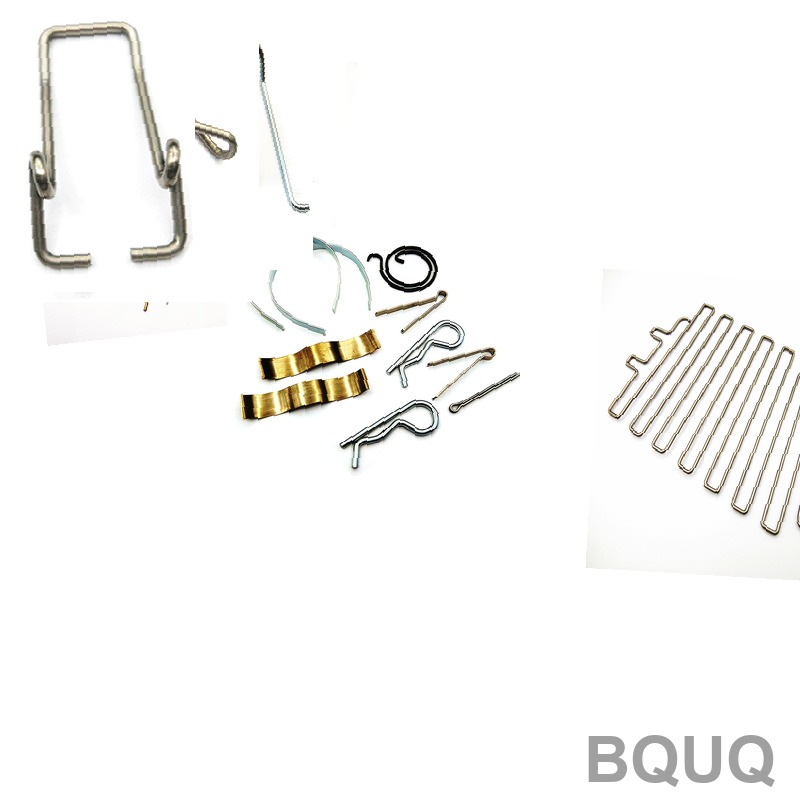
How Fast Is the Automotive Spring Segment Growing Compared to Other Industries?
Automotive spring demand is growing at a moderate 3.8% CAGR through 2026, significantly slower than the overall market average of 4.7%. This deceleration is directly linked to electric vehicle (EV) adoption, where each EV uses approximately 200 fewer conventional springs than an internal combustion engine vehicle, primarily due to the absence of valve springs and clutch mechanisms. However, this loss is partially offset by new suspension spring designs for battery protection systems, which require higher-strength materials with tensile strengths above 1800 MPa. The aerospace segment is growing at 5.9% CAGR with average selling prices of USD 4.20 per unit for precision springs, compared to USD 0.35 for standard automotive springs.
Which Geographic Regions Offer the Highest Growth Potential for Spring Manufacturers?
Asia-Pacific leads global spring production with 55% of total output, and this region will also deliver the highest growth at 5.8% CAGR through 2026. China alone produces over 1.2 million metric tons of springs annually, with Guangdong province contributing 23% of national output, making it the ideal sourcing location for cost-competitive precision springs. North America is experiencing a resurgence at 4.1% CAGR due to reshoring initiatives and the CHIPS Act driving semiconductor equipment fabrication, which requires ultra-precision springs with tolerances of +/-0.01 mm. Europe remains stable at 3.2% CAGR, with Germany and Italy focusing on high-value specialty springs for medical devices and aerospace actuators.
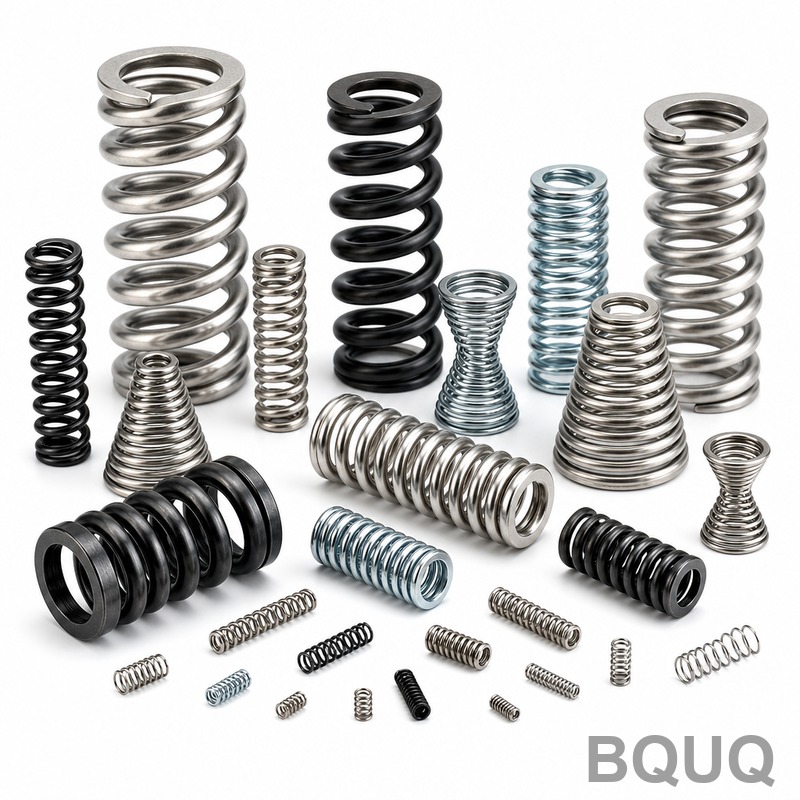
What Are the Key Material Trends Affecting Spring Prices and Performance?
Material costs represent 55-65% of total spring manufacturing cost, making raw material prices the primary volatility driver. High-carbon spring steel (SAE 9254) prices have stabilized at USD 780 per metric ton in 2025, but stainless steel grades (302 and 316) are trading at a 22% premium due to nickel supply constraints. The most significant performance trend is the shift toward oil-tempered chrome-silicon steel (SAE 9254V), which offers fatigue life exceeding 10 million cycles at stress levels of 900 MPa, compared to 5 million cycles for standard hard-drawn wire. For high-temperature applications above 200°C, Inconel X-750 springs are gaining adoption despite costing USD 38 per kilogram, because they maintain 90% of room-temperature strength at 540°C.
How Much Does Precision Spring Tooling Cost and What Are the Lead Times?
Tooling costs for custom springs vary dramatically based on wire diameter and production volume. For wire diameters below 1.0 mm, tooling costs range from USD 1,800 to USD 4,500 with lead times of 2-3 weeks, suitable for medical and electronics applications. Coiling machines for wire diameters between 1.0 mm and 8.0 mm require tooling investments of USD 6,000 to USD 15,000 with 4-6 week lead times, typical for automotive suspension components. For heavy industrial springs above 8.0 mm wire diameter, tooling costs escalate to USD 20,000 to USD 55,000 with 8-12 week lead times. CNC spring coiling machines capable of producing complex geometries with cam-controlled pitch and diameter adjustments command a premium of 30-40% over conventional mechanical machines.
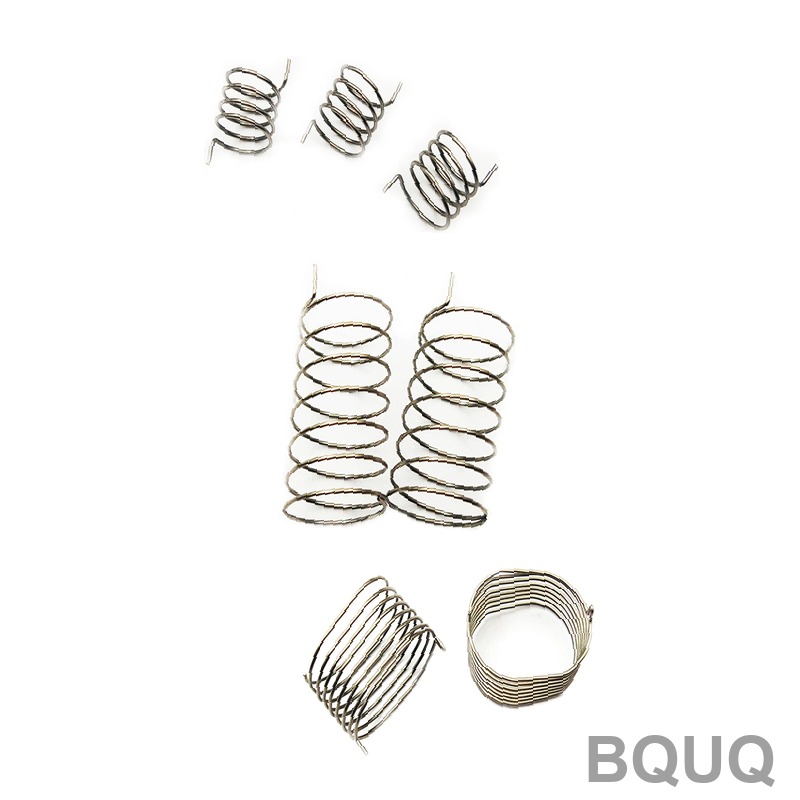
What Tolerance Levels Can Modern Spring Manufacturing Achieve Consistently?
Precision spring tolerances have improved significantly with CNC-controlled coiling and grinding technology. For wire diameters under 2.0 mm, free length tolerances of +/-0.05 mm are achievable with Cpk values above 1.67, while outer diameter tolerances can hold +/-0.03 mm. For larger springs above 5.0 mm wire diameter, standard tolerances are +/-0.25 mm on free length and +/-0.15 mm on outer diameter, with tighter control requiring secondary grinding operations. Load tolerance at a specified deflection is the most critical specification for engineering applications, and modern manufacturers can consistently achieve +/-3% of nominal load value with statistical process control. Surface finish requirements of Ra 0.8 micrometers or better are achievable through shot peening and stress-relieving operations that also increase fatigue strength by 20-30%.
How Does Spring Pricing Scale with Order Quantity and Complexity?
Spring unit pricing follows a power-law curve where doubling order quantity typically reduces unit price by 15-20%. For standard compression springs with 2.0 mm wire diameter and 50 mm free length, pricing at 1,000 pieces is USD 1.20 per unit, dropping to USD 0.45 per unit at 50,000 pieces. Complexity factors such as reduced end coils, grinding, shot peening, and plating add 25-60% to base pricing depending on the combination. The table below provides representative 2026 pricing for common spring specifications at medium volume (10,000 pieces):
| Spring Type | Wire Diameter | Material | Unit Price USD | Tolerance Grade | Typical Application |
| Compression | 0.8 mm | 302 Stainless | 0.28 | +/-0.05 mm | Medical device |
| Compression | 2.5 mm | SAE 9254 | 0.85 | +/-0.15 mm | Automotive suspension |
| Extension | 1.2 mm | Music wire | 0.42 | +/-0.08 mm | Industrial machinery |
| Torsion | 1.6 mm | Chrome silicon | 0.65 | +/-0.10 mm | Door mechanisms |
| Conical | 3.0 mm | Oil-tempered | 1.45 | +/-0.20 mm | Vibration isolation |
| Precision | 0.3 mm | MP35N alloy | 3.80 | +/-0.01 mm | Aerospace actuator |
Why Is Vertical Integration Critical for Cost-Effective Spring Procurement?
Vertical integration reduces spring costs by 18-25% through elimination of intermediate logistics, quality inspection redundancies, and raw material markup. A manufacturer with in-house wire drawing capability can control mechanical properties precisely, achieving tensile strength consistency of +/-15 MPa compared to +/-40 MPa for purchased wire. Additionally, integrated heat treatment facilities enable optimized stress-relief cycles that reduce scrap rates from 3.5% to under 1.0%, directly improving yield and lowering per-unit costs. For buyers, working with a vertically integrated supplier also shortens lead times by 3-5 weeks because there are no external processing bottlenecks between coiling and finishing operations.
What Quality Certifications and Testing Standards Are Required for Global Spring Supply?
International spring manufacturers must comply with ISO 9001:2015 for quality management, ISO 14001 for environmental management, and IATF 16949 for automotive applications. Material certification per ASTM A227, A228, and A229 is mandatory for North American shipments, while European buyers require EN 10270-1 through EN 10270-3 compliance. Mandatory testing includes fatigue testing to 10 million cycles for safety-critical applications, magnetic particle inspection for surface defects, and load testing at 100% of production for medical and aerospace components. Salt spray testing per ASTM B117 for corrosion resistance is required for springs with protective coatings, typically demanding 96 hours minimum without red rust formation.
Can Custom Spring Designs Be Prototyped Quickly and Cost-Effectively?
Yes, rapid prototyping of custom springs is now achievable within 5-7 business days using CNC servo-controlled coiling machines and additive manufacturing for complex geometries. Prototype costs typically range from USD 150 to USD 800 per design depending on complexity, with no tooling required for wire diameters under 4.0 mm when using CNC machines. For validation, manufacturers can provide stiffness testing data within 48 hours of prototype completion, confirming load at deflection and spring rate against your specifications. This rapid iteration capability allows design engineers to test multiple material and geometry combinations before committing to production tooling, reducing overall development time by 3-4 weeks.
What Are the Most Common Spring Failure Modes and How Can They Be Prevented?
The most common spring failure modes are fatigue fracture, stress relaxation, and corrosion pitting, with fatigue accounting for 78% of all field failures. Fatigue fractures typically initiate at surface defects such as micro-cracks from wire drawing or die marks from coiling, which is why shot peening is critical for improving surface compressive stress by 400-800 MPa. Stress relaxation occurs when springs are subjected to sustained loads above 50% of maximum stress at elevated temperatures, causing permanent set and load loss over time. Corrosion failures are most common in coastal and chemical environments, requiring zinc plating (8-12 micrometers) or epoxy coating (25-40 micrometers) depending on severity of exposure.
Conclusion
The global spring market in 2026 presents a complex but favorable landscape for manufacturers and buyers who understand segment-specific dynamics. Automotive electrification will suppress conventional demand, but industrial automation, aerospace, and medical devices offer premium growth opportunities with higher margins and stricter tolerances. For procurement engineers, the key strategic advantage lies in partnering with vertically integrated suppliers in Asia-Pacific who can deliver precision springs at 30-40% lower cost than Western counterparts while maintaining ISO-certified quality systems.
FAQ
What Is the Minimum Order Quantity for Custom Springs?
Most precision spring manufacturers require a minimum order of 500 pieces for custom designs, though some CNC-based producers accept 100-piece orders at a 35-50% unit price premium. Prototype orders of 10-20 pieces are commonly available for design validation before production commitment.
How Long Does a Typical Spring Production Run Take?
Standard production lead time is 15-25 business days for orders under 100,000 pieces, including material procurement and heat treatment. Larger orders of 500,000 pieces or more typically require 30-40 days due to extended heat treatment and finishing operations.
Can Springs Be Manufactured to Operate at Cryogenic Temperatures?
Yes, austenitic stainless steel springs (302, 316, and 17-7PH) maintain ductility down to -196°C and are commonly used in LNG and aerospace cryogenic applications. Beryllium copper springs are also suitable for cryogenic service but cost 4-6 times more than stainless steel equivalents.
What Is the Maximum Spring Operating Temperature for Standard Materials?
Hard-drawn carbon steel springs are limited to 120°C, oil-tempered chrome-silicon to 230°C, and stainless steel 302 to 290°C. For temperatures above 300°C, nickel-based alloys such as Inconel X-750 or Nimonic 90 are required for sustained operation.
How Do I Specify Spring Load Tolerance Correctly?
Load tolerance should be specified as a percentage of nominal load at a given deflection, with +/-5% being standard commercial practice and +/-2% achievable at additional cost. For critical applications, specify the spring rate tolerance and free length separately to ensure proper matching with mating components.
Are There Environmental Regulations Affecting Spring Coatings?
Yes, hexavalent chromium plating is restricted under RoHS and REACH regulations, requiring trivalent chromium or zinc-nickel alternatives for European and North American shipments. New PFOA-free fluoropolymer coatings are increasingly specified for applications requiring low friction and high corrosion resistance.
What Is the Typical Lifespan of a Properly Designed Compression Spring?
A properly designed compression spring operating below 40% of its maximum stress should achieve infinite life exceeding 10 million cycles. Springs operating at higher stress levels will have finite fatigue life, which should be specified using S-N curves from material suppliers for accurate prediction.
For engineering consultation, pricing, and 12-hour quotation on custom springs, contact BQUQ directly. With 20 years of precision manufacturing experience in CNC machining, metal stamping, springs, and heat sinks, our Dongguan factory delivers ISO-certified quality at competitive prices. Email us at sc@bquq.com or reach us on WhatsApp at +86 13713157787. Visit www.bquq.com to request a quote or download our spring design guide.