What Materials Can Be Used in Metal Stamping? Steel, Aluminum, Copper Guide
**Direct Answer**
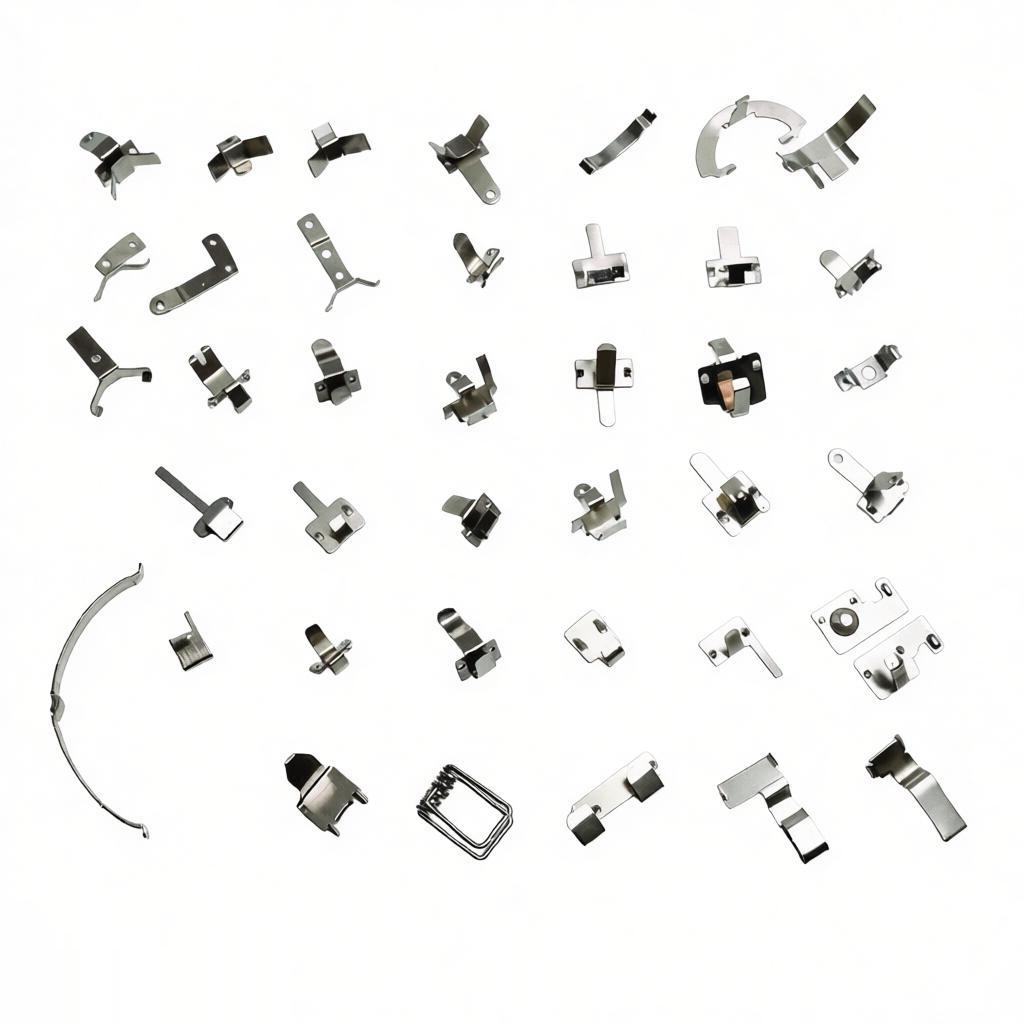
Metal stamping can process a wide range of ductile metals, but the most common and commercially viable materials are carbon steel, stainless steel, aluminum alloys, copper and its alloys (brass, bronze), and specialty metals like titanium and Inconel. For 90% of industrial applications, you will choose between low-carbon steel (DC01, SPCC), 5052 or 6061 aluminum, and C11000 or C26000 copper, depending on required strength, conductivity, and corrosion resistance.
---
H2: The Core Material Families for Metal Stamping
At BQUQ’s facility in Dongguan, we run 45-ton to 400-ton stamping presses daily. Based on 20 years of production data, the material selection breakdown across our customer base is approximately: 55% steel, 25% aluminum, 12% copper alloys, and 8% specialty metals. Each family offers a distinct trade-off between formability, cost, and end-use performance.
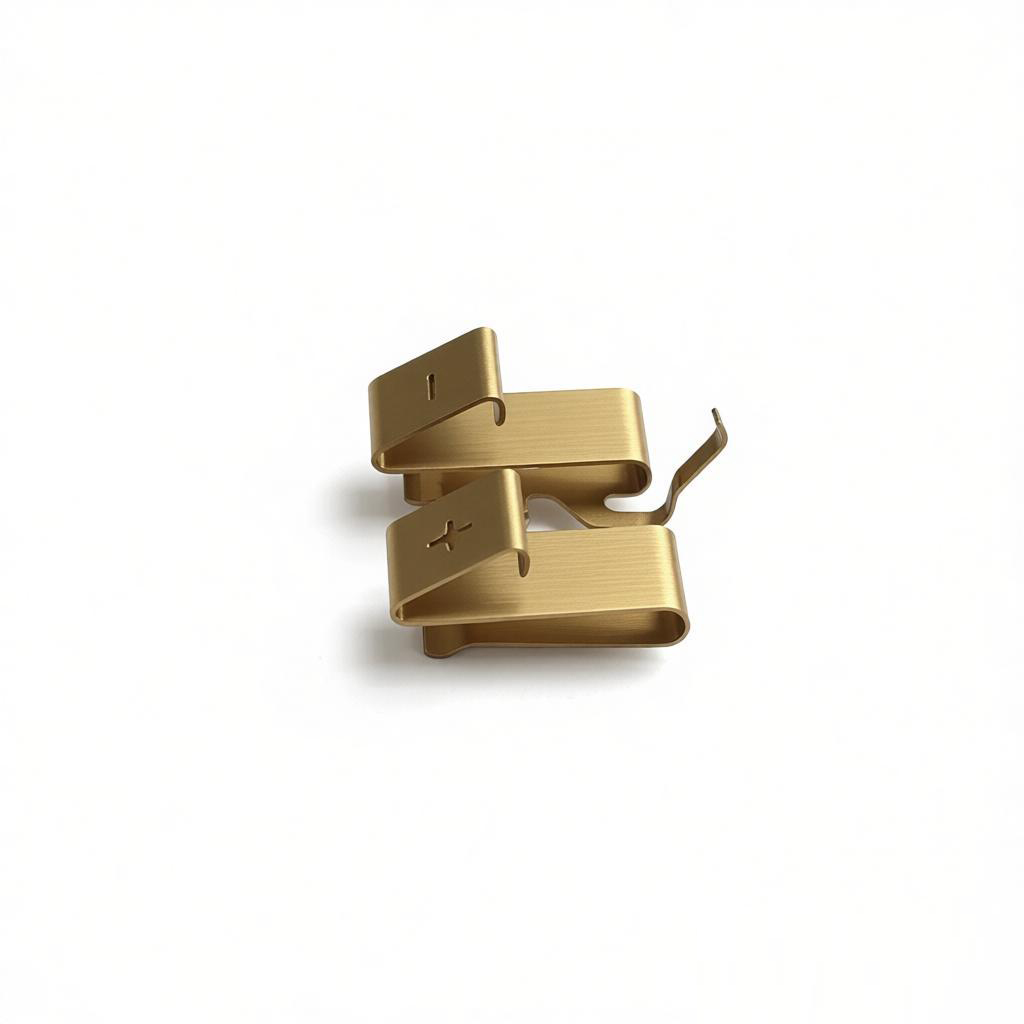
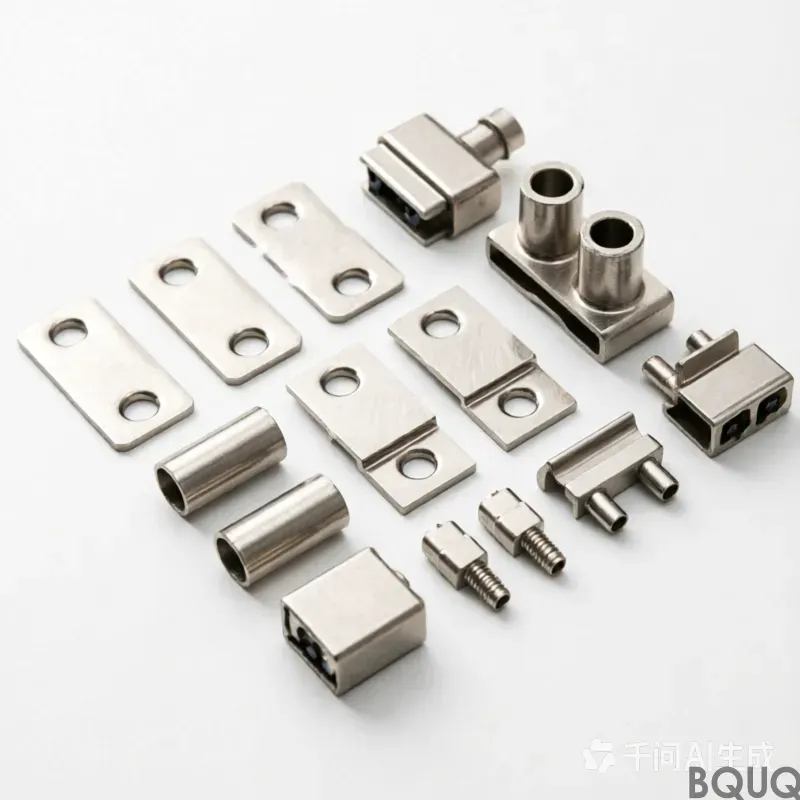
**Steel (Carbon and Alloy)** – The backbone of the industry. Low-carbon steel (SPCC, DC01, 1008) offers excellent elongation (30-40%) and is ideal for brackets, enclosures, and automotive components. High-strength low-alloy (HSLA) steels like S550MC provide yield strengths up to 550 MPa but require more tonnage and tighter die clearances.
**Stainless Steel** – Grades 304 and 316 dominate. They work-harden rapidly, so we limit drawing ratios to 1.6:1 (versus 2.0:1 for carbon steel). Stainless is used for medical devices, food equipment, and corrosion-resistant housings.
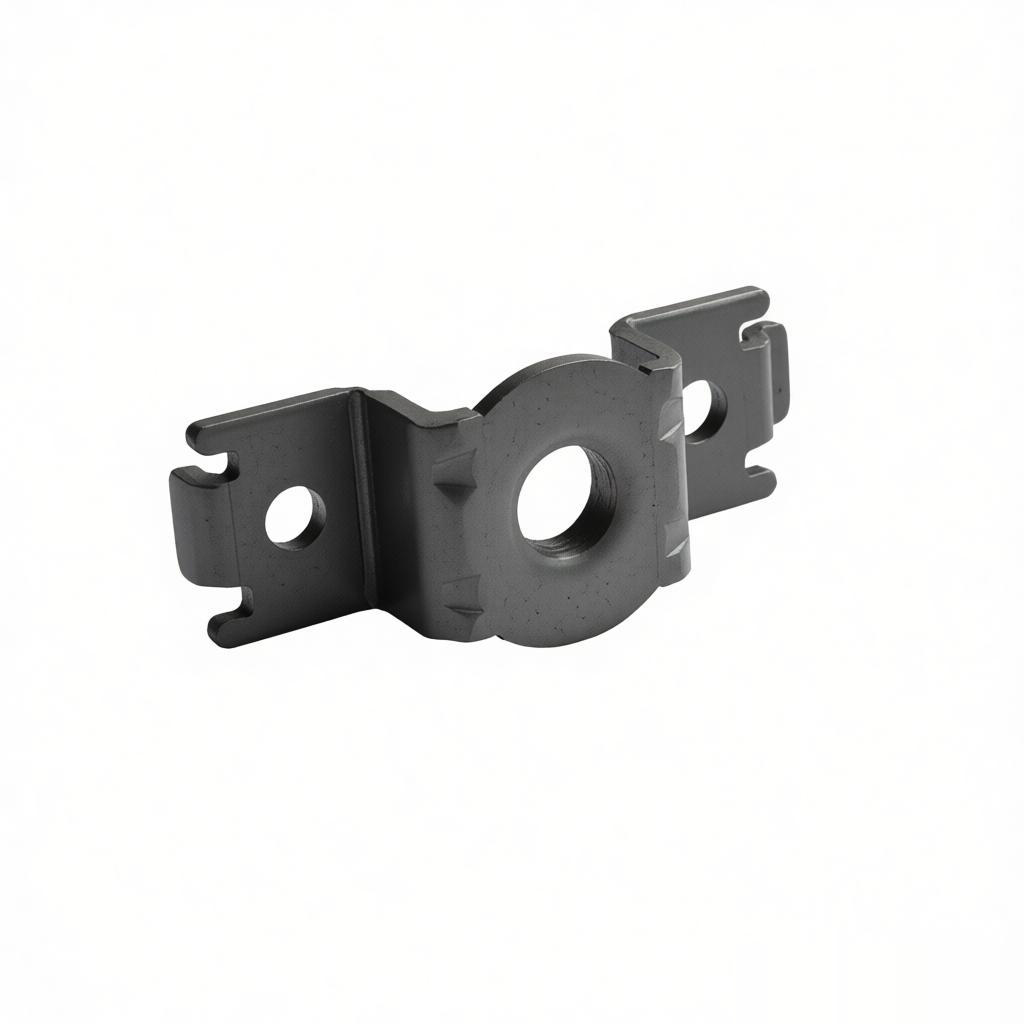
**Aluminum** – The preferred choice for lightweighting. We commonly stamp 5052-H32 (marine grade) and 6061-T6 (structural). The key challenge is springback: aluminum has a lower Young's modulus (68.9 GPa vs. 200 GPa for steel), requiring over-bending compensation of 2-5 degrees in the die design.
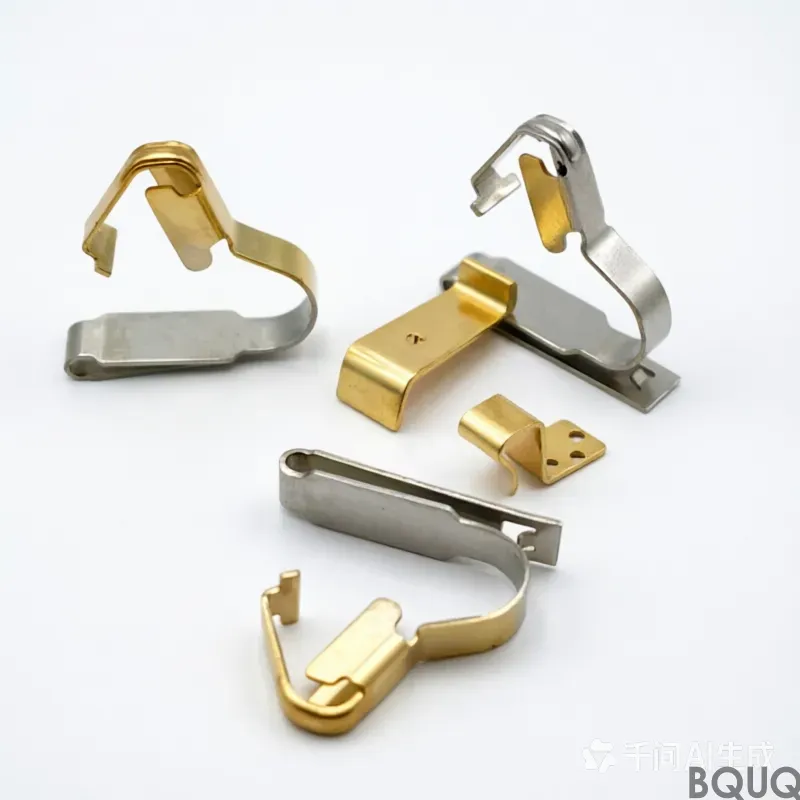
**Copper and Copper Alloys** – C11000 (electrolytic tough pitch copper) has 100% IACS conductivity and is used for busbars and connectors. Brass (C26000) and phosphor bronze (C51000) offer better spring properties for contacts and terminals. Copper's high ductility allows for deep drawing, but its gummy nature requires sharper cutting edges and higher lubrication flow.
---
H2: Technical Comparison Table: Key Stamping Parameters
Below is a production data table compiled from our actual job quotes and first-article inspections at BQUQ. These figures represent achievable tolerances and typical costs for medium-volume runs (10,000 to 100,000 pieces).
| Material | Typical Thickness (mm) | Yield Strength (MPa) | Min Bend Radius | Achievable Tolerance (±mm) | Relative Material Cost (per kg) | Max Operating Temp (°C) | Typical Use Case | ---------- | ------------------------ | ---------------------- | ----------------- | ---------------------------- | ------------------------------- | ------------------------ | ------------------ | DC01 Cold Rolled Steel | 0.3 - 3.0 | 140 - 280 | 0.5 x thickness | 0.05 | 1.0 (baseline) | 400 | Chassis, brackets | SUS304 Stainless | 0.2 - 3.0 | 215 - 275 | 0.8 x thickness | 0.08 | 2.5 | 800 | Medical, food grade | 5052-H32 Aluminum | 0.5 - 6.0 | 130 - 160 | 1.0 x thickness | 0.10 | 2.0 | 200 | Heat sinks, marine parts | C11000 Copper | 0.2 - 3.0 | 70 - 120 | 0.3 x thickness | 0.05 | 8.0 | 250 | Busbars, RF shielding | C26000 Brass | 0.2 - 3.0 | 100 - 150 | 0.4 x thickness | 0.05 | 6.0 | 200 | Connectors, terminals | Titanium Grade 2 | 0.3 - 2.0 | 275 - 410 | 2.0 x thickness | 0.15 | 30.0 | 500 | Aerospace, implants |
|---|
*Note: Cost index is relative to DC01 steel at USD 0.80/kg. Tolerances are for blanking and piercing operations on parts with a maximum dimension of 150mm.*
---
H2: Steel Selection: Balancing Cost vs. Strength
For 90% of sheet metal stamping jobs, we recommend **DC01 or SPCC cold-rolled steel**. These are low-carbon steels (0.04-0.08% carbon) that offer the best combination of formability and price. In our experience, you can achieve a bend radius of 0.5x material thickness without cracking. If you need higher strength for structural applications, consider **S420MC** (420 MPa yield). However, be aware that tool wear increases by approximately 30% when switching from DC01 to HSLA grades, due to higher hardness and abrasiveness.
For corrosion resistance, **galvanized steel (SGCC)** is a cost-effective alternative to stainless. The zinc coating (typically 60-90 g/m²) protects the base metal but requires careful handling to avoid flaking at the bend line. We recommend a minimum bend radius of 1.5x thickness for galvanized material to prevent coating cracking.
---
H2: Aluminum Stamping: Managing Springback and Surface Finish
Aluminum is not a drop-in replacement for steel. The primary engineering issue is **springback**. For 5052-H32, we routinely add 3 degrees of over-bend compensation. For 6061-T6, which has a higher yield strength, this compensation increases to 5 degrees. Without this, your final part angle will be consistently off by 2-4 degrees, leading to assembly issues.
Another critical factor is surface finish. Aluminum is softer than steel, so die wear is less aggressive, but galling (material sticking to the die) is common. We use a chlorine-free lubricant with a viscosity of 220 cSt at 40°C and do a micro-etch (1-2 microns) on the die surface to hold lubricant pockets. For heat sink applications, we recommend 5052 for fins (0.5mm thickness) and 6063-T5 for heat pipes, but note that 6063 is less formable and better suited to extrusion rather than stamping.
---
H2: Copper and Brass: Precision for Electrical Conductivity
For electrical applications, material purity is non-negotiable. **C11000 copper** (99.9% Cu) delivers 101% IACS conductivity. When stamping thin copper (0.2-0.5mm) for connectors, we hold tolerances of ±0.03mm on critical dimensions. The challenge is burr formation. Copper's ductility means it tends to tear rather than shear cleanly. We maintain a die clearance of 3-4% of material thickness (versus 5-8% for steel) to ensure a clean cut and minimal burr height (less than 0.02mm).
For spring contacts, **C51000 phosphor bronze** is superior. It has a yield strength of 340-420 MPa after temper rolling, which is 3-4 times that of pure copper. This allows for a spring-back recovery of 85-90%, making it suitable for repeated flexing applications. The trade-off is conductivity (only 15% IACS), so use it only where mechanical spring force is more important than current carrying capacity.
---
H2: Specialty Materials and Temperature Limits
Beyond the common four, we occasionally stamp **titanium (Grade 2)** for aerospace brackets and **Inconel 625** for high-temperature exhaust components. Titanium is challenging because of its high strength-to-weight ratio and low thermal conductivity, which causes localized heating at the cutting edge. We recommend hot stamping at 150-200°C for titanium above 2.0mm thickness to prevent cracking. Inconel requires even more force; we typically run it at 300°C in a heated die to achieve a sharp bend.
For temperature resistance, use this rule of thumb: carbon steel loses 50% of its yield strength at 400°C; stainless steel retains 70% of its strength at 600°C; aluminum is unusable above 200°C for structural purposes. Always specify the maximum operating temperature of your application before choosing a material, as this will dictate not only the base metal but also the required coating (e.g., zinc, nickel, or anodizing).
---
H2: Practical Recommendations for Material Selection
1. **For cost-sensitive, high-volume parts (automotive brackets):** Use DC01 steel, thickness 1.0-2.0mm. Target tolerance ±0.1mm. Lead time for tooling is 15-20 days, and piece price is typically USD 0.05-0.15 depending on blank size.
2. **For heat dissipation (LED housings, power supplies):** Use 5052-H32 aluminum at 1.5mm thickness. Do not use 6061-T6 for deep draws (depth > 2x diameter) because it will crack. Anodizing (Type II, 18 microns) is required for electrical insulation.
3. **For electrical contacts:** Use C26000 brass (half-hard) for terminals and C11000 copper for busbars. Specify a burr height of less than 0.03mm in your drawing. Expect a 3% material yield loss due to edge cracking in thin copper.
4. **For corrosion and hygiene:** Use SUS304 stainless, 0.8mm thickness, with a No. 4 brushed finish. The stamping cost is 1.8x that of steel due to slower cycle times (20 strokes/min vs. 40 strokes/min) and increased tool maintenance.
5. **Always prototype in the final material.** Do not prototype in mild steel and then switch to aluminum. The springback behavior is entirely different, and your die will need modification.
---
H2: FAQ-Style Engineering Tips
**Q: Can you stamp hardened steel (e.g., 65Mn spring steel)?** A: Yes, but only in the annealed state (delivered hardness HRC 20-25). After stamping, we perform a separate heat treatment to HRC 44-48. Do not attempt to stamp pre-hardened material; the die will fracture within 500 strokes.
**Q: What is the minimum hole diameter for stamping?** A: For steel and aluminum, the minimum hole diameter is 1.0x material thickness. For copper, it is 0.8x thickness. Below these values, the punch will break frequently, and you should switch to laser cutting or EDM.
**Q: How does material thickness affect tooling cost?** A: Tooling cost increases non-linearly. A die for 0.5mm material costs USD 3,000-5,000. For 3.0mm material, the same die costs USD 8,000-12,000 due to heavier die plates and harder tool steel (D2 vs. O1).
**Q: What lubricant should be used for aluminum stamping?** A: Use a low-viscosity (150-250 cSt) mineral oil with high sulfur content. Do not use water-based lubricants; they cause hydrogen embrittlement in aluminum and reduce die life by 40%.
---
Conclusion
The correct material choice for metal stamping is a function of mechanical requirements, electrical/thermal properties, corrosion environment, and budget. Steel remains the most economical for structural parts, aluminum is mandatory for lightweighting, and copper alloys are irreplaceable for conductivity. At BQUQ, we have stamped all these materials in volumes from 100 to 5 million pieces. We maintain in-house spectrometers and tensile testers to verify material certificates on every incoming coil.
If you are uncertain about material selection for your next stamping project, send us your 2D or 3D drawing. We will provide a DFM (Design for Manufacturing) analysis within 12 hours, including material recommendations, tolerance feasibility, and a firm quote. Our engineering team has 20 years of experience solving stamping problems for automotive, electronics, and renewable energy clients.
**Contact BQUQ today for a 12-hour quote:** - Email: sc@bquq.com - WhatsApp: +86 13713157787 - Website: www.bquq.com
We speak fluent English and Chinese, and we are ready to review your drawings immediately.
Related Articles
- Stamping Press Selection Guide 2024: Mechanical vs Hydraulic vs Servo Speed and Force
- Why Low Volume Metal Stamping is Ideal for Prototyping
- Stamping Lubricant Selection 2024: Balancing Die Life, Part Quality, and Environmental Compliance
Frequently Asked Questions
What materials can be used for metal stamping?
Metal stamping can process ductile metals including carbon steel, stainless steel, aluminum alloys, copper and its alloys (brass, bronze), and specialty metals like titanium and Inconel. For 90% of industrial applications, common choices are low-carbon steel (DC01, SPCC), 5052 or 6061 aluminum, and C11000 or C26000 copper, depending on strength, conductivity, and corrosion resistance needs.
What are the typical tolerances achievable for stamped parts?
Achievable tolerances vary by material. For DC01 cold rolled steel, the tolerance is ±0.05 mm. For SUS304 stainless steel, it is ±0.08 mm. These figures are based on medium-volume runs of 10,000 to 100,000 pieces at our Dongguan facility, using presses from 45-ton to 400-ton capacity.
How does aluminum stamping differ from steel stamping?
Aluminum has a lower Young's modulus (68.9 GPa vs. 200 GPa for steel), causing more springback. We compensate by over-bending 2-5 degrees in the die design. Common grades include 5052-H32 and 6061-T6, with yield strengths of 130-160 MPa. Aluminum is preferred for lightweighting applications.
Can stainless steel be deep drawn like carbon steel?
Stainless steel work-hardens rapidly, so we limit drawing ratios to 1.6:1, compared to 2.0:1 for carbon steel. Grades 304 and 316 are commonly used for medical devices and food equipment. The minimum bend radius is 0.8 times the thickness, versus 0.5 times for DC01 steel.