Why Is Swiss-Type CNC Machining Demand Growing for Small Parts?
What Is the Direct Answer to Why Swiss-Type CNC Machining Demand Is Growing?
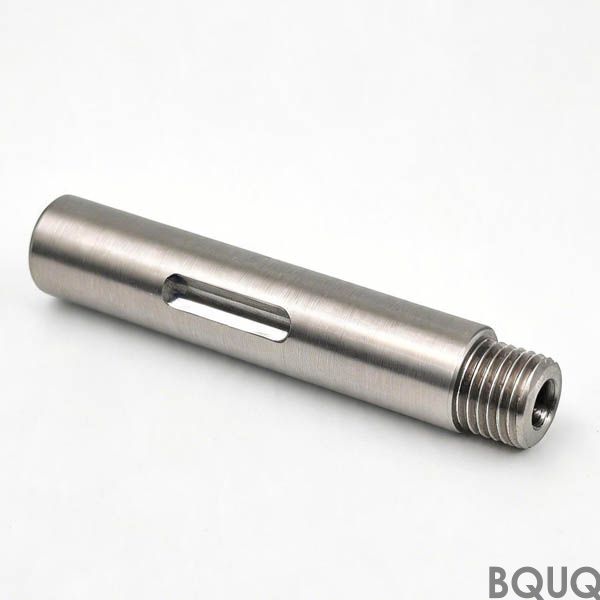
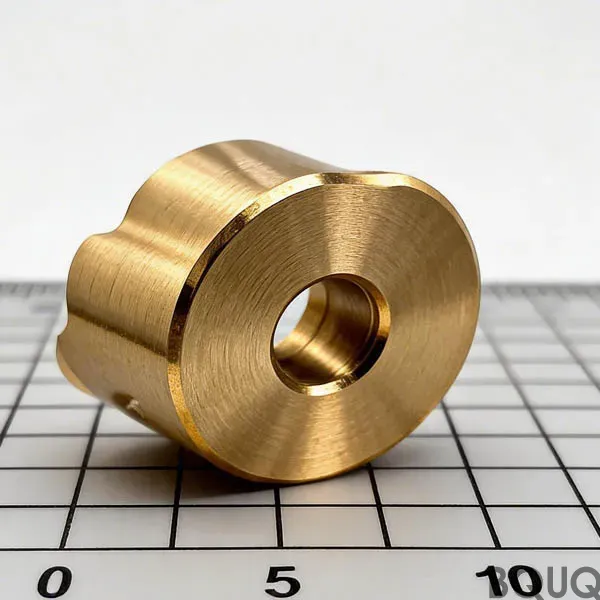
The demand for Swiss-type CNC machining is growing because miniaturization across medical, electronics, and automotive industries has created a critical need for high-precision parts under 32 mm in diameter, where Swiss lathes hold a unique cost and accuracy advantage. These machines hold tolerances of ±0.005 mm while producing complex geometries in a single operation, reducing handling errors and per-part costs by up to 40% compared to traditional CNC lathes. As device sizes shrink and component complexity rises, manufacturers are discovering that Swiss-type machining is no longer a niche process but the most efficient production method for small, intricate components.
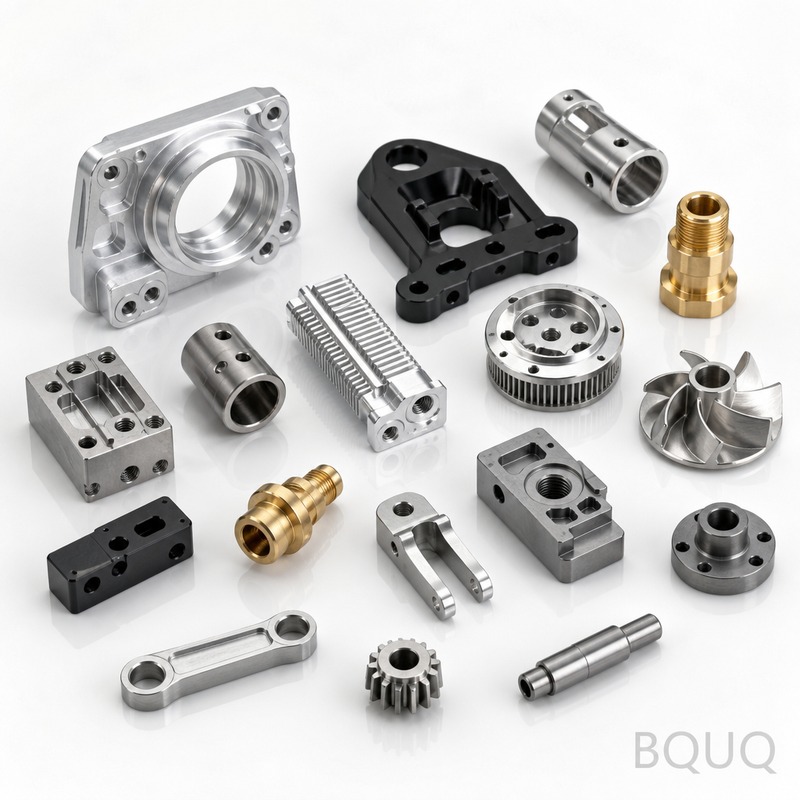
How Does Swiss-Type Machining Differ From Standard CNC Turning?
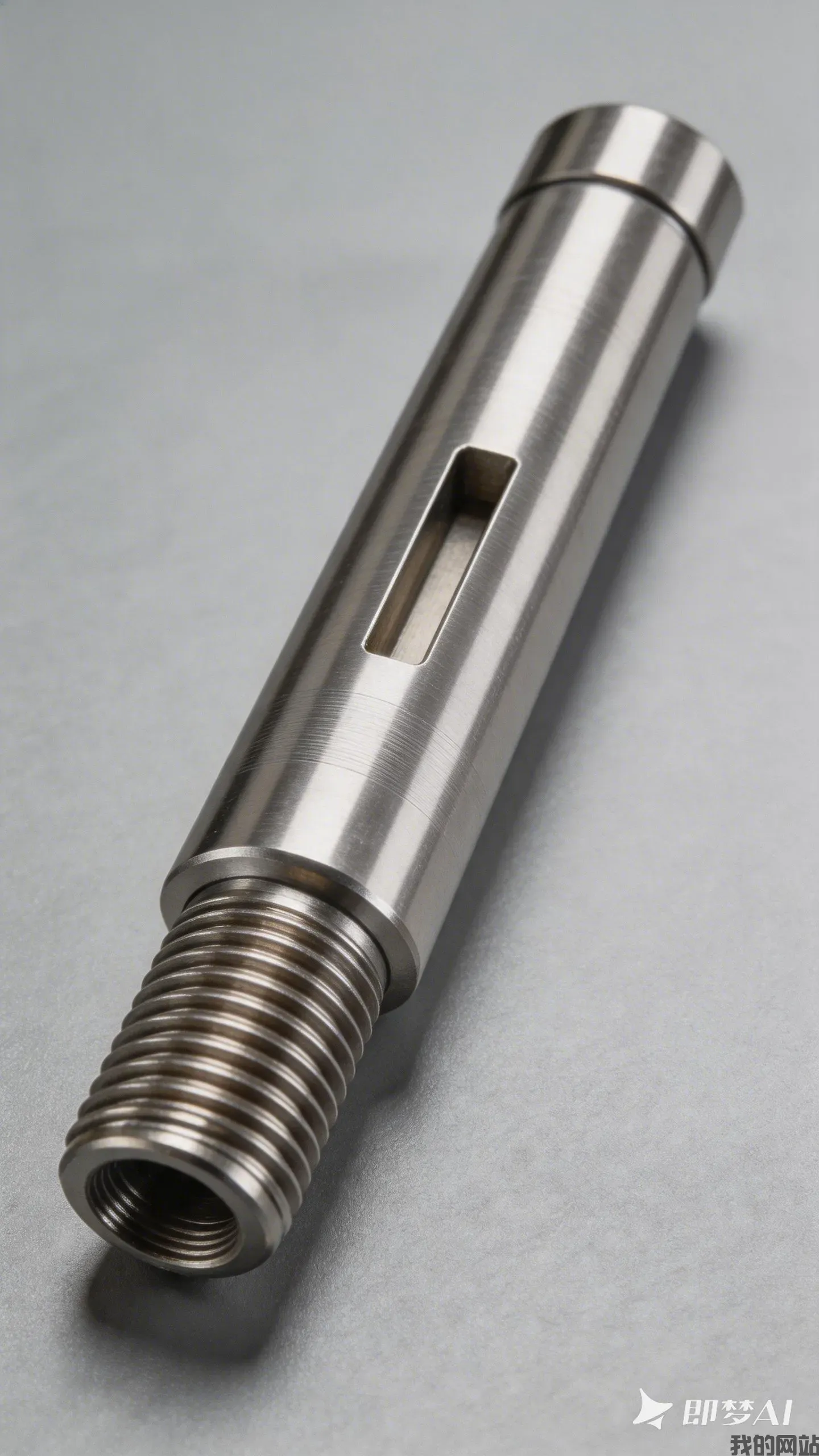
Swiss-type machines use a sliding headstock that pushes the bar stock through a stationary guide bushing, supporting the material right at the cutting point. This design eliminates deflection, allowing parts with a length-to-diameter ratio of up to 20:1 to be machined with accuracy that standard CNC lathes cannot achieve beyond a 3:1 ratio. Additionally, Swiss machines are equipped with 5 to 13 axes, enabling simultaneous front and back operations that complete a part in one cycle, whereas standard CNC lathes often require multiple setups and secondary operations. The guide bushing also reduces vibration, resulting in surface finishes of Ra 0.2 µm without additional grinding.
What Industries and Part Types Drive the Highest Demand for Swiss-Type Machining?
The medical device industry accounts for approximately 35% of Swiss-type machining demand, driven by bone screws, dental implants, and surgical instruments that require biocompatible materials like titanium grade 5 (Ti-6Al-4V) and 316L stainless steel. Aerospace and defense contribute another 25%, producing fuel injector nozzles, sensor housings, and connector pins with tolerances of ±0.008 mm. The electronics sector demands precision pins, terminals, and heat sink micro-fins under 3 mm in diameter, where Swiss machines deliver burr-free edges and repeatability of ±0.003 mm across 100,000-part runs. Automotive fuel systems and robotics also rely on Swiss machining for valve seats and shaft components that must withstand temperatures up to 300°C without dimensional drift.
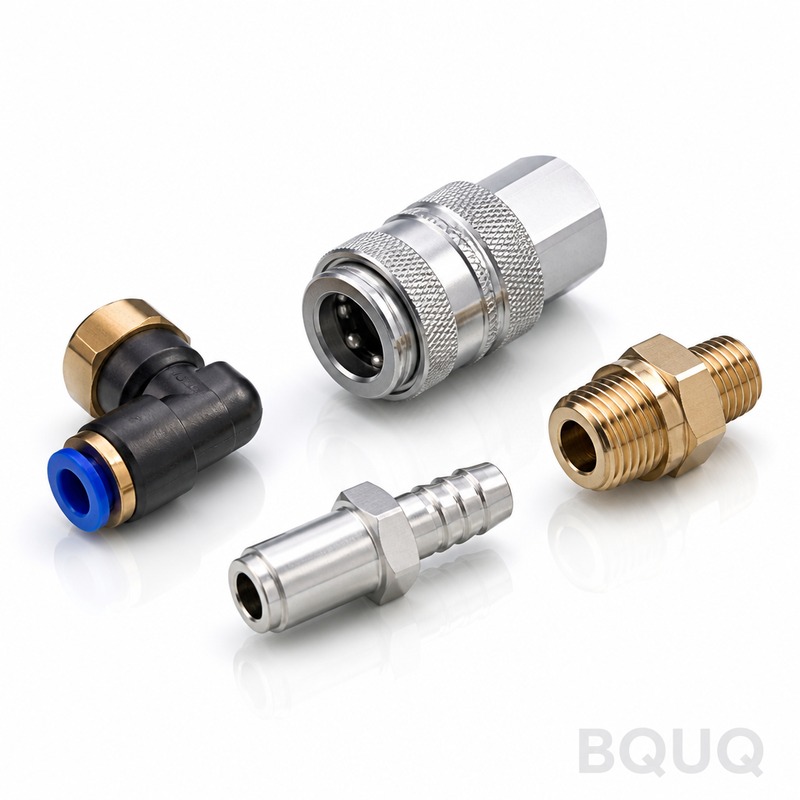
What Tolerances and Surface Finishes Can Swiss-Type CNC Machining Achieve?
Swiss-type machining routinely achieves positional tolerances of ±0.005 mm and roundness of 0.003 mm on parts up to 32 mm in diameter, with some high-end machines holding ±0.002 mm on critical features. Surface finishes range from Ra 0.4 µm for standard turning to Ra 0.1 µm with wiper inserts or CBN tooling, eliminating the need for secondary polishing in most applications. Threading accuracy follows DIN 13 standards, with pitch errors below 0.01 mm over a 20 mm thread length, which is essential for medical bone screws and aerospace fasteners. For comparison, standard CNC lathes typically achieve ±0.013 mm, meaning Swiss machines are 2.5 times more precise for small diameter work.
How Much Does Swiss-Type CNC Machining Cost per Part?
For a typical 5 mm diameter, 20 mm long stainless steel pin, Swiss-type machining costs between $0.15 and $0.40 per part at a quantity of 10,000 units, with tooling amortized over the run. Setup costs range from $150 to $400 per program change, but multi-axis capability reduces the number of setups from three to one, saving 60% in labor. At lower volumes of 100 units, per-part cost rises to $2.50 to $5.00 due to setup dominance, making the process most economical above 1,000 parts per run. Material cost for 316L stainless steel is approximately $3.50 per kilogram, and Swiss machines waste only 5% of material versus 15% for conventional turning due to shorter bar ends and optimized nesting.
| Parameter | Swiss-Type CNC | Standard CNC Lathe | Difference |
| Minimum diameter | 0.3 mm | 1.5 mm | 5x smaller |
| Maximum length-to-diameter ratio | 20:1 | 3:1 | 6.7x higher |
| Standard tolerance | ±0.005 mm | ±0.013 mm | 2.6x tighter |
| Surface finish (Ra) | 0.1 – 0.4 µm | 0.4 – 0.8 µm | 2x smoother |
| Axes available | 5 – 13 | 2 – 4 | 3x more complex |
| Cycle time (10 mm part) | 45 seconds | 80 seconds (2 setups) | 44% faster |
| Setup cost per job | $150 – $400 | $100 – $250 plus secondary ops | 20% lower overall |
| Scrap rate | 5% | 15% | 10% less waste |
Why Is Lead Time Shorter for Swiss-Type Machining Compared to Other Processes?
Swiss-type machining completes a part from raw bar stock to finished component in a single operation, cutting lead times from 15 days to 5 days for typical production orders. The elimination of secondary operations like deburring, cross-drilling, or milling reduces the number of machine transfers from three to zero, which removes queue time that accounts for 70% of production lead time in traditional shops. Additionally, modern Swiss machines with bar feeders run unattended for up to 8 hours, allowing overnight lights-out production that increases throughput by 40%. At BQUQ, a standard 5,000-part order of medical pins is quoted with a 7-day lead time, while the same part via standard CNC turning requires 12 days due to separate milling and deburring steps.
Which Materials Are Best Suited for Swiss-Type Machining and Why?
Free-machining stainless steels like 303 and 17-4 PH are the most common, representing 40% of Swiss-type work, because their sulfur content breaks chips cleanly and prevents clogging in tight spaces. Titanium alloys, particularly grade 5 and grade 23, are favored for medical and aerospace due to their high strength-to-weight ratio, and Swiss machines handle them with carbide tooling at cutting speeds of 30 to 60 m/min. Brass and copper alloys, including C36000 and C17200 beryllium copper, are used for electrical connectors and achieve excellent surface finishes at speeds up to 200 m/min. Plastics such as PEEK and PTFE are increasingly machined on Swiss lathes for insulators and seals, with temperature resistance up to 260°C for PEEK without deformation.
What Are the Key Cost Drivers in Swiss-Type Machining Projects?
Tooling wear is the primary cost driver, with carbide inserts lasting 500 to 2,000 parts depending on material, and titanium reducing insert life to 300 parts per edge, adding $0.05 to $0.10 per part in tooling cost. Cycle time is the second factor, where a complex 15-axis part can take 3 minutes, while a simple pin takes 30 seconds, directly translating to machine-hour rates of $60 to $90 per hour. Bar stock diameter must match the guide bushing size, and any change between runs requires a bushing change costing $50 and 30 minutes of setup time, so batch sizes above 2,000 units amortize this cost effectively. Tolerances tighter than ±0.005 mm increase inspection costs by 30% due to CMM verification requirements, which should be specified only when functionally necessary.
How Should Engineers Design Parts to Optimize Swiss-Type Machining?
Engineers should keep part diameters below 32 mm and design with a consistent outer diameter to avoid multiple guide bushing changes, which add $50 cost and 30 minutes per change. Features like cross holes, flats, and slots should be aligned with the tool positions of the specific machine, and engineers must provide a full 3D model with GD&T to avoid misinterpretation. Avoid sharp internal corners; specify a minimum radius of 0.1 mm to prevent tool breakage and extend tool life by 20%. For threaded features, use standard thread depths (1.5x diameter) and avoid blind threads deeper than 2x diameter, as these require peck tapping cycles that double cycle time.
What Is the Future Outlook for Swiss-Type Machining Demand?
The global Swiss-type lathe market is projected to grow at a compound annual growth rate of 6.8% from 2024 to 2030, reaching $1.2 billion by 2030, driven by electric vehicle motor shafts and minimally invasive surgical devices. As 5G and IoT devices shrink components to sub-millimeter scales, Swiss machines with 0.3 mm minimum diameter capability will become the standard for connector pin production. Additive manufacturing hybrid machines that integrate Swiss turning with laser cladding are emerging, allowing repair of worn small parts and reducing material waste to 2%. The trend toward multi-axis Swiss machines (13+ axes) will continue, as they eliminate all secondary operations and enable unattended production of complex parts, further compressing lead times and costs.
What Is the Minimum Part Size for Swiss-Type Machining?
Swiss-type machines can produce parts as small as 0.3 mm in diameter, with some micro-swiss machines reaching 0.1 mm for watch components. The practical lower limit is determined by tool breakage, where end mills below 0.2 mm diameter have a tool life of only 100 parts. For most industrial applications, parts above 0.5 mm diameter are economically viable.
Can Swiss-Type Machining Handle Hardened Materials?
Yes, Swiss machines can machine hardened steels up to HRC 60 using CBN (cubic boron nitride) inserts, though cutting speeds must be reduced to 20-40 m/min. This capability is useful for finishing pre-hardened mold pins or bearing races without grinding. However, for materials above HRC 62, grinding remains more economical than Swiss turning.
How Does Swiss-Type Machining Compare to Wire EDM for Small Parts?
Swiss-type machining is faster and more cost-effective for parts under 32 mm diameter that require turning or milling features, with cycle times 5-10 times shorter than wire EDM. Wire EDM is superior for parts with complex internal profiles or when material hardness exceeds HRC 65, where EDM avoids tool wear. For a typical 5 mm pin with a cross hole, Swiss machining costs $0.30 per part, while wire EDM costs $2.00 per part.
What Is the Typical Setup Time for a Swiss-Type CNC Machine?
A standard setup for a new part takes 2 to 3 hours, including guide bushing change, tool holder setup, and program verification. For repeat orders, setup time drops to 45 minutes because tooling offsets are stored in the machine memory. Batch sizes of 1,000 parts or more justify the setup cost, making Swiss machining ideal for mid-to-high volume production.
Are Swiss-Type Machines Suitable for Prototyping?
Swiss machines are less ideal for prototyping due to setup costs of $150-$400 per job, which is high for single parts. However, for prototypes that will eventually be mass-produced, using the same Swiss machine ensures design-for-manufacturability and avoids costly redesigns. Most shops recommend starting with a 50-100 part pilot run to validate tolerances before scaling to production.
How Does Part Complexity Affect Swiss-Type Machining Cost?
Adding a cross hole or a slot increases cycle time by 15-25 seconds per feature, adding $0.02-0.04 per part in cost. Complex geometries requiring 5-axis simultaneous machining can triple cycle time, but they eliminate secondary operations that would cost more in a standard process. The breakeven point is typically at two features; beyond that, Swiss machining is always cheaper than multi-setup conventional turning.
What Quality Certifications Should a Swiss-Type Machining Supplier Have?
Look for ISO 13485 certification for medical device components, as it ensures traceability and cleanliness standards for implantable parts. ISO 9001:2015 is a baseline for general manufacturing, while AS9100 is required for aerospace applications. At BQUQ, we maintain ISO 9001:2015 and IATF 16949 certifications, with in-process inspection every 50 parts using CMM and optical comparators.
Conclusion
Swiss-type CNC machining is experiencing accelerated demand because it uniquely solves the manufacturing challenges of small, complex parts with tolerances of ±0.005 mm, single-operation efficiency, and cost reductions of up to 40% versus conventional methods. The technology is essential for medical, aerospace, and electronics industries that require miniaturization without sacrificing precision. For engineers and procurement professionals, adopting Swiss-type machining for parts under 32 mm diameter is a strategic decision that improves quality, shortens lead times, and lowers total cost of ownership.
At BQUQ, with 20 years of experience in precision manufacturing, we operate a fleet of 15 Swiss-type CNC machines capable of holding tolerances down to ±0.003 mm. We provide a 12-hour quoting service for your drawings, with free design-for-manufacturability feedback to optimize your parts. Contact us at sc@bquq.com or WhatsApp at +86 13713157787, or visit www.bquq.com to upload your CAD files and receive a detailed quotation today.