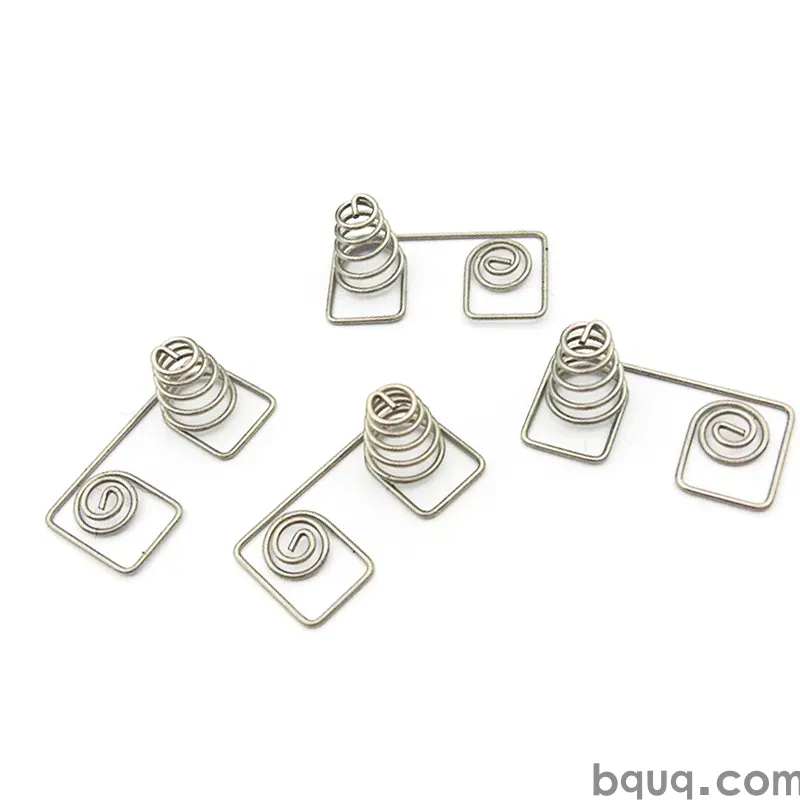
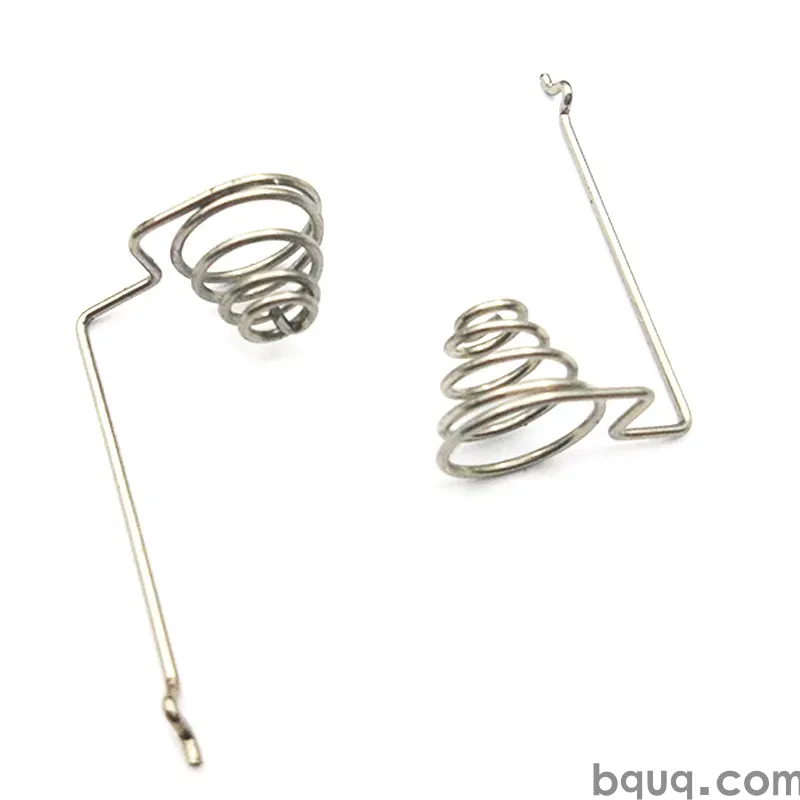
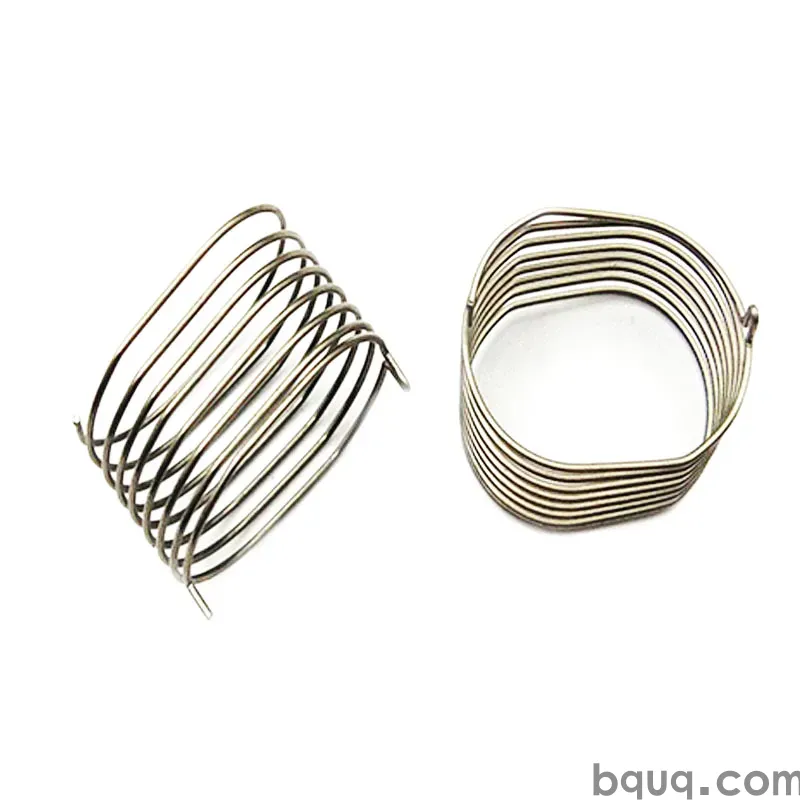
Why custom parts take 2-6 weeks: material, programming, tooling, scheduling, inspection, finishing. How to read a lead time. BQUQ: stage-based lead times.
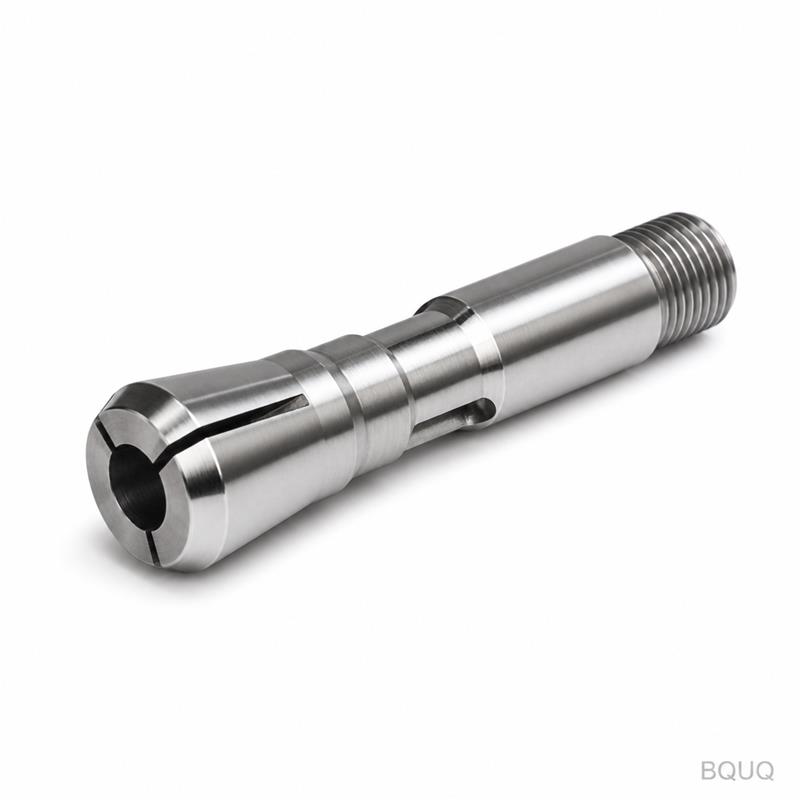
Why Custom Parts Take 2–6 Weeks: Lead Time, Deconstructed
A custom part takes 2–6 weeks not because machining is slow — cutting time is often a small fraction of the total — but because the order moves through a queue: material purchase, programming and tooling, machine scheduling, production, finishing, inspection, and shipment. The 2–6 week window is the sum of those stages. Read a lead time as a list of stages and you can see which one is actually driving your delivery date — and which one you can compress.
Buyers routinely treat "lead time" as a single magic number the factory should make smaller. Factories treat it as a plan across departments. The gap produces frustration on one side and expediting fees on the other. This guide deconstructs the 2–6 week window into its stages, shows typical durations for prototypes versus production, and explains which levers actually shorten delivery.
The Seven Stages Inside Every Lead Time
Every custom parts order passes through the same stages. The durations below are typical ranges for a mid-volume precision parts order from a Chinese source factory; prototypes compress some stages and production orders stretch others.
| Stage | Typical duration | What happens | Compressible? |
|---|---|---|---|
| 1. Inquiry and quoting | 1–3 days | Drawing review, DFM, pricing, order acknowledgment | Yes — clear drawings cut this to hours |
| 2. Material purchase | 1–7 days | Stock, local mill, or special-order material | Partly — stock availability decides |
| 3. Programming and tooling | 1–5 days | CAM programming, fixtures; die work for stamping | Partly — complexity decides |
| 4. Production scheduling | 1–7 days | Order enters the machine queue | Yes — with capacity or priority pricing |
| 5. Machining/forming | Hours–days | Actual cutting, stamping, spring coiling | Rarely the bottleneck |
| 6. Finishing | 1–7 days | Anodizing, plating, heat treat — often subcontracted | Partly — outside queues dominate |
| 7. Inspection and packing | 1–3 days | Dimensional checks, batch report, packing, shipping prep | Yes — agreed checklists speed it |
The takeaway: cutting metal is usually the shortest stage. When a factory quotes two weeks and delivers in six, the slippage is almost never at the machine — it is material waiting, a finishing subcontractor's queue, or a schedule that slipped. Asking "what stage is driving the date?" gets you a real answer; asking "why so slow?" gets you an apology.
Prototype vs Production: Two Different Timelines
Prototypes and production orders compress and stretch different stages. A prototype has no tooling wait and often uses stocked material, but carries engineering time per piece. A production order amortizes engineering but adds tooling, material volume, and finishing logistics.
| Stage | Prototype (typical) | Production order (typical) |
|---|---|---|
| Quoting and review | 1–2 days | 1–3 days |
| Material | Stock or small purchase, 1–3 days | Volume purchase, 1–7 days |
| Programming/setup | 1–3 days | 1–5 days (plus tooling/die if new) |
| Machine queue | Short — small jobs slot in | 1–7 days at volume |
| Run time | Hours | Days, but per-piece time is low |
| Finishing | Often skipped or single-piece | 2–7 days for anodize/plate |
| Inspection and ship | 1–2 days | 1–3 days |
| Realistic total | 5–15 days | 2–6 weeks |
Prototype speed is mostly an engineering and scheduling question — how fast the drawing is reviewed, how fast the machine frees up. Production speed is mostly a logistics question — material, finishing, and inspection capacity. Negotiate accordingly: on prototypes, push the quote and review cycle; on production, lock material and finishing early.
The Finishing Bottleneck Nobody Budgets For
The most under-estimated stage in precision parts is finishing, because it is usually outside the factory's own walls. Anodizing, plating, and heat treatment in China's Pearl River Delta are often done by specialized subcontractors with their own queues: a part can be machined in a day and sit three days waiting for an anodize rack. The factory controls the schedule only if it controls the relationship with the finisher.
| Finish | Typical added time | Notes |
|---|---|---|
| Bead blast / deburr only | 1–2 days | Often in-house |
| Clear or black anodize | 2–5 days | Rack queue + process + cure |
| Plating (nickel, zinc, tin) | 2–5 days | Bath schedules drive the wait |
| Heat treatment | 2–4 days | Furnace cycles plus testing after |
| Custom color or masking | +1–3 days | Masking labor adds queue time |
Ask your supplier which finishing stages are in-house and which are subcontracted, and how the subcontract queue is managed. A factory that books finishing capacity when the order is acknowledged delivers on the quoted date; one that sends parts to a finisher when machining finishes delivers whenever the finisher's queue allows.
Reading a Quotation's Lead Time Correctly
A lead time is only interpretable with its assumptions. Three questions decode any delivery promise: Does the clock start at order acknowledgment or at deposit receipt? Does the date include finishing, inspection, and packing, or is it "machine-ready"? And what material availability was assumed — stock, or a special order that runs a week before production can start? Quotes that answer these three questions in writing are quotes you can plan against.
| Lead time element | What to confirm |
|---|---|
| Clock start | Order acknowledgment vs. deposit cleared |
| Scope | Through inspection/packing, or machine-ready only |
| Material basis | Stock, local purchase, or mill order |
| Finishing included | Anodize/plate/heat treat inside the date |
| Split shipment option | Air a partial batch while the balance finishes |
If your program has a hard date, split the risk: approve samples early, confirm finishing capacity, and plan a split shipment where prototypes or a partial batch fly ahead of the balance. This pattern works well with factories near Shenzhen's air hub, which is exactly why we covered hub logistics in our Dongguan vs Shenzhen vs Ningbo comparison — geography sets the ceiling on how fast a partial air shipment can move.
Shortening Lead Time: What Actually Works
The levers that shorten real lead time, in order of leverage: complete drawings at first contact (every clarification round costs days — our engineering communication guide covers the drawing package that avoids them); standard materials where the design allows (stock vs. mill order is often a week); approved samples and control plans before the production order lands (see the drawing-to-sample workflow); booked finishing capacity; and honest scheduling — a factory that tells you the machine queue is full is giving you information; one that promises and slips is giving you hope.
Rush fees exist for a reason: priority scheduling is a real cost, typically adding 20–50% for a compressed window. The cheaper path is designing the timeline instead of fighting it — confirm the stage breakdown, lock the long-lead stages early, and only pay for the last-mile rush.
How a Factory Communicates Lead Time — A Reference
As a reference for what honest lead-time communication looks like, BQUQ's practice: quotes are returned within 12 working hours of receiving a drawing (sc@bquq.com, WhatsApp +86 13713157787), and the quotation states the lead time with its basis — stock material assumed, finishing included where specified, clock starting at order acknowledgment. Because we run CNC machining, metal stamping, custom springs and heat sink lines in one factory in Dongguan, the inter-stage handoffs (machining → inspection → packing) happen inside one building, which removes the multi-day gaps that separate-supplier chains accumulate — our machinery and process overview shows the scope, and our profile the quality system. When a date slips, we tell you which stage slipped and what the recovery is — usually a schedule adjustment, occasionally a split shipment — before the missed date becomes a surprise. That transparency is itself a spec you can hold any supplier to.
Email sc@bquq.com or WhatsApp +86 137 1315 7787 with your PDF/DXF/STEP file. An engineer reviews it and replies with price, lead time and DFM notes on working days.
Frequently Asked Questions
Q: Why does my Chinese factory quote 3 weeks when machining takes 2 days?
Because the 2 days of cutting sit inside a queue of material purchase, scheduling, finishing and inspection. Ask for the stage breakdown — a factory that can name the driving stage is managing the timeline; one that cannot is quoting hope.
Q: Can I get custom parts faster than 2 weeks?
Yes, for prototypes and small batches: stocked material, no finishing, and priority scheduling can compress a CNC prototype to 5–10 days, usually at a premium of 20–50%. Production volumes at speed depend on material and finishing capacity more than machine speed.
Q: What makes lead times slip most often?
Finishing subcontractor queues, material availability, and schedule overruns — in that order, for most precision parts. Machine breakdowns are rarer than buyers assume. Lock material and finishing early and most slippage disappears.
Q: Should the lead time include anodizing and plating?
It should be stated either way. Some factories quote "machine-ready" and add finishing later. Confirm in writing whether the date includes finishing, inspection and packing — otherwise compare quotes that measure different things.
Q: Does a deposit delay the start of the lead time?
Often, yes — many factories start the clock when the deposit clears. Confirm this at ordering. Wiring the deposit the same day as the order acknowledgment is the cheapest lead-time reduction available on a first order.
Authored by the BQUQ Engineering Team. BQUQ is an ISO9001-certified source factory in Dongguan, China, running CNC machining, metal stamping, custom springs, heat sink and collet lines under one roof. Send drawings to sc@bquq.com or WhatsApp +86 13713157787 for a quote within 12 working hours. www.bquq.com