Sourcing Around Chinese New Year and Holidays
Short answer: Plan around a four-to-six week disruption, not a two-week holiday. Chinese New Year (CNY) typically halts most Dongguan factories for 10 to 18 calendar days, but the real impact on a buyer runs 4 to 6 weeks: workers leave 1 to 2 weeks before the official break, capacity ramps back over 1 to 2 weeks after it, and freight queues build on both sides. The practical rule is to place CNY-bound orders by early December, hold 6 to 8 weeks of buffer stock on your fastest-moving SKUs, and confirm every sub-tier supplier's own holiday dates. BQUQ quotes custom CNC, stamping and spring work in 12 working hours year-round, including the pre-holiday window, so you can lock capacity before it disappears.
Why Chinese New Year Hits Supply Chains Harder Than Other Holidays
Chinese New Year is not a public holiday in the Western sense. It is a migration event. Hundreds of millions of workers travel to their home provinces, and many do not return to the same factory, city, or even industry. For a Dongguan manufacturing buyer, that creates three separate problems that arrive in sequence.
The departure wave. In the two weeks before the official holiday, output drops even though machines are still running. Operators leave early to beat ticket shortages and price spikes. Lines that normally run three shifts drop to two, then one. A supplier who promises "we'll finish before CNY" is often quietly assuming a 20 to 30 percent capacity loss in that final fortnight.
The shutdown itself. Most factories close for the statutory period plus unused annual leave. In a typical year that is 10 to 18 days of zero production. Tooling sits idle, incoming inspection stops, and any quality issue discovered in the last week before the break cannot be reworked until after.
The restart lag. After the holiday, factories restart with a partially new workforce. New operators need training and re-inspection. First-article approvals that were routine in November suddenly take longer in February. Add a backlog of orders that all arrived at once, and the effective restart is 1 to 2 weeks after the gates reopen.
Layer on top of that: Qingming, Labour Day, Dragon Boat, Mid-Autumn and National Day. Each is shorter, but National Day (early October) is a full week and behaves like a mini-CNY in terms of freight congestion.
The Real Sourcing Calendar: Month by Month
The table below reflects typical Dongguan practice. Exact dates shift each year with the lunar calendar, so treat it as a planning template and confirm specific dates with your supplier.
| Period | Factory status | What buyers should be doing |
|---|---|---|
| Aug – Sep | Normal, but booking into Q4 capacity | Release drawings, complete DFM reviews, approve first articles |
| Early Oct | National Day break (about 7 days) | Avoid placing urgent new orders; expect a 1-week slip |
| Oct – Nov | Peak pre-CNY production | Place CNY-bound POs now; confirm raw material is on site |
| Early Dec | Practical order cut-off for CNY delivery | Freeze specifications; no engineering changes after this point |
| Mid Dec – Jan | Rush window, capacity tightening | Accept partial shipments; prioritise critical SKUs |
| 1–2 weeks pre-CNY | Departure wave, output falling | Push for 100% inspection before the break, not after |
| CNY (10–18 days) | Closed | No production, no inspection, limited email response |
| 1–2 weeks post-CNY | Restart and ramp | Expect slower first articles; re-verify critical dimensions |
| Mar – Apr | Back to normal | Ideal window for new projects and tooling builds |
| Holiday | Typical duration | Planning buffer to add |
|---|---|---|
| Chinese New Year | 10–18 days | 4–6 weeks |
| National Day | 7 days | 2–3 weeks |
| Labour Day | 3–5 days | 1–2 weeks |
| Dragon Boat / Mid-Autumn | 1–3 days | 3–5 days |
| Qingming | 1–3 days | 3–5 days |
How Much Buffer Stock Should You Actually Hold?
Buffer stock is the cheapest insurance in seasonal sourcing, but only if you size it correctly. A workable formula for most B2B buyers:
Buffer = (average weekly consumption × weeks of disruption) + safety stock for forecast error
For a CNY event, use 4 to 6 weeks of disruption for parts made in China, and 6 to 8 weeks for parts with a sub-tier dependency (specialty alloys, plated finishes, custom tooling). If your part uses a single-source raw material from a smaller inland supplier, add another week — those suppliers often close earlier and reopen later than the coastal factory you buy from.
Two practical refinements:
- Weight the buffer by criticality, not by volume. A low-volume bracket that stops an assembly line deserves more buffer than a high-volume cosmetic part.
- Split the buffer across two shipments. One air shipment before the holiday for the first two weeks of coverage, one sea shipment released earlier for the rest. This reduces the cash tied up in inventory while keeping the line running.
If you are running a lean programme and buffer stock is politically difficult, the alternative is to pre-build finished goods at your own site during December. That converts a supplier risk into a warehouse cost, which is usually easier to justify internally.
What To Confirm With Your Supplier Before the Holiday
Vague assurances are the main failure mode. Ask for written answers to these questions, and treat "we'll try" as a no.
1. Exact last production day and first production day, including the ramp period.
2. Which sub-tier suppliers feed this part, and their holiday dates. Plating, heat treatment and material mills are the usual bottlenecks.
3. Raw material position. Is the material already received and inspected, or is it still on order?
4. Who stays on site. Most factories keep a small maintenance and security crew; ask whether any inspection or packing capacity remains.
5. Shipping cut-offs. Forwarders publish last-sailing dates for ocean freight that are often 10 to 14 days before the factory closes.
6. Contact plan. A named person, a mobile number, and an agreement on response time during the break.
7. Restart inspection plan. Will the first post-holiday batch be fully inspected or sampled?
A supplier who can answer all seven without hesitation is a supplier who has done this before. That is a useful signal in itself — and it is one of the metrics worth tracking in a supplier scorecard.
Which Processes Are Most Exposed?
Not every process suffers equally. The exposure depends on how much skilled labour and how many sub-tiers sit between you and the finished part.
| Process | CNY exposure | Why |
|---|---|---|
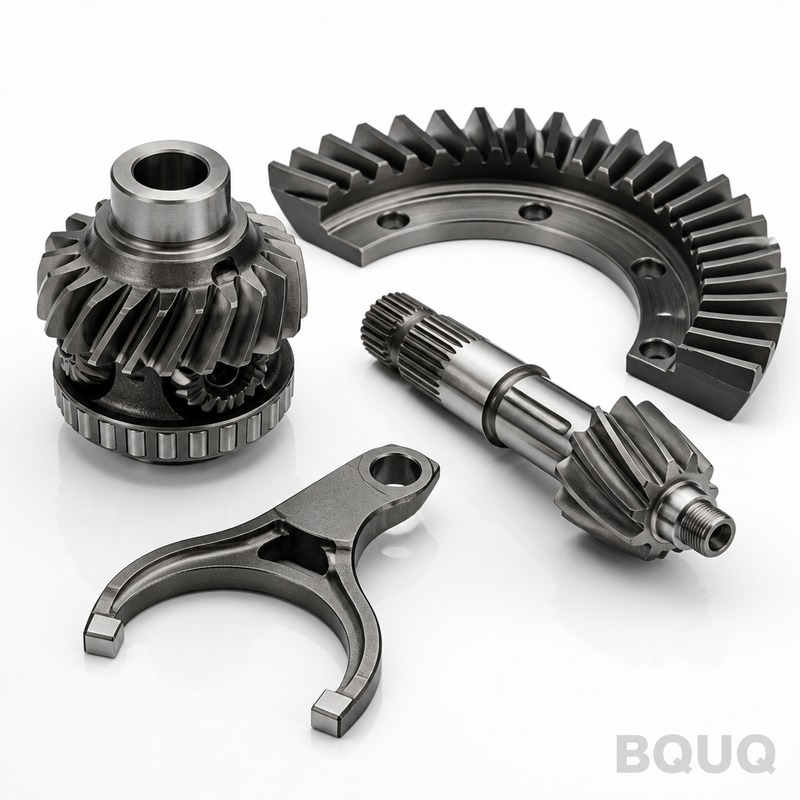
| CNC machining | Medium | Machine time is predictable, but programming and setup staff are scarce at restart |
| Metal stamping | Medium–High | Tooling stays with the factory, but try-out and die maintenance staff are the constraint |
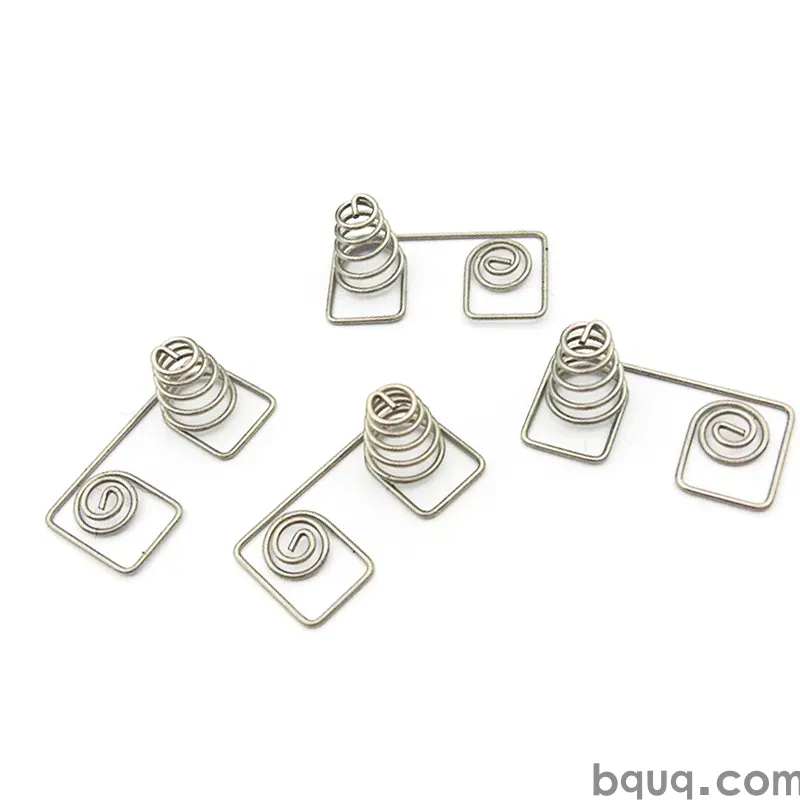
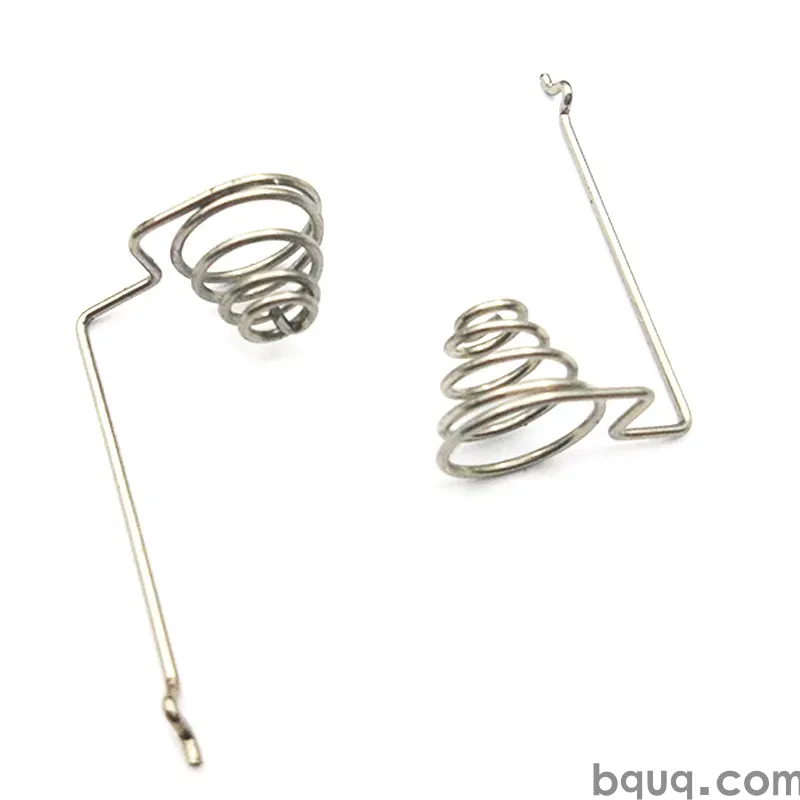
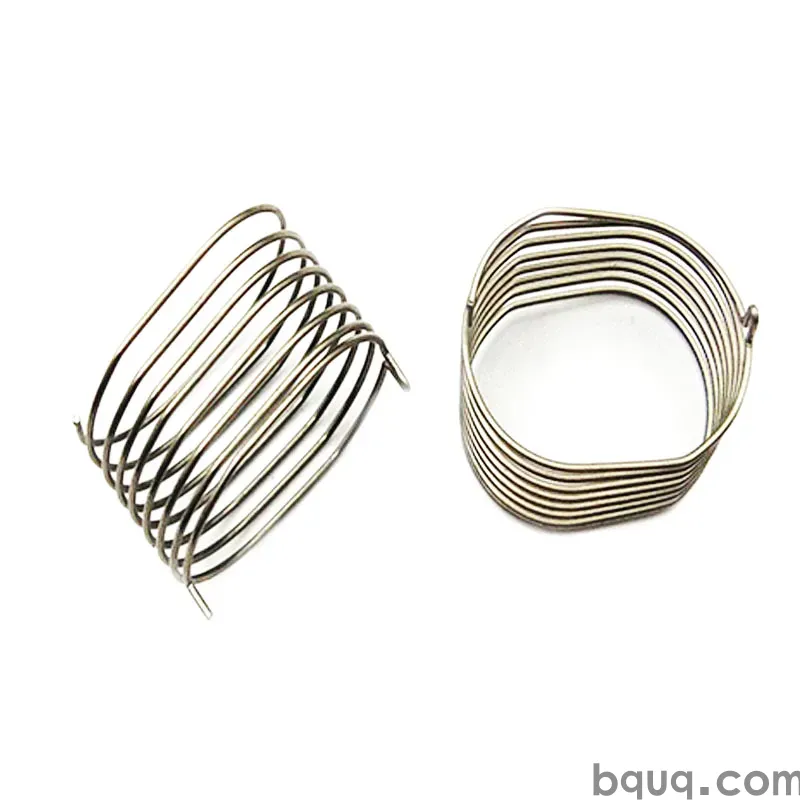
| Custom springs | Medium | Coiling is fast; heat treatment and plating sub-tiers add risk |
| Heat treatment / plating | High | Often smaller shops, earlier closure, longer restart |
| Tooling and die build | High | Skilled toolmakers are the hardest role to rehire |
| Manual assembly | High | Directly proportional to headcount, which is exactly what CNY disrupts |
The practical takeaway: if your part touches heat treatment, plating, or manual assembly, add a week. For a broader view of how process mix affects sourcing decisions, see our comparison of high-volume sourcing in China.
Strategies That Actually Reduce Holiday Risk
Move the order earlier than feels necessary
The single highest-leverage action is timing. Orders placed in October are routine; orders placed in December are favours. Suppliers allocate capacity in the order they receive commitments, so an October PO gets a normal slot and a December PO gets whatever is left.
Qualify a second source before you need it
Dual sourcing is expensive to set up and cheap to use. The right moment to qualify a backup supplier is mid-year, not January. Even a partial qualification — drawings reviewed, first article approved, tooling quoted — shortens the emergency path considerably. Our guide to engineering support in China covers how to run that qualification efficiently.
Use the shutdown for engineering, not production
The holiday is a good window for design reviews, tolerance stack analysis and DFM feedback, because your own engineers are also quieter. Arriving in February with approved drawings and released tooling means you capture the post-holiday capacity surge instead of competing for it.
Build a rolling 13-week forecast
Give your supplier a 13-week rolling forecast with a firm 4-week window. Suppliers plan material and labour against forecasts, and a buyer who provides one gets better treatment than a buyer who sends surprise POs. It also makes the pre-CNY crunch visible in November, when there is still time to react.
Consider the multi-process advantage
When CNC machining, stamping, springs and heat sinks all happen in one factory, you remove the sub-tier coordination problem that causes most CNY delays. A single site with four production lines has one holiday calendar instead of five. This is a structural advantage worth weighing against a marginally lower unit price from a fragmented supply chain — the same logic that applies when you weigh in-house versus outsourced production.
Freight and Logistics: The Hidden Second Holiday
Even a perfectly timed production run can miss its window because of freight. Ocean carriers blank sailings around CNY, and the pre-holiday weeks see a rush that fills vessels and drives spot rates up. Post-holiday, the backlog clears over two to three weeks.
Practical rules:
- Book ocean freight 4 to 6 weeks before the last sailing date, not 2.
- Expect air freight rates to spike 30 to 80 percent in the two weeks before CNY (indicative, varies by lane).
- Consolidate shipments so you are not competing for space with five separate forwarders.
- Confirm the receiving port's own holiday schedule — it may differ from the factory's.
Frequently Asked Questions
Q: How far in advance should I place a Chinese New Year order?
A: For standard parts, place the order by early December at the latest. For parts with new tooling, custom finishes, or sub-tier processes like heat treatment and plating, work backwards from the holiday and add four weeks: that usually means late October or early November. If your order is large or your supplier's capacity is tight, add another two weeks. Late orders are not impossible, but they are negotiated rather than scheduled.
Q: Do all Chinese factories close for Chinese New Year?
A: Most do, but not identically. Large factories with formal HR programmes often close for the statutory period plus annual leave, roughly 10 to 18 days. Smaller workshops may close earlier and reopen later because their workers travel further. Some factories keep a skeleton crew for maintenance and security, but production and inspection effectively stop. Always confirm your specific supplier's dates in writing rather than assuming a national standard.
Q: Is it better to build buffer stock or to find a non-China supplier?
A: For most buyers, buffer stock is cheaper and faster. Qualifying a new supplier in a different country takes months and carries its own first-article risk. A dual-source strategy makes sense for your highest-criticality, highest-volume parts, where the cost of a line stop justifies the qualification effort. For everything else, a well-sized buffer plus an early order date is the pragmatic answer.
Q: How does BQUQ handle holiday scheduling?
A: BQUQ runs four production lines in one Dongguan factory and publishes its holiday calendar to customers in advance, including last production day and restart date. Quotes are returned within 12 working hours, including the pre-holiday window, so capacity can be committed early. Because CNC machining, stamping, springs and heat sinks are all in-house, there is one calendar to plan against rather than several sub-tier calendars.
Q: What should I do if a shipment is stuck during the holiday?
A: First, establish where it actually is: finished and waiting, in transit, or still in production. If it is finished, the constraint is freight, and air freight is the only real lever. If it is still in production, ask for a partial shipment of completed quantities. Then document the gap and use it in your next supplier review, because the ability to communicate clearly during a shutdown is a genuine supplier quality signal.
Related Resources
- About BQUQ and our Dongguan factory: /about/
- CNC machining services: /cnc-machining/
- Custom metal stamping: /custom-metal-stamping/
- Compression springs and custom spring production: /compression-springs/
- Industry trends and sourcing conditions: /industry-dynamics/
- Technical articles and engineering guides: /bquq-blog/
- Frequently asked questions: /faq/
- Case studies: /case/
- Contact the engineering team: /contact/
Authored by the BQUQ Engineering Team. BQUQ (Dongguan) runs CNC machining (±0.005 mm), metal stamping, custom springs, and heat sink production in one ISO9001 factory. Source-direct from Dongguan, China — quote in 12 hours: sc@bquq.com | WhatsApp +86 13713157787 | www.bquq.com