Assessing Supplier Capacity: Booking Slots Early
Short answer: Supplier capacity in China is not a fixed number — it is a calendar. A factory with four production lines in one building can usually quote a CNC or stamping job within 12 working hours, but the date you can actually start depends on how full those lines already are. Buyers who confirm tooling, materials, and PO terms 3–6 weeks before their required ship date typically hold their slot; buyers who wait until they need parts urgently compete for whatever gap is left. The practical rule is simple: ask for a capacity window, not just a lead time, and book it in writing.
Why capacity is a calendar, not a number
Most sourcing teams treat lead time as a property of the part. It is not. Lead time is a property of the part plus the queue it enters. A 40-hour machining job quoted "15 days" might ship in 9 days in a quiet month and 24 days in a busy one — same part, same supplier, same drawing.
This matters more in China than many buyers expect, because the manufacturing base is highly seasonal and highly clustered. Capacity at a Dongguan factory is consumed in blocks: a single automotive terminal stamping order can occupy a press for two weeks; a heatsink program can absorb a whole finishing line. When those blocks land, the free windows shrink fast.
The useful mental model is a hotel. The room count is fixed. What changes is how many nights are already booked. Your job as a buyer is not to ask "how many rooms do you have?" but "which nights are free, and can I hold them?"
The three capacity layers to check
1. Machine capacity — how many spindles, presses, or coil lines can physically run your process, and at what tonnage or travel.
2. People capacity — operators, QC inspectors, and setup technicians. A machine without a trained operator on that shift is not capacity.
3. Calendar capacity — the actual open dates after existing orders, maintenance, and tooling builds are scheduled.
Most suppliers will answer layer one enthusiastically and layer three vaguely. Push for layer three.
How to assess a supplier's real capacity
A credible capacity assessment takes one call and one document. Ask for a simple capacity sheet covering the next 8–12 weeks with committed load versus available hours per process. Suppliers who run tight planning will have this; suppliers who do not will improvise, which is itself the answer.
Questions that separate real capacity from sales talk
- How many shifts run per day, and how many days per week?
- Which processes are in-house versus subcontracted?
- What is your current on-time delivery rate for the last quarter?
- What is your largest single customer's share of your capacity?
- If my volume triples, what breaks first?
That last question is the most revealing. A factory that says "nothing breaks, we can always add shifts" is either very large or not being straight with you. A factory that says "finishing and inspection become the bottleneck around 3x volume" is telling you something genuinely useful for your planning.
Red flags in capacity conversations
| Signal | What it usually means | How to respond |
|---|---|---|
| "Lead time is always 15 days" regardless of quantity | No real capacity planning | Ask for a weekly load chart |
| Cannot name current committed load | Order book is thin or undisclosed | Request a trial order first |
| Vague about subcontractors | Hidden dependency on third parties | Ask which steps leave the building |
| No answer on shift structure | Possibly trading company, not factory | Request a video walkthrough |
| Quoted lead time shorter than tooling build time | Optimistic quoting | Split tooling and production milestones |
Booking slots early: a practical timeline
The single most effective capacity tactic is to convert your requirement date into a booking date and work backwards. Most delays are not caused by slow production — they are caused by late decisions on drawings, materials, and approvals.
| Weeks before required ship date | Action | Owner |
|---|---|---|
| 10–12 | Share forecast volumes and target dates; request capacity window | Buyer |
| 8–10 | Freeze drawings; confirm tolerances and finish spec | Engineering |
| 6–8 | Release tooling PO; confirm material availability | Buyer + supplier |
| 4–6 | Book production slot in writing; confirm deposit terms | Buyer |
| 2–4 | First article inspection and approval | Both |
| 1–2 | Production run, final inspection, packing | Supplier |
| 0 | Ship | Supplier |
For simple CNC machining jobs with no new tooling, this compresses to roughly 3–4 weeks. For custom metal stamping with a new die, the tooling block dominates and the 8–12 week horizon is realistic.
What "booking a slot" should actually mean
A verbal "we'll fit you in" is not a booking. A real slot reservation has four elements:
1. A named start date and end date on the production line.
2. A written acknowledgement that material is allocated or on order.
3. A deposit or PO reference that makes the reservation binding.
4. A stated consequence if the supplier misses the window — typically priority re-scheduling or a defined remedy.
If your supplier will not put a date range in writing, you do not have a slot. You have a hope.
Matching order size to the right capacity tier
Not every order needs a slot reservation. Over-booking small runs wastes goodwill; under-booking large runs risks your launch.
| Order profile | Capacity risk | Recommended approach |
|---|---|---|
| Prototype, 1–50 pcs | Low | Standard quote, no slot booking |
| Pilot, 50–500 pcs | Low–medium | Confirm 2-week window verbally |
| Production, 500–10,000 pcs | Medium | Written slot 3–4 weeks ahead |
| High volume, 10,000+ pcs | High | Written slot 6–8 weeks, staged releases |
| Seasonal peak (Q3–Q4) | High | Book 8–12 weeks ahead regardless of volume |
Flexible MOQ helps here. A supplier that will run 200 pieces and then scale to 20,000 lets you validate design before you commit a large block of capacity — which is exactly the sequencing described in sourcing prototype to production.
Building capacity visibility into your supplier scorecard
Capacity should be a scored metric, not a conversation. Add two lines to your existing supplier review: committed load transparency and slot adherence. Score whether the supplier shared load data when asked, and whether they hit the booked window.
This pairs naturally with the broader metrics in our guide to supplier scorecard metrics. A supplier who scores well on quality but poorly on capacity transparency is a single-source risk, no matter how good their parts are.
A simple capacity health check
- Does the supplier publish a lead time that varies with quantity? (Good sign.)
- Do they ask about your forecast, not just this order? (Good sign.)
- Do they warn you about peak season before you ask? (Very good sign.)
- Do they subcontract finishing without telling you? (Bad sign.)
- Do they quote the same lead time for 100 and 100,000 pieces? (Bad sign.)
Peak season and Chinese New Year: the two hard walls
Two calendar events dominate Chinese manufacturing capacity planning.
Chinese New Year. Factories typically close for 1–3 weeks, and the weeks before and after are the least productive of the year as workers travel and return. If your requirement date falls in the 6 weeks around CNY, add 3–4 weeks of buffer and book earlier than you think necessary.
Q3–Q4 export peak. Consumer electronics, automotive, and year-end inventory builds compress available capacity from roughly August through November. Stamping and finishing lines are usually the first to fill.
If your program lands in either window, the correct move is to book capacity before the drawings are even final — a provisional slot you can confirm later is worth more than a perfect quote you cannot schedule.
Working with a single-factory supplier
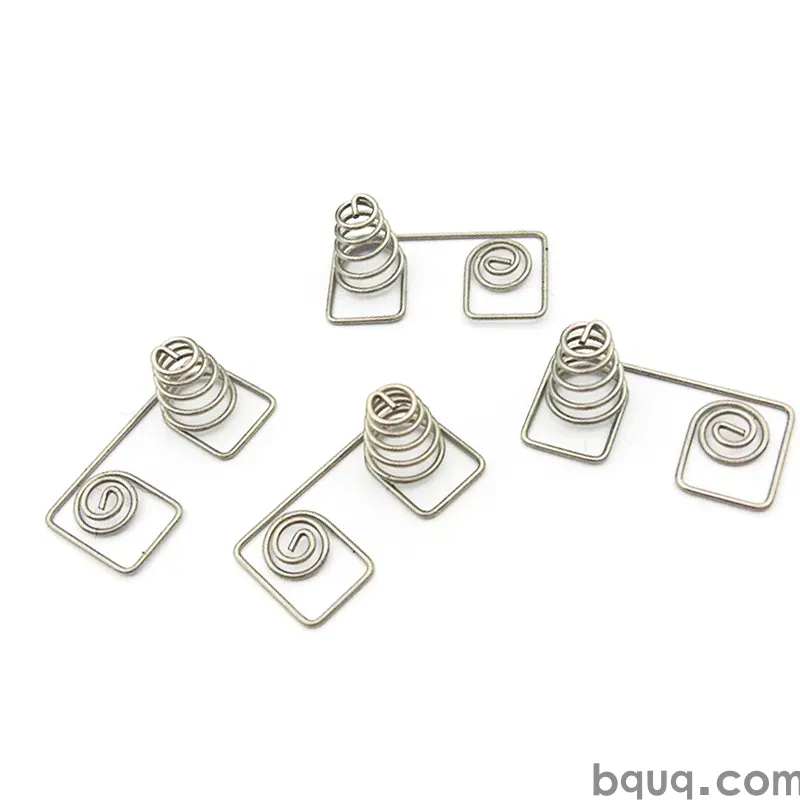
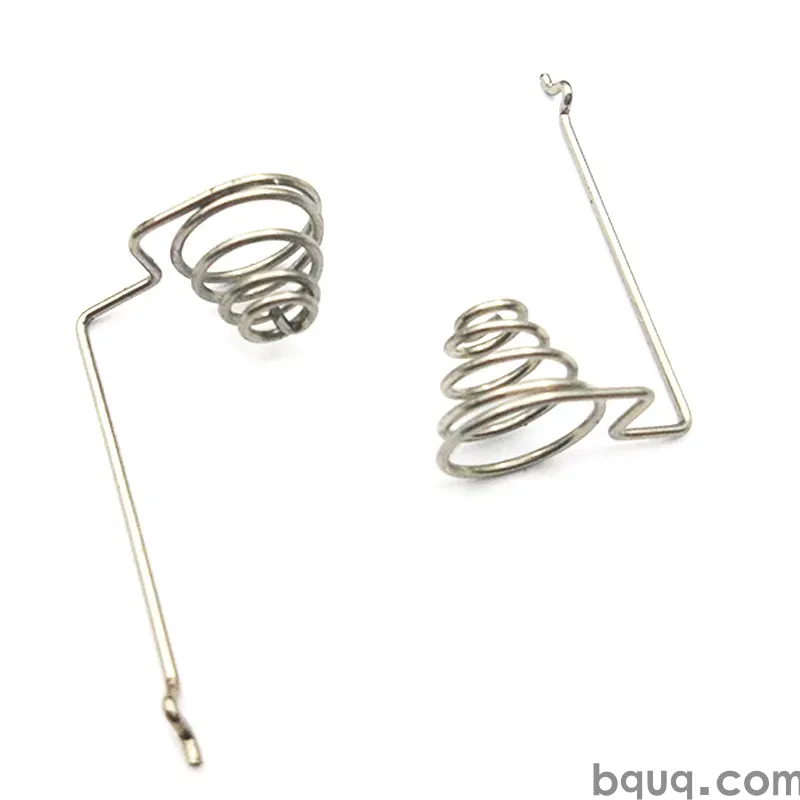
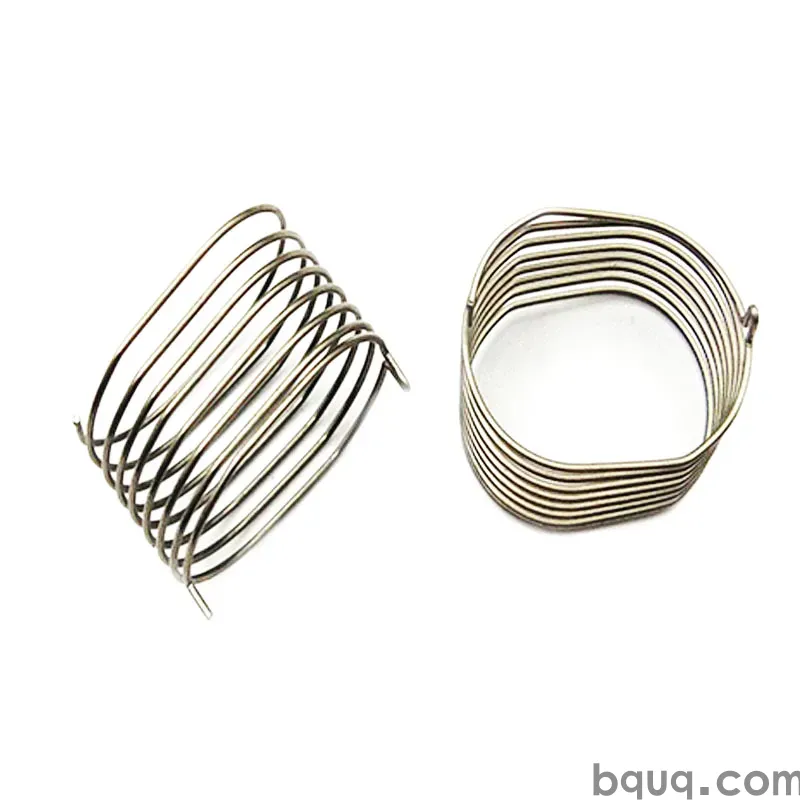
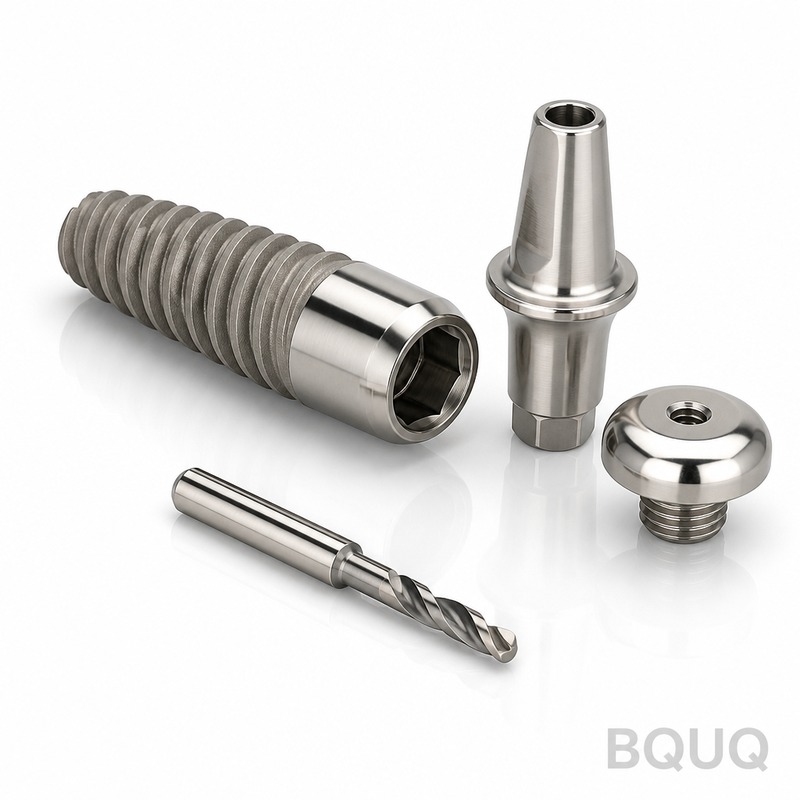
One structural advantage worth considering: a supplier that runs multiple processes under one roof removes the handoff delays that consume capacity elsewhere. BQUQ runs CNC machining to ±0.005 mm, metal stamping, custom springs, and heat sink production across four production lines in one ISO9001 factory in Dongguan. That means a stamped bracket and its machined mating part can be scheduled against the same calendar rather than two independent queues.
It also means capacity questions have one answer instead of three. When you ask "when can you start?", you are asking one planner, not coordinating a chain of subcontractors.
For buyers negotiating volume commitments alongside slot bookings, the trade-offs are covered in MOQ negotiation — capacity flexibility and minimum order quantity are usually the same negotiation.
Frequently Asked Questions
Q: How far in advance should I book a production slot in China?
A: For standard CNC or stamping work, 3–4 weeks ahead is usually enough outside peak season. Add tooling lead time if a new die or fixture is required, which typically pushes the horizon to 8–12 weeks. If your requirement date falls near Chinese New Year or the Q3–Q4 export peak, book 8–12 weeks ahead regardless of order size. Always confirm the slot in writing with a date range.
Q: Is a quoted lead time the same as a booked capacity slot?
A: No. A lead time is an estimate based on typical conditions; a slot is a reserved window on a specific line with material allocated. Suppliers can quote 15 days and still start your job three weeks late if their queue fills. Ask for a start date and end date in writing, tied to a PO or deposit, and treat verbal assurances as indicative only.
Q: What information should I give a supplier to get an accurate capacity answer?
A: Provide annual or quarterly forecast volume, not just the current order; required ship date; drawing revision status; material and finish specification; and whether tooling is new or existing. Suppliers can only reserve capacity against known inputs. Buyers who share a rolling forecast typically get earlier warnings about bottlenecks and better scheduling priority than buyers who send one-off POs.
Q: How do I tell if a Chinese supplier is a factory or a trading company?
A: Ask which processes are in-house, request a video walkthrough of the specific lines that will run your part, and ask how many shifts operate per day. Factories answer these specifically and quickly. Trading companies tend to give general answers, cannot describe their own shift structure, and are vague about which steps are subcontracted. A live video call during working hours is the fastest test.
Q: Does booking early cost more?
A: Usually not. Most suppliers price on quantity, material, and process, not on how early you book. Early booking mainly protects your delivery date and reduces expediting costs later. Where early commitment does help commercially is in volume negotiation — a confirmed forecast gives the supplier reason to hold pricing and reserve capacity. Flexible MOQ arrangements let you book a slot without committing to full volume upfront.
Related Resources
- About BQUQ — ISO9001 factory in Dongguan with four production lines under one roof
- CNC machining services — ±0.005 mm precision machining capacity
- Custom metal stamping — press capacity and tooling lead times
- Industry trends — capacity, tariffs, and supply chain shifts
- Technical articles — sourcing, tolerances, and manufacturing guides
- FAQ — quoting, MOQ, and lead time questions answered
- Contact — send drawings for a quote in 12 working hours
Authored by the BQUQ Engineering Team. BQUQ (Dongguan) runs CNC machining (±0.005 mm), metal stamping, custom springs, and heat sink production in one ISO9001 factory. Source-direct from Dongguan, China — quote in 12 hours: sc@bquq.com | WhatsApp +86 13713157787 | www.bquq.com