Price Negotiation With Chinese Suppliers: Fair and Effective
Short answer: Negotiate with a cost model, not a target price. Ask for a line-item breakdown — material, machine time, labor, finishing, tooling, packaging, freight — then attack the drivers you can actually change: tolerance class, blank size, batch size, tooling amortization and payment terms. A credible ask on a 10,000-piece stamped bracket often moves 8–15% without touching anyone's margin; a bare "give me 20% off" usually moves nothing but the supplier's willingness to quote you again. At BQUQ, quotes go out within 12 working hours with the breakdown attached, so the conversation starts from numbers, not guesses.
Why "Give Me Your Best Price" Fails in China
Most Western buyers open with a discount demand. Most Chinese factory owners have heard it a thousand times and have a rehearsed answer: a small concession, a longer lead time, or a quiet downgrade in material grade.
The problem is structural. A precision parts factory quoting a machined housing or a stamped terminal is not working from a retail markup. In a typical job, direct material is 35–55% of the price, machine time 15–30%, labor 10–20%, finishing and inspection 5–15%, and the rest is tooling amortization, packaging, overhead and a single-digit net margin. There is no 20% cushion sitting in the price waiting to be released.
So the productive question is never "how much can you cut?" It is "which of these cost lines can we redesign together?" That reframing changes the tone of the whole relationship — and it is the difference between a supplier who protects your schedule and one who quietly deprioritizes your orders.
Get the Cost Breakdown Before You Get the Discount
Ask for a quote structured like this. Any serious factory can produce it; a trading company usually cannot.
| Cost line | What to ask for | Typical share of unit price |
|---|---|---|
| Raw material | Grade, temper, supplier, blank size, scrap rate | 35–55% |
| Machine time | Cycle time per part, hourly rate, number of operations | 15–30% |
| Labor | Direct operators, inspection labor, setup allocation | 10–20% |
| Finishing | Plating, anodizing, passivation, deburr, tumble | 5–15% |
| Tooling | One-time cost, cavity count, expected life in strokes | Amortized or one-time |
| Packaging & freight | Inner packing, carton, pallet, Incoterm | 2–8% |
| Overhead & margin | Factory overhead rate, net margin | 10–20% combined |
Two things to watch. First, if material is quoted at 30% for a stainless part, the factory is either using a lower grade or losing money — ask which. Second, if tooling is "included free," it is amortized into the unit price, which means you are paying for it every order and never owning it. Ask for the tooling cost separately and negotiate ownership.
The Seven Levers That Actually Move Price
1. Tolerance class
This is the single biggest lever in precision work. Moving a bore from ±0.005 mm to ±0.02 mm can eliminate a finishing pass, a grinding operation or a temperature-controlled inspection step. On a family of parts where only one dimension is truly critical, specify that dimension tightly and release the rest. Buyers regularly find 10–20% on parts they assumed needed blanket tight tolerances.
2. Blank size and material utilization
For stamping and wire forming, the blank layout is the price. A 3 mm reduction in strip width across a 500,000-piece run saves more than most buyers ever win at the negotiating table. Ask your supplier to send the strip layout or wire-feed drawing with the quote. If they will not, that is a signal.
3. Batch size and MOQ
Setup time is a fixed cost. Doubling a batch can cut the per-unit setup contribution in half. This is the honest version of MOQ negotiation — see how to negotiate MOQ with Chinese suppliers for the full arithmetic. If your demand is genuinely small, ask for a shared-tooling or shared-material arrangement rather than pretending you will buy 50,000 units.
4. Tooling structure and ownership
Three common models:
| Tooling model | Who pays upfront | Unit price effect | Best for |
|---|---|---|---|
| Fully paid by buyer | Buyer, one-time | Lowest unit price | Long-life programs, buyer owns tool |
| Amortized over N units | Nobody upfront | Higher unit price until N | New programs, uncertain volume |
| Supplier-owned, shared | Nobody | Lowest upfront, medium unit | Standard parts, non-proprietary design |
Buyers who pay tooling upfront and own it usually save 5–12% per unit over a multi-year program — and they can move the tool to a second source later, which is leverage in itself.
5. Payment terms and currency
A 30% deposit / 70% before shipment is standard. Moving to 30/70 against a bill of lading copy, or offering a shorter payment cycle for a price concession, is a real trade. Some factories will give 1–3% for a 100% deposit on the first order. Decide whether your cash flow is worth more than the discount.
6. Volume tiers with honest forecasts
Suppliers price risk. If your forecast swings wildly, they price the worst case. Give a 12-month rolling forecast with a committed minimum band, and ask for a price ladder tied to it. A tiered structure — 1k / 10k / 50k pieces — is fairer than a single number and easier to defend internally.
7. Freight, packaging and Incoterm
FOB versus EXW versus DDP can swing landed cost by several percent. Consolidated cartons, reduced inner packaging, and pallet optimization are unglamorous but real. Ask what the supplier's packaging cost per unit is and whether a returnable or thinner-wall design is acceptable.
A Fair Negotiation Framework: Five Steps
1. Benchmark first. Get three quotes on the same drawing with the same tolerance callouts and the same Incoterm. Apples to apples, or the comparison is noise.
2. Request the breakdown on the two most credible quotes.
3. Identify the gap. If one quote is 25% higher, is it material grade, machine time, or margin? The breakdown answers this in one page.
4. Propose changes, not discounts. "If we release these four dimensions to ±0.05 mm and increase the batch to 5,000, what happens to the price?" is a question a factory can answer with a number.
5. Lock the terms in writing. Price, tolerance, material grade, inspection method, lead time, packaging, and the conditions under which price can change. This belongs in a quality and commercial agreement — the structure in our China quality agreement guide covers the commercial clauses too.
What Is a Fair Price, Actually?
Fair does not mean cheapest. It means the supplier earns enough to keep the machine running, keep the inspector honest, and keep your order on schedule when a rush job lands.
| Signal | Healthy | Warning |
|---|---|---|
| Margin transparency | Willing to discuss cost lines | Refuses any breakdown |
| Material spec | Names grade and mill | "Same as before" |
| Tooling | Separate line, clear ownership | "Free tooling" with no detail |
| Lead time | Consistent with capacity | Promises anything |
| Change orders | Written, priced, acknowledged | Verbal "no problem" |
| Price validity | 30–90 days with material index | Open-ended |
A supplier quoting 30% below the pack on a precision part is not efficient — they are either buying material you have not approved, skipping inspection, or planning to renegotiate after the first order. All three cost more than the discount.
Where the Real Savings Live
Across a typical precision parts program, the savings stack roughly like this:
| Action | Typical saving | Effort | Reversible? |
|---|---|---|---|
| Release non-critical tolerances | 10–20% | Low | Yes |
| Optimize blank / strip layout | 5–15% | Medium | Yes |
| Consolidate batches, raise MOQ | 5–12% | Low | Yes |
| Buy and own tooling | 5–12% per unit | Medium | Yes |
| Standardize material grades across parts | 3–8% | Medium | Yes |
| Redesign for fewer operations (DFM) | 10–30% | High | Partly |
| Pure price pressure | 0–5% | Low | No — erodes trust |
Notice that the largest and most durable wins come from design and specification decisions, not from haggling. That is why the best buyers send a DFM request with every RFQ. Our guide to sourcing precision parts from China walks through the full RFQ package that makes this possible.
Negotiating Across Processes
The levers differ by process, and applying the wrong one wastes everyone's time.
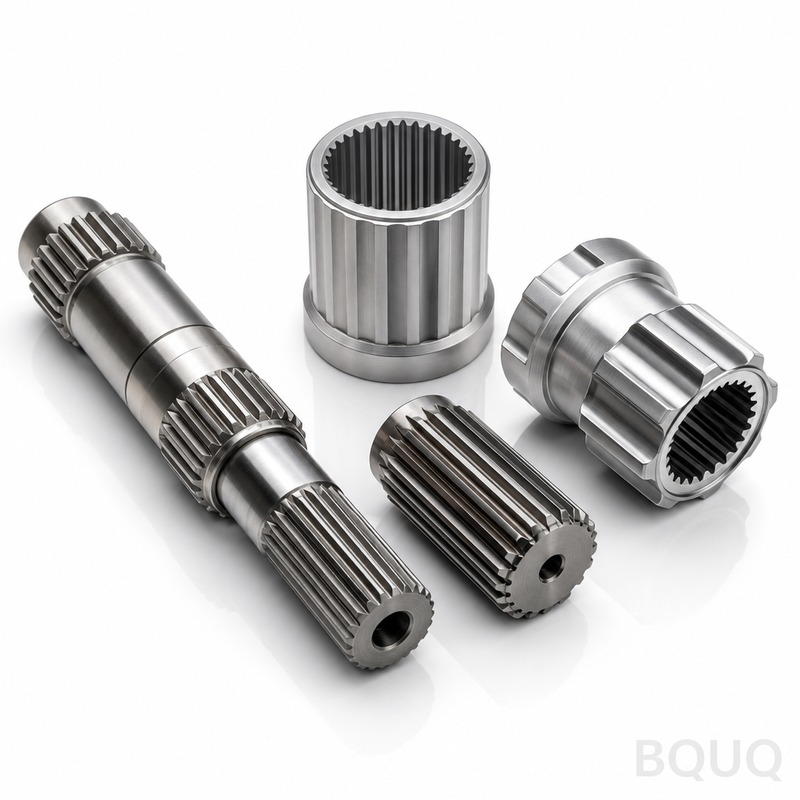
- CNC machining — cycle time and tolerance dominate. Ask about fixturing, tool life, and whether a 5-axis setup replaces three operations. See CNC machining services.
- Metal stamping — blank layout, cavity count and tooling life dominate. Progressive dies cost more upfront and less per part. See custom metal stamping.
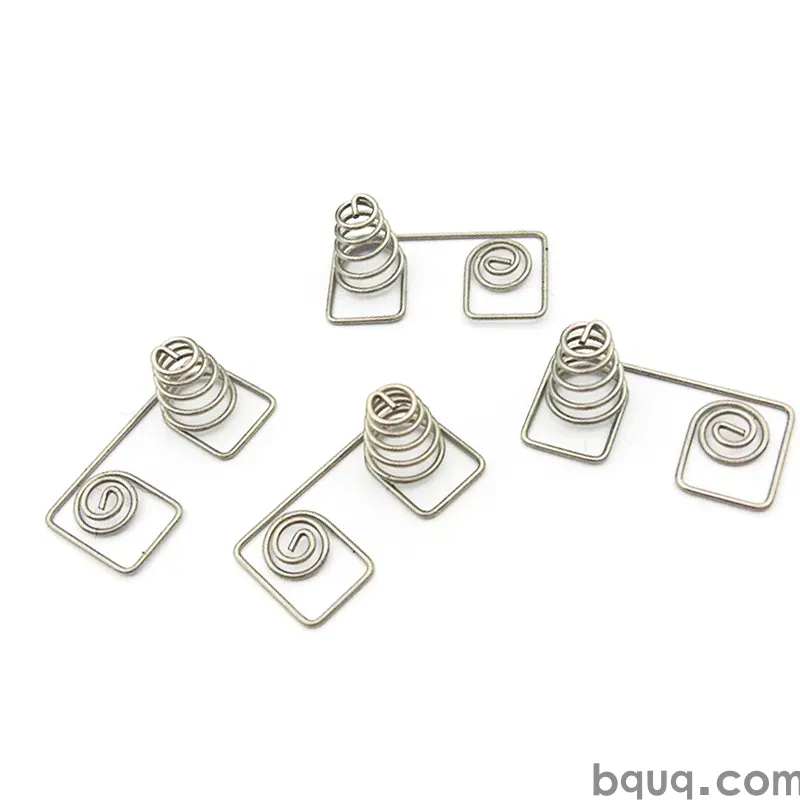
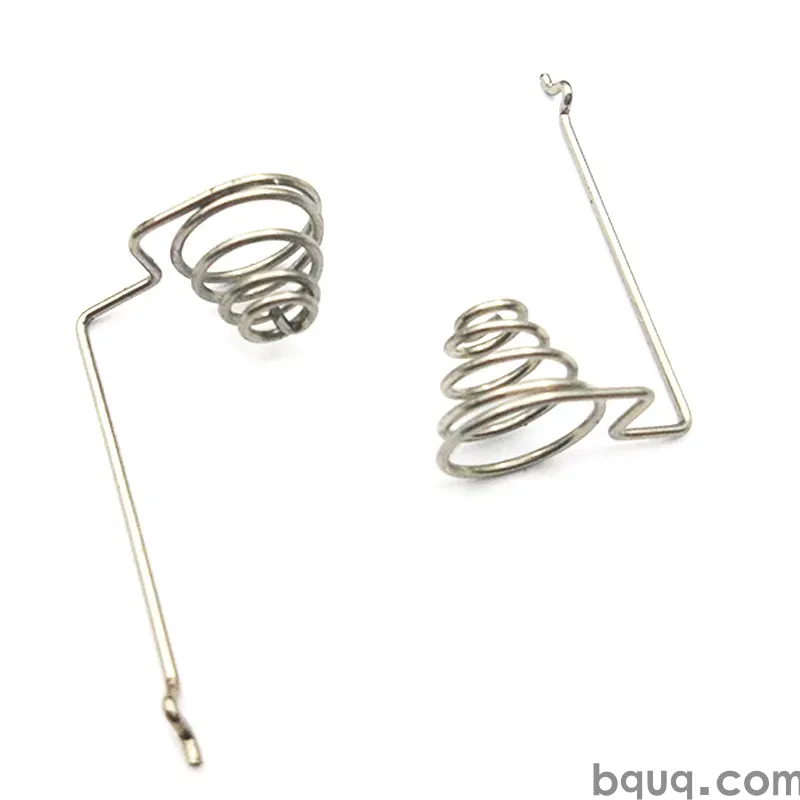
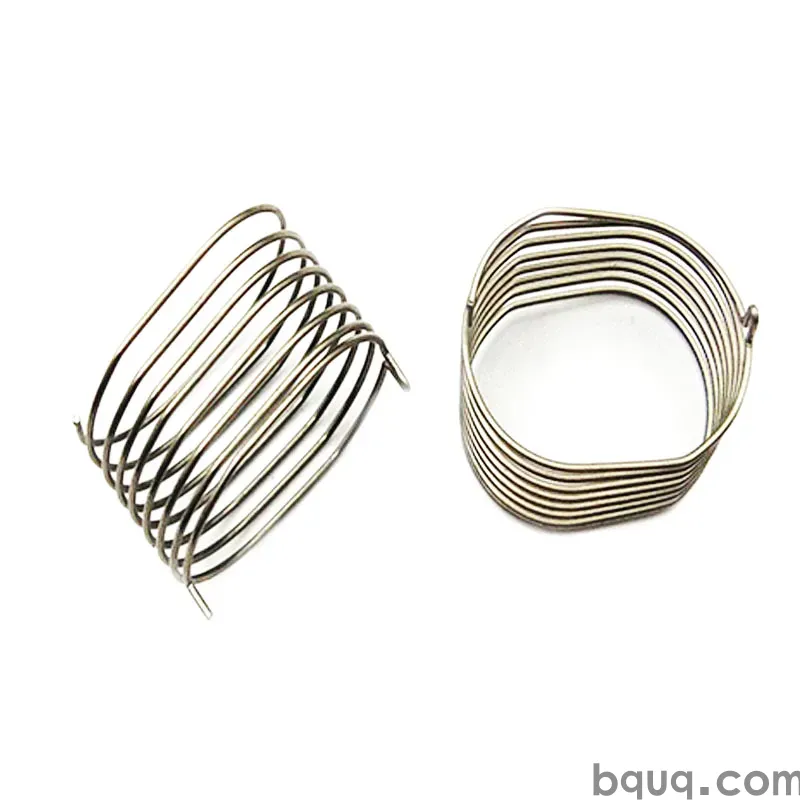
- Springs and wire forms — wire diameter, coil count, end configuration and plating dominate. A change in end grind or a switch from stainless to music wire can move price more than any discount. See compression springs.
- Heat sinks — extrusion profile, skiving versus bonded fin, and surface finish dominate. Tooling for a new extrusion profile is a real cost; reusing a standard profile is often the whole negotiation.
Common Mistakes That Cost Buyers Money
- Negotiating before specifying. You cannot compare prices on drawings that differ in tolerance, material or finish.
- Hiding your real volume. Suppliers price for the volume they believe. Sandbagging gets you a high price and a suspicious partner.
- Winning the price, losing the schedule. A supplier squeezed below cost will move your order behind a better-paying customer at the first capacity crunch.
- Ignoring the total landed cost. Unit price is one line. Freight, duty, inspection, rework and inventory carrying cost are the rest.
- Never revisiting the price. Material indices move. A fair price today is not a fair price in eighteen months. Build a review clause into the agreement.
- Treating the factory as an adversary. The best pricing conversations are engineering conversations with a commercial ending.
Frequently Asked Questions
Q: How much discount can I realistically get from a Chinese supplier?
A: On a well-quoted precision part, expect 5–15% from specification and volume changes, not from pressure. A 20%+ cut on a first quote usually means the first quote was padded or the supplier plans to recover it later. Ask for the cost breakdown and negotiate the drivers: tolerance class, blank size, batch quantity, tooling ownership and payment terms.
Q: Should I ask for the tooling cost separately or let them amortize it?
A: Ask separately. A separate tooling line tells you the real investment, lets you own the tool, and gives you a second-source option later. Amortization is fine for uncertain volumes, but you should know the amortization quantity and what happens if you never reach it. Get tooling ownership in writing.
Q: Is it rude to ask a Chinese factory for a cost breakdown?
A: No — professional buyers do it constantly, and serious factories expect it. Frame it as a design-for-manufacturing conversation rather than an audit. "We want to understand which cost lines we can influence" works well. A factory that refuses any breakdown on a custom part is usually a trading company or is hiding a material substitution.
Q: How do I negotiate price without damaging the relationship?
A: Bring data and offer something in return — a firmer forecast, a larger batch, faster payment, or a relaxed tolerance. Never reopen a settled price without a reason. And pay on time. A buyer who pays on schedule has far more negotiating room on the next program than one who haggles hard and pays late.
Q: When should I renegotiate an existing price?
A: Review annually, or when the material index moves more than about 5%, when your annual volume changes by more than 30%, or when you make a design change that alters cycle time or blank size. Build a price-review clause into the agreement so the conversation is scheduled rather than adversarial.
Related Resources
- About BQUQ and our four production lines in one Dongguan factory: /about/
- CNC machining, metal stamping, springs and heat sinks: /cnc-machining/, /custom-metal-stamping/, /compression-springs/
- Industry trends and sourcing shifts: /industry-dynamics/
- Technical articles and engineering guides: /bquq-blog/
- Frequently asked questions: /faq/
- Case studies: /case/
- Talk to an engineer — quotes in 12 working hours: /contact/
Authored by the BQUQ Engineering Team. BQUQ (Dongguan) runs CNC machining (±0.005 mm), metal stamping, custom springs, and heat sink production in one ISO9001 factory. Source-direct from Dongguan, China — quote in 12 hours: sc@bquq.com | WhatsApp +86 13713157787 | www.bquq.com