Sourcing Heat Sinks: Capability and Tooling Questions
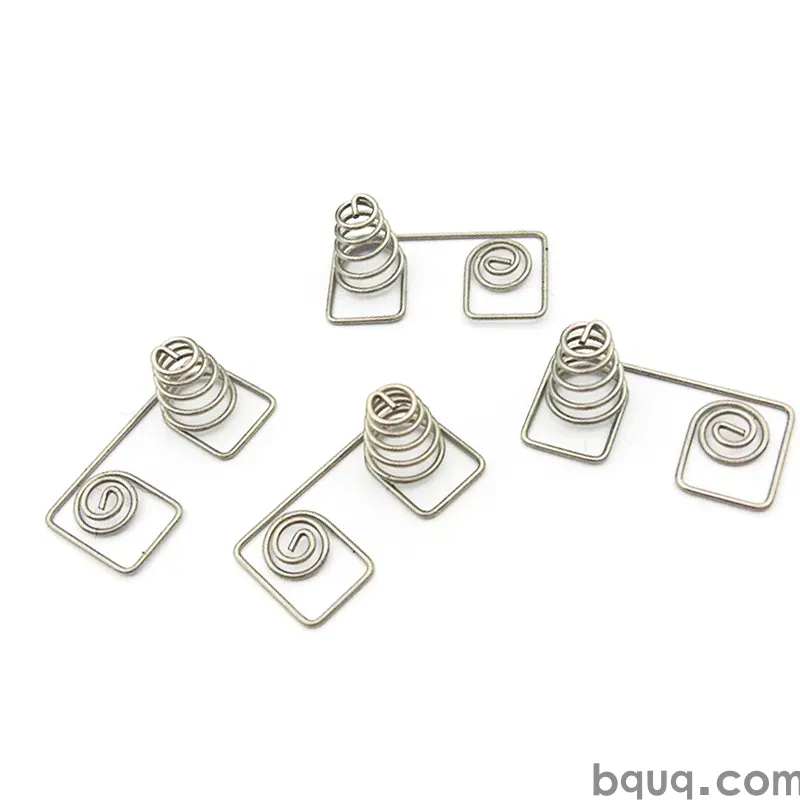
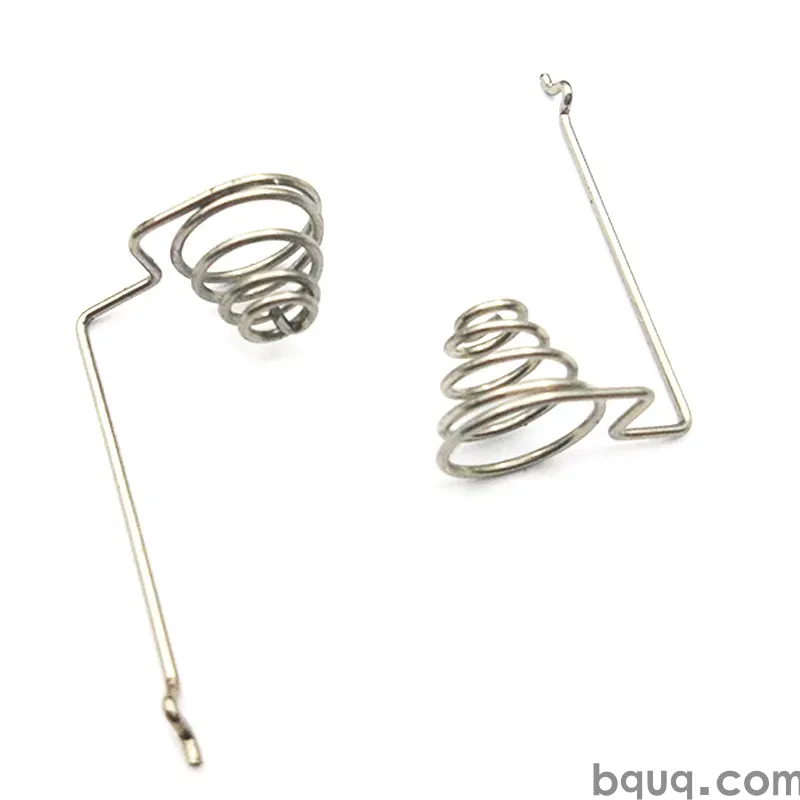
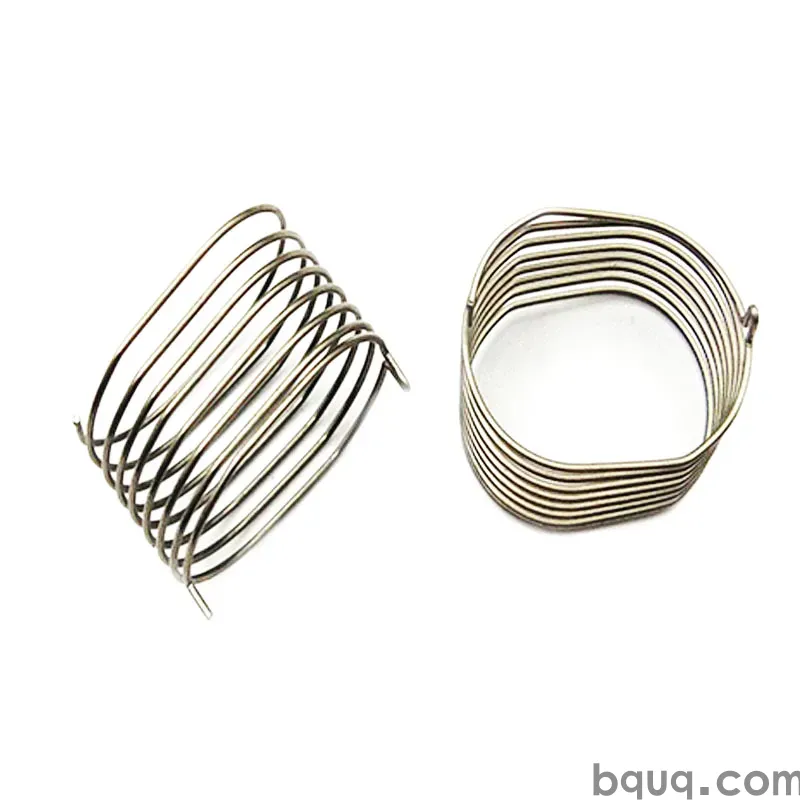
Short answer: Qualify a heat sink supplier on five things: the processes they actually own (extrusion, skiving, die-casting, CNC finishing, or stamping), their achievable tolerances and flatness, how tooling is designed, owned, and amortized, their thermal validation capability, and their finishing and inspection discipline. Ask for the process route per part number, not a catalog. A supplier that owns the full chain — profile, cut, machine, finish, inspect — controls lead time and cost far better than a trader. BQUQ runs CNC machining to ±0.005 mm, stamping, springs, and heat sink production across four lines in one Dongguan ISO9001 factory, with quotes returned in 12 working hours and flexible MOQ for first builds.
Why heat sinks are a sourcing trap
A heat sink looks simple on a drawing: a block of aluminum with fins. That simplicity is exactly what makes sourcing risky. Buyers compare unit prices from three or four suppliers, pick the cheapest, and discover six weeks later that the fin geometry cannot be extruded at the aspect ratio shown, that the base flatness drifts after anodizing, or that the tooling was quoted as a one-time charge but is legally owned by the supplier.
Heat sink performance is a system property. Thermal resistance depends on fin thickness, fin spacing, base thickness, interface flatness, surface finish, and the thermal interface material — not on the metal alone. A supplier who quotes only "aluminum 6063, black anodized" without asking about your airflow, mounting force, or TIM has not understood the part.
The sourcing question is therefore not "who is cheapest per gram of aluminum." It is "who can hold the geometry that makes the thermal path work, repeatably, at the volume I need."
The five capability questions that actually matter
1. Which heat sink processes do you run in-house?
There are five common routes to a heat sink, and they are not interchangeable:
| Process | Best for | Typical fin aspect ratio | Tooling reality |
|---|---|---|---|
| Aluminum extrusion + cut/machine | Long, straight fins, high volume | Up to ~10:1 (indicative) | Die cost is significant; amortized over volume |
| Skiving | Dense, thin fins, high performance | Up to ~20:1 (indicative) | Program + fixture, low tooling, slower cycle |
| Die casting | Complex 3D shapes, bosses, integrated features | Low, chunky fins | Mold cost high, best at high volume |
| CNC machining from billet | Prototypes, low volume, tight tolerances | Limited by tool reach | No tooling, highest per-part cost |
| Stamping / bonded fin | Thin plate fins, clips, brackets, EMI shielding | N/A | Progressive die, very high volume |
A supplier who only extrudes will quote extrusion even when skiving is the right answer. A supplier who only machines will quote billet even when a die would cut your cost by 60 percent at 50,000 pieces. The right supplier tells you which route fits your volume band and explains why.
2. What tolerances and flatness can you hold?
For heat sinks, the critical dimensions are rarely the outside envelope. They are:
- Base flatness (often 0.05–0.10 mm across the interface, tighter for high-power devices)
- Base thickness and its variation
- Fin thickness and fin-to-fin pitch consistency
- Hole positions for mounting and clip retention
- Surface roughness on the mating face
Ask for the inspection method, not just the number. Flatness measured with a height gauge on a granite plate is a different claim from flatness measured on a CMM with a defined datum. BQUQ machines heat sink features on CNC equipment holding ±0.005 mm where the drawing requires it, and we state the measurement method alongside the tolerance on the inspection report.
3. How is tooling designed, priced, and owned?
This is where most sourcing relationships go wrong. Get answers in writing to four sub-questions:
- Who owns the die or mold, and does ownership transfer on payment?
- Is the tooling cost amortized into unit price, or billed once?
- What is the tool life, and who pays for replacement at end of life?
- If we move the part to another supplier, do we receive the tool, or a tool drawing?
A supplier who refuses to answer these is telling you something. Tooling is often the single largest line item in a heat sink program, and it should be documented like any other asset.
4. Can you support thermal validation, or only geometry?
Most contract manufacturers validate geometry. Fewer validate thermal performance. Ask whether the supplier can supply:
- Dimensional and flatness reports per lot
- Material certificates with thermal conductivity values
- Surface finish and coating thickness measurements
- Sample parts for your own thermal test bench
If the supplier cannot test thermal resistance, that is acceptable — but they must be able to produce parts consistent enough that your test results are repeatable. Consistency is the deliverable.
5. What is the finishing and interface plan?
Anodizing, chromate conversion, nickel plating, and powder coating all change dimensions slightly and can change flatness. Anodize build-up on a mating face can add 5–15 microns per side (typical), which matters on a tight interface. Ask:
- Which finish, and what is the specified thickness range?
- Is the mating face masked during coating?
- Does the finish pass a thermal cycling check without flaking?
For stamped heat sink clips and EMI shielding that accompany the sink, the same discipline applies. BQUQ produces custom metal stamping including clips and brackets in the same factory, which removes a second supplier from the chain.
Process route selection: a practical comparison
Volume is the dominant variable in heat sink cost structure. The table below is indicative — actual crossover points depend on fin geometry and tolerance.
| Annual volume | Recommended route | Tooling burden | Unit cost trend |
|---|---|---|---|
| 1–500 | CNC from billet | None | High per part, low risk |
| 500–5,000 | Skived or CNC | Low | Moderate |
| 5,000–50,000 | Extrusion + CNC finishing | Medium–high die cost | Falls sharply |
| 50,000+ | Extrusion or die casting | High, amortized | Lowest per part |
| Any (thin plate fins) | Stamped / bonded fin | Progressive die | Very low at volume |
The mistake buyers make is choosing the route for the wrong volume. A 200-piece prototype run on an extrusion die carries tooling cost that never amortizes. A 100,000-piece program machined from billet carries a unit cost that destroys the business case.
Tooling questions to ask before you issue a PO
Beyond the ownership questions above, ask these during the quoting phase:
1. What is the DFM feedback turnaround? A supplier who returns manufacturability comments within a few days is engaged. One who quotes silently is not.
2. What is the tooling lead time, separately from production lead time? These are often conflated in quotes and cause schedule surprises.
3. What sample approval process do you use? First article inspection, capability study, or just a visual check?
4. What happens if the first shots are out of tolerance? Who absorbs the rework and the delay?
5. Can you run a pilot lot before full tooling commitment?
BQUQ's quoting cycle is 12 working hours, and DFM feedback is part of that response rather than a separate later step. For programs moving from prototype to volume, that early manufacturability loop is often worth more than a few percent of unit price. Our prototype-to-production guide covers how to structure that transition.
Inspection and documentation: what to demand
Heat sink failures are usually dimensional or interface failures, not bulk material failures. Your inspection plan should target the interface.
| Characteristic | Method | Typical frequency |
|---|---|---|
| Base flatness | CMM or height gauge on granite | Per lot, or per drawing |
| Fin pitch / thickness | Optical or CMM | First article + periodic |
| Mounting hole position | CMM | First article + periodic |
| Coating thickness | Eddy current / XRF | Per lot |
| Material grade | Mill certificate | Per heat lot |
| Surface finish (Ra) | Profilometer | First article + periodic |
Ask for the actual report format before the first shipment, not after. A supplier who cannot show you a sample inspection report during the quoting phase will not produce one during production.
Common sourcing mistakes and how to avoid them
- Quoting the metal, not the process. Aluminum price is a small fraction of a finished heat sink. Process route drives cost.
- Ignoring flatness after finishing. Anodizing and plating move the mating surface. Specify masking.
- Assuming tooling transfers. Put ownership in the contract.
- Splitting the sink and the clip across suppliers. Tolerance stack-up between two vendors is a common source of assembly rejects. Keeping both in one factory removes that variable — see our comparison of CNC versus stamping suppliers for how process overlap affects sourcing decisions.
- Skipping the DFM loop. A heat sink designed without manufacturing input often has fins that cannot be cut economically.
- No pilot lot. Tooling surprises are cheaper to find at 200 pieces than 20,000.
For teams managing multiple categories, our notes on the DFM feedback loop explain how to make manufacturability review a standing step rather than an emergency.
Where BQUQ fits
BQUQ is a Dongguan source factory running four production lines under one ISO9001 system: CNC machining to ±0.005 mm, metal stamping, custom springs, and heat sink production. That combination matters for heat sink programs because a finished assembly often needs a machined base, a stamped clip, and a spring or fastener — all from one quality system, one inspection standard, and one shipment.
We quote in 12 working hours and work with flexible MOQ, which suits buyers running pilot builds before volume commitment. Our CNC machining capability covers billet heat sinks, skived profiles, and finishing operations on extruded stock.
Frequently Asked Questions
Q: What is the most important question to ask a heat sink supplier?
A: Ask which heat sink processes they run in-house and which they subcontract. A supplier who owns extrusion, skiving, CNC finishing, and inspection controls lead time and quality. A supplier who brokers all four adds margin and risk without adding capability. The answer also tells you whether their recommended process route is driven by your part or by their equipment list.
Q: How do I decide between extruded and skived heat sinks?
A: Extrusion suits long straight fins at high volume, where die cost amortizes. Skiving suits dense, thin, high-aspect-ratio fins and lower volumes, because tooling is minimal and fins can be thinner. As a rule of thumb, below roughly 5,000 pieces per year skiving or CNC usually wins; above that, extrusion becomes attractive. Confirm with your supplier using your actual fin geometry.
Q: Should tooling cost be amortized into the unit price?
A: Either model can work, but the choice has consequences. Amortized tooling lowers upfront cash and ties you to that supplier until the tooling is paid off. Separately billed tooling costs more upfront but keeps you free to move. Whichever you choose, get tool ownership, tool life, and transfer conditions in writing before the purchase order is issued.
Q: How do I verify heat sink flatness is actually being held?
A: Require a dimensional report with each lot, stating the measurement method and datum. Flatness measured on a granite plate with a height gauge and flatness measured on a CMM are different claims. Ask for the fixture or datum definition, and request first-article inspection before volume release. If the supplier cannot show a sample report during quoting, treat that as a warning sign.
Q: Can one factory supply the heat sink, clip, and spring?
A: Yes, and it is usually preferable. Splitting a sink and its retention clip across two suppliers introduces tolerance stack-up at assembly and doubles your incoming inspection and logistics. A factory running CNC, stamping, and spring lines under one ISO9001 system can control the interface dimensions together. BQUQ operates all four lines in one Dongguan facility.
Related Resources
- About BQUQ and our Dongguan factory: /about/
- Heat sink and CNC machining capability: /cnc-machining/
- Custom metal stamping for clips and brackets: /custom-metal-stamping/
- Industry trends and sourcing signals: /industry-dynamics/
- Technical articles and engineering guides: /bquq-blog/
- Frequently asked questions: /faq/
- Case studies: /case/
- Contact the engineering team: /contact/
Authored by the BQUQ Engineering Team. BQUQ (Dongguan) runs CNC machining (±0.005 mm), metal stamping, custom springs, and heat sink production in one ISO9001 factory. Source-direct from Dongguan, China — quote in 12 hours: sc@bquq.com | WhatsApp +86 13713157787 | www.bquq.com