Sourcing a Multi-Process Manufacturing Partner
Short answer: A multi-process partner is worth sourcing when a single part family needs two or more processes — typically CNC machining, metal stamping, spring forming, or heat sink fabrication — and your current supply chain spends more on coordination than on metal. Consolidation pays when annual spend per part family exceeds roughly USD 30,000–50,000, when tolerance stacks cross process boundaries, and when you can verify all processes run under one quality system. Expect a real one-stop factory to quote in about 12 working hours, hold ±0.005 mm on CNC work, and accept flexible MOQ on first orders. Below that threshold, separate specialists with a strong incoming-inspection routine usually cost less.
Why multi-process sourcing breaks down in practice
Most sourcing problems are not price problems. They are interface problems.
A stamped bracket arrives at tolerance. The tapped holes are in the right place. Then the mating CNC-machined insert does not seat, because the stamping house measured hole position from its own datum and the machine shop measured from a different one. Nobody is wrong. The drawing was ambiguous about datum hierarchy, and two suppliers each resolved it differently.
That is the hidden tax of splitting a part across vendors:
- Datum and tolerance-stack disputes. Each supplier optimizes its own feature and blames the neighbor when assembly fails.
- Freight and handling loops. Parts travel between vendors, get repackaged, and pick up cosmetic damage.
- Duplicate quality overhead. Two PPAP-style packages, two first-article reports, two sets of certificates.
- Schedule coupling. The stamping tool slips three days; the machining slot you booked three weeks ago is gone.
- Slow root-cause loops. A defect found at your line takes days to trace back through two companies and a truck.
None of this shows up in a unit-price comparison. It shows up in expedite fees, scrap, and your own engineering hours.
What "multi-process" actually means — and what it does not
The phrase is overused. A trading company with a WeChat contact at every workshop will call itself a one-stop solution. So will a machine shop that outsources its own plating.
Use a stricter definition. A genuine multi-process manufacturing partner:
1. Owns the primary processes under one roof — the machines are on its floor, run by its staff, under its quality system.
2. Controls the interfaces — one engineering team owns the datum scheme and the tolerance stack across processes.
3. Holds one accountability line — one PO, one inspection report, one person who answers when something is wrong.
4. Has a documented quality system — ISO9001 at minimum, with traceable inspection records.
5. Can show you the handoff — how a stamped blank becomes a machined assembly, physically and in the paperwork.
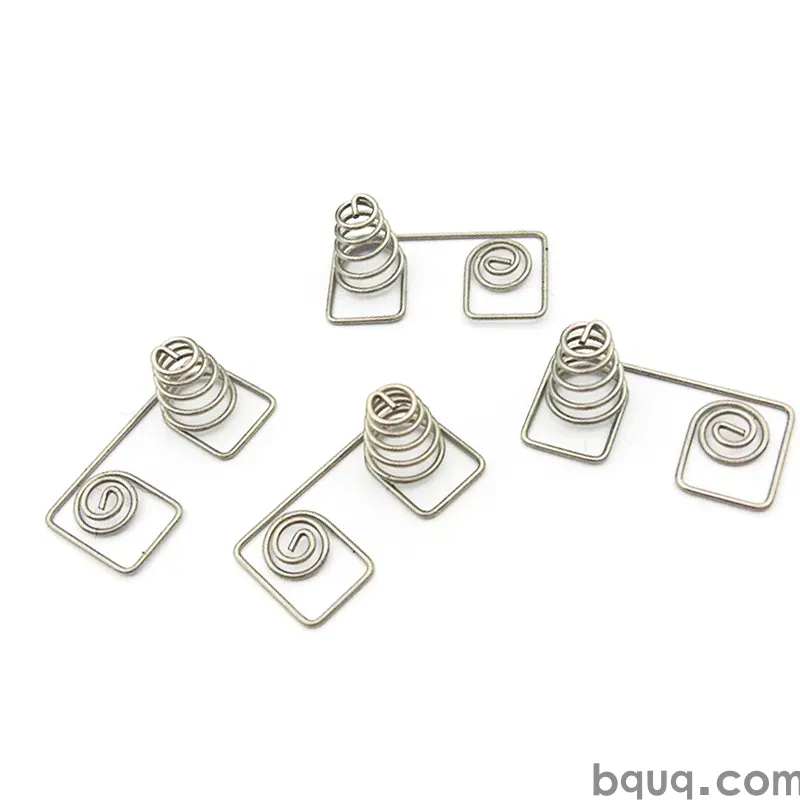
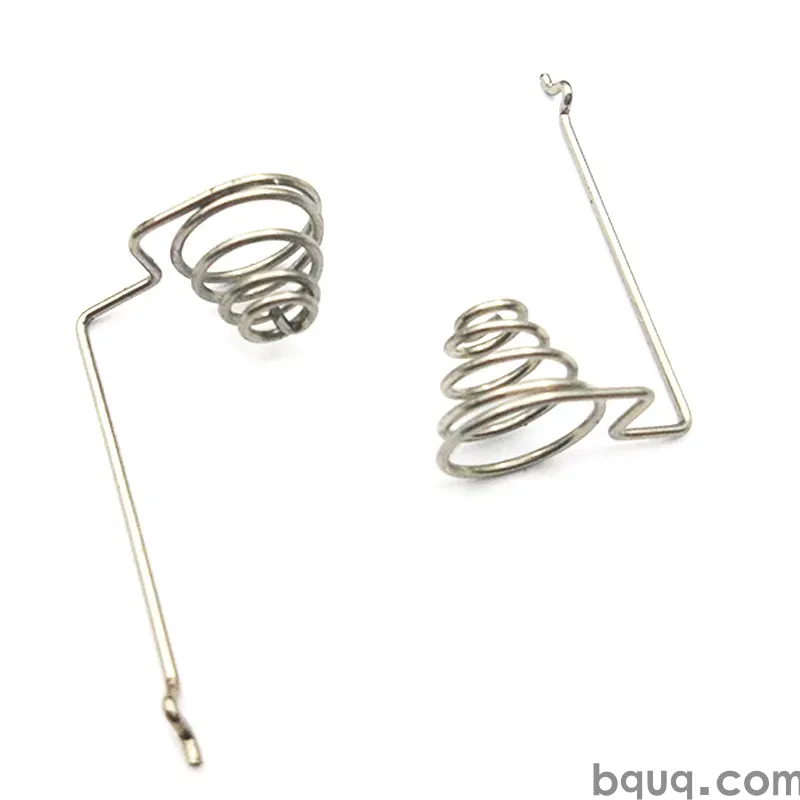
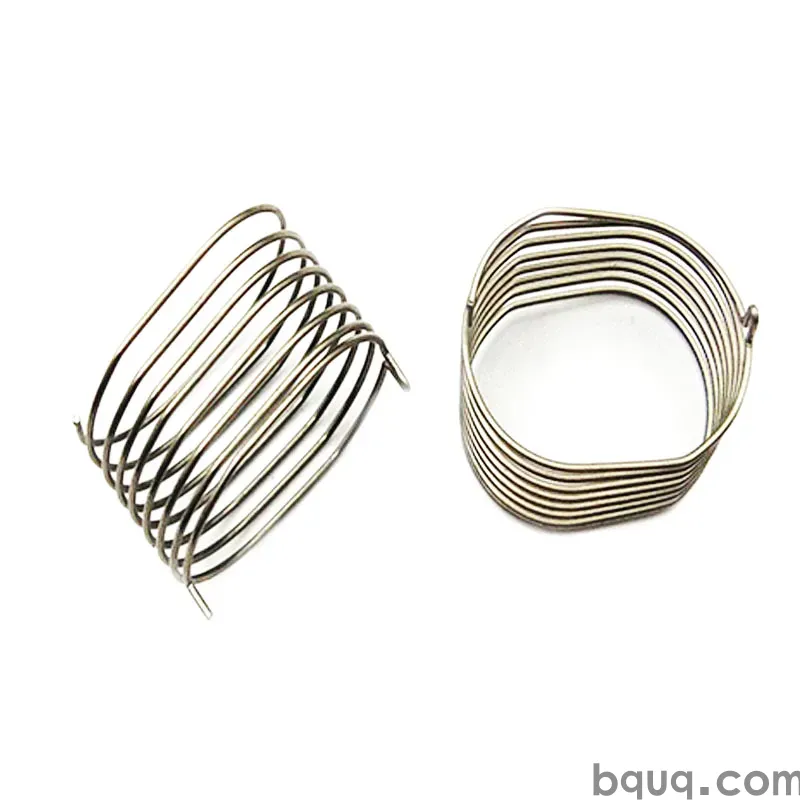
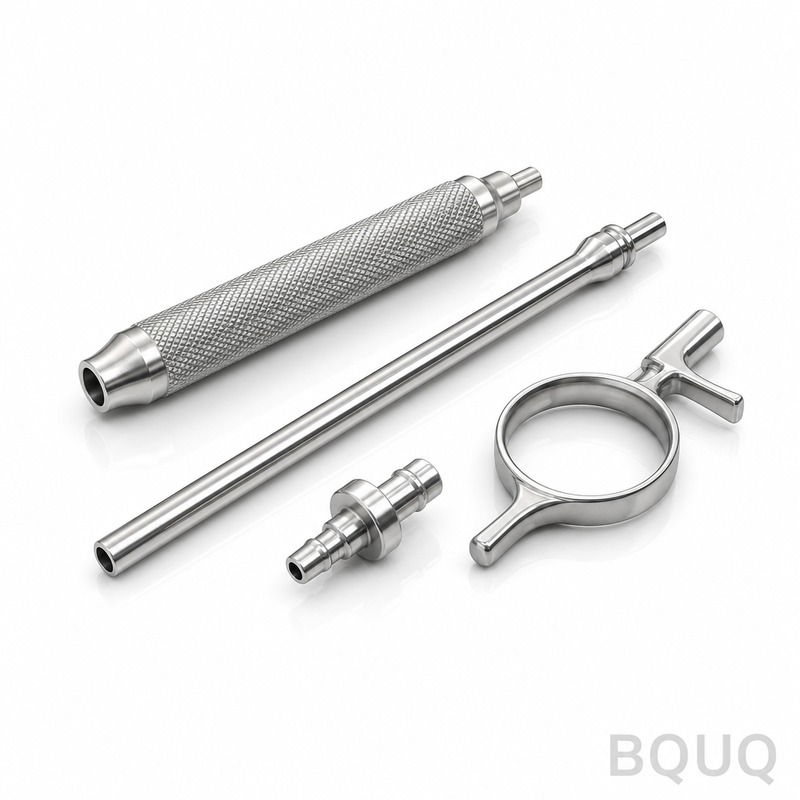
BQUQ, for example, runs four production lines in one Dongguan factory covering CNC machining, metal stamping, custom springs, and heat sinks. That is the shape of a real multi-process source: several distinct process disciplines, one building, one quality gate.
What it is not: a promise to make anything. A partner that claims every process is usually subcontracting half of them.
The consolidation math: when one partner beats three
Run this before you shortlist anyone. It is deliberately simple — the point is to expose the coordination cost you have been absorbing silently.
| Cost element | Three specialists | One multi-process partner |
|---|---|---|
| Unit price per process | Lowest (each vendor sharpest) | 3–8% higher typical |
| Inbound freight between vendors | 2 legs, billed | Eliminated |
| Repackaging and handling | 2 events | Eliminated |
| First-article / inspection packages | 3 separate | 1 consolidated |
| Engineering time on interface issues | 20–60 h/yr typical | 5–15 h/yr typical |
| Expedite and air freight | Frequent | Rare |
| Scrap from tolerance mismatch | 1–4% of volume typical | Under 1% typical |
| Payment, audit, and admin overhead | 3 vendor records | 1 vendor record |
At 10,000 parts a year with a USD 4.00 total processed cost, the unit-price penalty for consolidation is about USD 3,200–12,800. The coordination savings — engineering hours at a loaded rate of USD 60–100/hour, plus freight, plus scrap — typically land in the same range or above it. The crossover sits near USD 30,000–50,000 of annual spend per part family.
Below that, split the work. Above it, consolidate. The figures above are indicative; substitute your own.
Capability matrix: matching part families to processes
The fastest way to screen candidates is a capability matrix. Fill the left column with your actual part families, then mark which processes each one touches.
| Part family | CNC machining | Metal stamping | Springs / wire forming | Heat sink fab |
|---|---|---|---|---|
| Machined housing with stamped cover | Yes | Yes | — | — |
| Connector shell with contact spring | — | Yes | Yes | — |
| Thermal module with mounting bracket | Yes | Yes | — | Yes |
| Compression spring in machined seat | Yes | — | Yes | — |
| Stamped lead frame with formed pins | — | Yes | Yes | — |
| Motor lamination stack with shaft | Yes | Yes | — | — |
Any row with three or more marks is a consolidation candidate. Any row with two marks is a judgment call. A single mark means you should be sourcing a specialist, not a generalist.
Note the pattern: the parts that hurt most are the ones where a formed feature must align with a machined feature. That is exactly where split sourcing generates the most rework.
How to vet a claimed multi-process factory
Vetting a multi-process partner is a different exercise from vetting a single-process one. You are not just checking whether they can make the part — you are checking whether the handoffs are real.
1. Ask for the physical layout
Request a plant layout drawing or a walkthrough video showing the process sequence. If stamping presses and CNC cells are in the same building, you will see it. If the answer is a PDF of process descriptions with no floor plan, treat the "one-stop" claim as unverified.
2. Trace one part end to end
Pick a part that uses at least two processes and ask them to walk you through it: incoming material, first operation, in-process inspection, transfer, second operation, final inspection, packaging. Ask specifically: who owns the datum, and where is it established?
The answer tells you whether engineering is centralized or whether each department is its own fiefdom.
3. Check the inspection regime, not the certificate
ISO9001 is a baseline, not a differentiator. What matters is whether inspection is embedded between processes or bolted on at the end. Ask for a sample inspection report showing in-process checks with actual measured values and the gauge used.
4. Test the quoting response
Send a drawing with a genuine tolerance question and see what comes back. A partner that returns a price with no questions is either not reading the drawing or not planning to hold the tolerance. A partner that returns a price plus two DFM notes and a datum proposal is doing the work.
BQUQ quotes in about 12 working hours, which is a useful benchmark: fast enough to keep your project moving, slow enough that someone actually reviewed the drawing.
5. Verify MOQ flexibility on the first order
A multi-process partner that insists on 10,000-piece minimums across every process is not built for prototype-to-production transitions. Flexible MOQ on the first order — even at a modest price premium — is a strong signal that the factory wants a relationship rather than a transaction.
For a deeper screening framework, see our China supplier vetting checklist.
Where multi-process sourcing genuinely wins
Consolidation is not universally better. It wins in specific, identifiable situations.
Tolerance stacks that cross process boundaries. When a machined bore must align with a stamped hole pattern, one engineering team owning both datums removes an entire class of defect.
Compressed development cycles. One quote, one DFM loop, one first-article cycle instead of three. On a new product introduction, that can save two to four weeks.
Low-to-mid volume with high mix. If you run 15 part families at 2,000 pieces each, three vendors means 45 supplier relationships. One partner means 15.
Thermal and mechanical assemblies. A heat sink with a machined base, stamped fins, and a spring clip is a natural single-source part — see our custom heat sink capability alongside metal stamping.
Post-processing coordination. Anodizing, plating, passivation, and heat treatment are all outsourced by most factories. A partner that manages those vendors and owns the final inspection is worth paying for.
Where it does not win: high-volume single-process parts where a dedicated specialist's cycle time and tooling amortization beat anything a mixed factory can offer. A 5-million-piece stamped contact should go to a stamping specialist. Full stop.
Cost model: how to compare a consolidated quote against three specialists
Build the comparison on total landed cost per usable part, not unit price. Our China sourcing cost model covers the full structure; here is the short version.
| Line item | How to estimate |
|---|---|
| Unit price | Quoted, per process |
| Tooling / NRE | Amortized over expected volume |
| Inter-vendor freight | Actual quotes, both legs |
| Packaging and repack | USD 0.05–0.30 per part typical |
| Incoming inspection at your site | Hours × loaded rate ÷ annual volume |
| Scrap and rework | Historical rate × unit cost |
| Expedite risk | Probability × air freight premium |
| Engineering interface time | Hours × loaded rate ÷ annual volume |
| Payment and FX overhead | 0.5–2% of spend typical |
The last four lines are where split sourcing quietly loses. They are also the lines most buyers omit, which is why consolidation decisions often get made on gut feel rather than arithmetic.
One more consideration: dual sourcing. Even after consolidating, keep a qualified second source for your highest-risk part family. Our dual source strategy guide covers how to structure that without giving away your volume leverage.
Onboarding a multi-process partner without losing a quarter
The failure mode after consolidation is a slow ramp. Six months in, you are still running first articles and the savings have not materialized.
Compress it deliberately:
1. Start with the interface part. Onboard the part that touches the most processes first. If the handoffs work there, they will work everywhere.
2. Freeze the datum scheme in writing. One document, signed by both engineering teams, before any tooling is cut.
3. Run a pilot lot at production settings. Not a hand-built sample. Production tooling, production speeds, production inspection.
4. Agree the inspection plan up front. Which features, which gauges, which frequency, which report format.
5. Set a review cadence for 90 days. Weekly for the first month, then biweekly. Most interface problems surface in the first 20 production days.
BQUQ's flexible MOQ policy exists precisely for this stage — small pilot lots at production settings, so you validate the process rather than a sample.
Frequently Asked Questions
Q: How many processes should one supplier handle before consolidation stops making sense?
A: Two to four is the practical sweet spot. Beyond four, you are usually dealing with a coordinator rather than a manufacturer, and the coordination savings shrink while the dependency risk grows. If a part genuinely needs five processes, consolidate the three that share tolerance interfaces and keep the rest specialist.
Q: Is a multi-process partner always more expensive per unit?
A: Usually 3–8% higher on unit price, because a mixed factory cannot match a dedicated specialist's cycle time on any single process. That premium is often recovered through eliminated inter-vendor freight, consolidated inspection, and reduced engineering time. The question is total landed cost per usable part, not unit price.
Q: What tolerance should I expect from a one-stop factory?
A: It depends on the process, not the business model. A capable CNC shop holds ±0.005 mm on machined features; stamping tolerances are governed by tooling and material thickness, typically ±0.05 mm on formed features. Ask for process-specific capability data rather than a single factory-wide number.
Q: How do I verify the factory actually owns all the processes?
A: Ask for a plant layout, then trace one multi-process part end to end and ask who owns each datum. Request a walkthrough video showing the physical transfer between operations. If the answer is process descriptions without floor plans or footage, treat the one-stop claim as unverified until you audit on site.
Q: What MOQ should I expect on a first consolidated order?
A: Flexible MOQ is normal for a partner building a relationship. Expect a modest price premium on pilot quantities rather than a hard minimum. A factory that insists on full production minimums across every process on the first order is optimizing for its own setup cost, not your validation cycle.
Related Resources
- About BQUQ and our Dongguan factory: /about/
- CNC machining capabilities and tolerances: /cnc-machining/
- Metal stamping and tooling: /custom-metal-stamping/
- Compression spring manufacturing: /compression-springs/
- Industry trends and sourcing shifts: /industry-dynamics/
- Technical articles and engineering guides: /bquq-blog/
- Frequently asked questions: /faq/
- Contact our engineering team: /contact/
Authored by the BQUQ Engineering Team. BQUQ (Dongguan) runs CNC machining (±0.005 mm), metal stamping, custom springs, and heat sink production in one ISO9001 factory. Source-direct from Dongguan, China — quote in 12 hours: sc@bquq.com | WhatsApp +86 13713157787 | www.bquq.com