Plating for Stamped Spring Contacts: Gold, Tin and Nickel
Short answer: gold protects low-force, high-cycle contacts; tin serves higher-force, few-mate contacts; nickel is the diffusion barrier under gold, not usually the final surface. Typical thicknesses run 0.1–0.5 µm gold, 2–8 µm tin, and 1–3 µm nickel underplate. Plating choice and contact force are a matched pair — pick one without the other and you get wear, high resistance, or both.
Plating is the part of a stamped contact that touches electricity, survives corrosion, and wears with every mating cycle. It is also the spec buyers most often copy from an old drawing without knowing why. This guide explains what each plating actually does, how thick it should be, and how to match plating to the force and wipe of your stamped spring contact.
What Do Gold, Tin, and Nickel Actually Do?
Gold is noble. It does not form a resistive oxide, so it can carry low-current signals reliably after many mating cycles. It is soft, which keeps contact resistance low, but the same softness means it wears under high force and long wipe.
Tin is cheap and solders easily, but it forms a hard oxide within hours. That oxide is only breached by a firm wipe, which is why tin suits contacts that mate once or a few times under higher force. Tin also tends to cold-weld and frets under micro-motion.
Nickel is a barrier layer. Deposited directly on copper alloys, it stops base-metal atoms from diffusing into the gold above and keeps the joint stable at temperature. When nickel is exposed as the final surface, it is an oxidation-resistant but higher-resistance contact; it is rarely the first choice for a signal interface.
| Layer | Primary job | Typical thickness | Common base |
|---|---|---|---|
| Gold-on-nickel | Stable low-force contact | 0.1–0.5 µm Au | Copper alloy |
| Tin | Solderable, few-mate | 2–8 µm | Brass, phosphor bronze |
| Nickel underplate | Diffusion barrier | 1–3 µm | Under gold |
| Selective gold | Gold on contact only | 0.2–1.0 µm | Saves cost |
| Silver | Very low resistance | 2–10 µm | Power contacts |
The pattern matters: gold is almost always over nickel, not directly over copper. A gold layer without a nickel barrier will fail faster at elevated temperature because base-metal atoms migrate into the gold and raise resistance.
How Thick Should Contact Plating Be?
Thickness is a cost-versus-life decision. Thin plating is cheaper and enough for gentle, low-cycle use; thicker plating survives more mating cycles and harsher wipe but costs more and can build stress at edges.
| Plating | Thickness | Serves | Notes |
|---|---|---|---|
| Gold, flash | 0.05–0.1 µm | Low-cycle, sealed | Porous; corrosion risk |
| Gold, standard | 0.2–0.5 µm | 1,000+ cycles | Common connector spec |
| Gold, heavy | 0.75–1.5 µm | High-cycle, harsh | Higher cost |
| Tin, matte | 3–8 µm | Few-mate, solderable | Needs wipe |
| Nickel underplate | 1–3 µm | Under gold | Prevents diffusion |
Porosity is the hidden variable. A thin gold layer has tiny pores through which the base metal corrodes, and the corrosion product can creep across the surface. Thicker gold and a good nickel underplate close those pores. This is why "gold plated" without a thickness number is not a specification.
Which Plating for Which Contact?
Selection follows directly from force, wipe, and cycle count. The table below maps common stamped contacts to a sensible plating system.
| Contact type | Force | Wipe | Mate cycles | Plating |
|---|---|---|---|---|
| Board-to-board signal | 0.5–2 N | 0.3 mm | High | 0.3–0.5 µm Au/Ni |
| FPC / FFC contact | 0.3–1 N | Low | Low–medium | Selective Au/Ni |
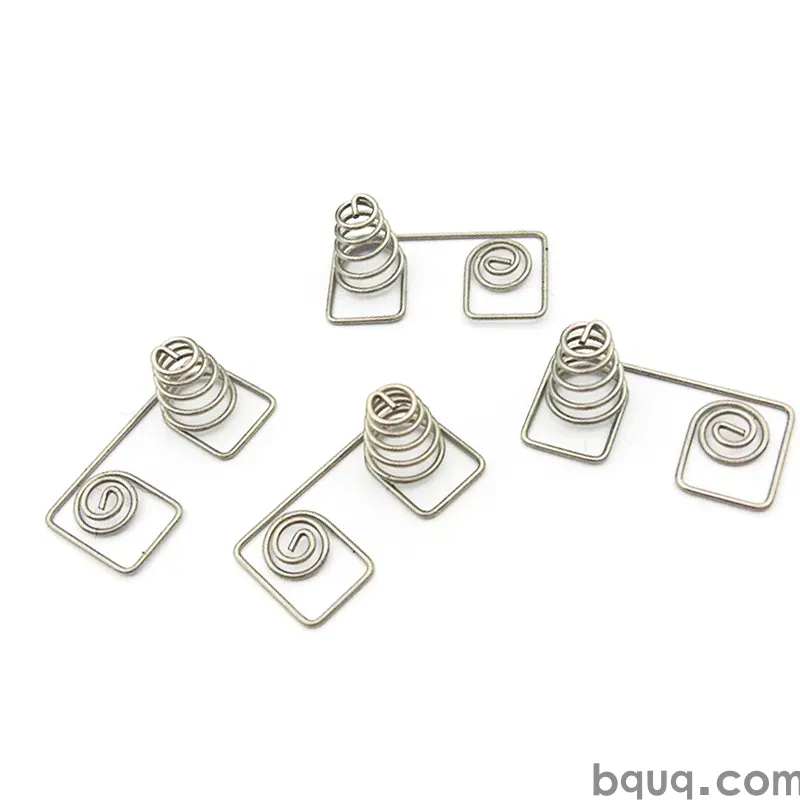
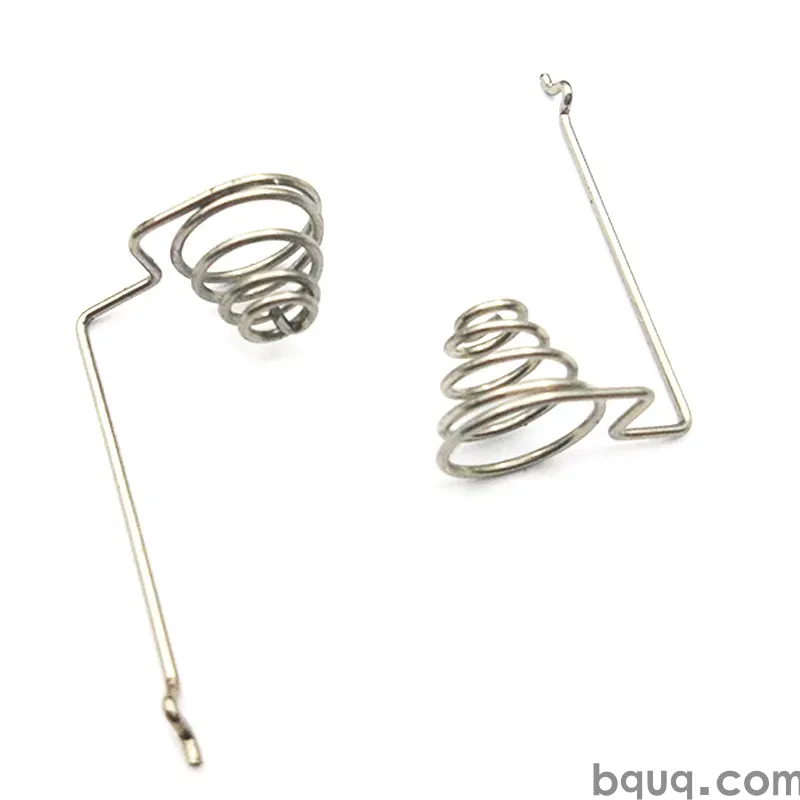
| Battery contact | 1–5 N | Medium | Low | 3–5 µm Sn or Au/Ni |
| Crimp terminal | N/A | N/A | One | 2–8 µm Sn |
| Power busbar joint | 5–15 N | High | Low | 3–10 µm Sn or Ag |
Where a contact sees high force and long wipe, tin's softness under force can smear and generate debris, so gold-over-nickel or silver may serve better. Where a contact mates once, spending on gold is usually wasted. Match the plating to the job, not to habit.
How Does Plating Affect Contact Force and Wear?
Plating changes the friction and wear behavior of the interface, which feeds back into the force and wipe you need. Gold layers are lubricious and wear slowly under light force, so low force works. Tin is grittier; a firm wipe scrapes oxide but also removes material, so the wipe must be enough to clean without cutting through to base metal.
Fretting is the slow enemy. Under vibration, two tin surfaces micro-slide and generate oxide debris that builds resistance until the contact opens. Higher normal force and gold plating both resist fretting far better than low-force tin. If your application vibrates, this single trade-off should drive the whole plating decision. Our terminal material guide covers how base alloy and finish work together.
What Should Be in a Plating Spec?
A complete plating callout names the base alloy, the underplate and its thickness, the surface plating and its thickness, and the areas to be plated. Selective plating — gold only where contact occurs — cuts cost on parts that are mostly non-contact geometry.
State the porosity or corrosion requirement if the environment is harsh, and state whether a post-plating bake is needed to relieve hydrogen embrittlement on high-strength steels. Then verify: XRF thickness measurement per lot and a visual check for skip, blister, and discoloration. Our finishing overview shows how plating sits alongside other secondary operations.
For contacts that must pass both a low-resistance check and a corrosion soak, the plating spec and the force spec have to be designed together. We build contact springs on strip lines in Dongguan and inspect plating thickness per lot before shipment.
Frequently Asked Questions
Q: How thick should gold plating be on a connector contact?
A: For most connectors, 0.2–0.5 µm of gold over 1–3 µm of nickel covers thousands of mating cycles. Below 0.1 µm, gold becomes porous and corrosion can creep through; above 1 µm, cost rises fast for little gain at moderate cycle counts.
Q: Is tin plating good enough for stamped contacts?
A: Tin is fine for contacts that mate few times under firm wipe and moderate force, and it solders well. It is a poor choice for high-cycle or high-vibration contacts because its oxide and fretting behavior raises resistance over time.
Q: Why is nickel used under gold instead of plating gold directly?
A: Nickel is a diffusion barrier. Without it, copper and zinc atoms migrate into the gold at elevated temperature and raise contact resistance. A 1–3 µm nickel underplate keeps the gold interface stable.
Q: Can plating change the normal force of a stamped spring?
A: Not much in the elastic sense, but it changes friction and wear, which affect how much wipe you need and how long the contact stays clean. Plating and force are designed as a system, not separately.
Q: How do you verify plating thickness on production parts?
A: We measure with XRF on a per-lot basis and inspect for skip, blister, and porosity-sensitive areas. Thickness is held to the target on the drawing, and results are reported in the inspection record.
Related Resources
- Stamped contact plating: how plating quality and thickness affect stamped contact reliability.
- Stamped terminals and contacts: precision contact springs and terminals with controlled plating.
- About BQUQ: an ISO9001-certified source factory with in-house plating inspection.
- Contact us: send your contact drawing and get a quote within 12 working hours.
Authored by the BQUQ Engineering Team. BQUQ is an ISO9001-certified source factory in Dongguan, China, running CNC machining, metal stamping, custom springs, heat sink and collet lines under one roof. Send drawings to sc@bquq.com or WhatsApp +86 13713157787 for a quote within 12 working hours. www.bquq.com