Robot joint module synergy case: CNC housing, torsion springs, stamped contacts and micro heat sinks from one factory - one drawing handoff, unified scheduling, one inspection report set. BQUQ multi-process.
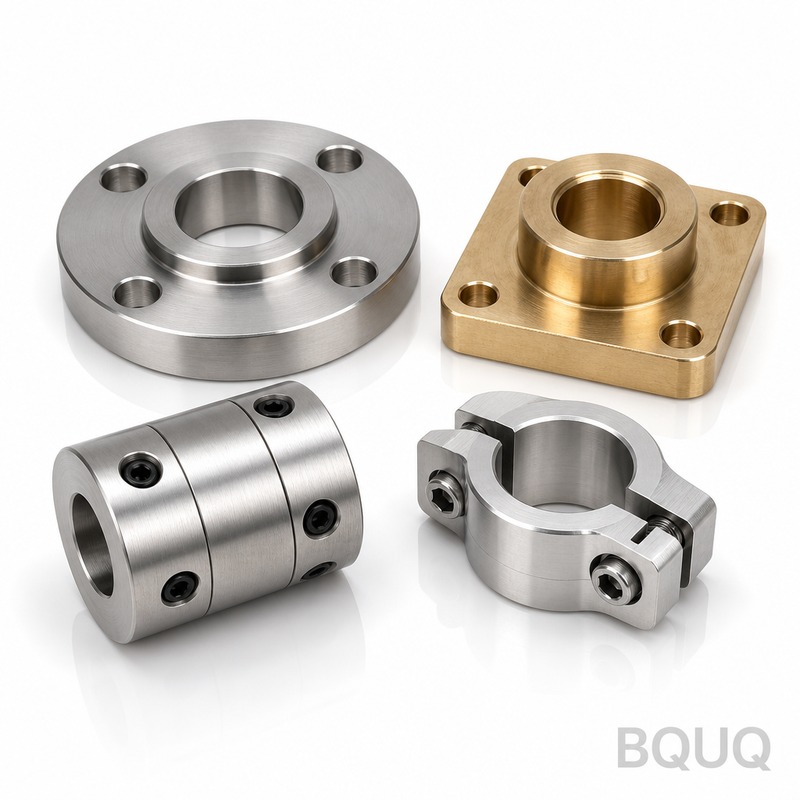
Robot Joint Module Four-Line Synergy Case: CNC Housing + Spring + Stamped Parts + Heat Sink from One Factory
A robot joint module carries CNC-machined structural parts, springs, stamped contacts and a heat sink at the same time - four processes, four materials, four lead times. The usual approach is to find four suppliers and become your own general contractor: send drawings four times, coordinate schedules four times, argue about quality four times, and any single slip delays the whole machine. This is the story we most want to tell: with four lines under one roof, you send the drawing once.
Project Background & Challenge
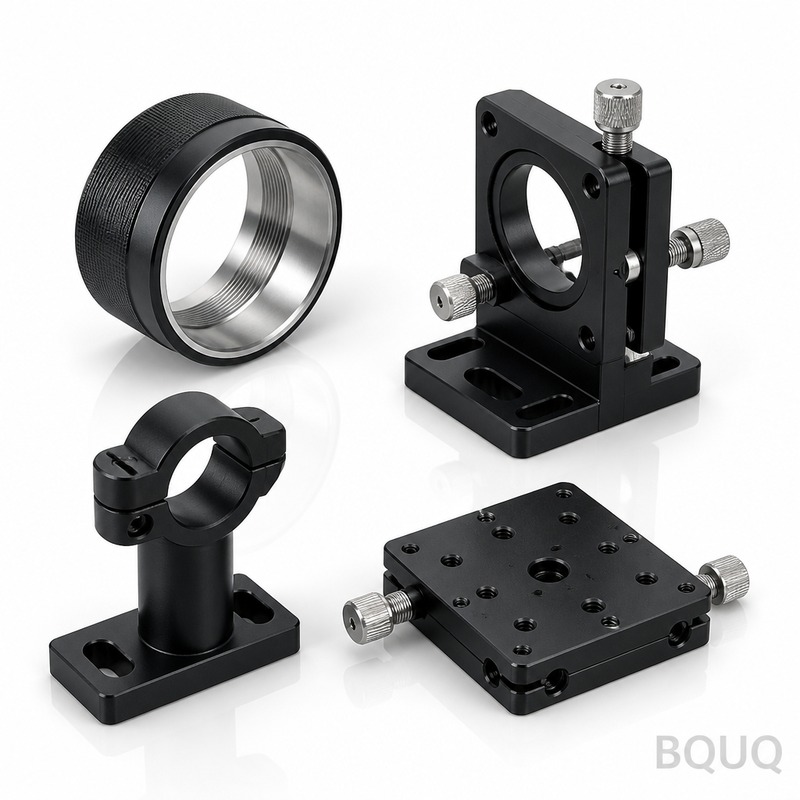
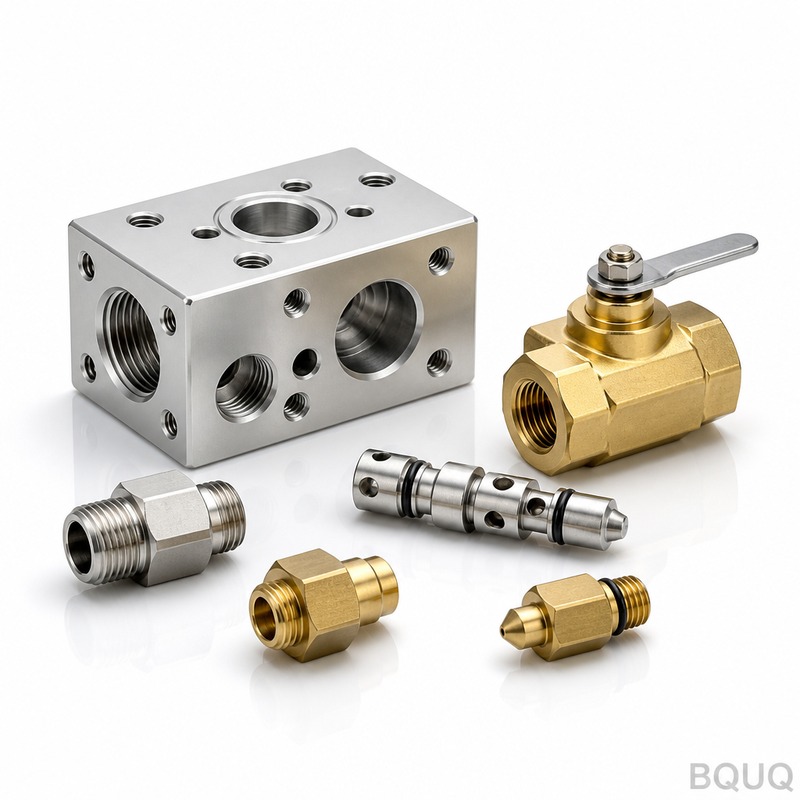
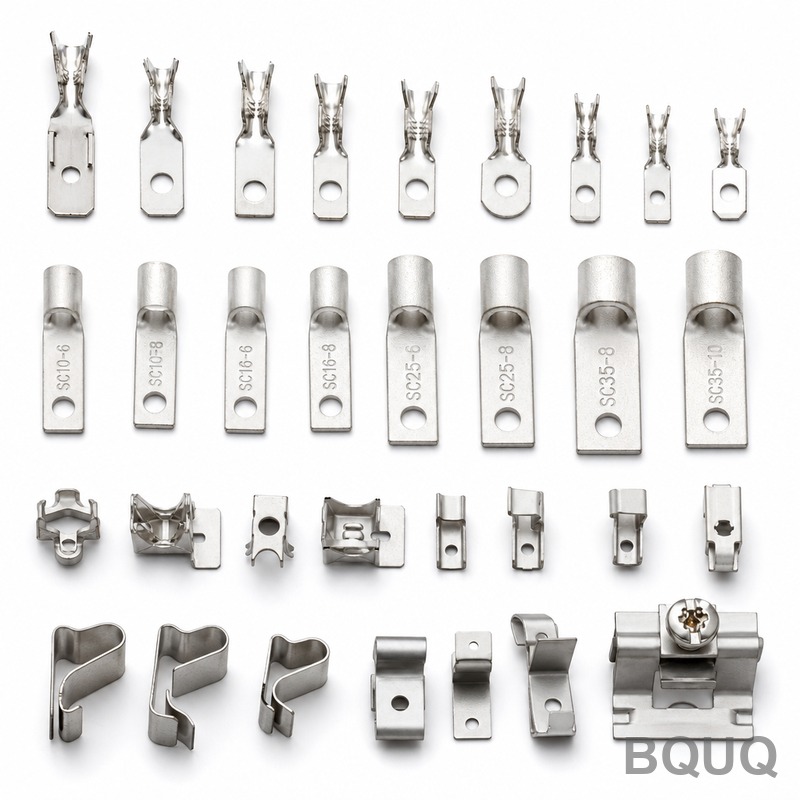
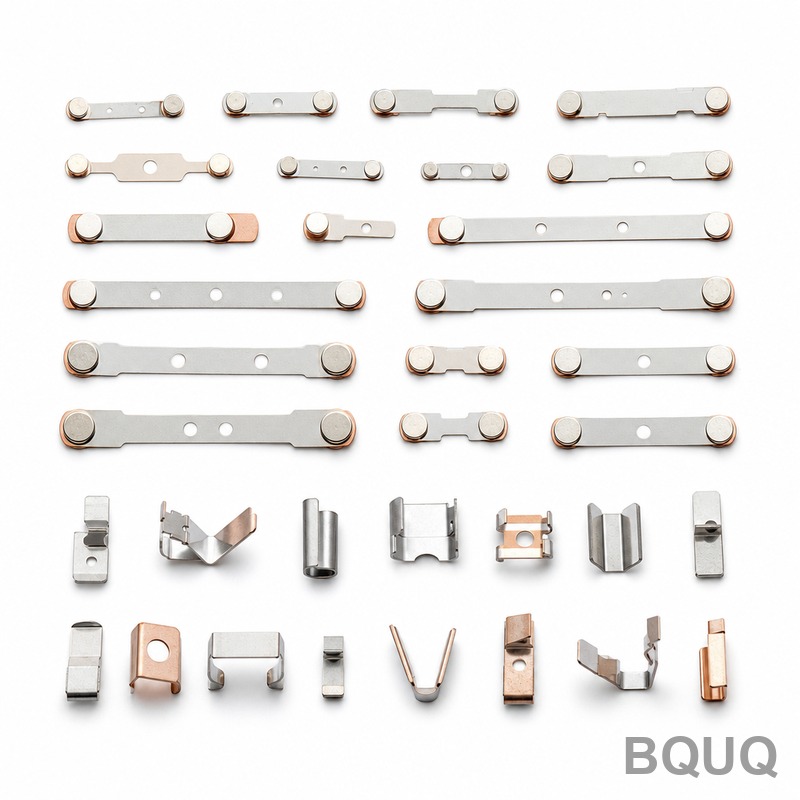
A robotics company developing a new joint module needed four families of critical parts developed in parallel: a 6061-T6 aluminum joint housing (CNC, walls down to 1.2mm), gripper and brake return torsion springs (0.5-0.8mm wire), stamped contacts and shields for the motor position sensor (0.1-0.3mm thin stock), and a micro heat sink for the driver board. Quoting the four parts separately returned sample lead times from 2 to 6 weeks and quality standards that each supplier described in their own language.
The real pain was never "can't find suppliers" - it was "can't manage them": four process languages, four inspection standards, four scheduling interfaces, and a small team with no bandwidth to be the general contractor.
BQUQ Four-Line Synergy Solution
One Window
All four part families are handled by a single project engineer: drawings collected once, process plans reviewed once, pricing issued once. Process conflicts surface at design review - housing-to-contact tolerances, spring force against mechanism load - discussed before any metal is cut.
Unified Schedule & Quality
The four lines are scheduled against one project plan: samples deliver together, volume rolls together, and inspection reports use one format collected in one package. Revisions are a single notification - all four lines respond in sync, so "the housing changed but nobody told the spring guy" never happens.
Key Specifications
| Item | Specification |
|---|---|
| Housing | 6061-T6 CNC, holes ±0.005mm, wall 1.2mm |
| Torsion spring | Stainless, torque ±5%, arm angle ±2° |
| Stamped parts | Phosphor bronze/stainless thin stock, pitch ±0.02mm |
| Heat sink | Extruded/stamped fins, base flatness ≤0.05mm |
| Interface | Single project window, unified scheduling |
| Samples | 3-4 weeks after drawing approval, delivered together |
| System | ISO9001:2015, unified report format |
Quality Control & Delivery
Each part family is inspected to its own process standard - CMM, force sorting, CCD, thermal testing - and the reports are consolidated by the same project engineer. Samples arrive together in 3-4 weeks for one assembly validation. Volume runs on one rolling plan with 48-hour revision response.
Related Products & Resources
Single-process case studies and category pages for the four part families:
- Case: Robotic Joint Reducer Housing CNC Machining
- Case: Robot Gripper Torsion Spring
- Stamping Terminals & Contacts · CNC Machined Heat Sinks
More Q&A is in our FAQ Center. For capabilities, equipment and quality system, visit About BQUQ and Factory Strength.
FAQ
Will quality suffer compared with four specialist factories?
No. Each line runs independently to its own process standards - only the management interface is unified. What you save is management cost: one drawing handoff, one report package, one revision notice.
How much time does the synergy model save?
Sourced separately, sample lead time is the sum of four suppliers plus your coordination time. In synergy the four lines run in parallel - samples together in 3-4 weeks and revisions trigger all four at once. We compress coordination, not process.
What if one line gets busy and drags the others?
Line capacity is scheduled independently against one project plan, so a bottleneck on any line shows up at the planning stage and is re-balanced there - you never get "part A arrived, part B is still queued."