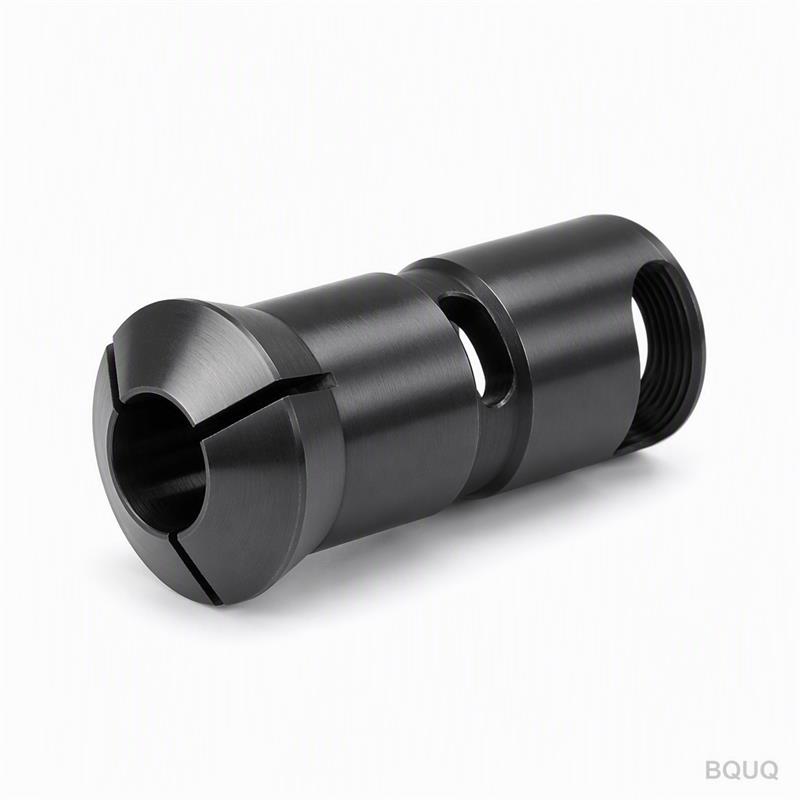
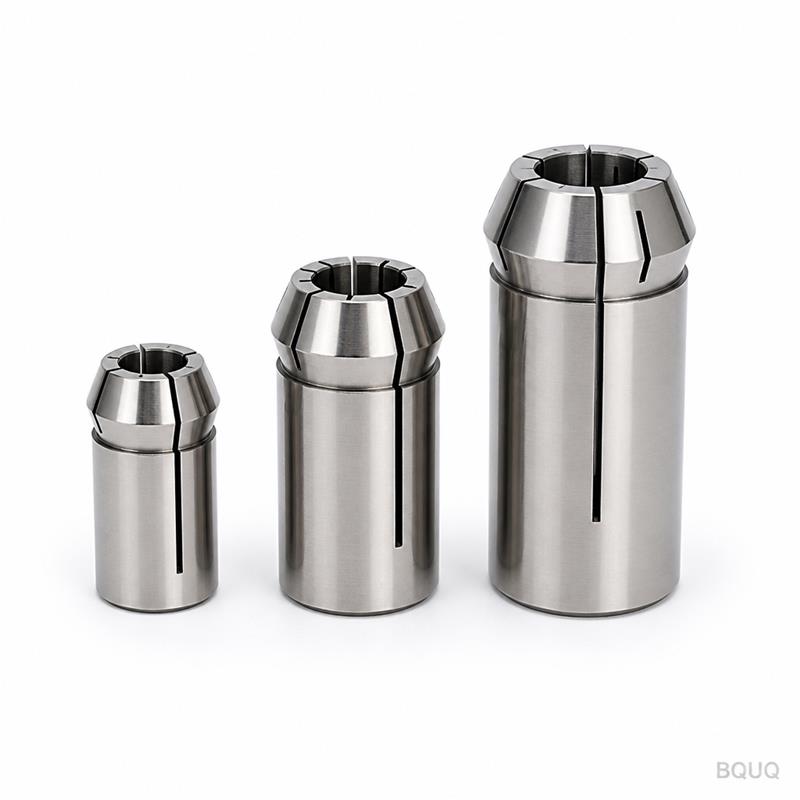
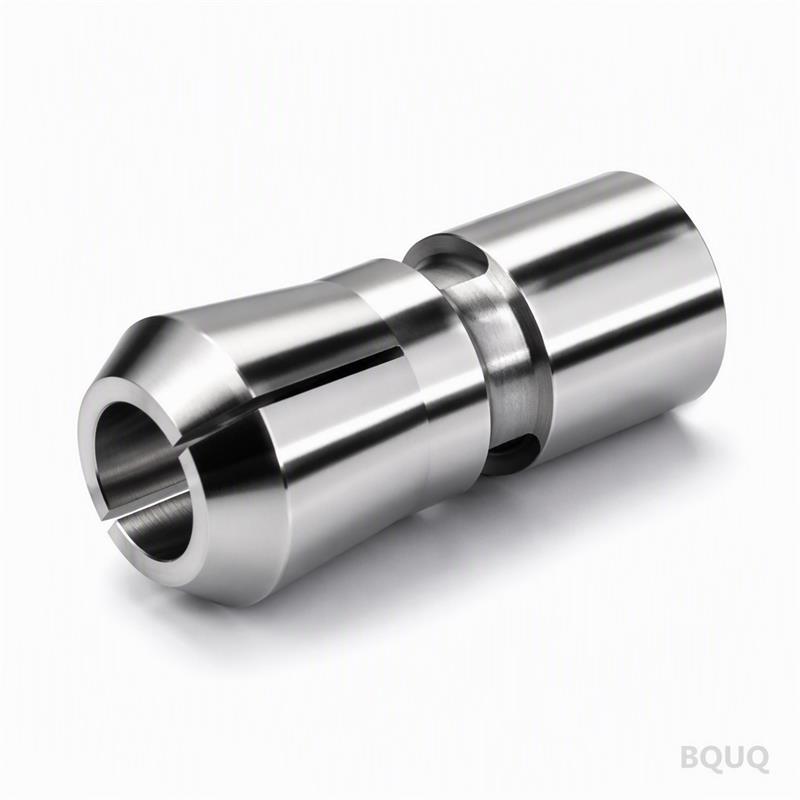
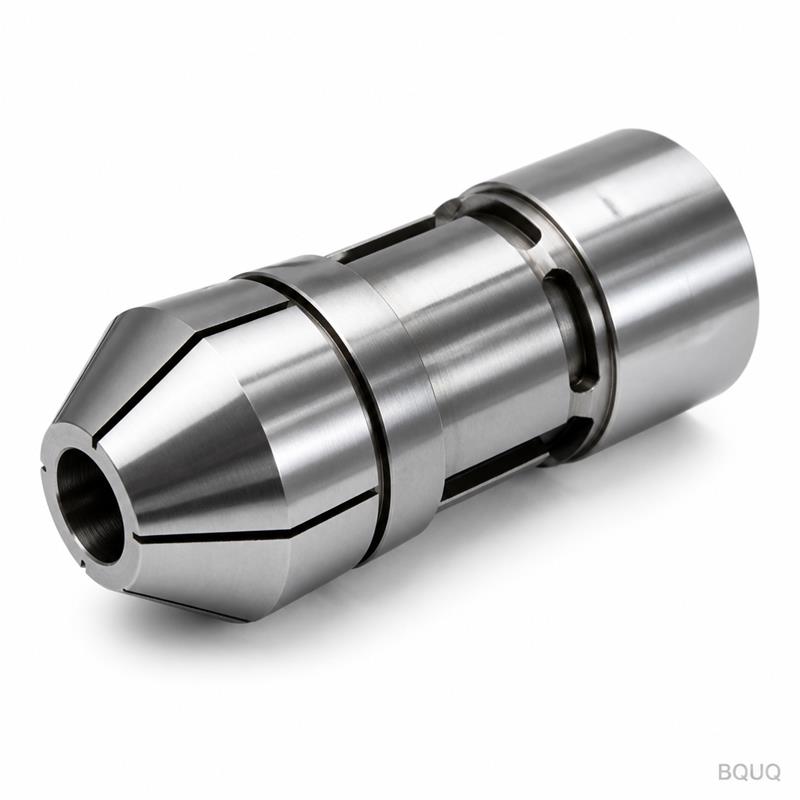
This is a Cnc Machined Auto Lathe 52 Type Quenched Dark Collet Chuck built for high-speed Swiss-type and automatic lathe spindles. It grips bar stock and tool shanks with 0.008 mm
BQUQ CNC Machined Auto Lathe 52 Type Quenched Dark Collet Chuck
This is a Cnc Machined Auto Lathe 52 Type Quenched Dark Collet Chuck built for high-speed Swiss-type and automatic lathe spindles. It grips bar stock and tool shanks with 0.008 mm total runout and a h
Get a Fast Quote for This Part
Send us your drawing / quantity / material — reply within 24h.
This is a Cnc Machined Auto Lathe 52 Type Quenched Dark Collet Chuck built for high-speed Swiss-type and automatic lathe spindles. It grips bar stock and tool shanks with 0.008 mm total runout and a hardness of 58–60 HRC, so you hold tight tolerances at 10,000 RPM without chatter. From drawing to your dock in Dongguan, we ship in 15 days, with no MOQ for your first prototype order.
Why 52 Type Collets Beat Standard ER Collets on Auto Lathes
The 52 Type profile matches the pull-back geometry of Citizen, Star, and Tsugami auto lathes, converting spindle drawbar force into radial clamping force. Standard ER collets lose grip under axial pull; this design uses a hardened taper angle of 16 degrees to lock the collet body into the chuck seat. You get 20% more clamping torque than a standard ER32 collet at the same drawbar pressure. The 'Quenched Dark' finish is a black oxide layer applied after hardening, which adds a 0.002 mm lubricious film that prevents galling on the bar stock surface during high-feed operations.
Materials and Heat Treatment We Use for 58–60 HRC
We start with 20CrMnTi case-hardening steel, not cheap 1045. The blank is rough-turned, then carburized at 930°C for 6 hours to reach a case depth of 0.8–1.2 mm. After quenching in 160°C hot oil and tempering at 180°C, the surface hardness lands at 58–60 HRC, while the core stays at 32–36 HRC for toughness. That combination stops the collet from cracking under repeated spring-back cycles. We grind the OD and ID on a Studer S33 cylindrical grinder, holding the taper to 0.003 mm roundness. The dark oxide finish is applied in-house in a 30-minute alkaline bath—no outside plating delays.
Critical Dimensions We Machine and Inspect on Every Chuck
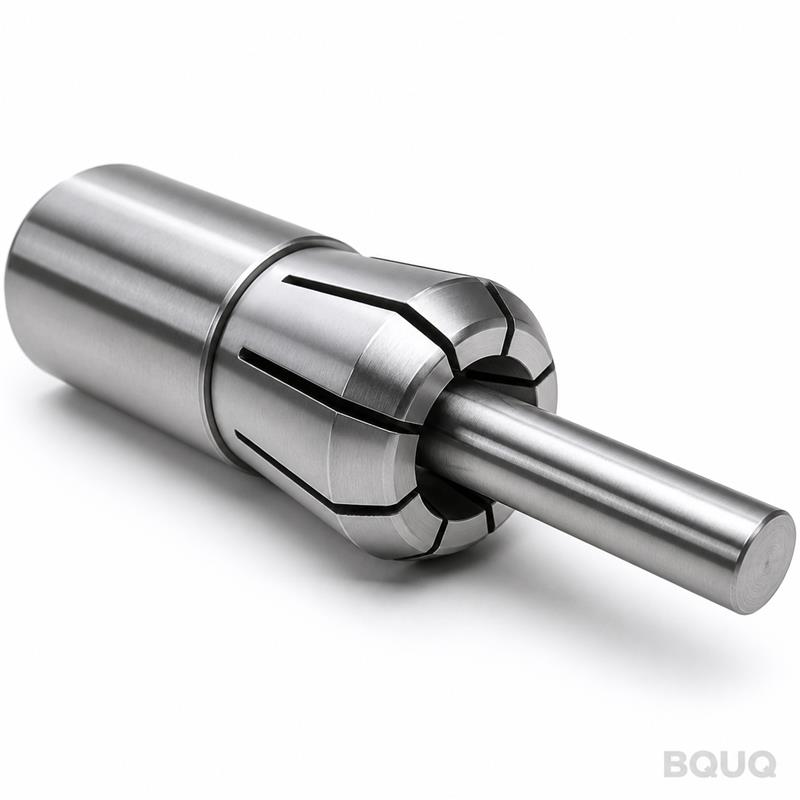
The chuck body is turned from 4140 pre-hardened bar, then the bore is honed to a 0.005 mm tolerance. The 52 Type taper seat is ground to 0.003 mm over a 40 mm length. The collet slots are wire-cut with a 0.15 mm kerf, giving you 8 slots for even radial collapse. We inspect every chuck with a Zeiss CMM—not a random sample. The TIR (total indicated runout) on the gripping diameter is measured at 5 mm from the nose, and we reject anything above 0.008 mm. Surface finish on the gripping bore is Ra 0.4 µm, which reduces bar scoring and extends tool life.
Inspection Before Every Shipment: Not a Random Sample
Each collet chuck goes through a 5-point inspection protocol before packing. First, a taper ring gauge checks the seat contact area—must be 85% or higher. Second, a push-pull dynamometer verifies clamping force at 4.5 kN drawbar pull. Third, a laser micrometer measures the gripping bore diameter at three axial positions. Fourth, a hardness tester confirms 58–60 HRC on the flank. Fifth, a magnetic particle inspection checks for micro-cracks after heat treatment. You get a signed inspection report with every shipment, so your incoming QC can skip their own destructive testing.
How We Keep Lead Time at 15 Days Without a Stock of Blanks
We run a 12-machine CNC cell dedicated to collet chuck bodies and collets. The 52 Type body requires 4 operations: turning, milling of the drive slots, grinding, and honing. We batch these in 50-piece lots, with changeover under 20 minutes. Our heat treatment partner is 2 km from the factory, so the quench-and-temper cycle returns in 48 hours. For urgent orders, we keep 20 sets of 52 Type blanks pre-hardened and semi-finished. If you need a modified slot depth or a special bore diameter, those blanks cut to size in 7 days. Standard catalog sizes ship in 15 days, and there is no MOQ—one piece is fine for your machine trial.
Compatibility With Your Existing Drawbar and Nose Cap
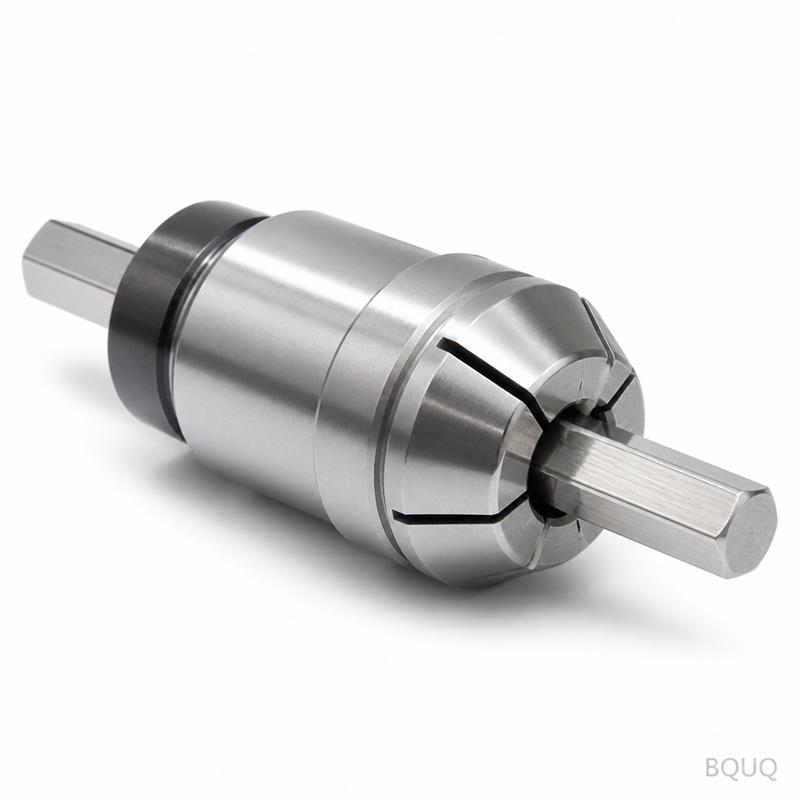
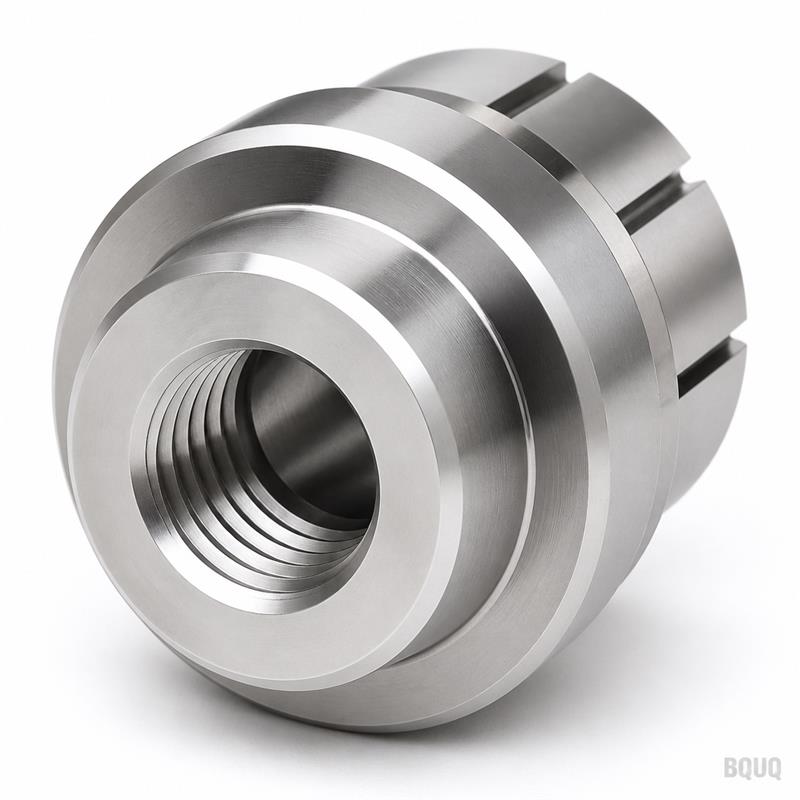
This chuck matches the DIN 6499B collet standard for the 52 Type, so it drops into your existing spindle nose without adapter plates. The thread on the back is M30 x 1.5, and the nose cap is a 2-start thread for quick collet changes. If your machine uses a different pull-back angle or thread pitch, we machine the back end to your drawing at no extra tooling cost. We also offer a closed-slot version for hex or square bar stock, which holds the cross-section with 0.005 mm runout. Send us your spindle nose drawing, and we will confirm the interface within 24 hours.
Surface Finish Options Beyond the Standard Dark Oxide
The standard 'Quenched Dark' is a matte black oxide with a salt spray rating of 48 hours. If your application involves coolant with high chlorine content, we can apply a zinc-nickel plating (300 hours salt spray) or an electroless nickel coating (Ra 0.2 µm). For dry machining, we offer a TiN coating on the gripping bore to reduce friction coefficient to 0.4. These coatings add 2–3 days to lead time but do not change the base tolerance. Tell us your coolant type and spindle speed, and we will recommend the right finish for your production run. The base material hardness stays at 58–60 HRC under any coating.
Parameter
Specification
Material (Collet)
20CrMnTi case-hardening steel
Material (Chuck Body)
4140 pre-hardened steel
Hardness
58–60 HRC surface, 32–36 HRC core
Total Runout (TIR)
0.008 mm max
Gripping Bore Tolerance
+0.005 / -0.000 mm
Taper Seat Roundness
0.003 mm
Surface Finish (Bore)
Ra 0.4 µm
Gripping Range
Ø3 mm to Ø26 mm (standard)
Slots
8 slots, 0.15 mm kerf
Back Thread
M30 x 1.5 (custom per drawing)
Lead Time
7 days (blank), 15 days (standard)
MOQ
No MOQ
When You Need a Lower Runout for Precision Manufacturing
Standard collet chucks show 0.02 mm runout, which is fine for rough turning. For finish passes on medical screws or fiber optic ferrules, you need the 0.008 mm TIR this chuck delivers. The secret is our grinding process—we grind the taper and the gripping bore in one clamping operation, so any spindle error is not transferred to the collet seat. If your machine spindle itself has 0.005 mm runout, the total stack-up stays under 0.015 mm, which meets most ISO 2768-f tolerances. For tighter requirements, we can match-grind the collet to your actual spindle nose serial number, achieving 0.005 mm TIR at a premium.
Choosing the Right Collet for Your Material and Spindle Speed
The 52 Type chuck works with both round and hex bar stock. For round stock up to 26 mm, use the full-slot collet. For hex stock, our closed-slot version grips the flats without marking. Above 8,000 RPM, we recommend a dynamic balance of G2.5—we balance every chuck at 10,000 RPM before shipping, and the residual unbalance is under 0.5 g·mm. For stainless steel or titanium, the dark oxide finish reduces friction, but you should increase clamping force by 10% to prevent push-back. Our engineers can calculate the optimal drawbar force for your material based on your cutting parameters. Just send your spindle spec and we will reply with a recommended setup.
Customization: Bore Diameter, Slot Count, and Back End Thread
We machine every chuck to order, so custom bores are not a special request—they are standard. Choose any bore diameter from 3 mm to 26 mm in 0.1 mm increments. Slot count can be 6, 8, or 12 depending on how much radial collapse you need (more slots = better grip on out-of-round stock). The back end thread can be any metric or inch thread, or a plain cylindrical shank with a keyway. We also engrave your part number and a date code on the face for traceability. There is no tooling charge for custom bores, but non-standard threads may add 2 days to lead time. Email us your drawing, and we will confirm the design within 12 hours.
What is the minimum order quantity for this collet chuck?
No MOQ—you can order a single Cnc Machined Auto Lathe 52 Type Quenched Dark Collet Chuck for machine trials, and the price stays the same per piece up to 10 pieces.
Can you customize the bore diameter and back end thread?
Yes, we machine the bore to your exact diameter (3–26 mm in 0.1 mm steps) and cut any back thread or shank configuration from your drawing, with no tooling charges.
How do you guarantee the 0.008 mm runout on every chuck?
We use a Zeiss CMM to measure TIR on every piece, reject anything above 0.008 mm, and ship an individual inspection report with the part.
What is the realistic lead time for a custom version?
Standard sizes ship in 15 days, custom bores and threads take 17 days, and urgent blanks from pre-hardened stock ship in 7 days.
Request a Firm Quote with a Real Price in 12 Hours
We know you need a number, not a vague 'contact us'. Send your drawing of the Cnc Machined Auto Lathe 52 Type Quenched Dark Collet Chuck, or just your spindle model and bar size, and our engineers will reply with a firm price, confirmed lead time, and a DFM (design for manufacturability) note within 12 hours. We are a precision manufacturing shop in Dongguan with over 20 years of CNC machining, stamping, spring, and heat sink experience—our quote includes the inspection report and packing for air freight. For the fastest response, email sc@bquq.com or WhatsApp +86 13713157787. No MOQ, no minimum order, no hidden tooling costs. Send your drawing today and see how a 58–60 HRC chuck with 0.008 mm TIR improves your spindle performance.
Before you finalize your cutting parameters, check our CNC cutting tool selection guide to match the collet grip with your tool shank. And if you are pushing tolerances below 0.01 mm, read our CNC machining tolerances guide to understand how the chuck runout stacks with your spindle and tool wear.