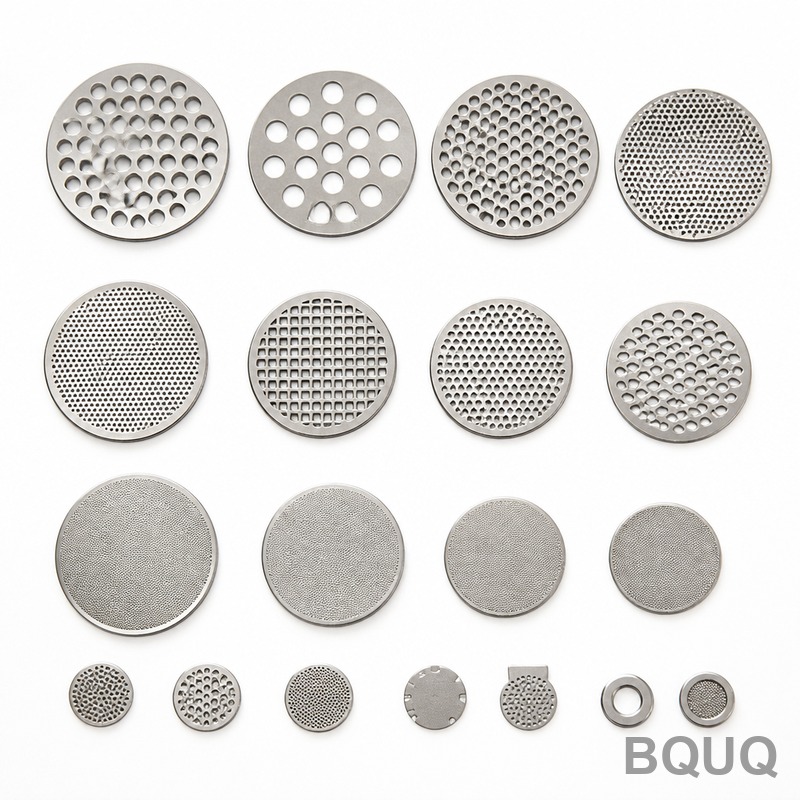
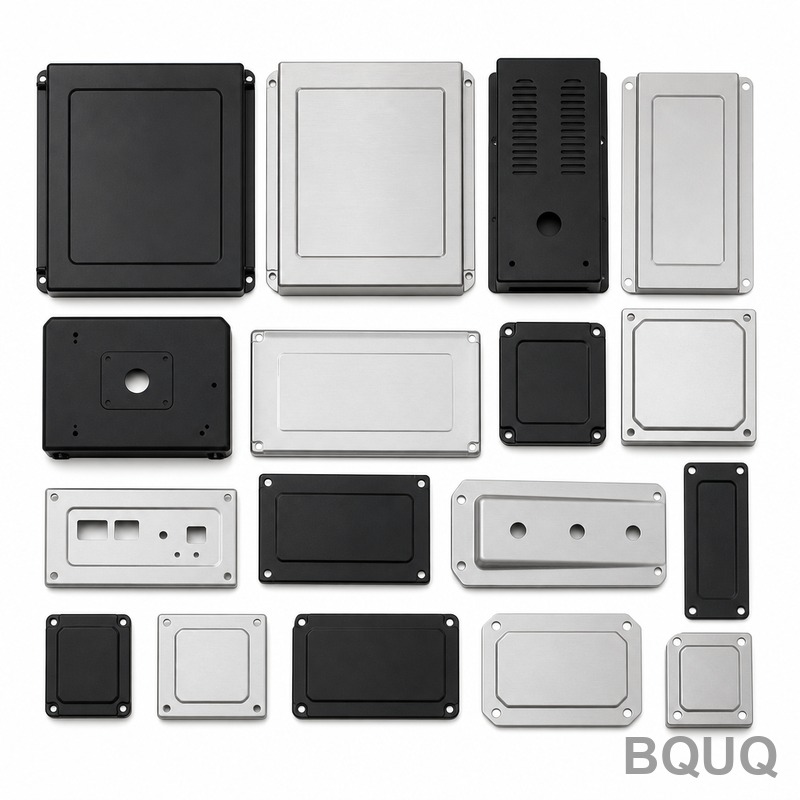
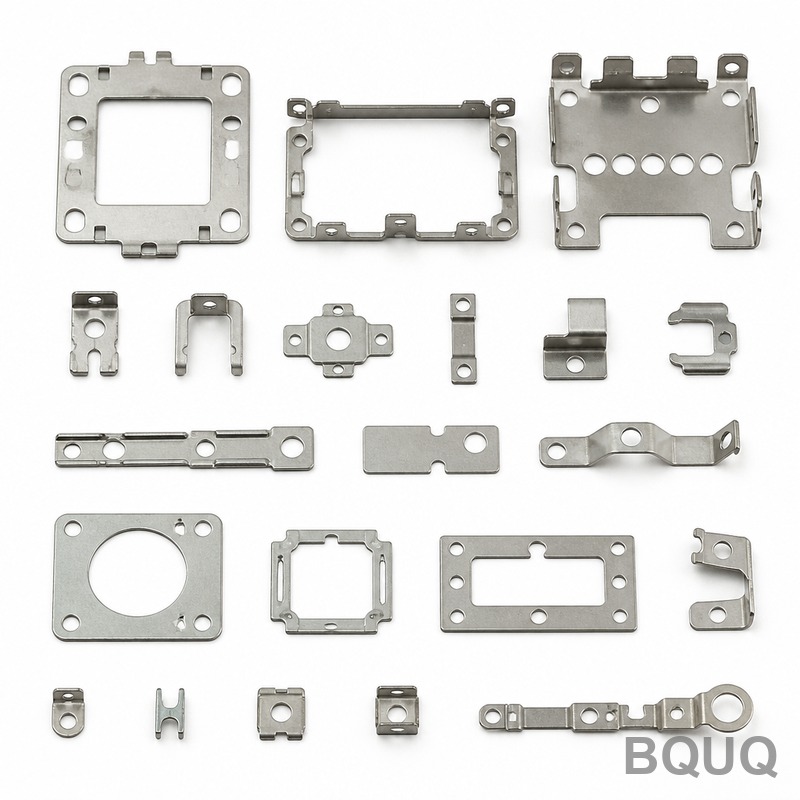
What This Collection Delivers in Hard Numbers This is a Precision Stamped Micro Filter Screens Collection for engineers who need flat, burr-free screens and mounts that hold posi
What This Collection Delivers in Hard Numbers This is a Precision Stamped Micro Filter Screens Collection for engineers who need flat, burr-free screens and mounts that hold position under vibration
Get a Fast Quote for This Part
Send us your drawing / quantity / material — reply within 24h.
This is a Precision Stamped Micro Filter Screens Collection for engineers who need flat, burr-free screens and mounts that hold position under vibration. We stamp these from stainless steel 304, 316L, or brass in thicknesses from 0.05 mm to 0.5 mm, holding hole pitch within ±0.01 mm and edge runout under 0.02 mm. Typical lead time is 10 working days for standard sizes, with 45 HRC achievable on 301 stainless after our heat treatment line. You get parts that drop into your assembly without rework.
How We Stamp Micro Holes Without Distortion or Burrs
Our 25-ton and 40-ton high-speed presses run at 400 strokes per minute with tungsten carbide dies ground to a 0.005 mm edge radius. For hole diameters below 0.3 mm, we use a two-step coining process—this prevents the material from tearing and keeps the hole wall straight. We hold flatness to 0.05 mm over a 50 mm length, which matters when you stack multiple screens in a manifold. Every die is inspected after each 50,000-stroke run for wear, so your batch stays identical to the first article.
Materials and Heat Treatment We Use for Filter Screens
We stock 304, 316L, 301 stainless, and phosphor bronze strips. For medical or food-contact applications, 316L is our default—it passes salt spray testing for 72 hours without pitting. If you need spring-back resistance in thin sections, we use 301 full-hard, then temper it to 45 HRC. Brass C260 is available for EMI shielding mounts, and we can add a 0.3 µm nickel plating on request. Material certificates are included with every shipment, traceable to the original mill.
Inspection Before Every Shipment: What We Measure
We do not ship blind. Each batch goes through a 2.5D optical projector to check hole position and diameter on 10 parts per lot—this catches die wear early. Surface finish is measured with a profilometer; we hold Ra 0.8 µm on stamped faces and Ra 0.4 µm on coined edges. For critical dimensions, we use a CMM with a resolution of 0.001 mm, and we record the data in a PDF report you receive with the packing list. Out-of-tolerance parts are scrapped, not reworked.
Why You Can Skip Secondary Operations with Our Stamped Mounts
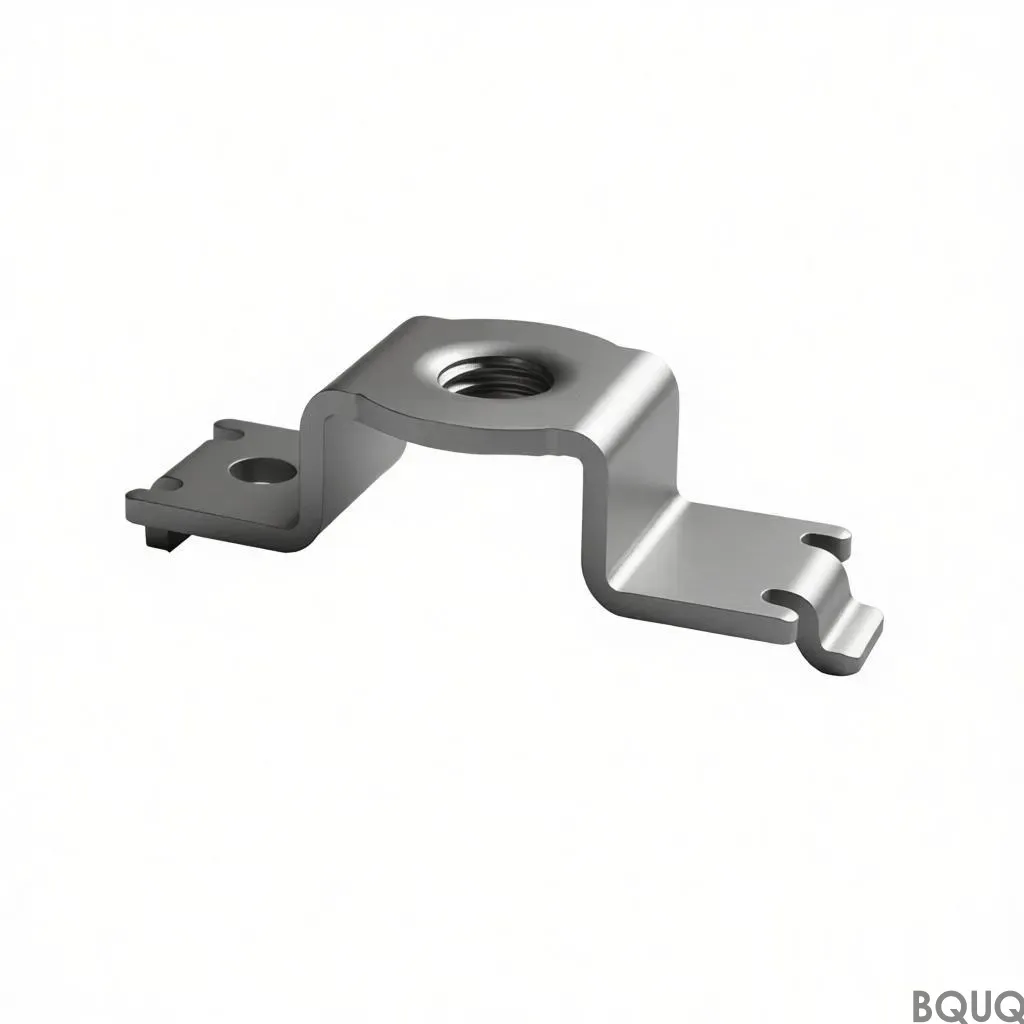
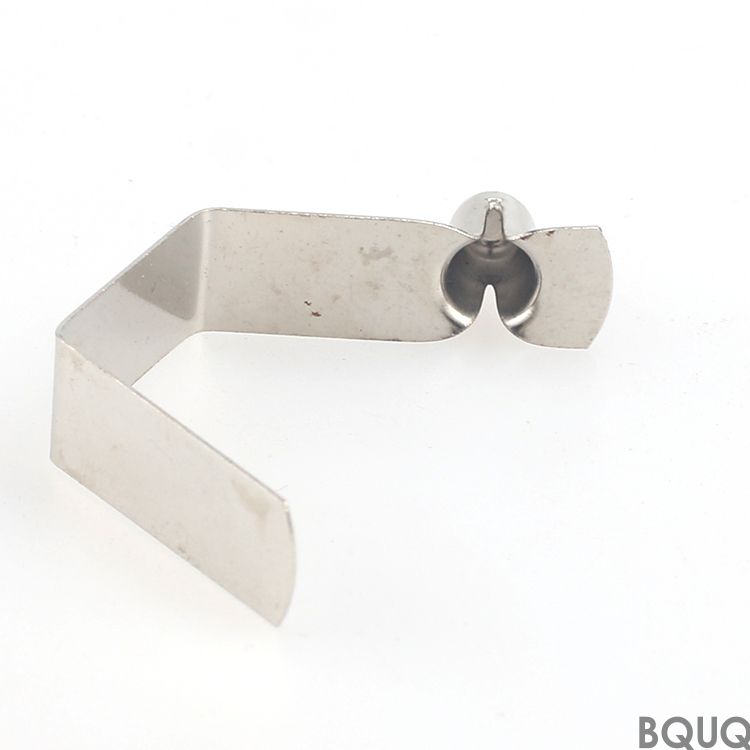
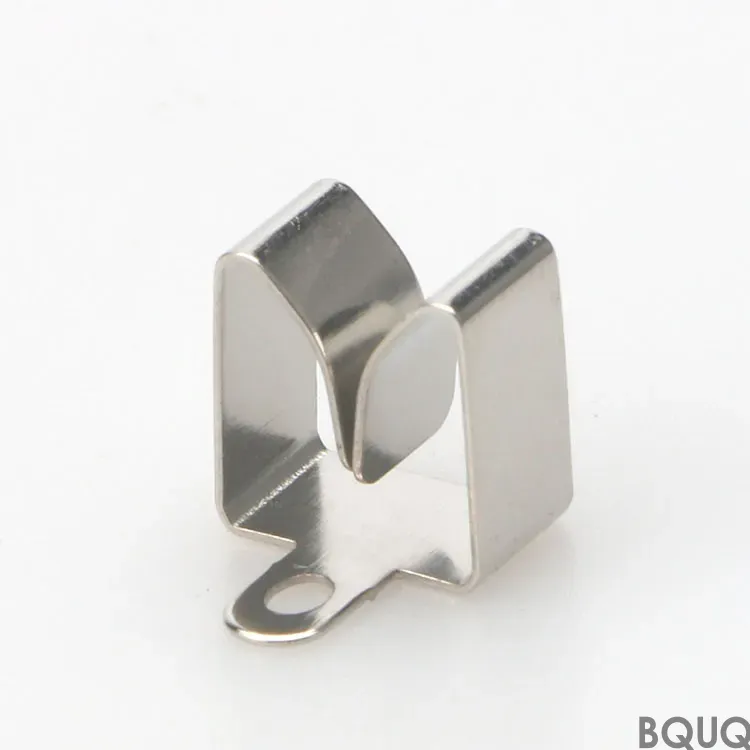
Most stamped screens need deburring or flattening before assembly—ours do not. Our dies are designed with a 0.01 mm clearance on the punch side, which produces a shear zone of only 10% of material thickness. For the mount brackets, we integrate locating dimples and alignment tabs directly into the stamping tool, so you eliminate a separate machining step. If your design calls for a countersunk hole at 82°, we hit that angle within ±0.5° without a secondary drilling operation.
Design Rules That Save You Money on Stamped Screens
If you are still finalizing your drawing, keep hole spacing at least 1.5× the material thickness—this prevents die breakage and lowers your unit cost. Avoid sharp internal corners; a 0.2 mm radius is enough to extend die life by 30%. We also recommend specifying a grain direction for bending tabs, which reduces cracking in 301 stainless. For prototype validation, you can use our 3D-printed SLA masters first, then switch to stamped parts—this is covered in our metal stamping vs CNC machining for prototypes comparison.
How We Keep Your Lead Time Predictable
Our presses run 24/5, and we schedule micro-screen jobs in dedicated tooling slots—no mixing with heavy stampings. Standard tooling for a new screen design takes 7 days, then first articles are out in 3 days. For reorders, we keep your dies in a climate-controlled rack, so repeat orders ship in 5 working days. We also stock raw material coils for 304 and 316L, which removes the 2-week wait for mill delivery.
FAQ: Quick Answers for Engineers
Is there a minimum order quantity for the Precision Stamped Micro Filter Screens Collection?
No MOQ—we accept prototype runs of 50 pieces and scale up to 1 million per month without changing tooling.
Can you handle custom hole patterns or non-standard materials?
Yes, we build dedicated dies for any hole pattern you send, and we can source exotic alloys like Hastelloy C-276 or titanium grade 2 with a 2-week lead time.
How do you ensure quality for high-volume orders?
We use SPC on every 500th part, plus a final 100% visual inspection under 10× magnification for burrs and scratches.
What is the fastest lead time for a stamped screen prototype?
For a simple flat screen under 30 mm diameter, we can ship a prototype in 3 working days using soft tooling—see our CNC cutting tool selection guide for matching tool choices.
Finish Options After Stamping: What We Recommend
Bare stainless is fine for most filter applications, but if you need corrosion resistance in saltwater, we apply electropolishing to reduce surface roughness to Ra 0.2 µm. For decorative mounts, we offer black oxide or passivation per ASTM A967. If your screens will handle aggressive chemicals, we recommend a PTFE coating on the frame—this is detailed in our metal parts finishing options after stamping guide.
Get a Firm Quote Within 12 Hours
Send your drawing in STEP, IGES, or PDF format, and we will return a firm quote with tooling cost, unit price, and lead time within 12 hours during working days. For the Precision Stamped Micro Filter Screens Collection, we include a free DFM report that flags any tolerance that will increase your cost. Email sc@bquq.com or WhatsApp +86 13713157787. No MOQ, made in China, with precision manufacturing you can verify—send your drawing today.