How Are Stamped Parts Finished? Plating, Coating and Surface Options
Precision metal stamping produces parts with inherent surface roughness and micro-burrs, but the final application dictates the finishing process. Stamped parts are finished through electroplating, chemical conversion coatings, powder coating, or mechanical processes, each altering corrosion resistance, hardness, electrical conductivity, and dimensional tolerances. The selection depends on base material, operating environment, and cost per part, with typical finishing costs adding $0.02 to $1.50 per piece depending on process complexity and batch volume.
Material and Pre-Treatment Requirements for Stamped Parts
Before any finishing process, stamped parts must undergo cleaning and deburring. Stamping leaves die lubricant residues, metal fines, and edge burrs that compromise adhesion and cause coating defects. Aqueous alkaline cleaning at 60 to 70 degrees Celsius removes oils, followed by tumble deburring or vibratory finishing for 15 to 45 minutes depending on part geometry. For high-volume production, inline belt washing systems achieve cleanliness levels below 0.5 milligrams per square centimeter, verified by water break tests.
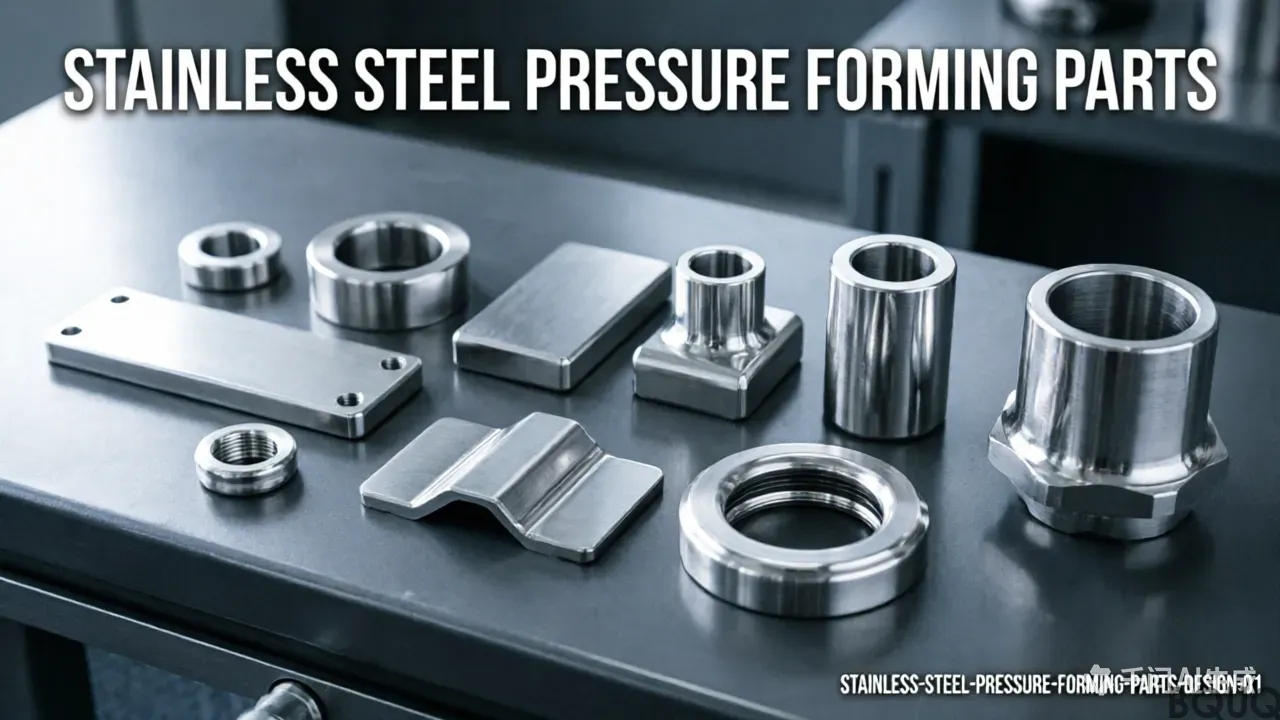
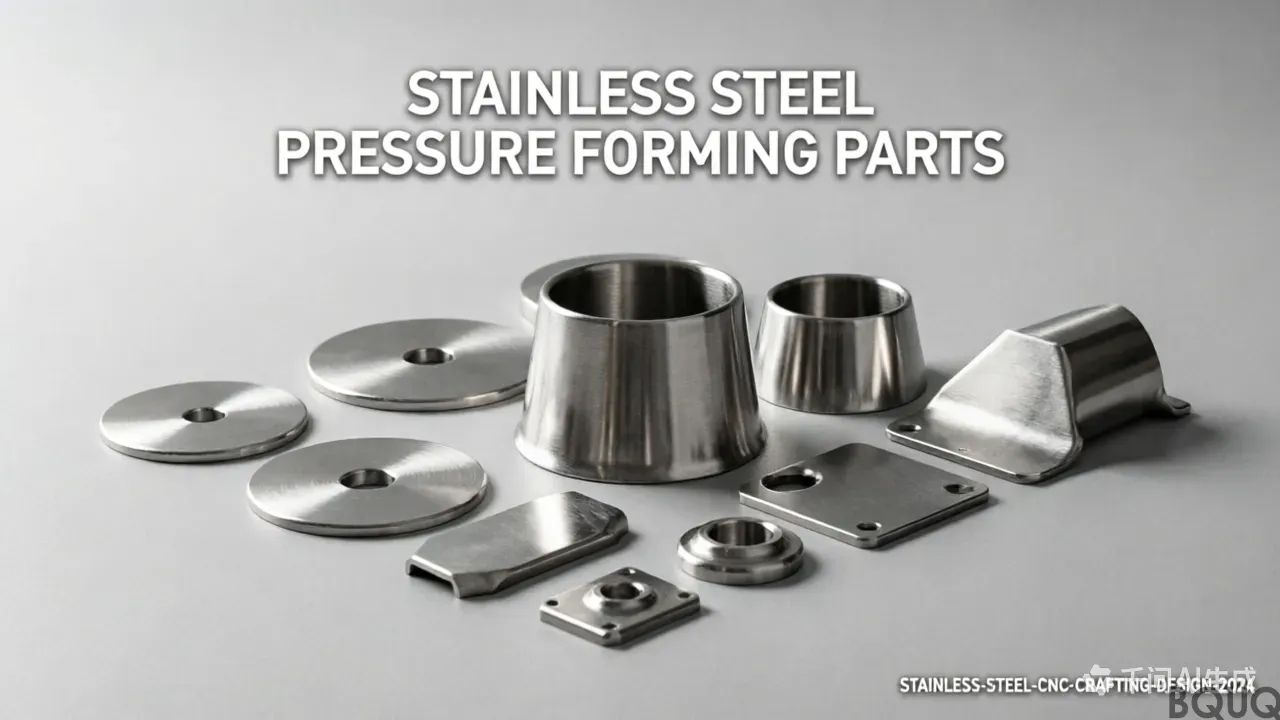
Base material selection directly influences finish compatibility. Cold-rolled steel (CRS) requires zinc or nickel plating for corrosion protection, while stainless steel often uses passivation or electropolishing. Brass and copper stampings benefit from tin or nickel plating for solderability and tarnish resistance. Aluminum parts require chromate conversion or anodizing, as standard zinc plating does not adhere properly. Dimensional tolerance must account for plating thickness; for example, 8 to 12 microns of zinc adds 16 to 24 microns to the total diameter of a stamped bushing.
Electroplating Options: Zinc, Nickel, Tin and Precious Metals
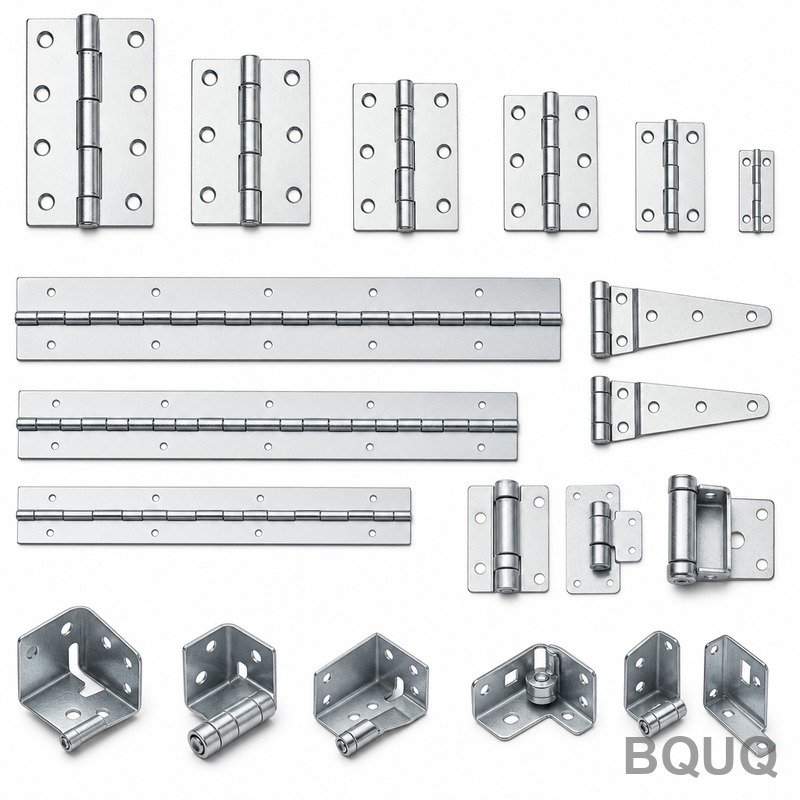
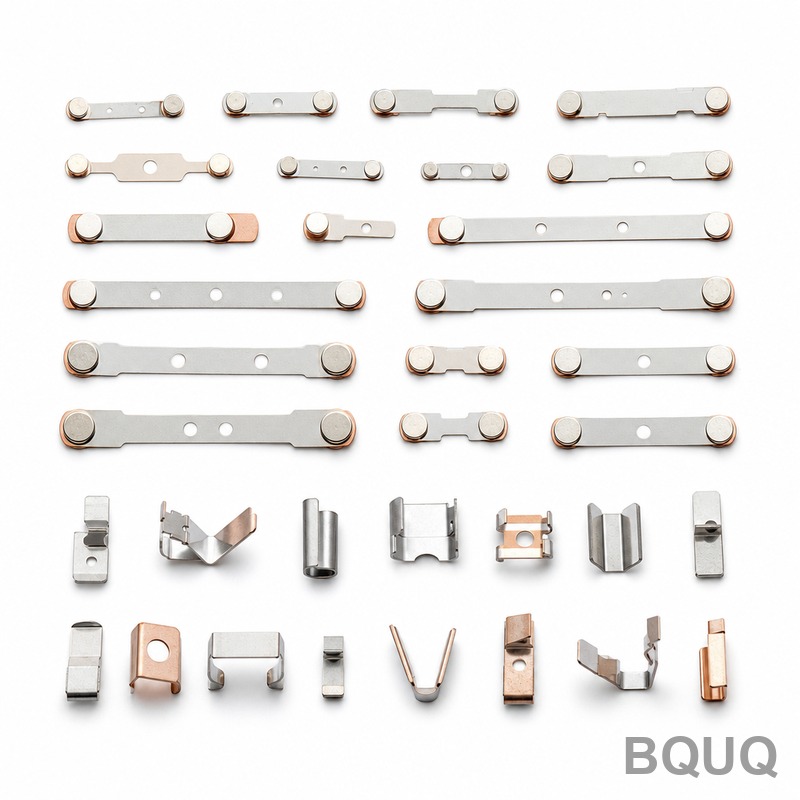
Electroplating is the most common finishing method for stamped parts, using an electric current to reduce metal ions onto the part surface. Zinc plating, with clear or yellow chromate conversion, provides sacrificial corrosion protection for steel and costs $0.03 to $0.08 per square decimeter. Nickel plating, applied at 5 to 25 microns, offers hardness of 160 to 500 HV and wear resistance, costing $0.10 to $0.30 per square decimeter. Tin plating, critical for electrical terminals, maintains solderability and costs $0.15 to $0.40 per square decimeter.
Precious metal plating, including gold and palladium-nickel, serves high-reliability connectors and medical devices. Gold plating at 0.5 to 2.5 microns costs $0.50 to $1.50 per square centimeter due to material value. Palladium-nickel alloy at 1 to 3 microns provides a lower-cost alternative with similar corrosion resistance. Barrel plating suits small stamped parts under 25 millimeters, while rack plating handles larger or delicate components requiring uniform thickness. Thickness distribution varies from 80 percent of specified thickness in barrel plating to 95 percent in rack plating.
Chemical Conversion Coatings: Passivation, Chromate and Phosphate
Chemical conversion coatings create a thin, adherent layer through a controlled chemical reaction, without electric current. Passivation for stainless steel uses nitric or citric acid to remove free iron and enhance the natural chromium oxide layer, achieving salt spray resistance of 100 to 500 hours depending on grade and surface finish. Citric acid passivation operates at 40 to 50 degrees Celsius for 20 to 40 minutes and is preferred for medical and food-contact parts.
Chromate conversion for aluminum, per MIL-DTL-5541, provides a corrosion-resistant and paint-ready surface. Clear and yellow chromates offer 168 to 336 hours of salt spray protection. Hexavalent chromate is being phased out due to REACH and RoHS restrictions, with trivalent formulations now standard. Phosphate coatings, including zinc and manganese phosphate, provide a porous base for oil or paint, improving corrosion resistance and break-in wear for stamped steel components. Zinc phosphate coating weight ranges from 5 to 20 grams per square meter, with application temperatures of 70 to 90 degrees Celsius.
Powder Coating, E-Coating and Painting for Stamped Assemblies
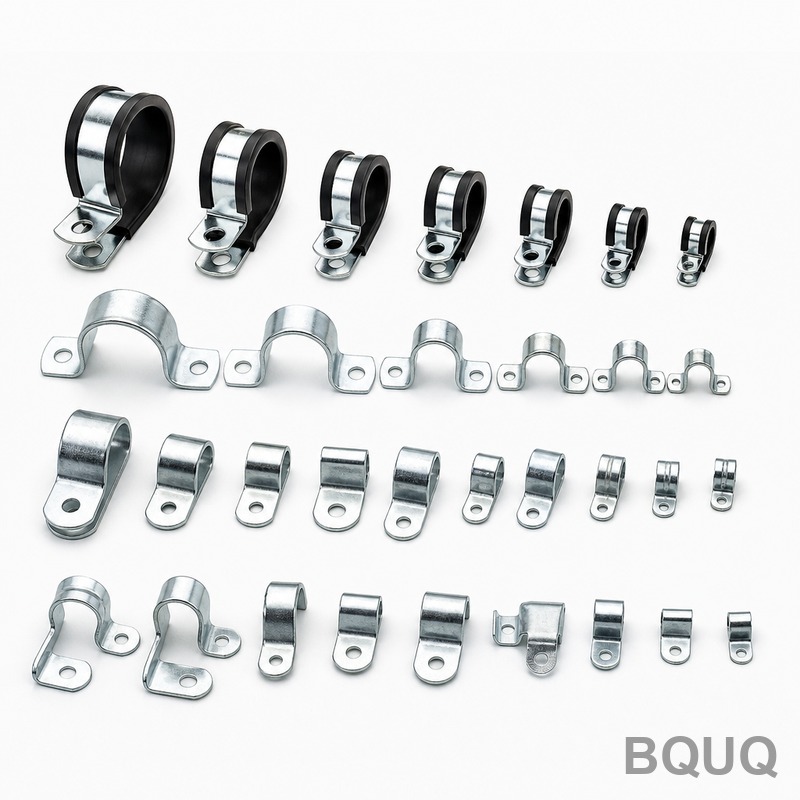
For stamped parts requiring thick, durable finishes, powder coating and electrocoating offer superior coverage and impact resistance. Powder coating applies a dry thermoplastic or thermoset powder, cured at 180 to 220 degrees Celsius for 10 to 20 minutes. Typical film thickness is 60 to 120 microns, providing excellent edge coverage and hardness up to 4H pencil hardness. Powder coating costs $0.20 to $0.60 per square foot, with minimum order quantities of 500 pieces for economical pricing.
Electrocoating, or e-coating, immerses stamped parts in a water-based paint bath and uses an electric field to deposit a uniform film. Anodic and cathodic e-coating produce film thicknesses of 15 to 35 microns, with cathodic offering superior corrosion resistance of 500 to 1000 hours salt spray. E-coating reaches internal surfaces and blind holes that powder coating cannot, making it ideal for stamped brackets and enclosures. Liquid spray painting remains viable for low-volume prototypes or multi-color requirements, with drying cycles of 20 to 30 minutes at 80 to 120 degrees Celsius.
Mechanical Finishing: Deburring, Polishing and Media Blasting
Mechanical finishes alter surface texture and remove defects without adding material. Vibratory finishing uses ceramic or plastic media to deburr and radius edges, achieving surface roughness from 0.8 to 0.4 micrometers Ra in 30 to 90 minutes. Barrel tumbling for small stamped parts reduces sharp edges and improves cosmetic appearance. Media blasting with glass beads or aluminum oxide creates a uniform matte finish, with surface roughness of 1.6 to 3.2 micrometers Ra, and cleans surface contaminants.
Electropolishing, an electrochemical process, removes a controlled layer of material to produce a smooth, bright surface. For stainless steel stamped parts, electropolishing reduces surface roughness from 0.4 to 0.2 micrometers Ra and removes 0.005 to 0.01 millimeters of material per surface. This process enhances corrosion resistance by creating a chromium-rich surface layer. Brush finishing with abrasive belts or wheels produces directional grain patterns, commonly specified for decorative stamped trim parts.
Comparative Data Table for Stamped Part Finishing Options
| Finishing Process | Base Material | Typical Thickness | Salt Spray Hours | Cost per Square DM | Lead Time Days |
| Zinc Plating (Clear) | CRS, Alloy Steel | 8-12 microns | 72-120 | $0.03-$0.08 | 2-4 |
| Nickel Plating (Bright) | CRS, Brass, Copper | 5-25 microns | 96-240 | $0.10-$0.30 | 3-5 |
| Tin Plating (Matte) | Copper, Brass, CRS | 5-15 microns | 72-168 | $0.15-$0.40 | 3-5 |
| Gold Plating (Hard) | Copper Alloys | 0.5-2.5 microns | 48-120 | $0.50-$1.50 per sq cm | 5-7 |
| Passivation (Citric) | Stainless Steel | 0.5-1.0 micron | 100-500 | $0.02-$0.06 | 1-2 |
| Chromate Conversion | Aluminum | 0.3-1.0 micron | 168-336 | $0.05-$0.12 | 2-3 |
| Powder Coating | CRS, Aluminum | 60-120 microns | 500-1000 | $0.20-$0.60 per sq ft | 5-8 |
| Cathodic E-Coating | CRS, Cast Iron | 15-35 microns | 500-1000 | $0.15-$0.35 | 4-6 |
| Electropolishing | Stainless Steel | 5-10 microns removed | 200-500 | $0.30-$0.80 | 3-5 |
Practical Selection Criteria and Engineering Recommendations
Select the finishing process based on three primary factors: functional requirement, base material, and total cost including scrap risk. For stamped steel parts in indoor environments with moderate humidity, zinc plating with clear chromate offers the best cost-to-performance ratio. For outdoor or salt-laden environments, specify zinc-nickel alloy plating at 12 to 20 microns or cathodic e-coating for extended service life.
When dimensional tolerances are critical, account for plating thickness in the stamping die design. A stamped hole with a nominal diameter of 5.00 millimeters and 10 microns of nickel plating will measure 4.98 millimeters after finishing. For threaded stamped parts, specify pre-plate thread tolerances to ensure gauge fit after plating. Avoid specifying gold plating on parts subject to mechanical wear unless a hardened gold alloy with cobalt or nickel is used.
For aluminum stamped parts, chromate conversion is mandatory before powder coating or adhesive bonding. The conversion coating provides both corrosion protection and improves paint adhesion. If electrical conductivity is required, specify clear chromate of Class 3 per MIL-DTL-5541, which maintains contact resistance below 5 milliohms. For medical or food-contact applications, use citric acid passivation for stainless steel and avoid nickel plating where allergic reactions are a concern.
FAQ-Style Tips for Common Finishing Challenges
Why does my zinc-plated part show white rust after 48 hours in humid storage? White rust occurs when the chromate layer is damaged or the part is packaged before complete drying. Ensure a minimum of 24 hours of aging at room temperature after plating and use vapor corrosion inhibitor paper for packaging.
Can I powder coat over zinc-plated stamped parts? Yes, but the zinc plating must be chromated and dry, and the powder coat temperature must stay below 190 degrees Celsius to avoid zinc melting at 419 degrees Celsius. Use a two-coat system for maximum corrosion resistance.
How do I specify plating thickness on a stamped spring? Springs require flexible coatings like zinc-nickel or mechanical zinc plating to prevent hydrogen embrittlement. Specify stress relief baking at 190 to 220 degrees Celsius for 4 hours after plating for parts with hardness above 40 HRC.
Conclusion and Manufacturing Support
Selecting the correct surface finish for stamped parts directly impacts product lifespan, electrical performance, and aesthetic quality. The best approach is to define the operating environment, required corrosion hours, and dimensional tolerances before contacting your supplier. Document these parameters in your drawing notes, and request a process validation report with salt spray test results and thickness measurements on actual stamped samples.
At BQUU Precision Manufacturing, our engineering team supports material selection and finishing specification for every stamped part we produce. We offer in-house deburring and cleaning, and coordinate with certified plating and coating partners to ensure consistent quality and traceability. For a stamped part quote with surface finish recommendations specific to your application, send your drawings and performance requirements today. We provide 12-hour quoting for all new inquiries. Contact us at Email: sc@bquq.com, WhatsApp: +86 13713157787, or visit www.bquq.com.