How to Choose a Metal Stamping Manufacturer: 8 Criteria That Separate Good from Great
Choosing a metal stamping manufacturer is a decision that directly impacts your part quality, production lead time, and total landed cost. The difference between a good supplier and a great one lies in eight specific, verifiable criteria: process capability, tolerance control, tooling expertise, material sourcing, quality systems, secondary operations, communication speed, and financial stability. This article breaks down each criterion with real engineering data and specific numbers to help you make an objective, data-driven selection.
What Is the Most Important Criterion: Process Capability or Tolerance Control?
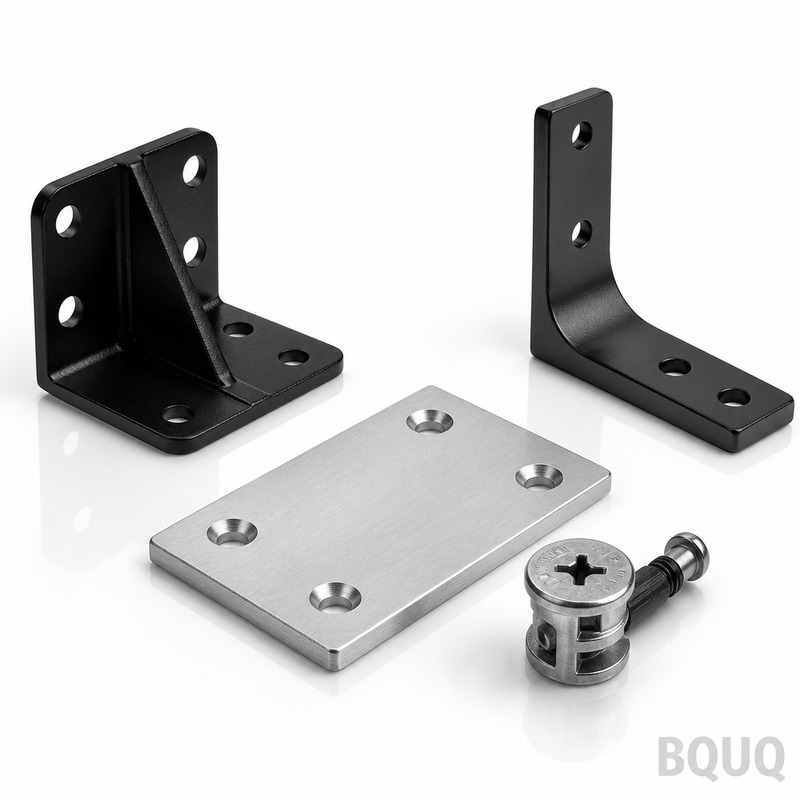
Process capability is the foundation, but tolerance control is the measurable proof of a manufacturer's true skill. A great manufacturer will quote tolerances of ±0.01 mm for critical dimensions on high-speed progressive dies, while a good manufacturer might only guarantee ±0.05 mm. For example, a precision heat sink clip stamped from 0.3 mm stainless steel requires a flatness tolerance of 0.05 mm over a 50 mm span; only a press with a rigid frame and a die with precision-ground pilots can hold this consistently. You should ask for a Process Capability Index (Cpk) report; a Cpk of 1.33 or higher is the industry minimum for automotive-grade parts, while a Cpk of 1.67 indicates a truly exceptional process.
How Do You Verify a Manufacturer’s Tolerance and Repeatability?
You cannot verify tolerances from a website; you must request a capability study and a first article inspection report. A reputable manufacturer will provide a dimensional report showing measurements from 30 to 50 consecutive parts, not just one sample. Look for the standard deviation (sigma) of critical features; for a stamped connector terminal with a 0.5 mm hole, the acceptable variation should be within ±0.01 mm. Additionally, ask about their in-process monitoring: great factories use automated optical inspection systems that measure every 100th part at speeds of 200 parts per minute, while good factories rely on manual caliper checks every hour. The repeatability of a stamping press is also key; a press with a hydraulic overload protection system and a precision guiding system can maintain repeatability within 0.005 mm over a 100,000-stroke run.
Which Tooling Materials and Die Designs Indicate a Great Manufacturer?
Tooling material choice is a direct indicator of expected die life and part cost stability. For high-volume runs exceeding 1 million parts, a great manufacturer will use powder metallurgy high-speed steel (PM-HSS) or carbide inserts for the die sections, which can achieve 5 to 10 million strokes before resharpening. In contrast, a good manufacturer using standard D2 tool steel will need maintenance every 200,000 to 500,000 strokes. Ask about their die design for progressive stamping: a great design will include in-die tapping, coining, and lancing stations to eliminate secondary operations. For example, a progressive die with 12 stations for a complex bracket can produce a finished part at 300 strokes per minute, reducing unit cost by 15% to 25% compared to a simpler die that requires a separate tapping operation.
Why Is Material Sourcing and Certification a Critical Selection Factor?
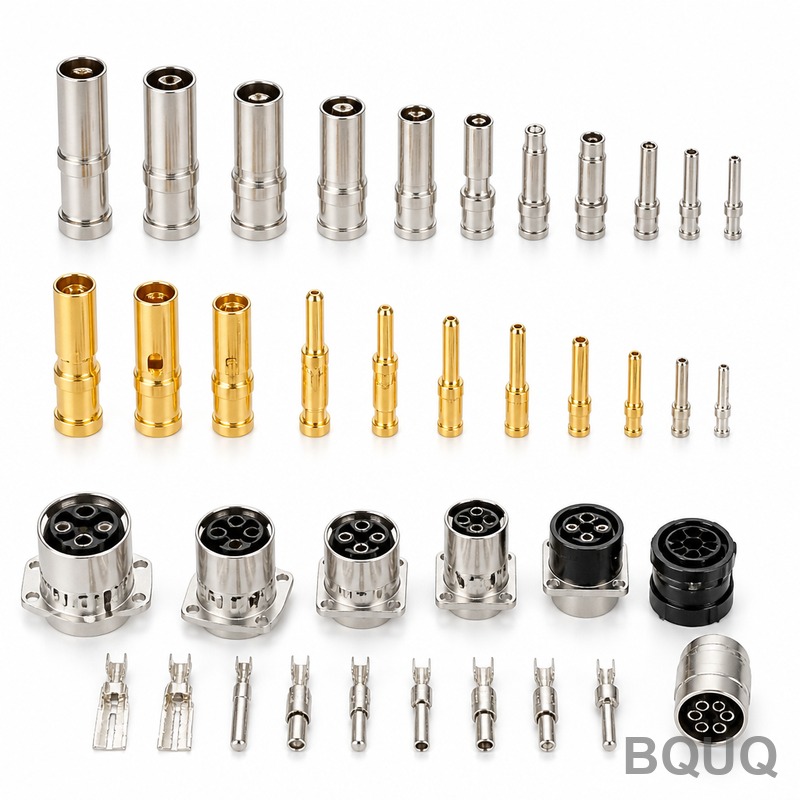
The raw material grade and its certification path determine the mechanical properties of your final part. A great manufacturer will offer to source materials like SUS 301 stainless steel with a tensile strength of 1,200 MPa for spring applications, or C5191 phosphor bronze for electrical contacts, and will provide a mill test certificate (MTC) for every coil. They should also control the material hardness; for example, a spring clip made from 0.8 mm thick SK5 steel must be heat-treated to a hardness of 45-50 HRC, and the manufacturer should provide a hardness test report per batch. If the factory cannot trace the material back to the original steel mill, the risk of inconsistent springback and cracking increases significantly. A great manufacturer will also stock common materials like SPCC, SECC, and 5052 aluminum to reduce lead time by 3 to 5 days.
How Much Does Tooling Cost and When Does It Pay Off?
Tooling cost is a major upfront investment, but the amortization per part is what matters. A simple blanking die for a flat washer might cost USD 2,000 to USD 4,000, while a complex progressive die for an automotive sensor bracket with 15 stations can cost between USD 15,000 and USD 30,000. The key calculation is the cost per part over the die's life. For example, if a progressive die costs USD 20,000 and can produce 2 million parts, the tooling amortization is USD 0.01 per part. A great manufacturer will provide a detailed tooling breakdown, including steel grade, number of stations, and expected lifespan, so you can calculate the true unit cost. You should also ask about tooling maintenance schedules; a good maintenance program (every 50,000 strokes) will extend die life by 30% to 50%.
What Secondary Operations Should a Full-Service Manufacturer Provide?
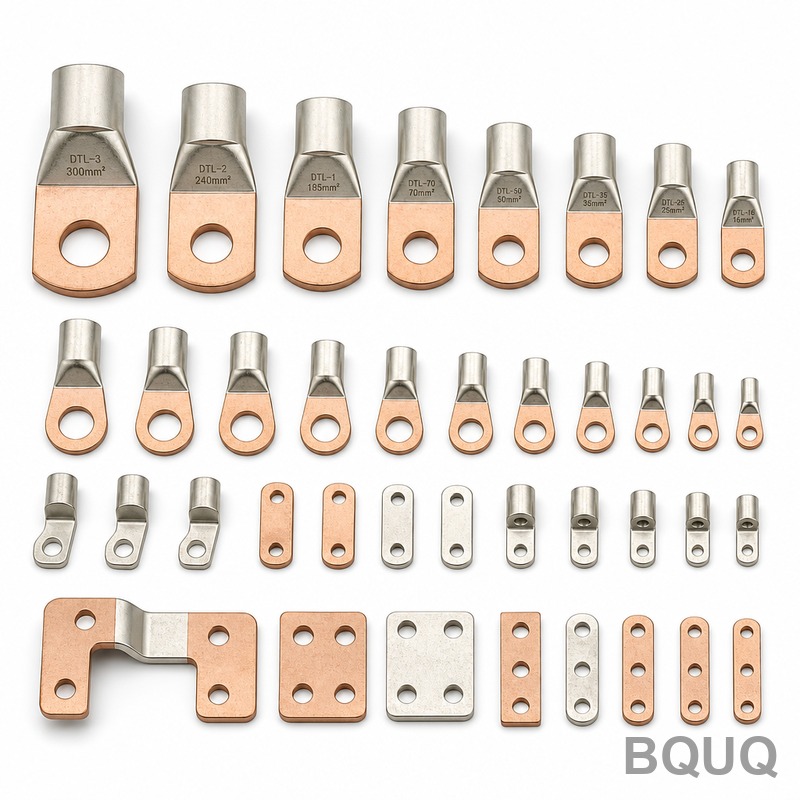
The ability to perform secondary operations in-house is a major separator between good and great manufacturers. Great factories offer integrated services such as heat treatment, surface finishing (zinc plating, anodizing), and assembly, which reduces your logistics and quality management burden. For instance, a stamped heat sink for a power module requires an anodized coating of 8 to 12 microns thickness; if the manufacturer outsources this, you face an additional 3 to 5 days of lead time and potential quality issues from handling damage. In-house capabilities should include: CNC machining for post-stamping precision features, wire EDM for die maintenance, and automated assembly for inserting nuts or pins. This vertical integration can reduce your total supply chain cost by 10% to 15% and shorten your project timeline by 2 to 3 weeks.
How Does Communication Speed and Engineering Support Affect Your Project?
The speed of response during the quoting phase is a reliable predictor of future production support. A great manufacturer will provide a detailed quotation with a DFM (Design for Manufacturing) analysis within 24 to 48 hours, flagging potential issues like tight bend radii or material thickness limits. For example, if your design specifies a bend radius of 0.2 mm on 1.0 mm thick steel, a great engineer will immediately warn you about cracking risk and suggest a radius of 0.5 mm or more. They will also offer cost-reduction suggestions, such as changing the material grade or combining parts into one die. Weekly progress reports with photos and videos during tooling build are standard for great suppliers, whereas good suppliers only communicate when there is a problem. This engineering support is critical for catching errors before they become expensive tooling modifications.
What Is the Difference in Quality Certifications and Inspection Systems?
Certifications like IATF 16949 (automotive) and ISO 9001 are baseline requirements, but the depth of the inspection system matters more. A great manufacturer uses a coordinate measuring machine (CMM) with an accuracy of ±1.5 microns for first article inspection and has a robust SPC (Statistical Process Control) system that tracks key characteristics in real-time. They will also have a documented process for managing change requests and a full traceability system from raw material coil to finished box. Ask for their defect rate (PPM); a good manufacturer might operate at 500 PPM, while a great one targets below 50 PPM. They should also provide a Control Plan that specifies which dimensions are checked at what frequency (e.g., every 200 parts) and with what tool (e.g., pin gauge or optical comparator).
Data Table: Comparison of Good vs. Great Metal Stamping Manufacturers
| Criterion | Good Manufacturer | Great Manufacturer |
| Critical Tolerance | ±0.05 mm | ±0.01 mm |
| Cpk Index | 1.00 - 1.33 | 1.67 or higher |
| Die Steel Type | D2 Tool Steel | PM-HSS or Carbide |
| Die Life (strokes) | 200,000 - 500,000 | 5,000,000 - 10,000,000 |
| Defect Rate (PPM) | 500 PPM | Below 50 PPM |
| Quoting Response Time | 3-5 business days | 24-48 hours |
| In-House Secondary Ops | Limited (drilling, deburring) | Full (heat treat, plating, assembly) |
| First Article Inspection | Manual caliper checks | CMM with ±1.5 micron accuracy |
FAQ: Common Questions When Choosing a Stamping Supplier
What Is the Minimum Order Quantity (MOQ) for Metal Stamping?
The MOQ varies widely based on part size and material thickness. For small terminals or clips made from 0.2 mm material, a great manufacturer might accept a MOQ of 5,000 parts, while for larger automotive brackets, the MOQ might be 50,000 parts. Tooling cost is often the bigger factor; you can negotiate to pay a higher per-part price for a lower volume to offset tooling amortization.
How Long Does the Tooling Fabrication Process Take?
A simple blanking die typically takes 2 to 3 weeks to build, while a complex progressive die with 15 or more stations can take 6 to 8 weeks. A great manufacturer will provide a detailed Gantt chart showing design review, steel cutting, wire EDM, assembly, and try-out phases. They will also run a 50,000-stroke pilot run to validate the die before mass production.
Can You Stamp Parts Harder Than 40 HRC?
Yes, but it is not recommended for high-volume production due to rapid tool wear. For materials harder than 40 HRC, such as hardened spring steel, you should design for blanking or coining, not deep drawing. A great manufacturer will advise you to stamp in the annealed state (around 20 HRC) and then heat treat the part to 45-50 HRC afterward to achieve the desired final hardness.
How Do You Handle Design Changes After Tooling Is Built?
A great manufacturer will quote changes immediately with a clear cost and lead time impact. Minor changes like adding a hole can cost USD 500 to USD 1,000 and take 3 to 5 days, while major dimensional changes might require a new die section costing USD 3,000 to USD 5,000. Ensure your contract includes a clear change order process with written approval before any tooling modification begins.
What Is the Typical Cost for a Progressive Stamping Die?
The cost ranges from USD 3,000 for a simple 3-station die to over USD 50,000 for a complex 20-station die with in-die tapping and assembly. The price depends on part complexity, tolerance requirements, and expected die life. A great manufacturer will provide a detailed breakdown of costs, including design engineering, steel, machining, and try-out hours, so you can see where your money is going.
How Do You Ensure the Supplier Meets Production Deadlines?
A great manufacturer will have a dedicated project manager who provides weekly status reports with photos and videos. They will also maintain buffer stock of critical raw materials and have backup presses available to prevent downtime. Ask about their on-time delivery rate; a great supplier will have a record of 98% or higher on-time delivery over the past year.
Conclusion
Selecting a metal stamping manufacturer requires more than comparing price quotes; it demands a rigorous evaluation of engineering capability, tolerance control, tooling materials, and quality systems. By applying these eight criteria, you will move beyond the sales pitch and verify the actual production floor discipline. Focus on the measurable data: Cpk values, die life in strokes, PPM rates, and response times, as these numbers separate good from great. The right partner will identify potential design flaws before you cut steel, maintain tight tolerances over millions of strokes, and deliver parts that meet your specifications on time, every time.
For a rapid, data-driven evaluation of your project, send your drawings and volumes today. We offer a 12-hour quoting service with a full DFM analysis. Contact us at sc@bquq.com or WhatsApp +86 13713157787. Visit our website at www.bquq.com to learn more about our 20 years of precision manufacturing experience in CNC machining, metal stamping, springs, and heat sinks.