What Are the Key Tier Supplier M&A Trends in Stamping?
Consolidation in the metal stamping industry is accelerating, driven by the need for vertical integration, advanced material capabilities, and cost efficiency. Tier suppliers are merging to secure raw material supply chains, acquire EV battery component expertise, and achieve economies of scale, with deal volumes in the sector increasing by 18% year-over-year in 2024. For OEMs and engineering procurement teams, this means fewer but larger partners capable of handling complex multi-process assemblies, but it also requires closer scrutiny of financial stability and technological roadmaps.
What Is Driving the Current Wave of Stamping Industry Consolidation?
The primary drivers are margin compression from raw material volatility and the capital-intensive shift toward electric vehicle (EV) components. Stamping margins for standard mild steel parts average 8-12%, but EV battery enclosures and busbars require precision tolerances of ±0.05 mm, demanding expensive servo presses and laser welding systems that small shops cannot finance. Additionally, aluminum and high-strength steel (HSS) stamping requires specialized die cooling systems and press tonnage above 600 tons, pushing smaller Tier 2 and Tier 3 suppliers to seek merger partners or face obsolescence. The top 10 stamping companies now control 42% of the North American market, up from 33% in 2020.
How Do Mergers Affect Pricing and Quoting for OEM Buyers?
Merged entities typically offer 5-8% lower piece prices due to consolidated purchasing power for coil steel, but they also enforce stricter annual cost-down clauses of 3-5% versus the previous 2-3%. For example, a Tier 1 that acquires a die shop can reduce tooling amortization from 15% to 10% of part cost by reusing standardized die bases across programs. However, buyers should expect longer quoting cycles of 6-8 weeks post-merger, as the new entity consolidates ERP systems and revalidates supplier quality manuals to IATF 16949 standards. Practical advice: request audited financials and a clear plant capacity utilization report before awarding long-term contracts to a recently merged supplier.
Which Stamping Segments Are Seeing the Most M&A Activity?
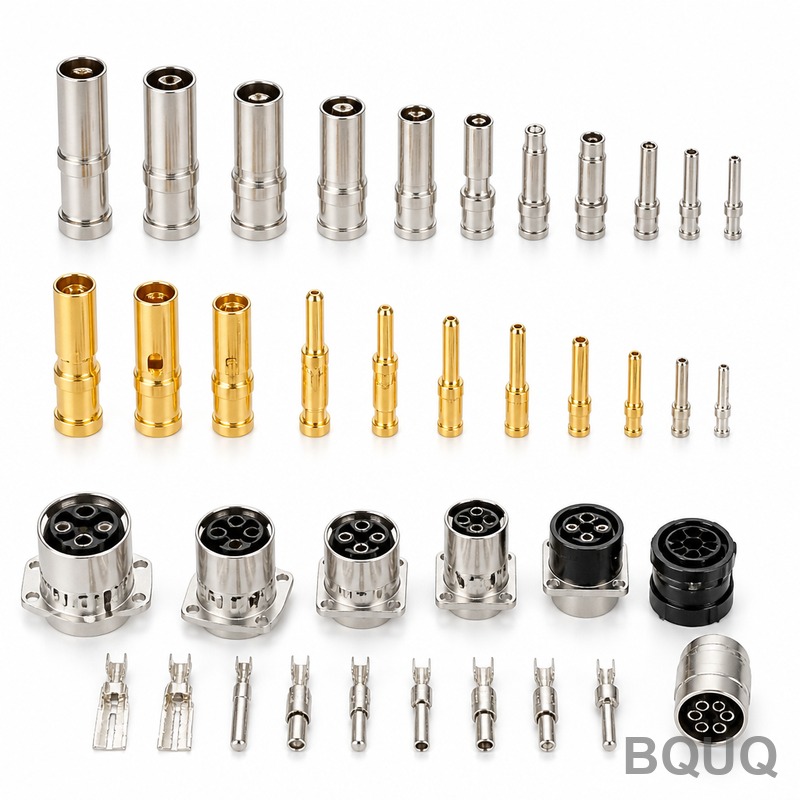
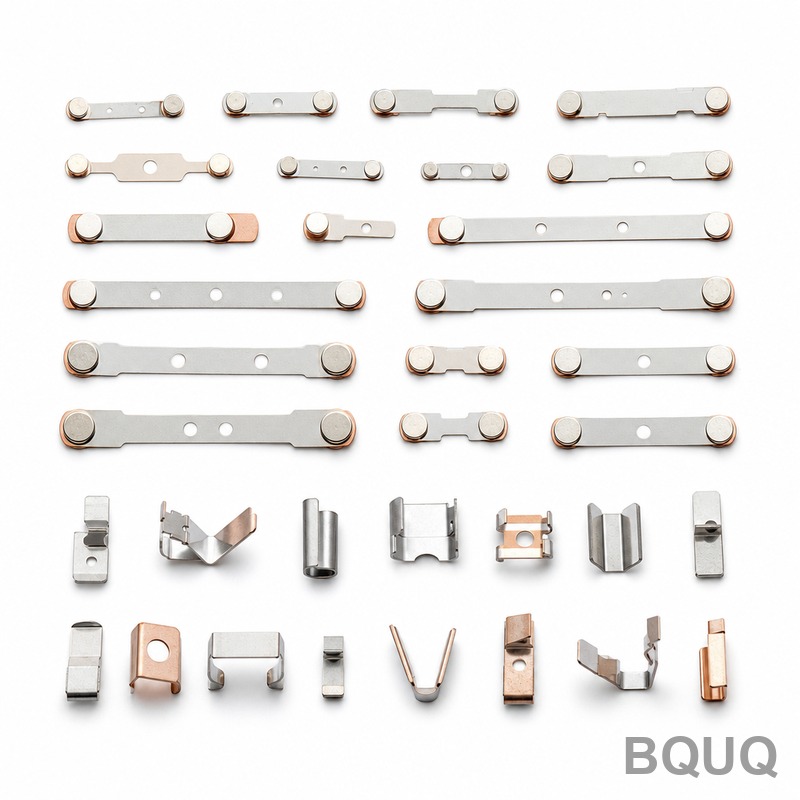
The fastest consolidation is occurring in three segments: EV battery structural components, precision micro-stamping for connectors, and hot-stamping of boron steel for crash management systems. Hot-stamping capacity has grown 25% annually through acquisitions, with press lines rated at 1,200°C furnace temperatures and 150-ton hydraulic dies becoming standard. Micro-stamping deals focus on achieving tolerances of ±0.01 mm for 0.1 mm thick phosphor bronze contacts, a capability that requires cleanroom-class facilities and 40-ton high-speed presses running at 1,200 strokes per minute. Conversely, traditional low-volume prototype stamping remains fragmented, with 70% of shops having fewer than 50 employees.
How Should Engineers Evaluate a Consolidated Supplier's Capability?
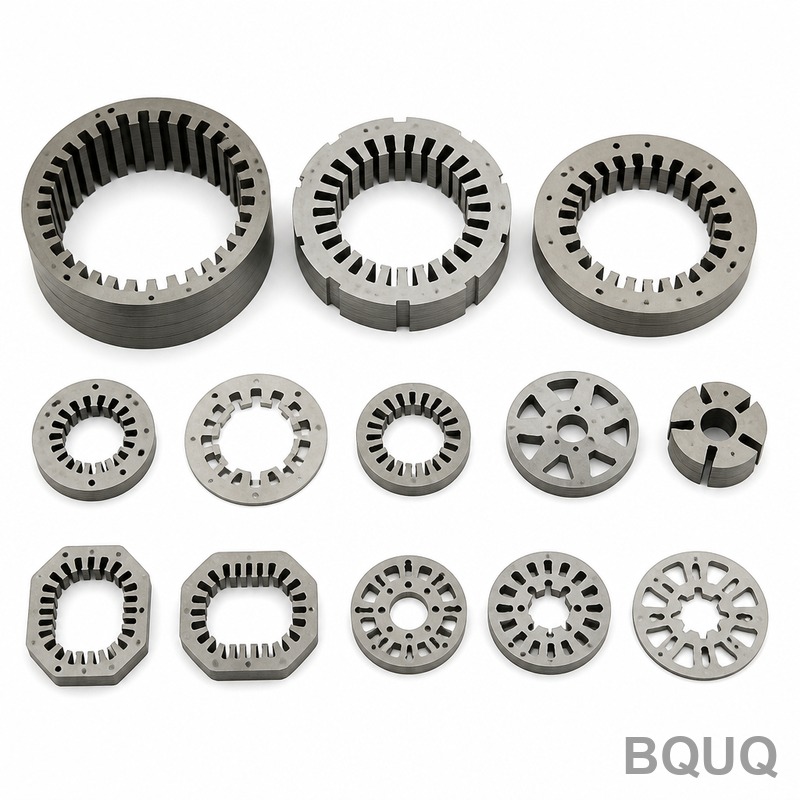
Engineers must verify not just the press tonnage but the entire process chain, including secondary operations and in-house tooling maintenance. A critical metric is die tryout lead time; consolidated suppliers with dedicated toolrooms can cut this from 6 weeks to 3 weeks. Request a capability matrix that lists maximum blank size, thickness range (typically 0.1 mm to 8.0 mm), and achievable flatness tolerance (e.g., 0.1 mm over 300 mm length). Also, confirm the transfer press speed and whether the merged entity uses servo-driven presses for progressive dies, which offer 15% better dimensional stability than mechanical presses. Always ask for a PFMEA (Process Failure Mode and Effects Analysis) specific to the acquired plant, not the corporate headquarters.
What Are the Risks of Sourcing From a Recently Merged Stamping Firm?
The primary risks are operational disruption and loss of institutional knowledge. When two stamping plants merge, die maintenance schedules often slip by 20-30% during the first quarter, leading to increased burr height or dimensional drift beyond the ±0.1 mm typical tolerance. There is also a 15% probability of key toolmakers leaving during the transition, which directly impacts troubleshooting speed for springback issues in high-strength steel. To mitigate, engineers should mandate a 12-month key personnel retention clause in the contract and require monthly SPC (Statistical Process Control) data for critical dimensions, not just annual PPAP submissions.
Which Global Regions Are Leading the Consolidation Trend?
Asia-Pacific, particularly China and India, leads with 55% of global stamping M&A deals, driven by EV production scale and government incentives for localized supply chains. In the Guangdong province, where BQUQ operates, consolidation is focused on acquiring precision stamping shops that can handle aluminum alloys (5052, 6061) with thicknesses down to 0.3 mm for heat sink fins. European deals emphasize automation, with acquired plants integrating robotic part handling to reduce labor costs by 30%. North American activity is concentrated on reshoring defense and medical stamping, requiring certifications like AS9100 and ISO 13485, which act as high barriers to entry for small firms.
How Can OEMs Protect Their Supply Chain During a Supplier Merger?
OEMs should implement a dual-source strategy for critical stamped parts, maintaining a 70/30 volume split even if the primary supplier offers better pricing. Insist on a tooling ownership agreement that allows die transferability to an alternative plant within 30 days, including full 3D CAD files and wire-cut electrode data. Also, negotiate a price adjustment formula tied to the LME (London Metal Exchange) price of steel or aluminum, with a quarterly review, to avoid disputes during post-merger renegotiations. Finally, schedule a physical audit of the target plant's press maintenance logs and die tryout records before signing any long-term supply agreement.
| M&A Trend Indicator | 2020 Baseline | 2024 Current Value | Engineering Impact |
| Global stamping M&A deal volume | 340 deals | 401 deals | 18% increase in consolidation activity |
| Market share of top 10 stampers | 33% | 42% | Fewer sourcing options for complex parts |
| Average piece price reduction post-merger | 2% | 5-8% | Lower cost but stricter annual cost-down clauses |
| Die tryout lead time (consolidated) | 6 weeks | 3 weeks | Faster program launch if toolroom is in-house |
| Hot-stamping capacity growth | 10% annual | 25% annual | More supply for boron steel crash parts |
| Micro-stamping tolerance capability | ±0.02 mm | ±0.01 mm | Enables finer pitch connectors for electronics |
FAQ Section
How Do I Verify a Stamping Supplier's Financial Health Before a Merger?
Request a Dun & Bradstreet report and the last three years of audited financial statements, focusing on debt-to-equity ratio (should be below 1.5) and days payable outstanding. Cross-check their press utilization rate, which should be above 75% for operational efficiency. A healthy stamper will readily share these documents under an NDA.
What Is the Typical Lead Time for a Stamped Part After a Merger?
After a merger, standard lead time for a progressive die part is 4-6 weeks for tooling and 2-3 weeks for production, assuming the die design is frozen. However, allow an extra 2 weeks for the first article inspection if the new entity is still integrating its CMM (Coordinate Measuring Machine) calibration systems. Always confirm the shipping terms, as consolidated suppliers may centralize logistics at one warehouse.
Can a Merged Supplier Handle Both Prototype and High-Volume Stamping?
Most consolidated suppliers will transfer low-volume prototype work to a dedicated rapid-response cell, using 3D-printed dies for 100-500 piece runs. High-volume production, above 50,000 pieces per year, will go to transfer presses with automation. Ensure the contract specifies which plant handles which volume band to avoid delays.
Which Certifications Should I Require From an Acquired Stamping Plant?
Require IATF 16949 for automotive, ISO 13485 for medical, and AS9100 for aerospace, regardless of the corporate parent's status. Additionally, ask for a VDA 6.3 process audit report for German OEM programs. These certifications must be plant-specific, not just corporate-level, because the acquired facility may have lapsed compliance.
How Does M&A Affect Tooling Ownership and Design IP?
You must clarify in the purchase order that the die design, including CAD files and CNC programs, is your intellectual property. Post-merger, some suppliers try to claim "improvement rights" to your tooling; reject this clause. Store a backup copy of the die data with a third-party escrow service.
What Is the Minimum Order Quantity After a Supplier Consolidation?
Minimum order quantities (MOQs) often rise by 20-30% after mergers, as the new entity seeks production efficiency. For example, a MOQ of 5,000 pieces may become 6,500 pieces. Negotiate a flexible MOQ linked to your forecast, with a 10% overrun tolerance, to avoid excess inventory.
When Is the Best Time to Renegotiate Contracts With a Merged Stamper?
The best time is 6-9 months after the merger closes, once the operational integration is complete but before the supplier's new fiscal year pricing takes effect. Use this window to benchmark their new pricing against two other suppliers. Avoid renegotiating during the first 90 days, as their cost accounting is still in flux.
In conclusion, the stamping industry's consolidation is reshaping the supplier landscape, favoring firms that invest in automation, EV-specific capabilities, and multi-process integration. Engineers must adapt by demanding stricter contractual safeguards, verifying plant-level certifications, and maintaining dual-source strategies to mitigate disruption. As a precision manufacturer with 20 years of experience in CNC machining, metal stamping, and heat sinks, BQUQ remains committed to transparent, high-tolerance production despite market shifts. For a detailed capability assessment and competitive quoting, contact us for a 12-hour response. Email: sc@bquq.com, WhatsApp: +86 13713157787, www.bquq.com.