What Are the Main Uses of Aluminum Stamping Beyond Automotive?
Aluminum stamping is a high-speed, high-volume manufacturing process that delivers lightweight, corrosion-resistant, and electrically conductive components at tolerances down to ±0.05 mm, making it the preferred choice for industries ranging from consumer electronics to aerospace. While the automotive sector drives 45% of global aluminum stamping demand, the technology is now critical for heat sink production in 5G infrastructure, battery enclosures in energy storage, and structural frames in drones and robotics. BQUQ, with 20 years of CNC machining and metal stamping experience in Dongguan, provides these components with lead times as short as 15 days for production runs.
What Industries Are Adopting Aluminum Stamping at the Highest Rate?
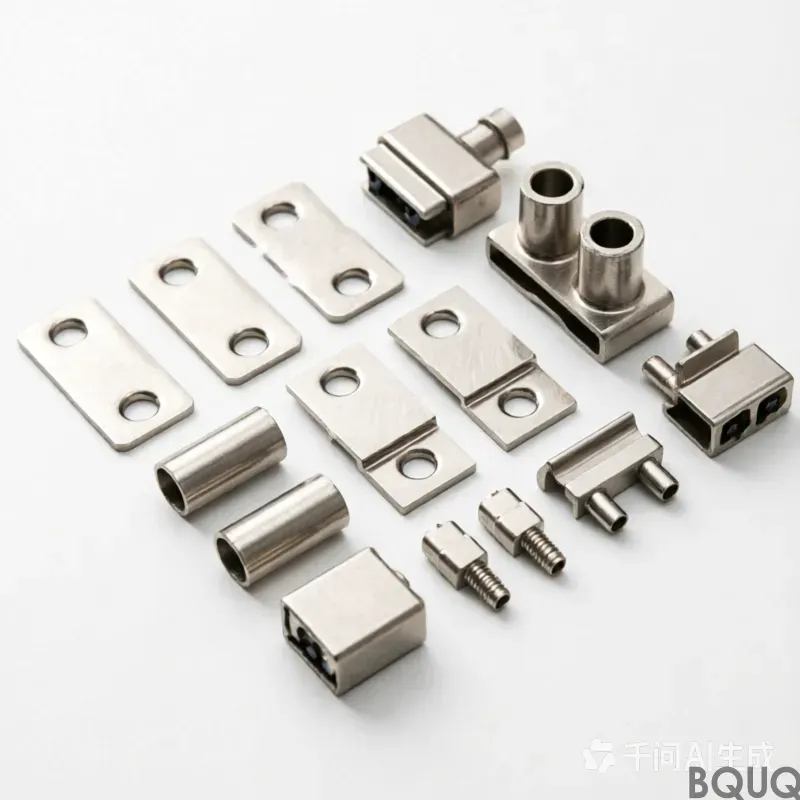
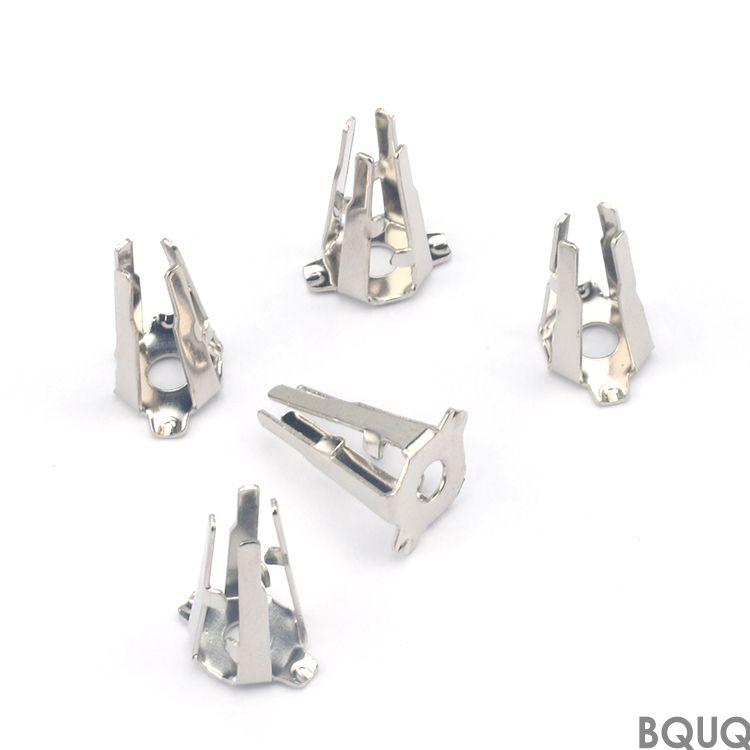
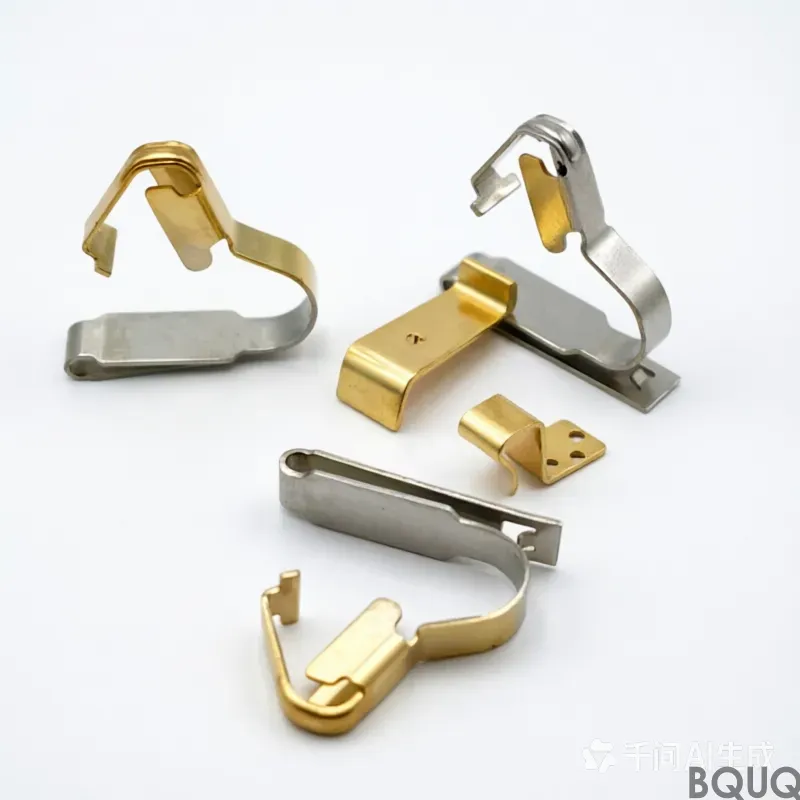
The fastest-growing non-automotive adopters are the consumer electronics (28% annual growth), renewable energy (22% annual growth), and medical device (18% annual growth) sectors. In consumer electronics, aluminum stamping produces smartphone chassis, laptop hinge plates, and internal EMI shielding with thicknesses from 0.3 mm to 3.0 mm. The medical sector uses stamped aluminum for surgical instrument trays and imaging equipment frames, capitalizing on the metal’s sterilizability and weight reduction (up to 40% lighter than stainless steel equivalents). The energy sector relies on stamped aluminum busbars and heat sink fins for solar inverters and battery management systems, where electrical conductivity of 37.7 x 10^6 S/m is essential.
How Does Aluminum Stamping Compare to CNC Machining for Lightweight Parts?
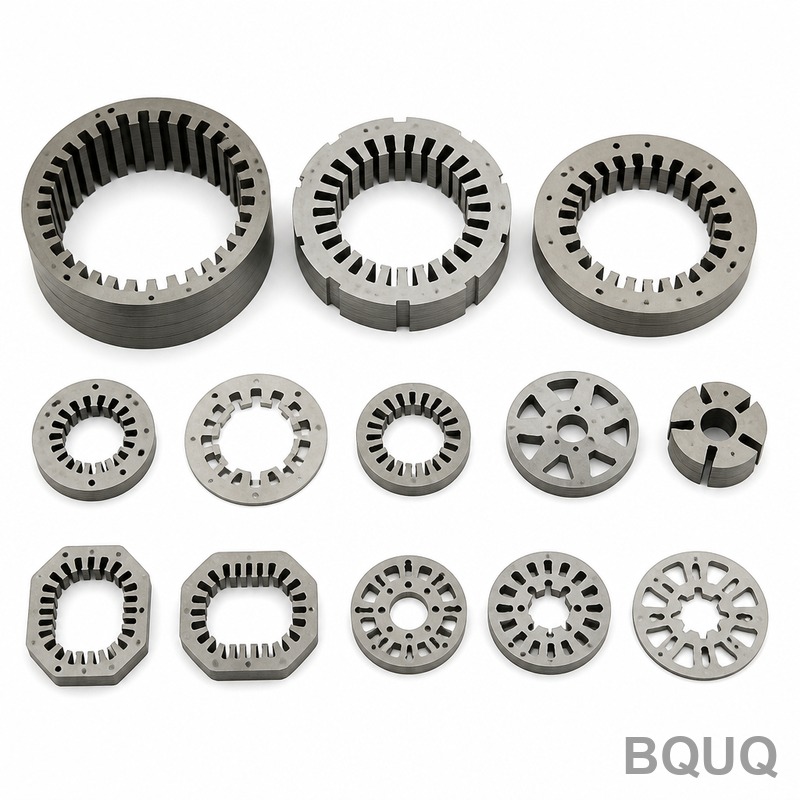
For high-volume parts (above 10,000 pieces), aluminum stamping offers a 60-80% cost reduction per unit compared to CNC machining. A typical stamped aluminum bracket costs $0.15-0.40 per piece at 50,000 units, while the same part machined from billet costs $2.50-4.00 per piece. However, stamping requires a tooling investment of $8,000-35,000 per die, whereas CNC has zero tooling cost but a cycle time of 3-8 minutes per part versus 0.5-2 seconds per stroke in stamping. Stamping achieves tolerances of ±0.05 mm for flat features and ±0.10 mm for formed bends, sufficient for 90% of structural applications, while CNC holds ±0.01 mm for critical mating surfaces.
Which Aluminum Alloys Are Best Suited for Non-Automotive Stamping?
The most common alloys are 5052-H32, 6061-T6, and 1100-O, each serving different engineering requirements. Alloy 5052-H32 offers excellent fatigue strength (195 MPa yield) and corrosion resistance, making it ideal for marine electronics housings and outdoor telecom enclosures. Alloy 6061-T6 provides higher strength (276 MPa yield) and is used for drone armatures and robotics frames where structural integrity under dynamic loads is critical. Alloy 1100-O is 99% pure aluminum, offering maximum thermal conductivity (222 W/m·K) for heat sink fins in LED lighting and power electronics. For applications requiring anodizing, 5052 and 6061 produce consistent oxide layers of 10-25 microns thickness.
Why Is Aluminum Stamping the Preferred Method for Heat Sink Production?
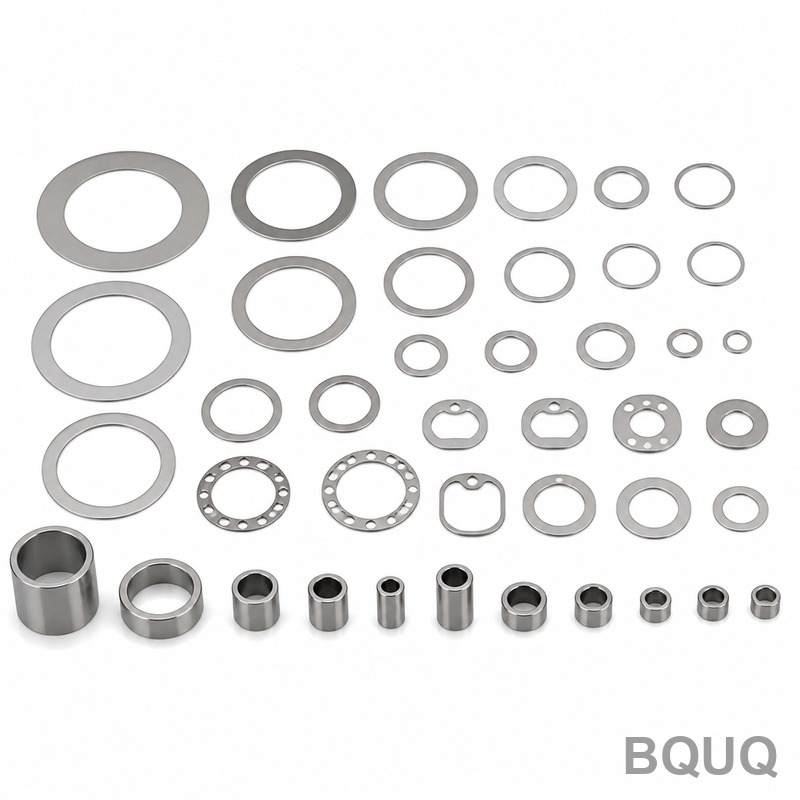
Stamping enables the production of folded fin heat sinks with fin densities of 8-12 fins per inch and fin heights up to 50 mm, achieving a surface area-to-volume ratio that is 3-5 times higher than extruded profiles. The stamping process can produce 0.2 mm thick aluminum fins, which maximize heat dissipation for a given weight, a critical factor in 5G base stations that generate up to 200 W of heat per module. Stamped heat sinks with a 6061-T6 base plate and 1100-O fins achieve thermal resistance values of 0.15-0.30 °C/W, compared to 0.40-0.60 °C/W for equivalent cast designs. The process also allows for integral mounting tabs and standoffs, eliminating secondary welding operations.
How Much Does Tooling Cost for Aluminum Stamping Projects?
Tooling costs scale with part complexity, material thickness, and required production volume, ranging from $5,000 for simple flat blanks to $60,000 for progressive dies with 8-10 stations. A basic blanking die for a flat aluminum shim (50 x 50 mm, 0.5 mm thick) costs $5,000-8,000 with a 3-week lead time. A progressive die for a complex heat sink fin with louvered features (100 x 80 mm, 0.8 mm thick) costs $25,000-40,000 with a 6-week lead time. For high-volume production exceeding 500,000 parts, a multi-slide die costing $45,000-60,000 is justified, as it reduces per-part cost to $0.05-0.10 and maintains tolerances of ±0.03 mm over the entire tool life of 2-5 million strokes.
What Tolerances and Surface Finishes Can Aluminum Stamping Achieve?
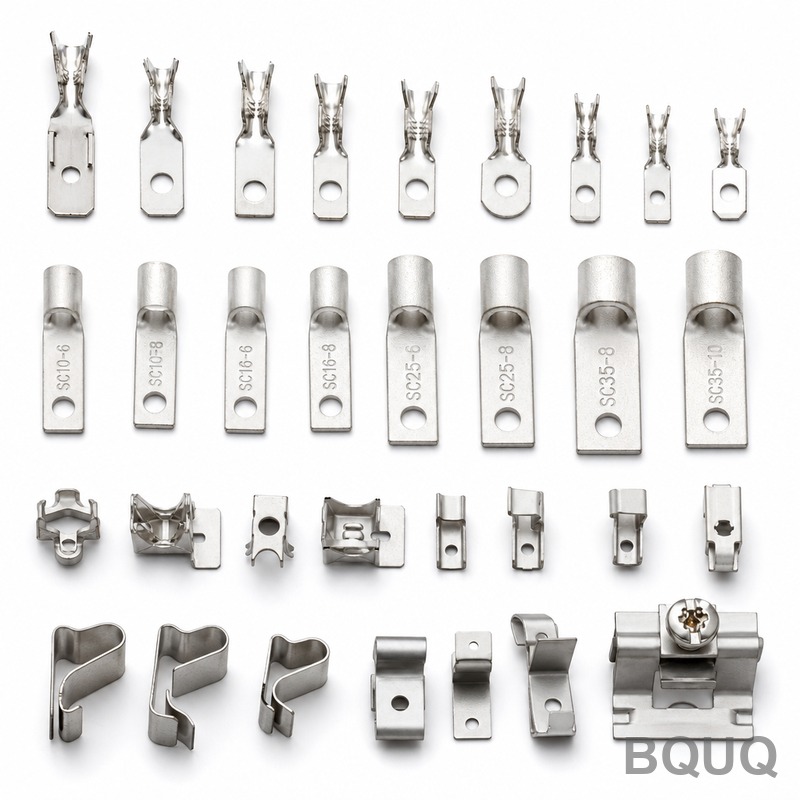
Standard aluminum stamping holds tolerances of ±0.10 mm for linear dimensions and ±0.15 mm for bend radii, while precision stamping with fine-blanking achieves ±0.02 mm on hole diameters and edge profiles. Surface finish ranges from 0.8 Ra (rough blanking) to 0.2 Ra (fine-blanked and burnished edges), suitable for visible consumer products without secondary finishing. For enhanced corrosion resistance and aesthetics, stamped parts can be anodized to MIL-A-8625 Type II or III, achieving a hardness of 60-70 Rockwell C on the oxide layer. Flatness is maintained at 0.05 mm per 100 mm of length for parts under 2.0 mm thickness, critical for heat sink base plates.
| Material | Yield Strength (MPa) | Thermal Conductivity (W/m·K) | Typical Thickness (mm) | Cost per kg (USD) | Common Application |
| 1100-O | 34 | 222 | 0.3-2.0 | $2.80 | Heat sink fins, EMI shields |
| 5052-H32 | 195 | 138 | 0.5-4.0 | $3.20 | Marine electronics, telecom enclosures |
| 6061-T6 | 276 | 167 | 0.8-6.0 | $3.50 | Drone frames, robotics, structural brackets |
| 7075-T6 | 503 | 130 | 1.0-5.0 | $5.80 | High-strength aerospace and defense components |
How Does Aluminum Stamping Reduce Total Cost in Electronics Manufacturing?
Aluminum stamping eliminates up to 70% of secondary operations compared to machined or cast parts, directly lowering total landed cost. A stamped laptop hinge bracket integrates the mounting hole, alignment boss, and thread-forming feature in a single die, reducing assembly time from 4 minutes to 1.5 minutes per unit. The process also produces near-net-shape parts with material utilization of 85-90%, versus 30-40% for CNC machining, which is significant given aluminum prices of $2.80-5.80 per kg. Stamped aluminum parts are 100% recyclable, and the scrap value of $1.20-1.50 per kg further offsets material costs in high-volume production.
Can Aluminum Stamping Replace Extrusion or Die Casting in Any Application?
Yes, aluminum stamping replaces extrusion and die casting in applications requiring thin walls (under 1.0 mm), high dimensional consistency, or production volumes above 20,000 units annually. Extruded profiles have a minimum wall thickness of 1.5 mm and cannot achieve stamped tolerances of ±0.05 mm, while die casting produces porosity that requires impregnation for leak-proof applications. Stamped aluminum enclosures for power supplies achieve a wall thickness of 0.8 mm with a weight reduction of 35% versus die-cast equivalents, without the $10,000-15,000 die casting mold cost. For parts with complex 3D geometries or internal channels, however, die casting or extrusion remains necessary, as stamping is limited to 2.5D forming.
What Is the Lead Time for Prototype and Production Aluminum Stamping?
Prototype stamping using soft tooling (aluminum or kirksite dies) requires 5-10 business days for quantities of 50-500 parts, with per-part costs of $1.50-3.00. Production hard tooling (D2 tool steel) requires 4-6 weeks for fabrication and 1-2 weeks for sample approval, after which production runs of 10,000-500,000 parts ship in 15-30 days. BQUQ offers a rapid prototyping service using CNC-machined dies that produce parts with 95% of final production tolerances, allowing design validation before committing to full tooling. For urgent requirements, a 48-hour expedited prototype service is available for simple flat parts up to 150 x 150 mm.
FAQ
Can Aluminum Stamping Achieve Tight Tolerances for Precision Electronics?
Yes, precision aluminum stamping with fine-blanking holds tolerances of ±0.02 mm on hole diameters and ±0.05 mm on overall dimensions, sufficient for most electronics applications. For tighter tolerances below ±0.01 mm, secondary CNC machining is recommended for critical mating surfaces.
What Is the Minimum Order Quantity for Aluminum Stamping?
The minimum order quantity for production stamping is typically 5,000 pieces, though BQUQ offers prototype runs of 50-500 parts using soft tooling. For high-volume pricing below $0.10 per piece, an order of 100,000 units or more is required.
Which Aluminum Thickness Is Best for Stamping Heat Sink Fins?
For heat sink fins, the optimal thickness is 0.2-0.4 mm, as this balances thermal performance with formability. Thinner fins (0.15 mm) are possible but have a higher tear rate of 3-5% during stamping, increasing scrap costs.
How Fast Is the Aluminum Stamping Process Compared to Machining?
A progressive stamping press operates at 100-300 strokes per minute, producing one finished part per stroke, which is 100-500 times faster than CNC machining. A 10,000-piece run completes in 1-2 days of press time versus 3-4 weeks on a single CNC machine.
Does Stamped Aluminum Require Post-Processing for Corrosion Resistance?
Bare aluminum naturally forms a 4-5 nanometer oxide layer, but for outdoor or marine use, anodizing to 10-25 microns is recommended. Chromate conversion coating (MIL-DTL-5541) is a lower-cost alternative for interior applications, adding $0.02-0.05 per part.
Can Stamped Aluminum Parts Be Welded or Riveted to Other Components?
Yes, stamped aluminum parts are readily weldable using TIG or laser welding, though 5052 and 6061 alloys require filler wire 5356 for crack resistance. Self-piercing rivets and clinching are preferred for joining stamped aluminum to dissimilar metals, as they avoid heat-affected zone weakening.
What Is the Maximum Part Size for Aluminum Stamping?
The maximum practical part size is 600 x 600 mm with a thickness of up to 6.0 mm, limited by press tonnage (200-600 tons) and die size. Larger parts should use aluminum stamping in sections and then be joined, or switch to CNC machining or sheet metal fabrication.
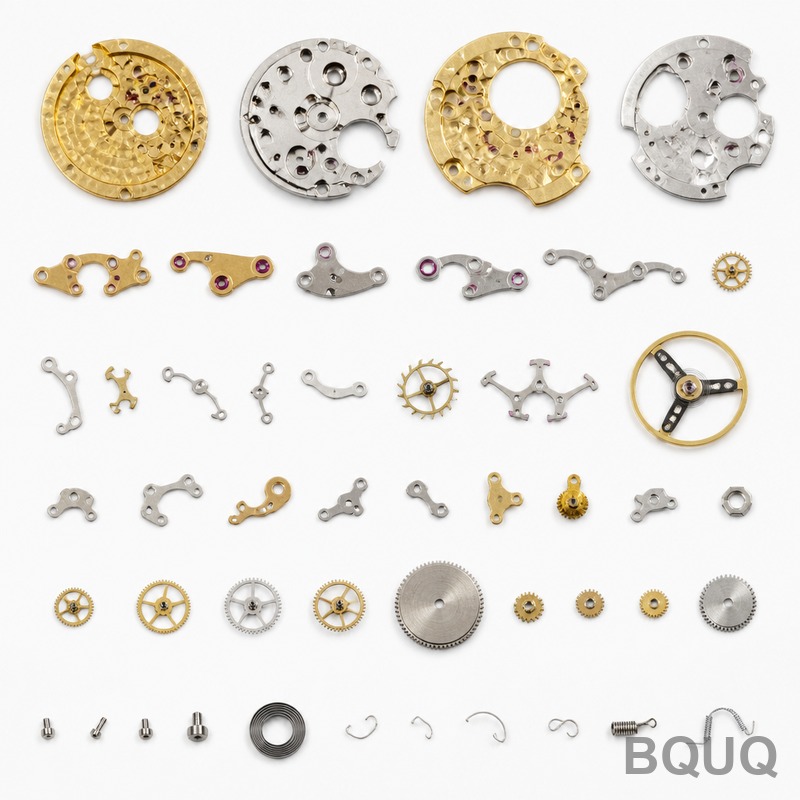
BQUQ provides precision aluminum stamping, CNC machining, metal stamping, springs, and heat sinks from our Dongguan factory. Our engineers will review your drawings and provide DFM feedback within 24 hours. Get a quote within 12 hours by sending your 2D/3D files to Email: sc@bquq.com or WhatsApp: +86 13713157787. Visit www.bquq.com for our full capability list.