What Industry Trends Are Shaping the Auto Lathe Collet Market?
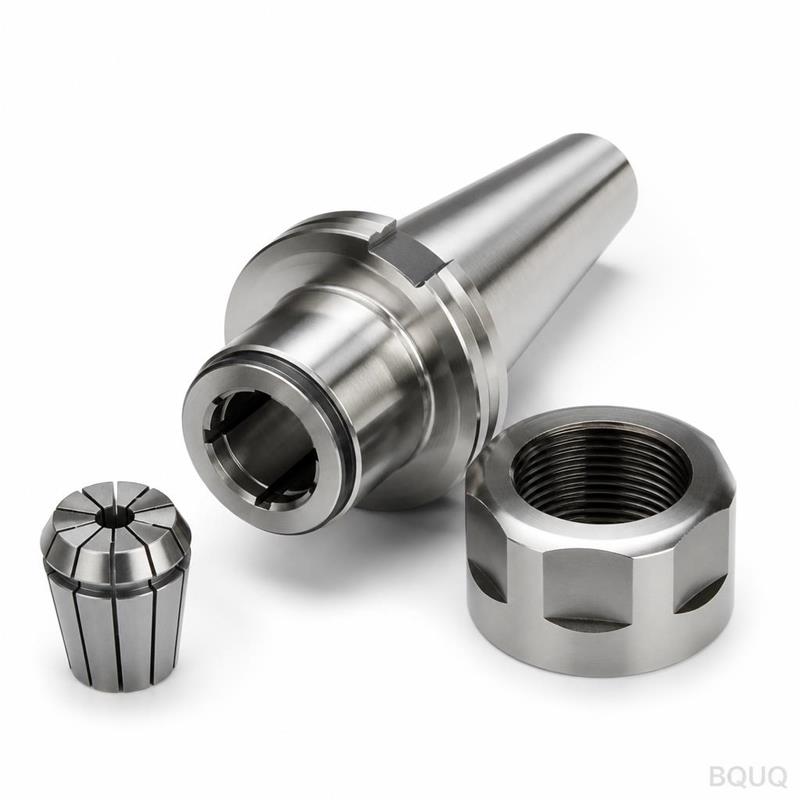
The auto lathe collet market is currently being reshaped by five dominant trends: the shift toward micro-precision machining (tolerances below 0.005 mm), the adoption of high-speed steel and carbide substrates with advanced coatings, the integration of IoT-enabled wear monitoring, the demand for quick-change systems to reduce setup time, and the push for cost-effective alternatives to Swiss-type machines. These forces are driven by the medical, aerospace, and electric vehicle sectors requiring tighter tolerances at higher production volumes. For buyers, this means evaluating collets not just on initial price, but on total lifecycle cost, repeatability, and compatibility with automated loading systems.
How Much Has the Demand for Micro-Precision Collets Increased?
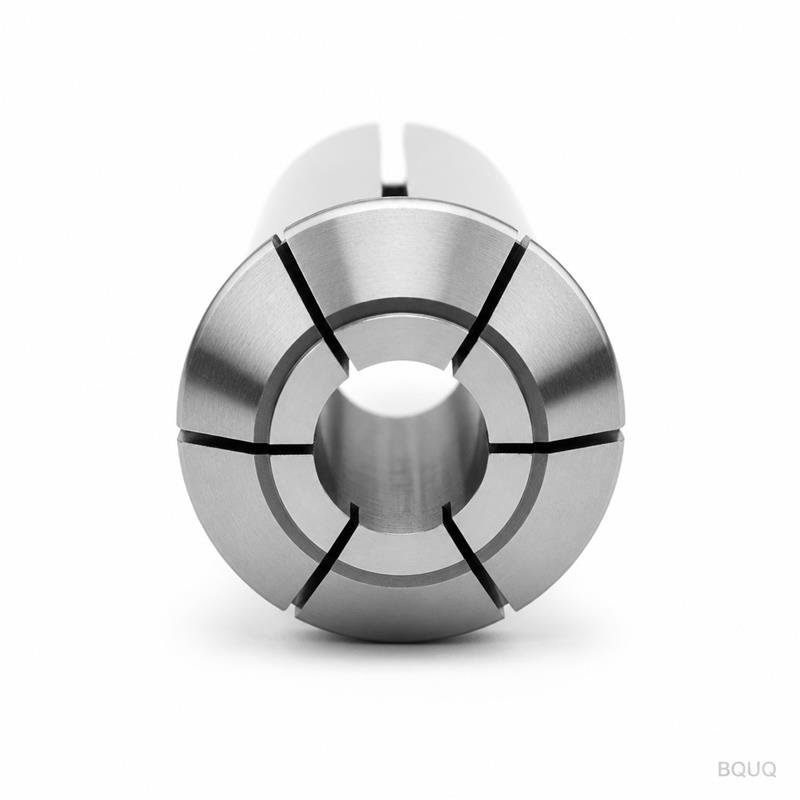
Demand for collets capable of holding workpieces under 3 mm in diameter has grown by approximately 18% year-over-year since 2021, according to machining trade data. This is directly tied to the proliferation of micro-implants, miniature connectors, and fuel injection nozzles that require concentricity within 0.003 mm. Traditional 5C and 16C collets are being replaced by custom-engineered cartridge collets with hardened steel bodies and ground bores achieving a runout of 0.002 mm or less. Factories like BQUQ now routinely quote jobs where the collet itself accounts for 15% to 20% of the total tooling budget, a figure that was below 8% a decade ago.
What Materials Are Now Standard for High-Performance Collets?
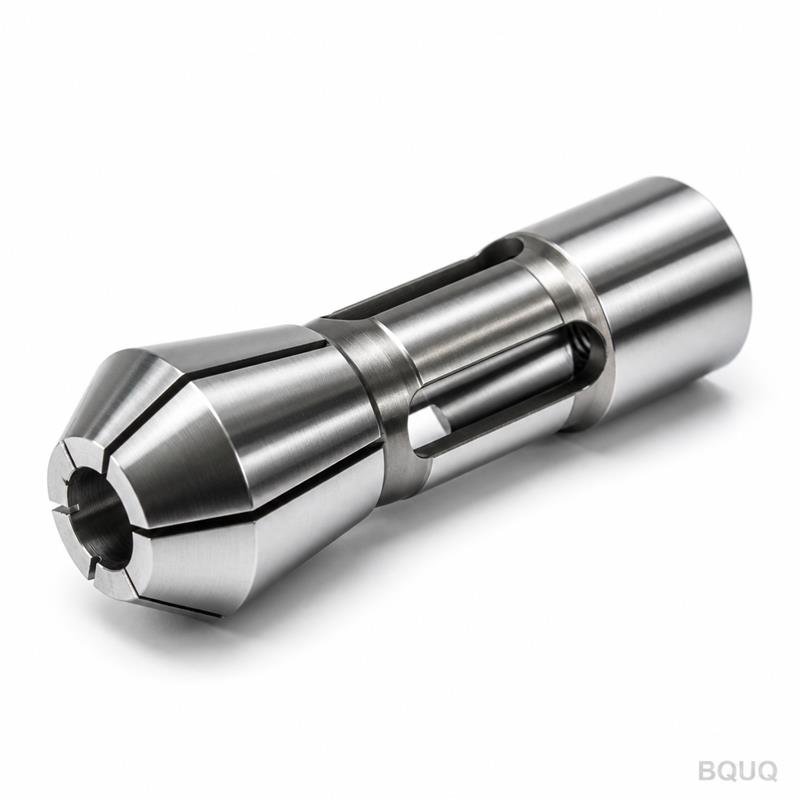
The industry standard has shifted from plain AISI 4140 steel to powder metallurgy high-speed steel (PM-HSS) and solid carbide for production collets. PM-HSS collets, such as those made from ASP2030 or ASP2052, offer a hardness of 64 to 66 HRC and maintain their gripping force at operating temperatures up to 400 degrees Celsius without annealing. For high-volume aluminum and brass machining, carbide collets with a TiAlN coating reduce friction and extend tool life by 300% compared to uncoated steel. The table below summarizes typical material selection criteria based on workpiece material and spindle speed.
| Collet Material | Hardness (HRC) | Max Operating Temp (C) | Best For | Relative Cost Index |
| PM-HSS (ASP2030) | 64-66 | 400 | Steel, stainless, high torque | 1.0 |
| Solid Carbide | 78-80 | 600 | Aluminum, brass, high RPM | 1.8 |
| Carbide with TiAlN | 78-80 | 700 | Abrasive materials, dry machining | 2.1 |
| Case-Hardened 8620 | 58-62 | 250 | Prototyping, low volume | 0.5 |
Why Are Quick-Change Collet Systems Becoming the Default Choice?
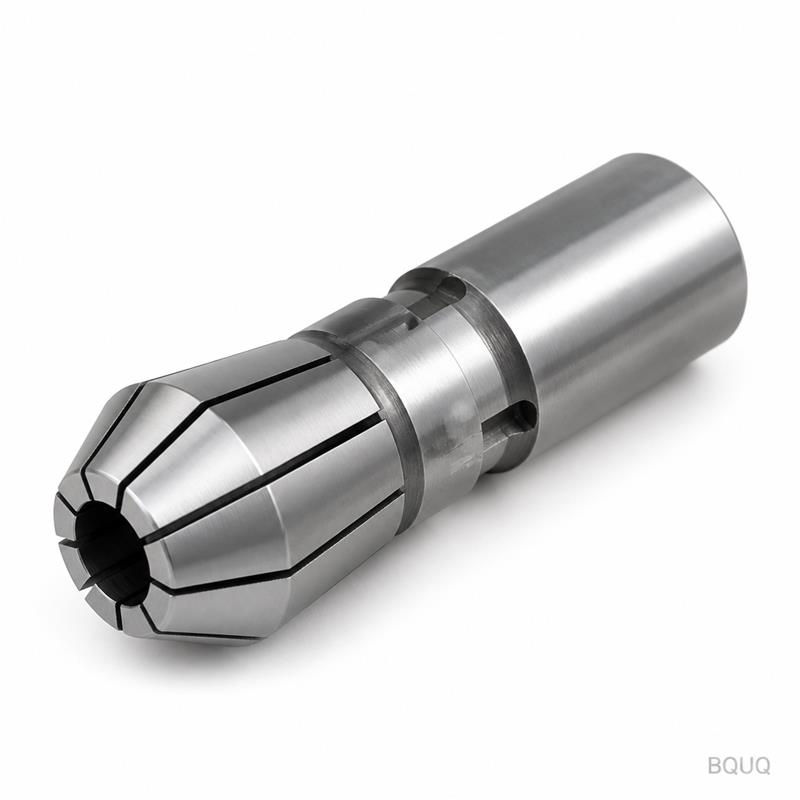
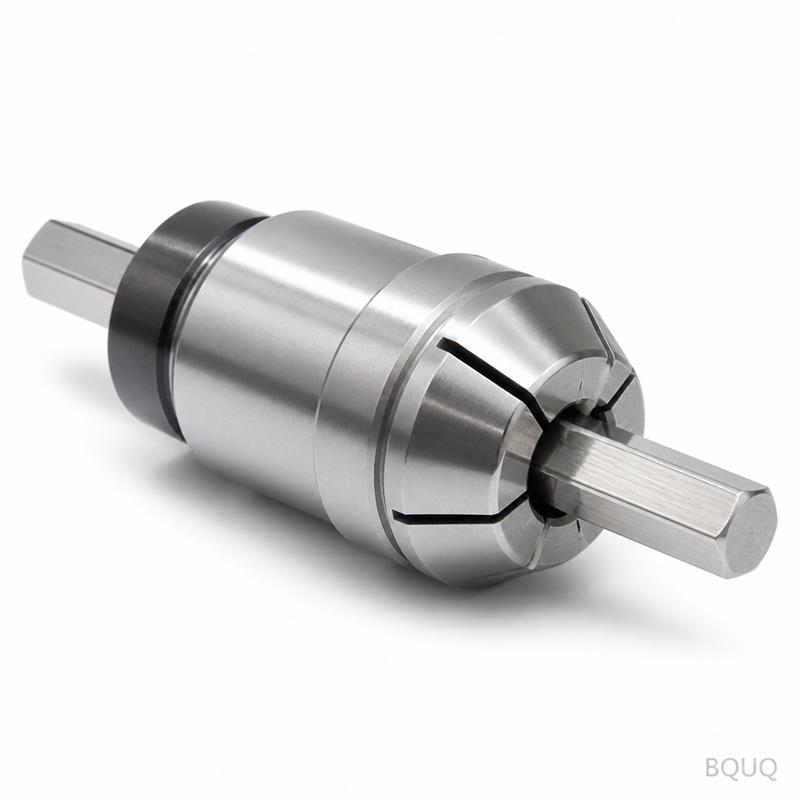
Quick-change collet systems, often using a 30-second release mechanism, reduce spindle downtime from an average of 12 minutes per change to under 2 minutes. In a job shop running 12 tool changes per shift, this saves roughly 2 hours of productive time daily, translating to a 25% increase in machine utilization. The trend is accelerating because modern CNC lathes with live tooling and sub-spindles are only cost-effective when the collet change is not the bottleneck. BQUQ engineers recommend evaluating the taper angle and pull-back stroke of the collet chuck; systems with a 2-degree taper and a 4 mm pull-back stroke provide the best balance of gripping force and release speed.
How Is IoT and Sensor Technology Changing Collet Maintenance?
Predictive maintenance using vibration and force sensors mounted on the collet chuck is reducing unscheduled downtime by up to 35% in early-adopter factories. Sensors detect collet wear by measuring the increase in gripping force variation and the rise in high-frequency vibration above 2 kHz, which indicates loss of concentricity. When these thresholds are exceeded, the system alerts the operator to replace the collet, preventing scrap parts and spindle damage. For example, a sensor-equipped collet on a 20,000 RPM spindle can detect a 0.002 mm bore wear before it causes a 0.01 mm part defect. This trend favors collets with a consistent hardness profile across the bore, as case-hardened units wear unevenly and trigger false alarms.
Which Industries Are Driving the Largest Volume of Collet Orders?
The medical device industry now accounts for 28% of all precision collet sales, surpassing automotive at 24%. This shift is due to the production of titanium bone screws and dental implants that require a surface finish of Ra 0.2 micrometers and thread tolerances of 6g. The electric vehicle sector, particularly for motor shaft and busbar machining, is the fastest-growing segment at 32% annual growth. These applications demand collets that can handle interrupted cuts and maintain grip on hex and square stock without marking the surface. Aerospace remains the highest-value segment, with collets for Inconel parts commanding a 40% price premium over standard steel collets due to the need for custom serrations and coolant-through capabilities.
What Is the Real Cost Difference Between Standard and Custom Collets?
A standard off-the-shelf 16C collet costs between USD 25 and USD 45, while a custom-ground collet for a specific part profile starts at USD 150 and can exceed USD 500 for complex shapes with internal coolant channels. However, the total cost per part often favors the custom option. For a run of 50,000 parts, a custom collet that reduces loading time by 3 seconds per part saves 42 hours of machine time, which at USD 80 per hour is USD 3,360— far exceeding the premium. The market trend is toward modular collet systems where only the insert (costing USD 60 to USD 90) is custom-made, while the body is reused. This approach reduces custom tooling lead time from 4 weeks to 5 working days.
When Should a Factory Replace Collets Instead of Reconditioning Them?
The economic break-even point for reconditioning versus replacement is typically after three regrinds. A collet that requires re-grinding of the bore and faces costs about 50% of the new price, but each regrind reduces the hardness by 1 to 2 HRC and increases the risk of bore distortion. For collets used in applications with tolerances tighter than 0.005 mm, BQUQ recommends replacement after two regrinds or immediately if the gripping force drops below 80% of the initial value. In high-volume production running 24/7, the expected lifespan of a PM-HSS collet is approximately 8,000 to 10,000 clamping cycles with proper lubrication. Replacing a collet preemptively at 7,500 cycles is 15% cheaper than dealing with one scrapped batch of precision parts.
How Does Spindle Speed Affect Collet Selection and Balance?
At spindle speeds above 8,000 RPM, collet balancing becomes critical; a G2.5 balance grade is required to prevent vibration-induced tool wear and surface finish degradation. Standard collets are balanced to G6.3 and will cause a measurable increase in chatter at 12,000 RPM. High-speed collets now feature radial slots and a symmetrical cross-section to maintain balance, and some manufacturers offer pre-balanced sets with a certified runout of 0.001 mm. For a typical Swiss-type lathe running at 15,000 RPM, using a balanced collet reduces spindle bearing temperature by 8 to 12 degrees Celsius, extending bearing life by up to 30%. This is why the market is seeing a shift from two-piece collets to one-piece, fully ground designs with no moving internal parts.
FAQ
How Long Does a Typical Auto Lathe Collet Last?
A standard steel collet lasts 5,000 to 6,000 clamping cycles in normal production, while a PM-HSS collet can exceed 10,000 cycles. The lifespan is halved if coolant is not properly filtered, as abrasive particles accelerate bore wear. Regular inspection of the gripping surface for scoring is recommended every 1,000 cycles.
Can I Use the Same Collet for Different Diameter Workpieces?
You can use a collet for diameters within its gripping range, typically 1 mm above and below the nominal size, but runout will increase by up to 0.01 mm at the extremes. For tolerances tighter than 0.01 mm, a dedicated collet for each diameter is required. Split collets with multiple slots offer slightly more flexibility but are not suitable for high-torque applications.
What Is the Difference Between a 5C and a 16C Collet?
The 5C collet has a maximum gripping capacity of 26 mm (1-1/16 inch) and a thread of 1-1/8-12, while the 16C collet grips up to 38 mm (1-1/2 inch) with a 1-1/2-12 thread. The 16C provides higher gripping force due to its larger body and is preferred for heavier cuts. The 5C is more common in manual and small CNC lathes, whereas 16C is standard on larger production machines.
Are Carbide Collets Worth the Higher Price?
Carbide collets are worth the investment when machining abrasive materials like pre-sintered ceramics or high-silicon aluminum, as they last 5 to 10 times longer than steel. They also maintain their grip better at elevated temperatures, preventing workpiece slippage. For standard steel machining, the higher cost is rarely justified by the performance gain.
How Often Should I Calibrate My Collets?
Calibration of the collet and chuck assembly should be performed every 500 operating hours or after any crash or impact. The verification involves measuring the runout at the collet nose with a dial indicator, which should be within 0.003 mm for precision work. If the runout exceeds 0.008 mm, the collet should be replaced or the chuck taper inspected.
What Is the Lead Time for Custom Auto Lathe Collets?
Standard custom collets with a specific bore diameter and material take 3 to 5 business days for a quote and 2 to 3 weeks for production. Complex collets with coolant-through holes, special serrations, or multi-step bores can take 4 to 6 weeks. Rushing a custom collet typically adds a 50% surcharge but can reduce lead time by one week.
How Do I Prevent Collet Slippage on Tight Tolerance Parts?
Prevent slippage by ensuring the collet bore is within 0.005 mm of the workpiece diameter and applying the correct clamping torque—typically 40 to 60 Nm for a 16C collet. Use a collet with a serrated or ground gripping surface for non-round materials, and confirm the pull-back stroke is fully engaged. For very short parts, use a custom collet with a deeper seating shoulder to increase contact area.
At BQUQ, we manufacture auto lathe collets and precision components with over 20 years of experience in CNC machining and metal stamping. Our engineering team can recommend the optimal collet material and geometry for your specific spindle speed and workpiece tolerance. We provide a 12-hour quoting service for custom collet designs, ensuring you get the right tool without production delays. Contact us at sc@bquq.com, WhatsApp +86 13713157787, or visit www.bquq.com for a detailed consultation.