What Is Stamping Lubrication and Which Oil Should You Use?
Stamping lubrication is the application of a specially formulated oil or fluid to sheet metal and tooling before or during a stamping operation to control friction, reduce heat, and prevent galling or die wear. The correct oil depends on the material thickness, stamping speed, and severity of the deformation, but for most mild steel applications up to 3 mm thick, a chlorinated or sulfurized heavy-duty stamping oil with a viscosity of 100-220 cSt at 40°C is recommended. For aluminum and stainless steel, you should use a low-viscosity, chlorine-free forming oil with extreme pressure (EP) additives to prevent adhesion and micro-welding.
What Are the Primary Functions of Stamping Lubrication?
The core functions of stamping lubricants are friction control, thermal management, and surface protection. Friction control is the most critical: the lubricant must maintain a consistent coefficient of friction (typically 0.08 to 0.12 for drawing operations) to allow predictable metal flow into the die cavity. Thermal management prevents localized overheating at the punch-sheet interface, which can exceed 200°C in high-speed progressive dies operating at 200-600 strokes per minute. Surface protection involves creating a physical barrier that prevents direct metal-to-metal contact, reducing adhesive wear (galling) and abrasive wear from hard particles. Additionally, the lubricant must flush away fine metallic debris from the die surface; otherwise, these particles act as abrasives and reduce die life by 30-50%.
How Does Material Type Affect Lubricant Selection?
Material type dictates the base oil chemistry and additive package. For low-carbon steel (DC01, SPCC), a straight mineral oil with a viscosity of 60-150 cSt and sulfurized EP additives works effectively because the steel is ductile and does not react aggressively with chlorine or sulfur. For stainless steel (304, 316), which has high work-hardening rates and a strong tendency to gall, you need a chlorinated paraffin-based oil (1-5% chlorine content) or a chlorine-free alternative with high phosphorus content, providing a coefficient of friction below 0.06. Aluminum alloys (5052, 6061) require chlorine-free, low-viscosity oils (20-40 cSt) with fatty acid esters; chlorine reacts with aluminum to form corrosive byproducts. For galvanized steel, avoid sulfurized oils because sulfur can cause edge discoloration and weldability issues; use a non-reactive synthetic oil with a viscosity of 40-80 cSt.
What Viscosity and Additive Package Do You Need?
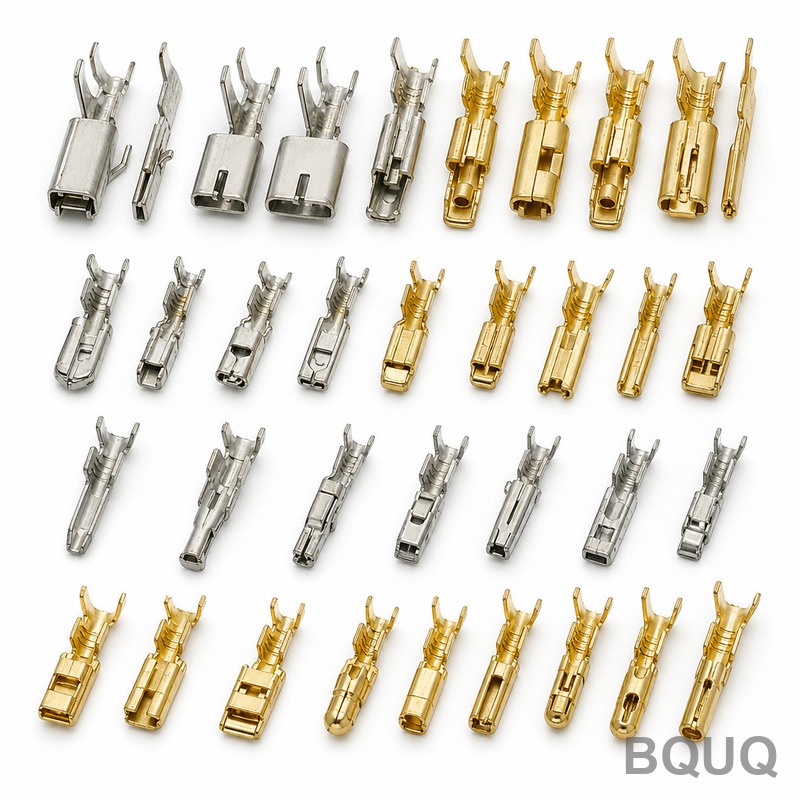
Viscosity selection is based on the clearance between the punch and die, the material thickness, and the stamping speed. For thin materials (0.5-1.5 mm) at high speeds (300+ SPM), a low-viscosity oil (20-50 cSt at 40°C) is needed for fast wetting and minimal drag. For thick materials (3-6 mm) or deep drawing operations, a high-viscosity oil (150-300 cSt) provides a robust film that can withstand high pressures of 100-200 MPa at the die radius. The additive package is equally important: EP additives (sulfur, chlorine, phosphorus) activate at high temperatures (150-300°C) to form a sacrificial metal salt layer that prevents welding. Boundary lubricants (fatty acids, stearates) provide low-friction films at moderate temperatures and pressures. In progressive die stamping of electrical connectors (0.2-0.5 mm brass), a low-viscosity (15-30 cSt) oil with 2-3% fatty acid is standard to avoid residual contamination on the finished part.
How Much Does Stamping Oil Cost and How Do You Apply It?
The cost of stamping lubricants varies from USD 1.50 per liter for basic mineral oils to USD 8.00 per liter for high-performance synthetic chlorinated formulations. A typical medium-sized stamping press (200-ton capacity, 500 mm x 500 mm die area) consumes 1.5 to 3.0 liters of oil per 8-hour shift when using spray application at a rate of 10-20 ml/min. Application methods include roller coating (best for flat strip), spray mist (best for progressive dies), and drip or brush (best for manual operations). For high-speed stamping above 400 SPM, spray mist with atomizing nozzles at 0.3-0.5 MPa air pressure provides uniform coverage and reduced oil consumption by 30% compared to flooding. In our facility, we use a recirculating filtration system that extends oil life by 200-300 hours, reducing total lubricant cost by 40%.
Which Stamping Oil Is Best for Your Specific Operation?
| Operation Type | Material | Recommended Oil Type | Viscosity at 40°C | Typical Cost per Liter |
| Blanking (thin steel) | Mild steel 0.5-2 mm | Light mineral oil with sulfur | 40-60 cSt | USD 2.00-3.00 |
| Progressive die (connectors) | Brass, phosphor bronze | Low-viscosity synthetic with fatty acid | 15-30 cSt | USD 3.50-5.00 |
| Deep drawing (stainless) | 304 stainless steel | Chlorinated heavy-duty oil | 150-220 cSt | USD 5.00-8.00 |
| Aluminum stamping | 5052 aluminum | Chlorine-free, ester-based oil | 20-40 cSt | USD 4.00-6.00 |
| High-speed blanking | Galvanized steel | Non-reactive synthetic oil | 40-80 cSt | USD 3.00-4.50 |
| Hot stamping | 22MnB5 boron steel | Graphite-free high-temp oil | 100-150 cSt | USD 6.00-9.00 |
For general-purpose stamping of steel up to 3 mm, a sulfurized oil with a viscosity of 100 cSt provides the best balance of performance and cost at approximately USD 3.00 per liter. For high-volume production of aluminum parts, the ester-based oil is mandatory to avoid white rust and surface etching.
Why Does Lubricant Selection Impact Die Life and Part Quality?
Incorrect lubricant selection is one of the leading causes of premature die failure and scrap generation. Using a low-viscosity oil on a deep-drawing operation leads to film breakdown, causing scoring on the die radius and punch surface, reducing die life from 500,000 strokes to under 100,000 strokes. A die re-grinding operation costs USD 200-500 per tool and requires 4-8 hours of downtime. Conversely, using an overly viscous oil on a thin-material blanking operation causes excessive part sticking in the die, leading to mis-feeds and double-hits that can damage the die set. Part quality issues include edge burr height exceeding 0.05 mm (typical specification is 10% of material thickness), surface scratches visible under 10x magnification, and dimensional drift beyond +/- 0.05 mm tolerance. For automotive structural parts, even minor galling on the flange area can cause weld porosity and fail the part in a salt-spray test.
When Should You Replace Stamping Oil and How Do You Monitor It?
Stamping oil should be replaced when its viscosity changes by more than 10% from the original value, when the acid number (AN) exceeds 2.0 mg KOH/g, or when the water content exceeds 0.5%. In continuous operation with a recirculation system, check the oil weekly using a simple viscosity cup and monthly with a laboratory analysis costing USD 50-80. Visual indicators for replacement include a dark brown or black color, a rancid odor, or the presence of visible metal particles. For non-recirculating spray applications, replenish oil every 4-8 hours and fully clean the die area every 5,000-10,000 strokes to prevent oil film breakdown and dried residue buildup. In our stamping lines operating at 250 SPM, we change oil in the recirculation tank every 2 weeks (approximately 200 operating hours) to maintain consistent part quality.
FAQ
Can You Use the Same Oil for All Stamping Operations?
No, using one oil for all operations is not recommended because the friction and temperature requirements vary significantly. A single multipurpose oil will compromise either the surface finish on aluminum or the die life on stainless steel. Select oil based on the most severe operation in your facility and adjust for other materials with viscosity modifiers.
What Happens If You Use Too Much Stamping Oil?
Excessive oil application leads to oil pooling in the die, causing hydraulic locking that can crack punches and increase part sticking. It also creates a mess on the shop floor, increases cleaning costs for downstream operations, and can leave residual oil that interferes with welding or adhesive bonding. The optimal film thickness is 2-5 micrometers for most stamping operations.
Is Chlorinated Stamping Oil Safe for the Environment and Workers?
Chlorinated oils are effective but raise environmental and health concerns due to the potential formation of dioxins during disposal. Modern chlorinated paraffins with short-chain lengths (C10-C13) are restricted under REACH regulations in Europe. Use chlorine-free alternatives where possible, and always ensure proper ventilation and waste oil disposal through certified handlers.
How Does Temperature Affect Stamping Lubrication Performance?
High ambient temperatures (above 40°C) reduce oil viscosity, thinning the film and increasing the risk of metal-to-metal contact. Cold temperatures (below 10°C) increase viscosity, making the oil difficult to pump and spray. For consistent performance, store oil at 15-25°C and consider using a heated oil circulation system for cold climates.
Can Stamping Oil Be Reused or Recycled?
Yes, stamping oil can be reused if it is filtered to remove metal particles and separated from water. Centrifugal separators and cartridge filters with a 5-micron rating can extend oil life by 50-100%. However, fully recycled oil may lose additive performance, so blend it with 20-30% fresh oil to maintain the required EP properties.
Which Stamping Oil Is Best for Food-Grade or Medical Components?
For components used in food contact or medical devices, use food-grade (NSF H1) synthetic oils that are odorless, tasteless, and certified for incidental food contact. These oils cost USD 10-15 per liter and have a lower viscosity range of 20-50 cSt. They must be completely removed in a cleaning line before final packaging.
How Do You Remove Stamping Oil from Finished Parts?
Stamping oil is typically removed using an alkaline aqueous cleaner at 50-70°C with ultrasonic agitation for 3-5 minutes, followed by a deionized water rinse and hot air drying. For chlorinated oils, a two-stage cleaning process with a pre-wash solvent may be required. The cleaning operation adds 15-30 seconds per part and costs approximately USD 0.01-0.05 per kilogram of parts.
Conclusion
Selecting the correct stamping lubricant is not a minor consumable decision; it directly affects die life, production uptime, part quality, and operating cost. For most mild steel applications, start with a sulfurized oil at 100 cSt viscosity; for aluminum, switch to a chlorine-free ester oil; and for stainless steel, use a heavy-duty chlorinated or high-phosphorus formulation. Test your chosen oil on a pilot run of 1,000-5,000 strokes and measure the coefficient of friction, part surface finish, and die wear before full production. At BQUQ, we have 20 years of experience in CNC machining, metal stamping, springs, and heat sinks, and we select lubricants based on part geometry and material specifications to ensure consistent quality at high volumes.
For an engineering review of your stamping lubrication needs or a quotation on your next project, contact us for a 12-hour response. Email: sc@bquq.com, WhatsApp: +86 13713157787, or visit www.bquq.com.