What Is the Difference Between Stamping and Deep Drawing? Process Comparison Guide
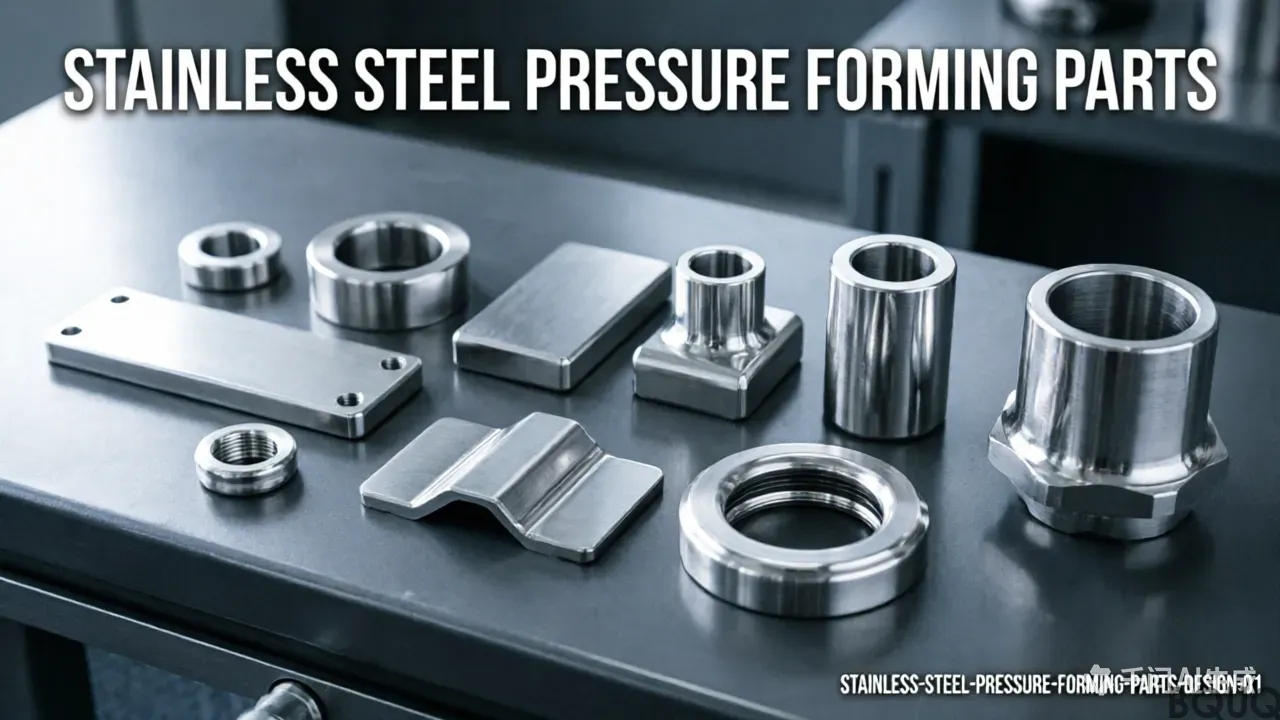
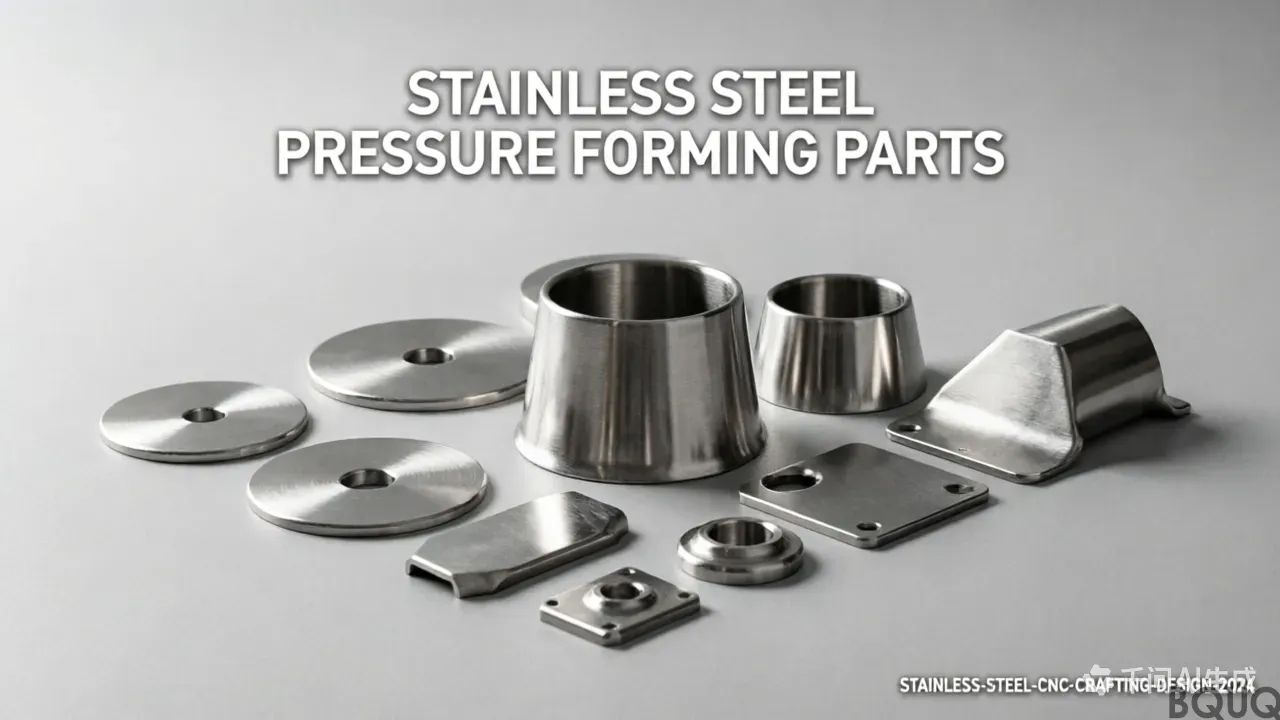
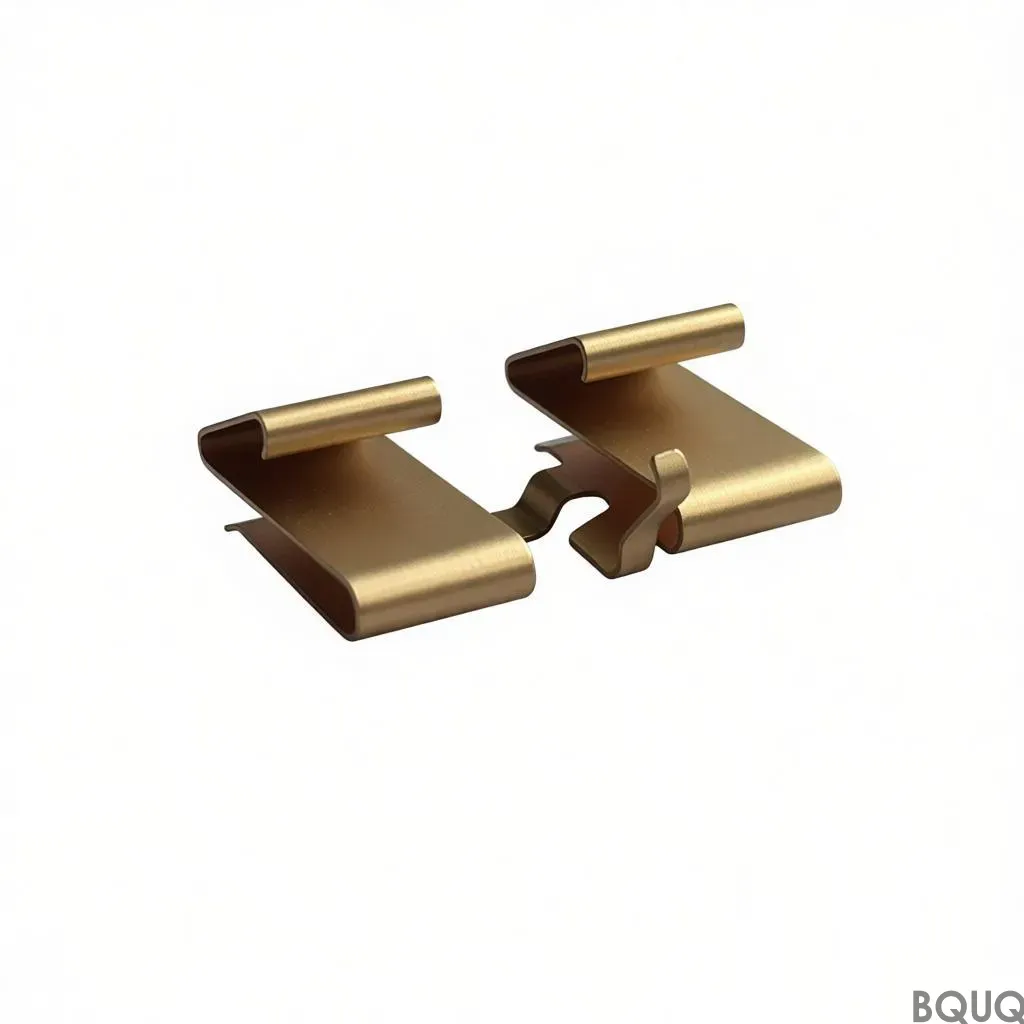
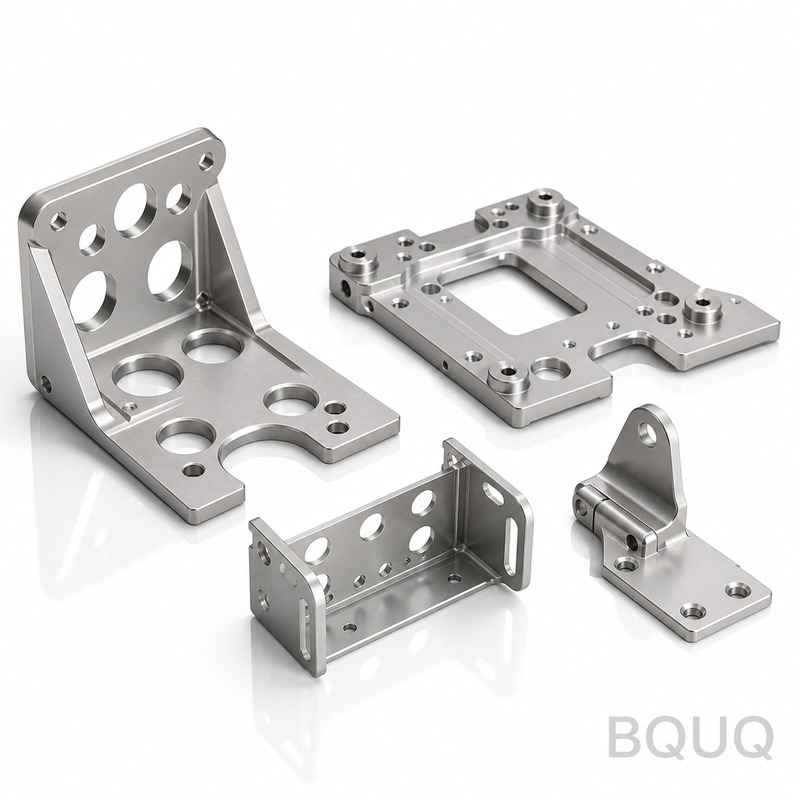
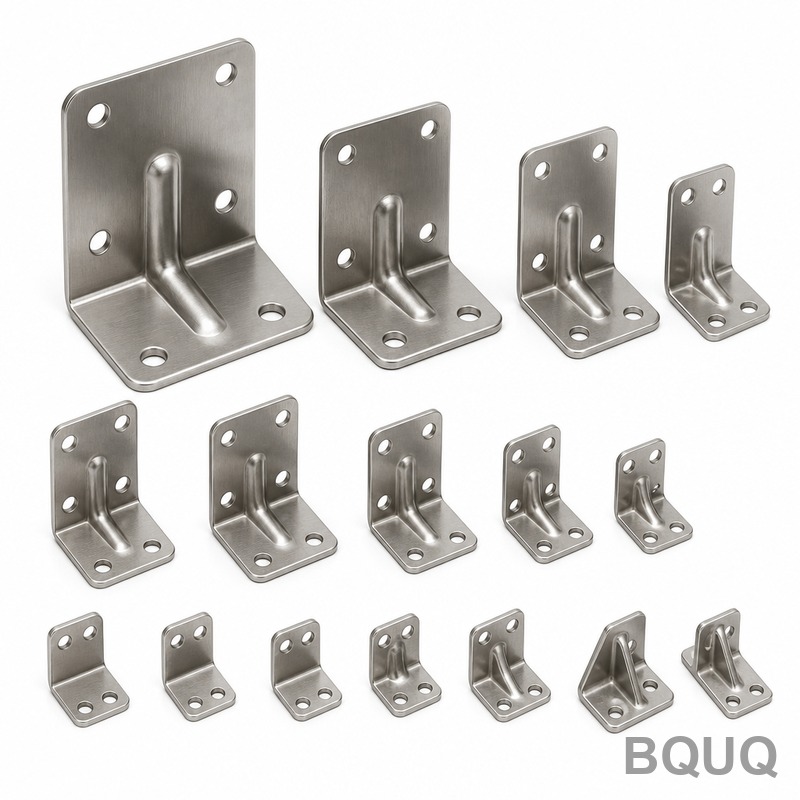
Stamping and deep drawing are both sheet metal forming processes, but they serve fundamentally different purposes: stamping uses high force to cut, bend, or pierce flat sheet metal into a specific shape, while deep drawing uses tensile and compressive forces to pull sheet metal into a three-dimensional, hollow cavity. In practical terms, stamping produces flat or lightly formed parts like brackets and washers, whereas deep drawing produces seamless, cup-shaped or box-shaped components like battery casings and sink basins. The key distinction lies in material flow: stamping relies on shearing and deformation without significant material movement, while deep drawing intentionally stretches and compresses the blank to increase depth beyond its diameter.
What Are the Core Process Differences Between Stamping and Deep Drawing?
Stamping encompasses a family of operations—blanking, punching, bending, coining, and embossing—performed on a press with matched dies. The material is typically held stationary relative to the die, and the punch moves vertically to shear or deform the sheet. Deep drawing, by contrast, is a specific stamping subtype where a punch forces a flat blank into a die cavity, causing the flange to flow radially inward under a blank holder's controlled pressure. The critical parameter is the draw ratio (blank diameter divided by punch diameter); a ratio above 1.5 to 2.0 generally requires deep drawing rather than simple stamping. For example, stamping a 1.0 mm thick steel bracket with a 10 mm hole takes 0.5 seconds, while deep drawing a 50 mm diameter, 40 mm deep cup from the same material takes 1.2 seconds due to the multi-stage tooling and material flow control.
How Does Material Thickness Affect Process Selection?
Material thickness directly determines whether stamping or deep drawing is economically viable. Stamping can handle thicknesses from 0.1 mm (foil) up to 6.0 mm (heavy plate) with standard tooling, but deep drawing is typically limited to 0.3 mm to 3.0 mm for most production parts because thicker materials require exponentially higher blank holder forces and risk tearing at the punch radius. For instance, a 2.0 mm thick aluminum 5052 sheet can be deep drawn to a 30 mm depth with a 60 mm diameter in one stroke, but a 4.0 mm thick steel sheet of the same dimensions will crack due to insufficient flange draw-in. In our factory, we recommend stamping for thicknesses above 3.0 mm unless the part has a depth-to-diameter ratio below 0.5, in which case shallow stamping with a draw die is still feasible.
What Tolerances Can Each Process Achieve?
Stamping achieves tighter tolerances on flat features: hole positions within plus/minus 0.05 mm, bend angles within plus/minus 0.5 degrees, and cut edge quality with burr height under 0.08 mm for material up to 1.5 mm thick. Deep drawing tolerances are looser on the walls and bottom due to springback and thickness variation: sidewall straightness is typically plus/minus 0.15 mm per 50 mm of depth, and wall thickness can vary by plus/minus 10% of nominal. For a 1.0 mm stainless steel deep drawn cup, the bottom thickness may thin to 0.85 mm at the punch corner radius, while the flange stays at 1.0 mm. If your design requires a press-fit bearing bore, stamping is the better choice; if you need a leak-proof seamless cylinder, deep drawing is mandatory.
Which Materials Are Suitable for Stamping Versus Deep Drawing?
Stamping works with almost any ductile metal: low-carbon steel (DC01, SPCC), stainless steel (304, 316), aluminum (5052, 6061), copper, brass, and even titanium in thin gauges. Deep drawing demands higher elongation and lower yield strength: aluminum alloys 3003 and 5052 are excellent, while 6061-T6 is prone to cracking; cold-rolled steel (SPCC, DC04) is ideal, but high-strength steels above 590 MPa require heated tooling. For example, deep drawing 0.8 mm thick brass (C26000) to a 25 mm depth with a 20 mm diameter is routine, but the same geometry in 7075-T6 aluminum will fail because its elongation is only 11% versus brass's 45%. Material cost also differs: stamping scrap can be 30% to 50% of the blank, while deep drawing scrap is only 10% to 20% because the blank is closer to the final footprint, but deep drawing requires more expensive lubrication and die coatings.
How Do Tooling Costs and Lead Times Compare?
Stamping tooling is generally simpler and cheaper for flat parts: a progressive die for a bracket costs 5,000 to 15,000 USD with a lead time of 3 to 5 weeks, while a compound die for a washer costs 2,000 to 6,000 USD. Deep drawing tooling is more complex due to the punch, die, blank holder, and draw beads: a single-stage draw die for a cup costs 8,000 to 20,000 USD, and a multi-stage die (three or more draws) can reach 30,000 to 60,000 USD with a lead time of 6 to 10 weeks. However, deep drawing tooling lasts longer because the forces are distributed over a larger contact area—a hardened D2 steel draw die can produce 500,000 parts before reconditioning, whereas a stamping punch for piercing may need sharpening every 100,000 hits. For low volumes under 1,000 parts, stamping with a laser-cut blank is more economical; for volumes above 50,000 parts, deep drawing's lower per-part cost (0.05 USD versus 0.12 USD for a 40 mm cup) justifies the tooling investment.
When Should You Choose Stamping Instead of Deep Drawing?
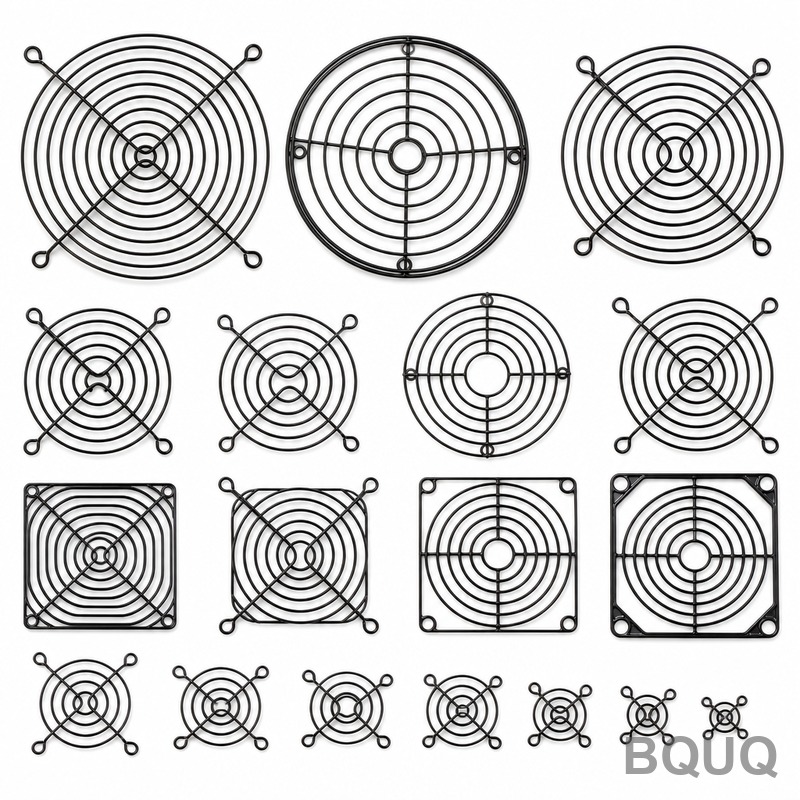
Choose stamping when the part is essentially flat, has holes or bends, or requires tight flatness tolerances—for example, heat sink fins, EMI shields, or mounting plates. Choose deep drawing when the part is a hollow vessel with a depth greater than half its diameter, such as fuel filter housings, sensor casings, or cookware. The decision also depends on production speed: a stamping press runs at 50 to 200 strokes per minute, while a deep drawing press runs at 10 to 30 strokes per minute because the punch must travel slower to avoid tearing. If your annual requirement is 10,000 pieces of a 30 mm diameter, 20 mm deep cup, stamping with a shallow draw die (draw ratio 1.3) is feasible, but for a 60 mm depth (draw ratio 2.0), you need dedicated deep drawing with two or three stages.
Why Does Part Geometry Dictate the Process Choice?
The ratio of part depth (H) to part diameter (D) is the primary determinant: if H/D is less than 0.5, it is a shallow draw and can be done on a stamping press; if H/D is between 0.5 and 1.0, it is a medium draw requiring a dedicated draw press; if H/D exceeds 1.0, it is a deep draw requiring multiple stages and annealing between draws for materials like stainless steel. For example, a 20 mm diameter, 10 mm deep cup (H/D = 0.5) can be stamped in one hit, but a 20 mm diameter, 30 mm deep cup (H/D = 1.5) needs three draws with intermediate annealing, increasing cost by 40%. Additionally, sharp internal corners below 1.0 mm radius are impossible in deep drawing because the material thins excessively; stamping can produce 0.2 mm corner radii on bends and pierced holes. Always provide a 3D model with a minimum draft angle of 0.5 degrees for deep drawn walls to allow part ejection.
| Parameter | Stamping | Deep Drawing |
| Typical part geometry | Flat, bent, or pierced | Hollow, cup-shaped, seamless |
| Material thickness range | 0.1 to 6.0 mm | 0.3 to 3.0 mm |
| Tolerance on hole position | plus/minus 0.05 mm | plus/minus 0.15 mm |
| Tolerance on wall thickness | Not applicable | plus/minus 10% of nominal |
| Production speed | 50 to 200 strokes/min | 10 to 30 strokes/min |
| Tooling cost (simple part) | 2,000 to 15,000 USD | 8,000 to 60,000 USD |
| Tooling lead time | 3 to 5 weeks | 6 to 10 weeks |
| Material utilization | 50% to 70% | 80% to 90% |
| Typical scrap rate | 30% to 50% | 10% to 20% |
| Surface finish (Ra) | 0.8 to 1.6 micrometers | 0.4 to 1.2 micrometers |
| Minimum corner radius | 0.2 mm (bend) | 1.0 mm (punch radius) |
| Maximum depth-to-diameter ratio | 0.5 (shallow) | 2.5 (multi-stage) |
What Are the Common Defects and How Do You Prevent Them?
Stamping defects include burrs on cut edges, springback on bends, and dimensional drift on holes. Burr height can be controlled to below 0.05 mm by maintaining punch-to-die clearance at 5% to 10% of material thickness; springback for 90-degree bends in 1.0 mm steel is 2 to 3 degrees, compensated by over-bending the die. Deep drawing defects include wrinkling on the flange, tearing at the punch corner, and earing (uneven top edge). Wrinkling is prevented by increasing blank holder pressure to 1.5 to 2.5 MPa for steel; tearing is avoided by ensuring the draw ratio is below the material limit (1.8 for aluminum, 2.2 for low-carbon steel) and by using a punch radius of at least 4 times the material thickness. Earing in aluminum can be reduced by using a cross-rolled sheet with a grain orientation factor below 1.05.
What Is the Cost Difference per Part for a Typical Deep Drawn Cup?
For a 40 mm diameter, 25 mm deep cup in 0.8 mm SPCC steel, stamping with a single draw die costs approximately 0.12 USD per part at 10,000 pieces, while deep drawing with a two-stage die costs 0.08 USD per part at 50,000 pieces. The break-even volume is around 15,000 pieces, above which deep drawing's lower cycle time and material savings dominate. Tooling amortization adds 0.05 USD per part for stamping and 0.03 USD per part for deep drawing at these volumes.
Can Deep Drawing Be Performed on a Standard Stamping Press?
Yes, but only for shallow draws with an H/D ratio below 0.5 and using a hydraulic press with a cushion system for blank holder control. A standard mechanical stamping press lacks the adjustable speed and pressure profile needed for deep draws, risking wrinkles or tears. For production above 500 parts per day, we recommend a dedicated double-action hydraulic draw press with a 200-ton capacity for 1.0 mm steel parts up to 100 mm diameter.
Which Process Produces Better Surface Finish?
Deep drawing generally yields a smoother surface on the outer walls because the material is stretched under pressure, achieving an Ra of 0.4 to 0.8 micrometers, whereas stamped edges have a sheared zone with Ra of 1.6 to 3.2 micrometers. However, stamping produces a better finish on flat surfaces because the die polishes the top face. For cosmetic parts like appliance housings, deep drawing with a polished die (Ra 0.2 micrometers) is preferred, but the inner surface will show transfer marks from the punch.
How Does Lubrication Affect Deep Drawing Quality?
Lubrication is critical: a chlorinated or sulfurized oil with a viscosity of 100 to 150 cSt at 40 degrees Celsius reduces friction to a coefficient of 0.08 to 0.12, enabling deeper draws. Without lubrication, the coefficient rises to 0.2 or higher, increasing the risk of galling and limiting the draw ratio by 20%. For stainless steel, a molybdenum disulfide coating is used at temperatures up to 200 degrees Celsius; for aluminum, a water-soluble emulsion prevents pick-up on the die.
What Is the Minimum Wall Thickness Achievable in Deep Drawing?
The minimum wall thickness is approximately 0.3 mm for aluminum and 0.2 mm for stainless steel, but the bottom of the cup will thin by 10% to 20% due to stretching. For a 0.3 mm aluminum cup, the bottom may measure 0.24 mm at the corner radius, which can cause pinhole leaks at high pressure. We recommend specifying a nominal thickness of 0.5 mm or greater for parts requiring pressure tightness above 1 MPa.
When Is Annealing Required Between Deep Drawing Stages?
Annealing is required when the cumulative reduction in thickness exceeds 50%, typically after the second draw for stainless steel (304) and after the third draw for aluminum 5052. For example, a 60 mm deep cup from 1.0 mm steel requires three draws; annealing at 700 degrees Celsius for 10 minutes after the second draw restores elongation from 25% to 55%. Skipping annealing causes cracking at the punch radius, with a failure rate exceeding 30% in our production trials.
How Do You Choose Between Stamping and Deep Drawing for a New Part?
First, measure the part depth and diameter to calculate the H/D ratio; if above 0.5, deep drawing is mandatory. Second, check the minimum corner radius—if below 1.0 mm, modify the design or use stamping with a separate bottom piece. Third, request a DFM review from our engineers, who will simulate the draw ratio and provide a cost breakdown within 24 hours. We have produced over 2 million deep drawn components for automotive and electronics clients since 2004, with a first-pass yield of 98.5% on multi-stage draws.
For a precise quote, send your 2D or 3D CAD file with material and annual volume specifications. Our engineering team responds within 12 hours with process recommendations, tooling costs, and per-part pricing. Contact us at sc@bquq.com or WhatsApp +86 13713157787, or visit www.bquq.com for more case studies and design guidelines.