What Materials Can Be Metal Stamped? A Complete Guide for Engineers
Metal stamping is a high-speed manufacturing process that transforms flat sheet metal into precise components using progressive dies and presses. The materials that can be metal stamped range from low-carbon steels and aluminum alloys to copper, brass, and advanced high-strength steels, with thicknesses typically between 0.1 mm and 6.0 mm. The selection of the correct material is the single most critical factor determining tool life, part cost, and final mechanical performance.
Material Selection Criteria for Stamping
When evaluating a material for metal stamping, engineers must assess three primary physical properties: tensile strength, elongation percentage, and hardness. Tensile strength determines the maximum force required to cut or form the part, directly influencing press tonnage and die wear. Elongation dictates the material's ability to deform without cracking, which is essential for deep drawing and bending operations. Hardness affects tool abrasion and the final surface finish of the stamped component.
The stamping process itself operates at room temperature, but localized heating at the shear zone can reach temperatures of 200°C to 400°C depending on speed and material. For most applications, the material must maintain ductility at these temperatures to prevent edge cracking. Additionally, the material's thickness tolerance and flatness must align with the die clearance, which is typically 5% to 10% of the material thickness per side.
Common Ferrous Materials for Metal Stamping
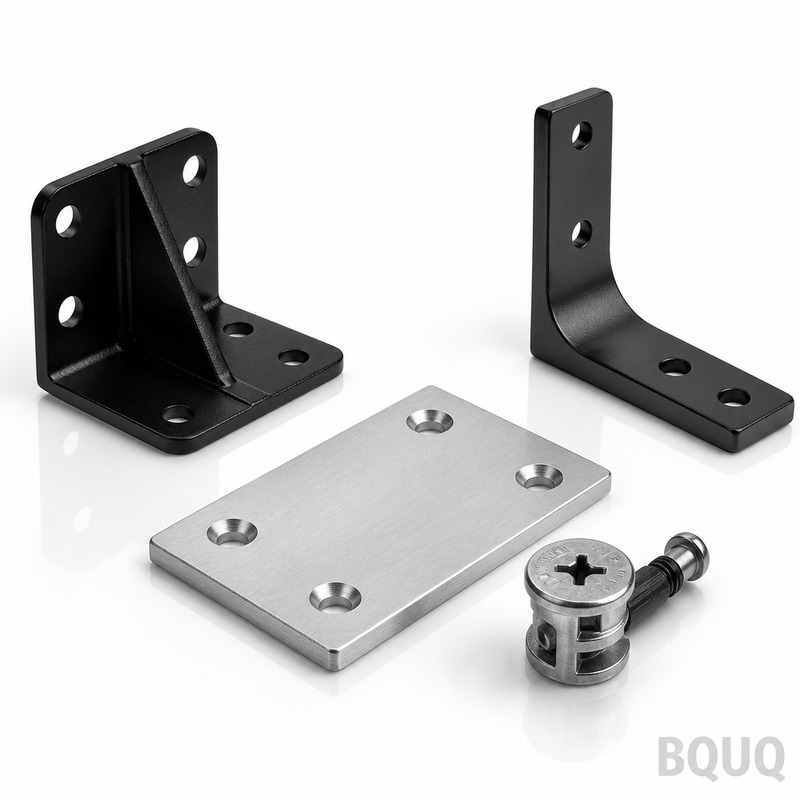
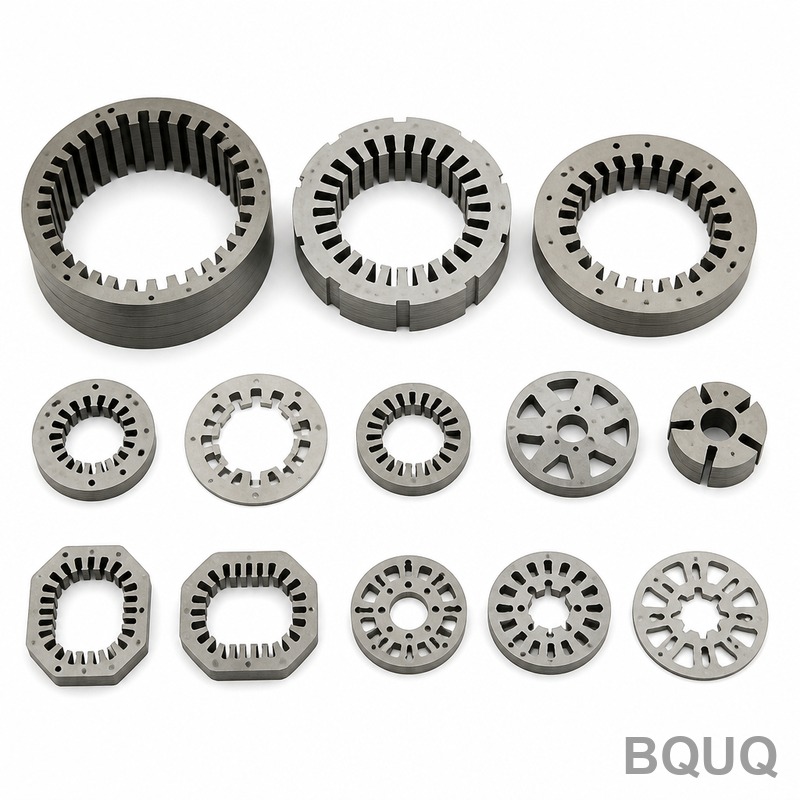
Low-carbon steel, specifically SAE 1008 and SAE 1010, is the most stamped material globally due to its excellent formability and low cost. These grades offer tensile strengths of 280 MPa to 340 MPa and elongation of 30% to 40%, making them ideal for brackets, enclosures, and automotive chassis components. For applications requiring higher strength, high-strength low-alloy (HSLA) steels such as ASTM A572 Grade 50 provide 450 MPa yield strength while maintaining adequate bendability.
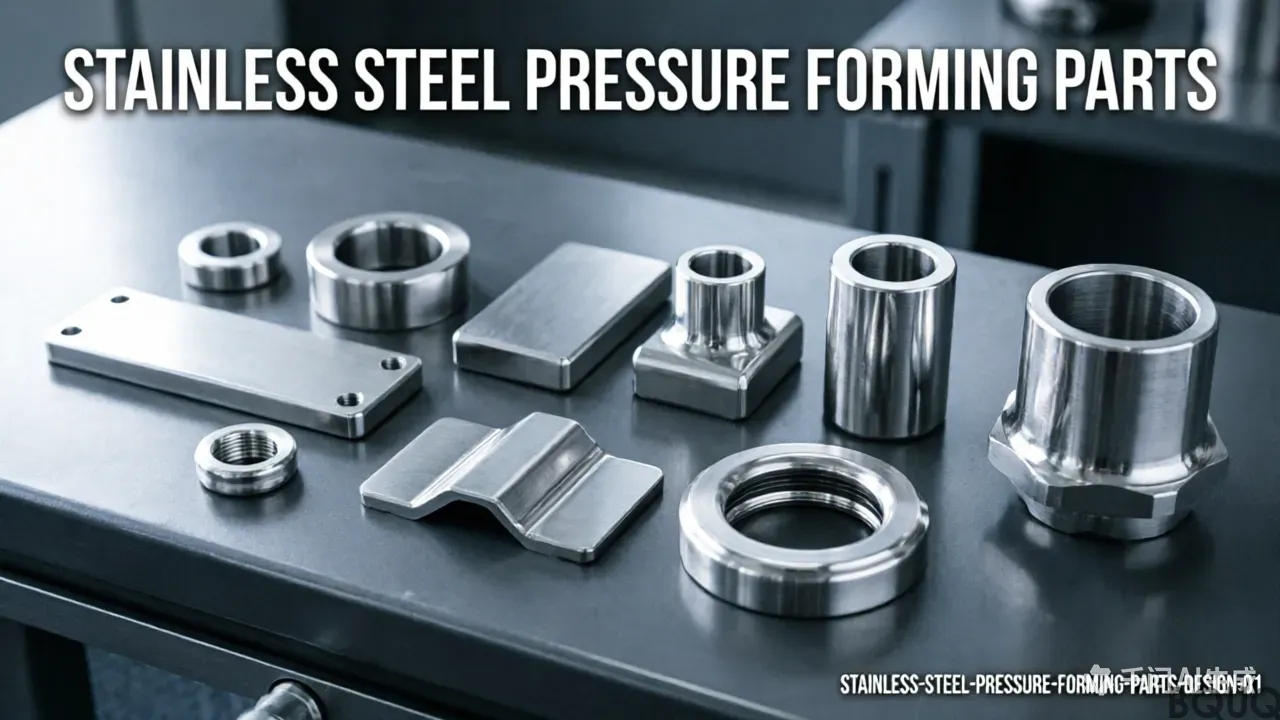
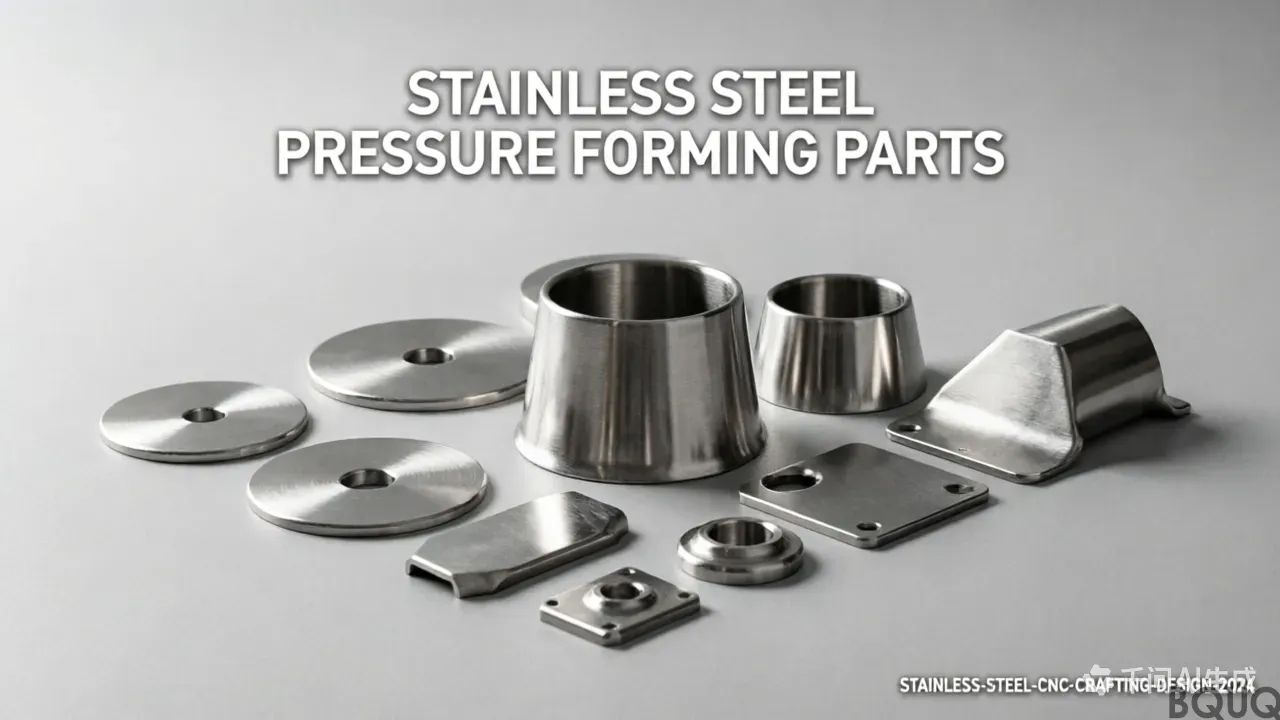
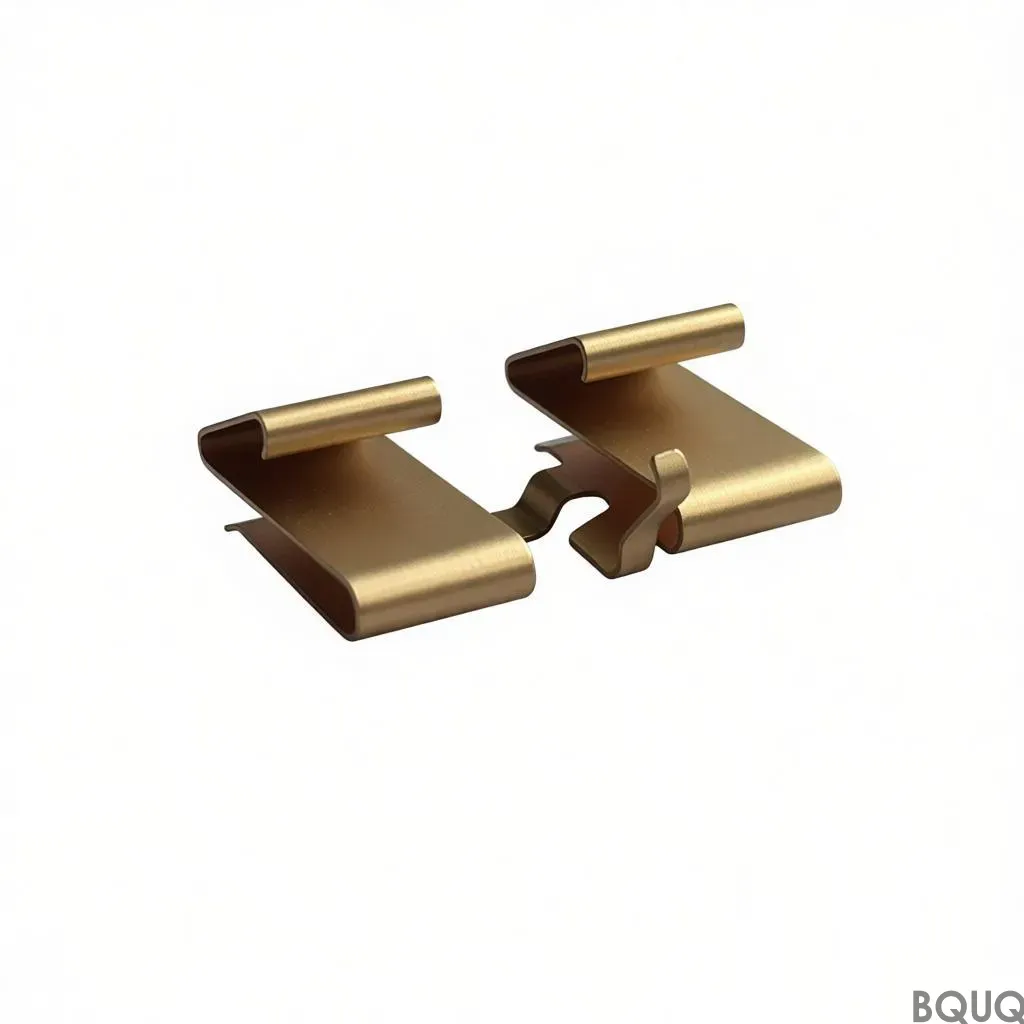
Stainless steel grades 304 and 316 are stamped for corrosion-resistant applications in medical devices and food processing equipment. These austenitic grades work-harden rapidly, requiring slower press speeds and more robust die coatings. The stamping cost for stainless steel is 40% to 60% higher than low-carbon steel due to increased tool wear and reduced press speed. Spring steel, such as SAE 1074 or 1095, is stamped for clips and springs, requiring precise heat treatment after forming to achieve hardness of 44 to 50 HRC.
Non-Ferrous Metals and Alloys
Aluminum alloys 5052 and 6061 are widely stamped for heat sinks, electronic enclosures, and automotive panels. Alloy 5052 offers excellent corrosion resistance and formability with a tensile strength of 195 MPa, while 6061 provides higher strength at 290 MPa but requires more careful bending to avoid cracking. Aluminum stamping requires dies with polished surfaces and specialized lubricants to prevent galling, increasing tooling costs by approximately 20% compared to steel.
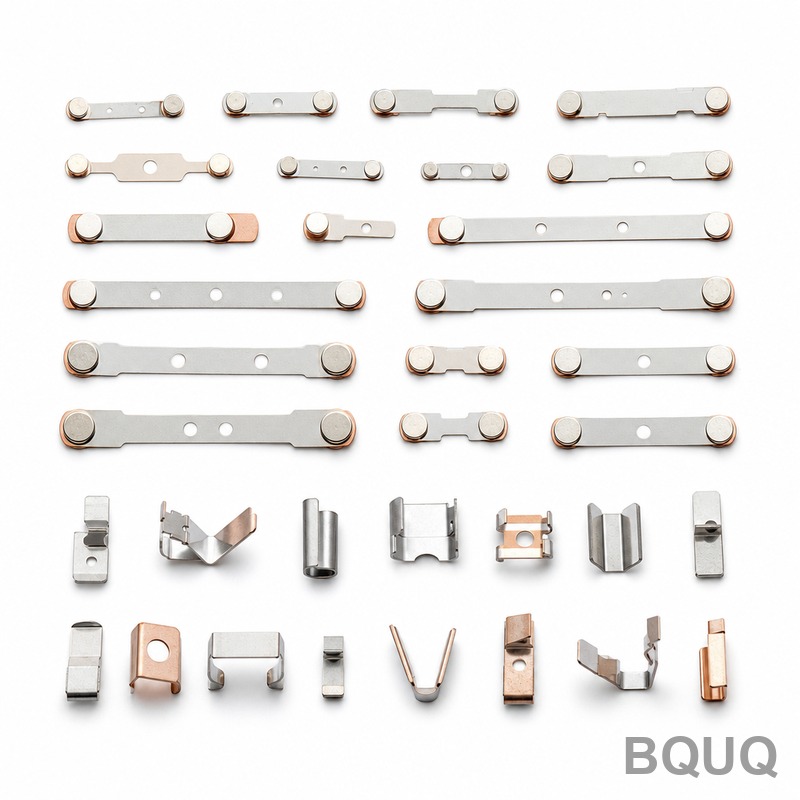
Copper and its alloys, including brass C26000 and phosphor bronze C51000, are stamped for electrical connectors, terminals, and spring contacts. Pure copper C11000 offers electrical conductivity of 101% IACS but has low strength, making it suitable only for non-spring applications. Beryllium copper C17200, though expensive at USD 25 to 40 per kilogram, is stamped for high-reliability spring contacts due to its strength of 1,100 MPa after heat treatment.
Titanium alloys, particularly Grade 2 and Grade 5 (Ti-6Al-4V), are stamped for aerospace and medical implants. These materials require slow stamping speeds of 20 to 30 strokes per minute and heated dies in some cases. The cost of titanium stamping is 5 to 10 times that of steel stamping, making it viable only for high-value, low-volume applications.
Advanced High-Strength Steels and Special Alloys
Advanced high-strength steels (AHSS), including dual-phase (DP) and martensitic grades, are increasingly stamped for automotive safety components. DP780 offers a tensile strength of 780 MPa with 18% elongation, enabling weight reduction of up to 25% compared to conventional steel. However, AHSS requires dies made from powder metallurgy tool steel or carbide to manage springback, which can exceed 5 degrees in complex bends.
Inconel 718 and other nickel-based superalloys are stamped for high-temperature applications in jet engines and gas turbines. These materials have tensile strengths exceeding 1,200 MPa and require press forces up to 300 tons for moderate part sizes. The die life for Inconel stamping is typically 50,000 strokes compared to 500,000 strokes for low-carbon steel, significantly increasing per-part tooling amortization.
Comparative Data Table for Stamped Materials
| Material Grade | Tensile Strength (MPa) | Elongation (%) | Typical Thickness (mm) | Relative Cost Factor | Max Operating Temp (°C) | Common Applications |
| Low-Carbon Steel SAE 1010 | 340 | 38 | 0.5 - 4.0 | 1.0 | 150 | Brackets, enclosures, frames |
| Stainless Steel 304 | 515 | 40 | 0.3 - 3.0 | 1.6 | 450 | Medical devices, food equipment |
| Aluminum 5052 | 195 | 12 | 0.4 - 3.0 | 1.3 | 200 | Heat sinks, electronics |
| Copper C11000 | 220 | 45 | 0.1 - 2.0 | 1.8 | 200 | Electrical terminals, busbars |
| Brass C26000 | 340 | 55 | 0.1 - 2.5 | 1.5 | 150 | Connectors, pins, sockets |
| Spring Steel SAE 1074 | 1,100 | 8 | 0.2 - 2.0 | 1.2 | 250 | Clips, springs, retainers |
| AHSS DP780 | 780 | 18 | 0.5 - 3.0 | 1.4 | 200 | Automotive crash components |
| Titanium Grade 5 | 1,100 | 10 | 0.3 - 2.0 | 8.0 | 400 | Aerospace brackets, implants |
Cost and Lead Time Considerations
Material cost typically represents 40% to 60% of the total stamped part price. For a typical low-carbon steel part weighing 50 grams, material cost is approximately USD 0.05 to 0.08 per part at current market prices. The same part in stainless steel 304 would cost USD 0.12 to 0.18, while aluminum 5052 would be USD 0.08 to 0.12. Tooling costs for a progressive die range from USD 3,000 for simple parts to USD 50,000 or more for complex, multi-station dies.
Lead times vary significantly by material availability. Standard steel coils are typically in stock with a lead time of 1 to 2 weeks for procurement. Aluminum and copper are also readily available, with lead times of 2 to 3 weeks. Specialty materials like Inconel or titanium may require 6 to 10 weeks for material procurement, which must be factored into the overall project timeline. Once material is available, prototype stamping can be completed in 2 to 3 weeks, with production parts shipped within 4 to 6 weeks for most standard materials.
Practical Recommendations for Material Selection
For new projects, start with low-carbon steel if the application does not require corrosion resistance or electrical conductivity. This minimizes both material and tooling costs while maximizing die life. If weight reduction is critical, evaluate aluminum 5052 before moving to more expensive alloys. For electrical applications, copper or brass is necessary, but consider using selectively plated steel to reduce cost if full conductivity is not required.
Always request a material certificate from your stamping supplier to verify composition and mechanical properties. For high-volume production, ask about coil-fed stamping versus sheet-fed stamping, as coil-fed reduces material waste by 15% to 20%. For parts with tight tolerances below plus or minus 0.05 mm, specify the material thickness tolerance and flatness requirements clearly in the drawing, as these directly affect dimensional consistency.
If your design involves deep drawing of more than 50% of the blank diameter, select a material with elongation above 30% and consult with the stamping engineer about the number of draw stages required. For AHSS or high-strength materials, plan for additional springback compensation in the die design and consider using simulation software to predict final geometry before committing to hard tooling.
FAQ-Style Tips for Engineers
What is the maximum thickness that can be metal stamped? Most stamping presses handle sheet metal up to 6.0 mm thick, but the practical limit depends on press tonnage and part size. For example, stamping a 100 mm diameter part from 6.0 mm steel requires approximately 150 tons of force.
Can pre-painted or coated materials be stamped? Yes, pre-painted steel and aluminum can be stamped, but the coating must withstand the forming process without cracking. This requires using dies with larger bend radii, typically 2 to 3 times the material thickness, and special lubricants that do not damage the coating.
What is the minimum hole size for stamping? The minimum hole diameter is generally equal to the material thickness for most steels. For thinner materials below 1.0 mm, holes as small as 0.3 mm can be stamped with carbide punches, but tool life will be reduced.
How does material thickness affect stamping tolerances? Stamping tolerances scale with material thickness. For materials under 1.0 mm thick, standard tolerances are plus or minus 0.05 mm. For thicknesses between 1.0 mm and 3.0 mm, tolerances are plus or minus 0.10 mm. Above 3.0 mm, expect tolerances of plus or minus 0.15 mm or greater.
Conclusion
Metal stamping supports a wide spectrum of materials, from economical low-carbon steel to high-performance titanium and nickel superalloys. The optimal choice depends on balancing mechanical requirements, corrosion resistance, electrical conductivity, and budget constraints. By understanding the tensile strength, elongation, and cost data presented in this guide, engineers can confidently specify the right material for their stamped components and avoid costly redesigns. BQUQ has manufactured stamped parts in over 30 different materials across 20 years of operation, providing practical experience in material selection, die design, and process optimization.
For a detailed material recommendation or a stamped part feasibility review, contact BQUQ for a 12-hour quotation. Send your drawings and specifications to sc@bquq.com or reach us on WhatsApp at +86 13713157787. Visit www.bquq.com to learn more about our CNC machining, metal stamping, and heat sink manufacturing capabilities.