What Materials Can Be Metal Stamped? Full List of Stampable Alloys
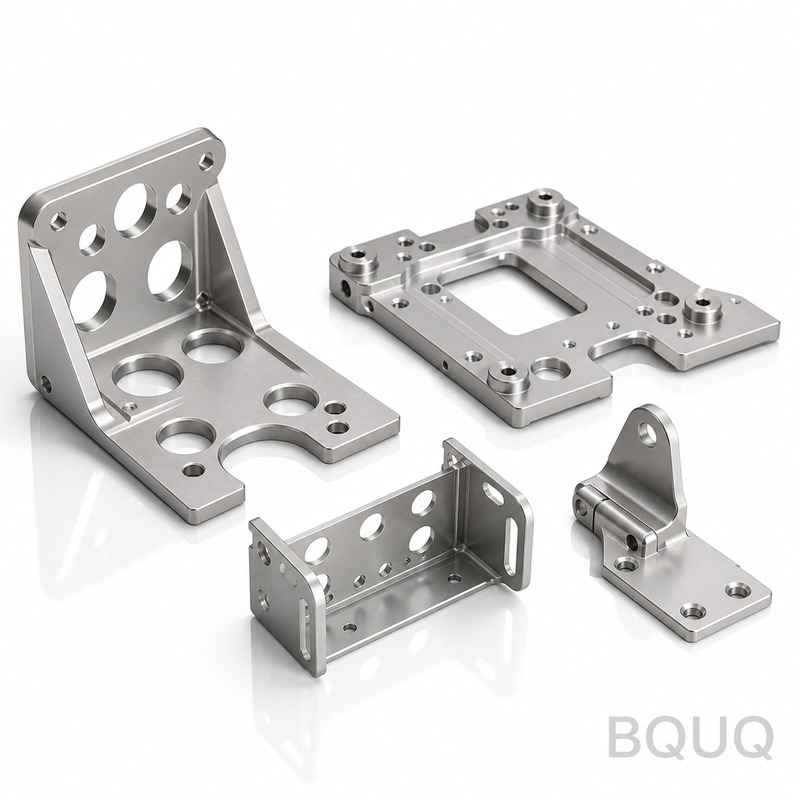
Metal stamping can process over 40 distinct alloy families, but the practical list of stampable materials is defined by three mechanical properties: elongation (typically 10-45%), tensile strength (up to 1,200 MPa for high-strength steels), and hardness (Rockwell B 60-95 for forming grades). The most commonly stamped materials at BQUQ are low-carbon steels (DC01, SPCC, 1008-1010), stainless steels (304, 316, 430), aluminum (5052, 6061, 1100), brass (C26000, C26800), and copper (C11000), with thickness ranges from 0.05 mm to 6.0 mm. For precision applications, beryllium copper and phosphor bronze are also stamped daily in our Dongguan facility for connector and spring components.
What Are the Primary Steel Grades Suitable for Metal Stamping?
Low-carbon steel is the workhorse of metal stamping, representing roughly 60% of all stamped parts globally. The most stampable grades are DC01 (EN 10130), SPCC (JIS G3141), and AISI 1008/1010, which offer elongation values of 28-38% and yield strengths of 140-280 MPa. These materials are ideal for deep drawing, bending, and blanking because their low carbon content (0.05-0.10%) prevents work hardening during multi-stage progressive die operations.
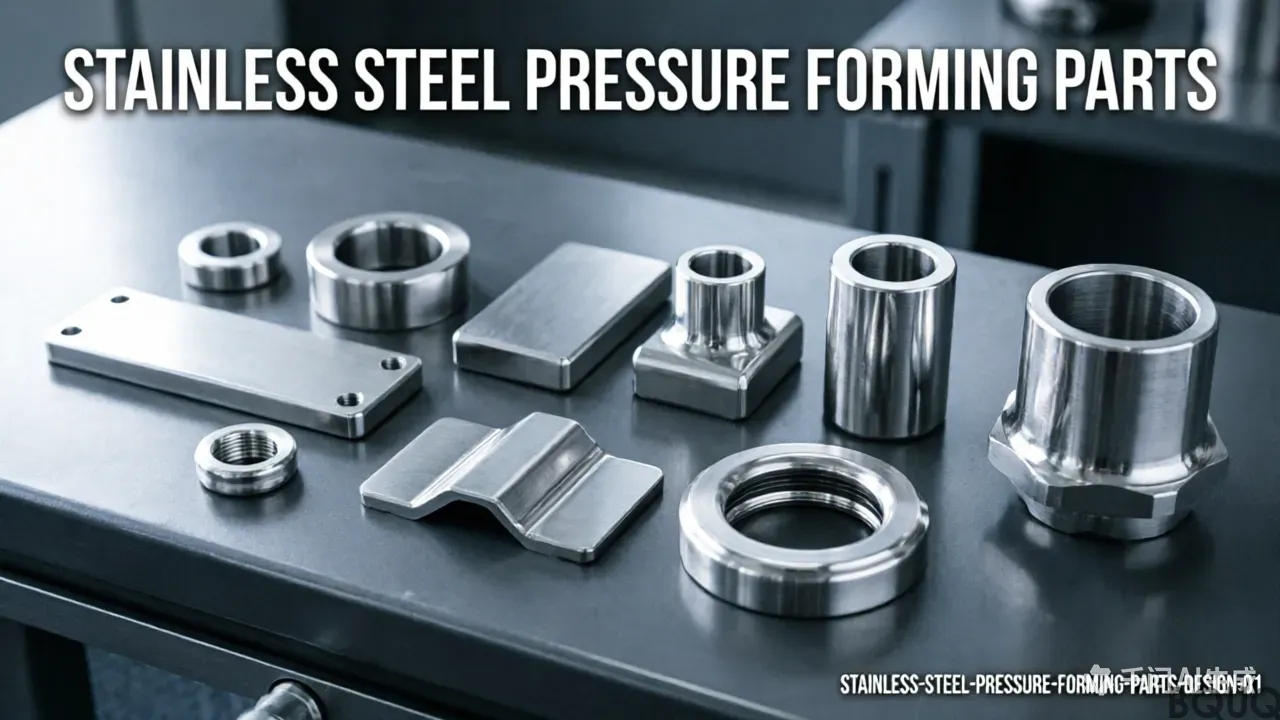
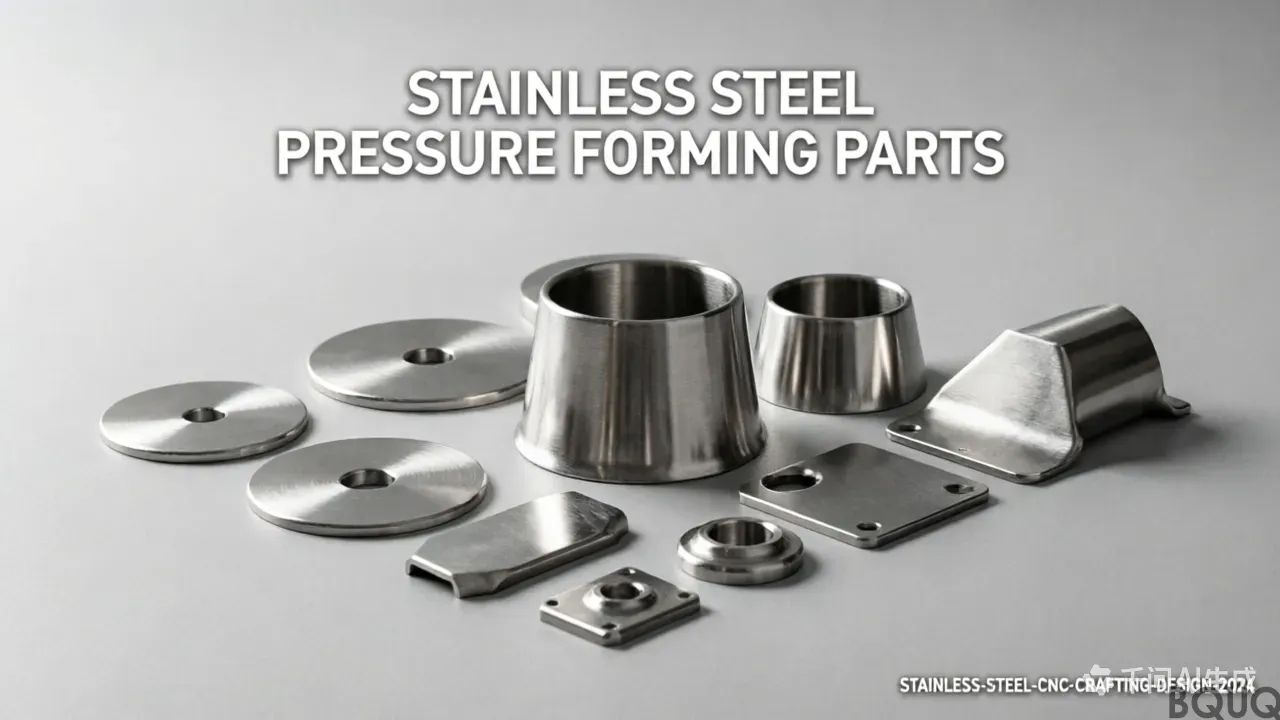
For structural applications requiring higher strength, high-strength low-alloy (HSLA) steels such as S355MC or AISI 50XF can be stamped, but they require heavier press tonnage and more robust tooling. Stainless steel grades 304 and 316 are stampable but exhibit 20-30% lower formability than low-carbon steel, with elongation around 40-50% in annealed condition. Grade 430 (ferritic) is easier to stamp than austenitic grades due to lower work hardening, making it a cost-effective choice for kitchenware and appliance panels. For spring applications, 301 stainless steel in full-hard condition (yield strength 965 MPa) is stampable but requires carbide tooling and careful springback compensation.
How Does Aluminum Alloy Selection Affect Stamping Performance?
Aluminum alloys are stampable but demand different process parameters than steel due to their lower density (2.7 g/cm³) and higher thermal conductivity. The most stampable aluminum alloys are 5052-H32, 6061-T6, and 1100-O. Alloy 5052 offers elongation of 12-18% and is the preferred choice for deep-drawn enclosures and automotive heat shields because it resists stress corrosion cracking. Alloy 1100-O is the softest (hardness 23 HB) and most formable, achieving elongation up to 35%, but it lacks strength for structural parts.
The critical limitation with aluminum is its tendency to gall and adhere to tool steel surfaces, so we recommend D2 or A2 tool steel with titanium nitride (TiN) coating for dies. For 6061-T6, stamping should be done in the T4 temper (solution heat-treated) followed by artificial aging to T6 after forming, because T6 temper has only 10% elongation and will crack in tight radii. Aluminum thickness for stamping typically ranges from 0.3 mm to 4.0 mm, with tolerances of plus/minus 0.05 mm for blanked dimensions and plus/minus 0.1 mm for formed features. In our experience, aluminum 5052-H32 stamped parts achieve dimensional repeatability of 0.02 mm over a 100,000-part run.
Which Copper and Brass Alloys Are Best for Electrical Contacts and Connectors?
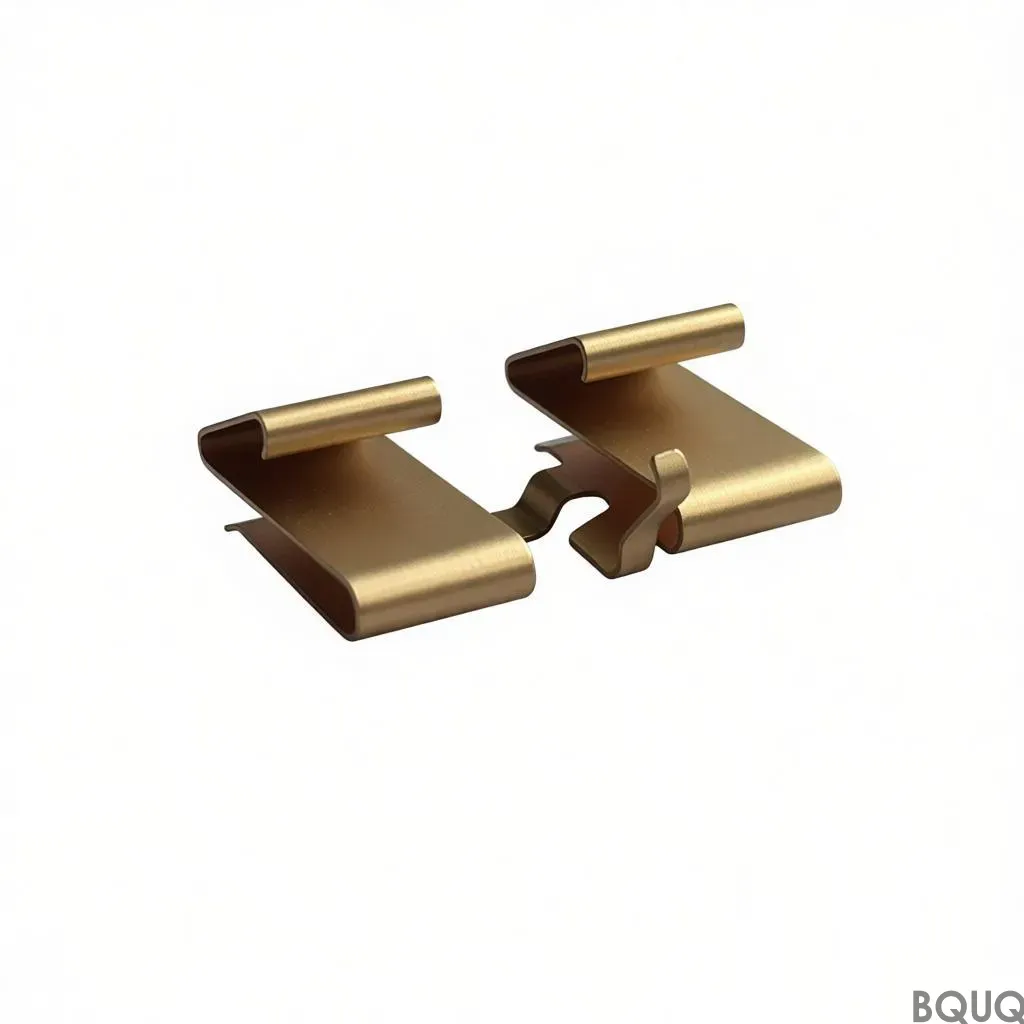
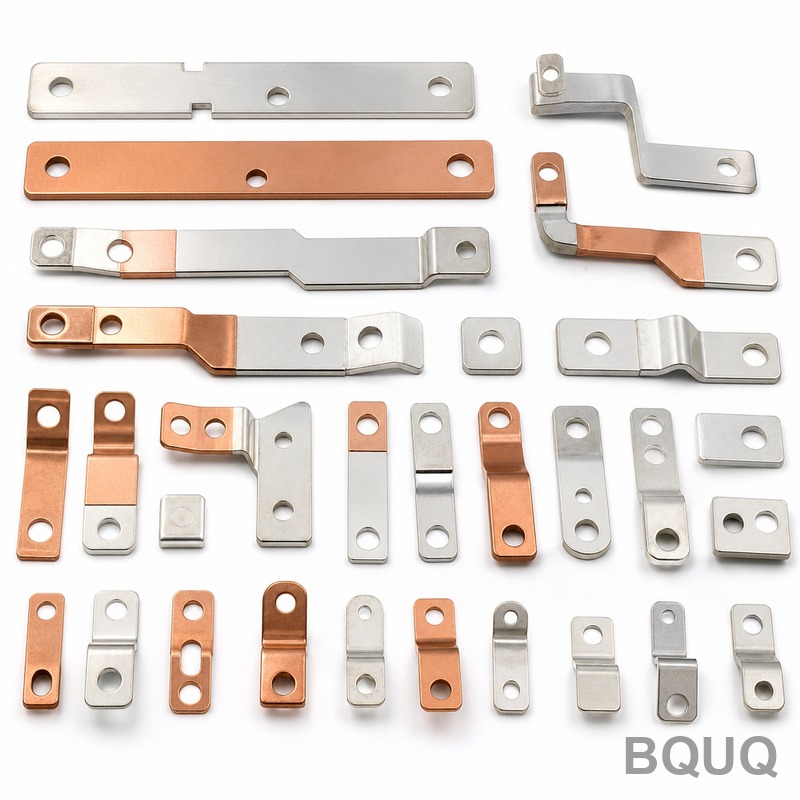
Copper and its alloys are stamped extensively for electrical applications because of their conductivity and corrosion resistance. C11000 (electrolytic tough pitch copper) has 101% IACS conductivity and is used for bus bars and heavy-gauge connectors, but it is soft (hardness 40-60 HB) and requires careful handling to avoid scratches. For spring contacts, beryllium copper C17200 (hardness 36-44 HRC, conductivity 22% IACS) is the premium choice, with a fatigue life exceeding 10 million cycles, though it costs 8-12 times more than brass.
Brass alloys C26000 (cartridge brass, 70% copper, 30% zinc) and C26800 (yellow brass) are the most stampable copper alloys, with elongation of 45-50% in annealed condition and excellent deep-drawing characteristics. These materials are used for terminals, fuse clips, and RF shielding components. Phosphor bronze C51000 (5% tin) offers a good balance of strength (yield 310-450 MPa) and conductivity (15% IACS), making it standard for relay springs and switch contacts. For high-temperature applications, copper-nickel alloys such as C70600 (90/10 cupronickel) can be stamped but require annealing between progressive stages due to rapid work hardening.
What Are the Exotic and High-Performance Alloys That Can Be Stamped?
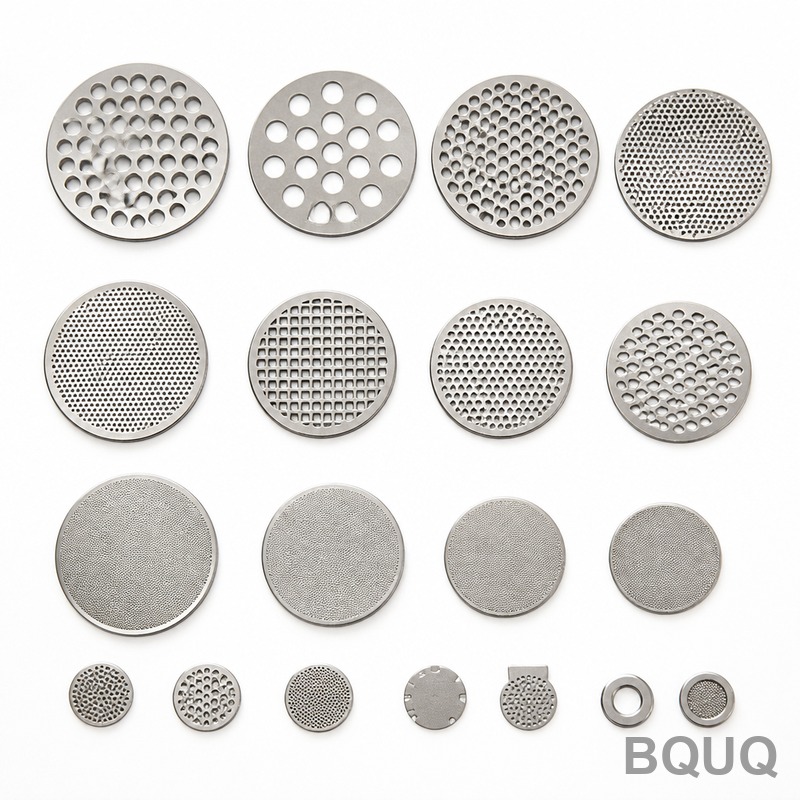
Beyond standard materials, BQUQ stamps several high-performance alloys for automotive and aerospace clients. Titanium grades 2 and 5 (Ti-6Al-4V) are stampable in thicknesses up to 2.0 mm, but they require hot stamping at 600-800°C for complex shapes because room-temperature elongation is only 14% for grade 2. Inconel 625 and 718 can be cold-stamped only in thin gauges (0.1-0.5 mm) with limited deformation; deeper draws require hot forming at 980°C. These nickel superalloys cost 20-40 USD per kilogram, so material utilization is critical.
Other stampable exotic materials include molybdenum (for semiconductor heat sinks), tantalum (for chemical processing), and 42-alloy (nickel-iron) used for glass-to-metal seals in electronic packages. Kovar (ASTM F15) with a coefficient of thermal expansion of 5.3 x 10⁻⁶/°C is stamped for hermetic connector housings. Nitinol (nickel-titanium shape memory alloy) can be stamped for medical stents and actuators, but requires laser cutting for final geometry due to its extreme springback. For each exotic material, we run a material-specific simulation (AutoForm or PAM-STAMP) to predict springback and die compensation before committing to tooling.
How Does Material Thickness and Hardness Impact Die Design and Tolerances?
Material thickness directly determines die clearance, which should be 5-8% of material thickness per side for steels, 3-5% for aluminum, and 8-10% for brass. For a 1.0 mm thick steel sheet, the die clearance is 0.05-0.08 mm per side; incorrect clearance causes burrs above 10% of thickness. Hardness affects tonnage: stamping 1.0 mm thick 304 stainless (hardness 200 HB) requires approximately 1.5 times the press force of 1.0 mm DC01 steel (hardness 95 HB). Our 250-ton mechanical presses handle most materials up to 6.0 mm thick, while 400-ton hydraulic presses are reserved for thick high-strength steel and hot stamping operations.
Tolerances vary by material: stamped steel parts achieve plus/minus 0.05 mm for blanking and plus/minus 0.2 mm for formed dimensions, while aluminum achieves plus/minus 0.03 mm for blanking due to lower springback. Copper alloys with high elongation (brass) hold tighter tolerances, plus/minus 0.02 mm, because of predictable flow. For critical dimensions, we perform statistical process control (SPC) with Cpk values above 1.33, which means fewer than 64 parts per million fall outside specification.
When Should You Choose Progressive Die Versus Deep Drawing for a Given Material?
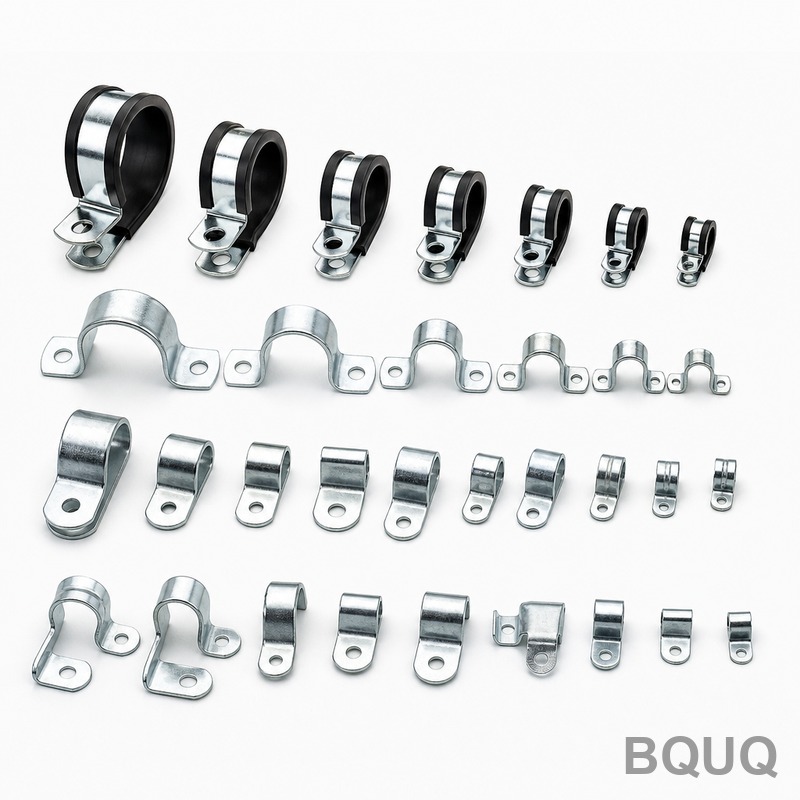
Progressive die stamping is optimal for flat parts or parts with moderate forming, such as brackets, terminals, and heat sink fins, for any material with elongation above 15%. Production speeds range from 50 to 800 strokes per minute, and tooling costs for progressive dies typically range from 8,000 to 50,000 USD depending on station count and material hardness. Deep drawing is required when the part depth exceeds 1.5 times the diameter or width, such as battery housings, cups, and enclosures. Drawing ratios (blank diameter to punch diameter) should not exceed 1.8 for steel, 1.6 for aluminum, and 2.0 for brass in a single operation.
For deep drawing aluminum 5052, we use a draw radius of 4-6 times material thickness and apply 15-20% blank holder force relative to drawing force to prevent wrinkling. For stainless steel 304 deep drawing, the draw ratio limit drops to 1.5, and we use a double-action press with cushion pressure of 30-40 tons. Material cost influences this decision: if the material is expensive (titanium, Inconel), we recommend deep drawing to minimize scrap, as progressive dies can waste 30-40% of material in the carrier strip.
How Much Does Tooling Cost for Different Material Types?
Tooling cost varies significantly based on material hardness and required precision. For low-carbon steel, a basic progressive die with 5 stations costs 8,000-15,000 USD and lasts 1-5 million strokes before regrinding. For stainless steel, tooling costs 20-40% more due to the need for carbide inserts or powder metallurgy steel (e.g., V4E, ASP23) to resist adhesive wear. Aluminum tooling is cheapest at 6,000-12,000 USD because D2 steel is sufficient, but aluminum's abrasive nature means die life is 30% shorter than for steel.
The table below summarizes typical tooling costs and die life for common stamped materials at BQUQ:
| Material Grade | Tooling Cost (Progressive Die) | Die Life (Strokes) | Typical Tolerance (mm) | Press Tonnage Required | Stamping Speed (SPM) |
| Low-Carbon Steel DC01 | 8,000-15,000 USD | 1,000,000-5,000,000 | plus/minus 0.05 | 50-250 tons | 100-600 |
| Stainless Steel 304 | 10,000-20,000 USD | 500,000-2,000,000 | plus/minus 0.08 | 80-300 tons | 60-400 |
| Aluminum 5052 | 6,000-12,000 USD | 300,000-1,500,000 | plus/minus 0.03 | 40-200 tons | 100-800 |
| Brass C26000 | 7,000-13,000 USD | 800,000-3,000,000 | plus/minus 0.02 | 50-250 tons | 100-500 |
| Beryllium Copper C17200 | 12,000-25,000 USD | 200,000-800,000 | plus/minus 0.02 | 60-200 tons | 50-300 |
| Titanium Grade 2 (Hot Stamping) | 25,000-40,000 USD | 100,000-300,000 | plus/minus 0.15 | 200-400 tons | 10-30 |
| Inconel 718 (Thin Gauge) | 30,000-50,000 USD | 50,000-150,000 | plus/minus 0.10 | 150-400 tons | 20-60 |
What Finishing and Secondary Operations Are Compatible with Stamped Materials?
All stamped metals can undergo secondary operations, but material-specific constraints apply. Steel parts can be zinc-plated (cost 0.05-0.15 USD per kilogram), powder coated (0.10-0.30 USD per square meter), or passivated; do not use acid pickling on 400-series stainless because it causes hydrogen embrittlement. Aluminum stamped parts require chromate conversion coating (MIL-DTL-5541) or anodizing (Type II, 5-25 microns) to improve corrosion resistance; note that anodizing adds 0.02-0.05 mm to dimensions, so adjust tooling accordingly.
Copper and brass parts should be bright-dipped or nickel-plated to prevent tarnishing; avoid electroplating on beryllium copper above 150°C because it over-ages the material. For titanium and Inconel, use glass bead blasting or passivation (nitric acid) but avoid chloride-based cleaners. Heat treatment after stamping is common for 301 stainless (temper rolling) and beryllium copper (age hardening at 315°C for 2 hours) to achieve full strength. At BQUQ, we recommend laser marking (fiber laser, 20W) for traceability on all materials except polished copper, which reflects the beam and requires chemical etching instead.
FAQ
What is the maximum thickness that can be metal stamped?
The maximum thickness for conventional cold stamping is 6.0 mm for low-carbon steel, 4.0 mm for aluminum, and 2.0 mm for stainless steel and titanium. Above these thicknesses, hot stamping or alternative processes like plate forming are more economical. At BQUQ, our 400-ton press can handle 6.0 mm steel, but we advise customers that die life drops by 50% when exceeding 4.0 mm.
Can magnesium alloys be metal stamped?
Magnesium AZ31B can be stamped only at elevated temperatures of 250-350°C because it has a hexagonal crystal structure with less than 15% elongation at room temperature. Hot stamping magnesium requires heated dies and slow press speeds of 10-20 SPM. We do not recommend cold stamping magnesium due to cracking risk.
What is the minimum bend radius for stamped materials?
The minimum bend radius is typically 0.5 to 1.0 times material thickness for low-carbon steel, 1.0 to 1.5 times for aluminum 5052, and 2.0 times for stainless steel 304. For high-strength alloys like Inconel, the minimum bend radius is 3 to 4 times material thickness. Bending below these values causes outer fiber cracking.
Which material is cheapest for high-volume stamped parts?
Low-carbon steel (DC01 or SPCC) is the cheapest at 0.60-0.80 USD per kilogram, making it the default choice for high-volume parts. Aluminum 5052 costs 2.5-3.5 USD per kilogram, and stainless steel 304 costs 2.8-4.0 USD per kilogram. For volumes above 100,000 parts, choose steel unless conductivity or corrosion resistance is required.
Can stamped parts be made from pre-coated or plated materials?
Yes, pre-coated materials such as galvannealed steel, tin-plated steel, and coil-coated aluminum can be stamped without damaging the coating if the die clearance is increased by 10-15%. However, coatings reduce formability by 5-10%, so deep drawing may crack the coating. For electrical contacts, we recommend stamping bare copper then selective plating to avoid coating wear in the die.
How do you control springback in stamped high-strength alloys?
Springback compensation requires over-bending by 2-8 degrees for steel, 10-15 degrees for aluminum, and 15-25 degrees for titanium and stainless steel. We use finite element analysis to predict springback and then modify the die geometry iteratively. For 301 stainless full-hard, we also apply coining (compressing the bend area) to reduce springback by 50%.
What is the typical lead time for metal stamping tooling?
Standard progressive die tooling for steel parts takes 3-5 weeks, while aluminum and brass tooling takes 2-4 weeks. Complex dies for stainless steel or exotic alloys with carbide inserts take 6-8 weeks. At BQUQ, we offer a 48-hour design review and can produce soft tooling (3D-printed or machined aluminum) for prototype parts in 5-7 days.
Conclusion and Recommendation
The selection of stampable materials should be driven by three factors: formability (elongation above 15% for cold stamping), required mechanical properties (yield strength, hardness, conductivity), and total cost including tooling and secondary operations. For most commercial applications, start with DC01 steel, 5052 aluminum, or C26000 brass as baseline materials, and only move to stainless steel, beryllium copper, or titanium when engineering requirements demand it. Always request a material-specific simulation and trial stamping before committing to production tooling, especially for thicknesses above 3.0 mm or alloys with elongation below 20%.
At BQUQ, we have stamped over 200 different alloys in the past 20 years, and we maintain an in-house material database with actual die life and tolerance data for each grade. For your next project, send us your part drawing and target volume, and our engineers will recommend the optimal stampable material with cost breakdown within 12 hours. Contact us at sc@bquq.com or WhatsApp +86 13713157787, or visit www.bquq.com to download our material selection guide.