Progressive Die Stamping vs Deep Draw Stamping: Key Differences Explained
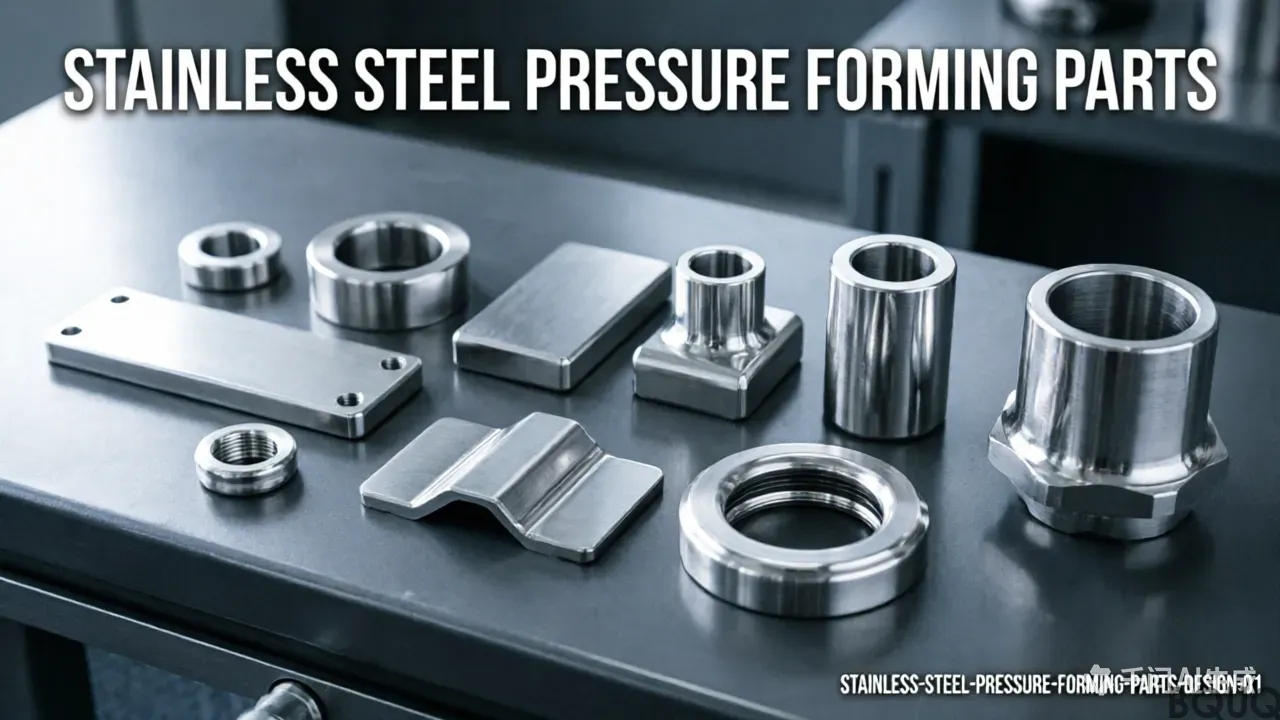
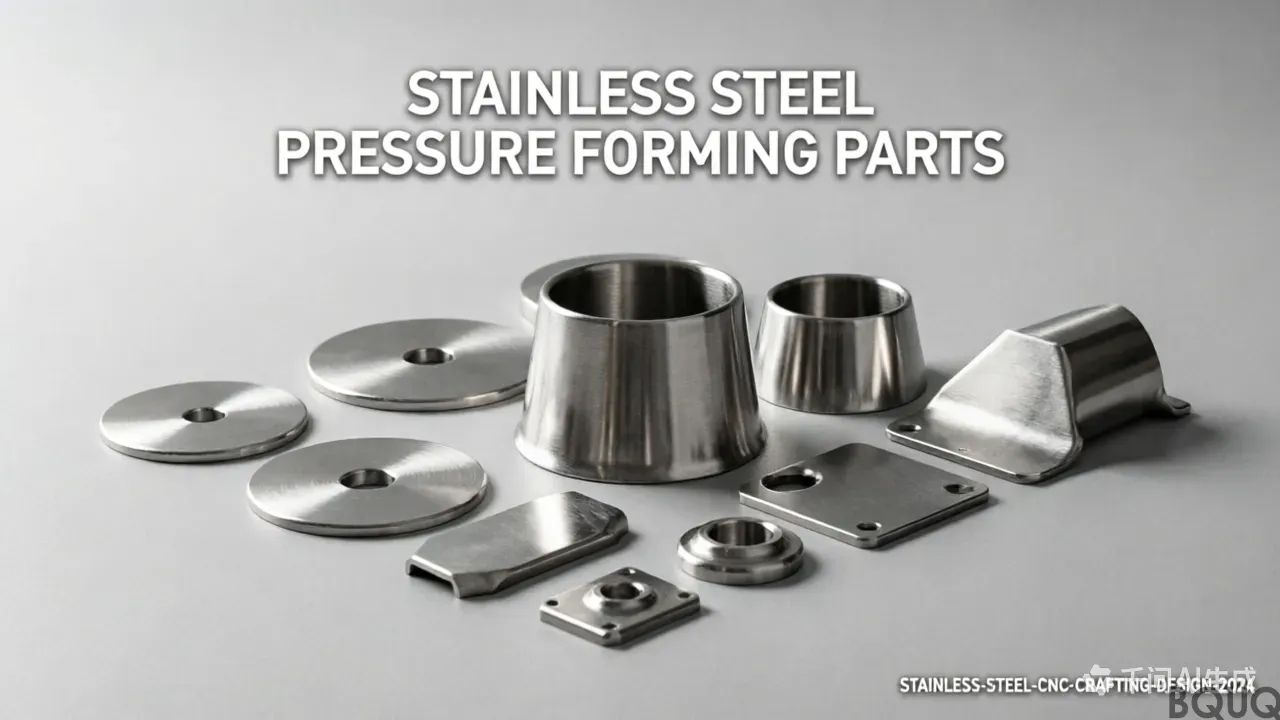
Progressive die stamping and deep draw stamping are two distinct metal forming processes that serve different production needs, yet both are essential to modern manufacturing. The core difference lies in geometry: progressive die stamping creates flat or moderately formed parts through a sequence of cutting and bending stations, while deep draw stamping transforms flat sheet metal into hollow, cup-shaped or box-like 3D forms through controlled tensile compression. For engineers selecting a process, the decision hinges on part depth, material drawability, production volume, and tooling investment, which we quantify below.
Process Mechanics and Material Flow
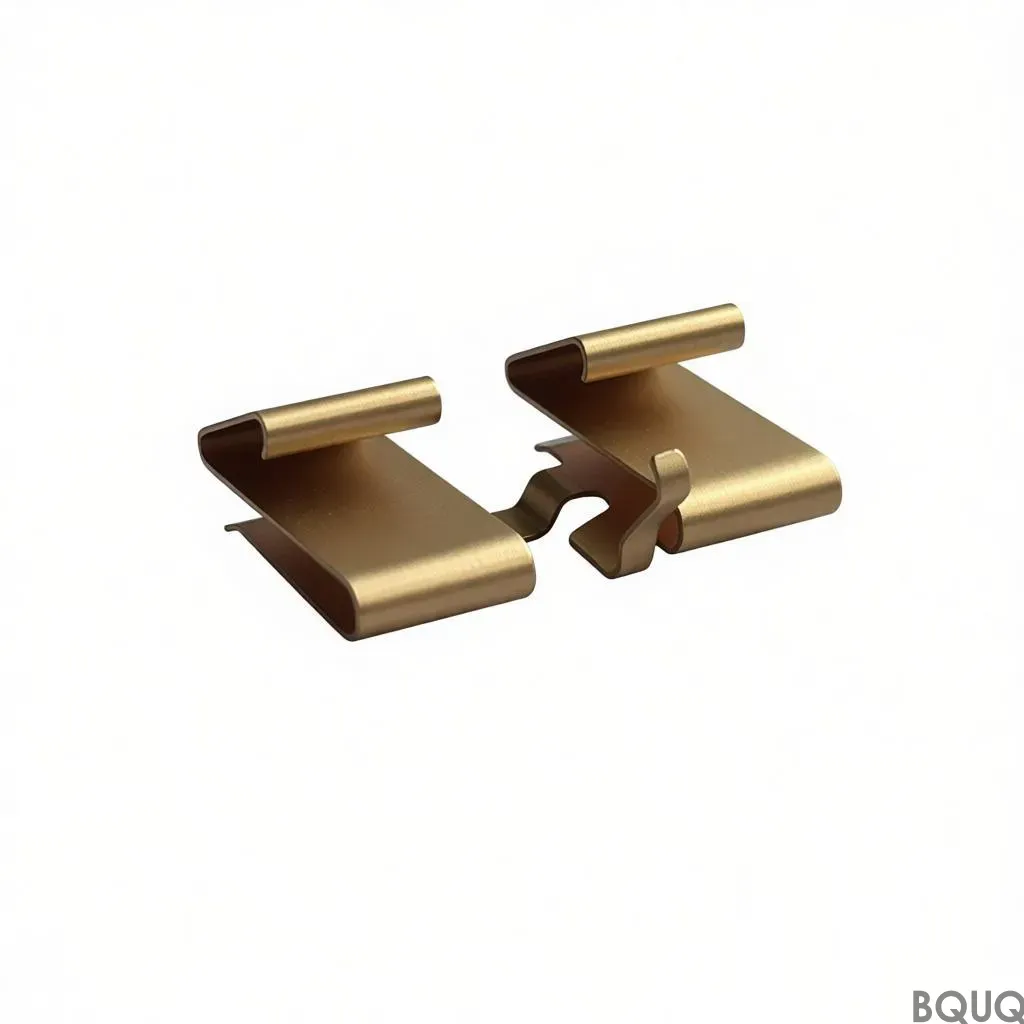
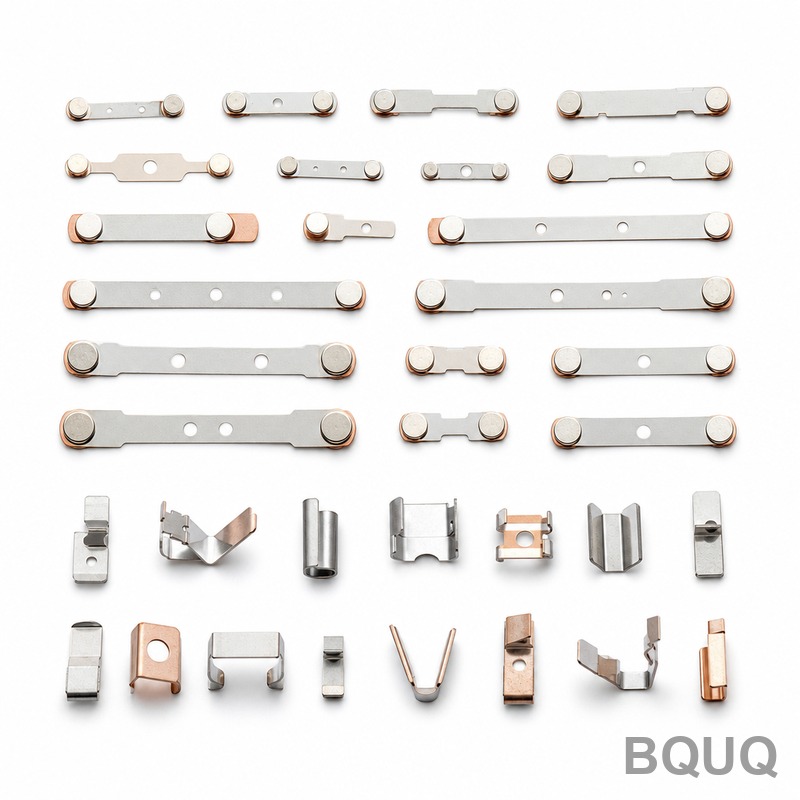
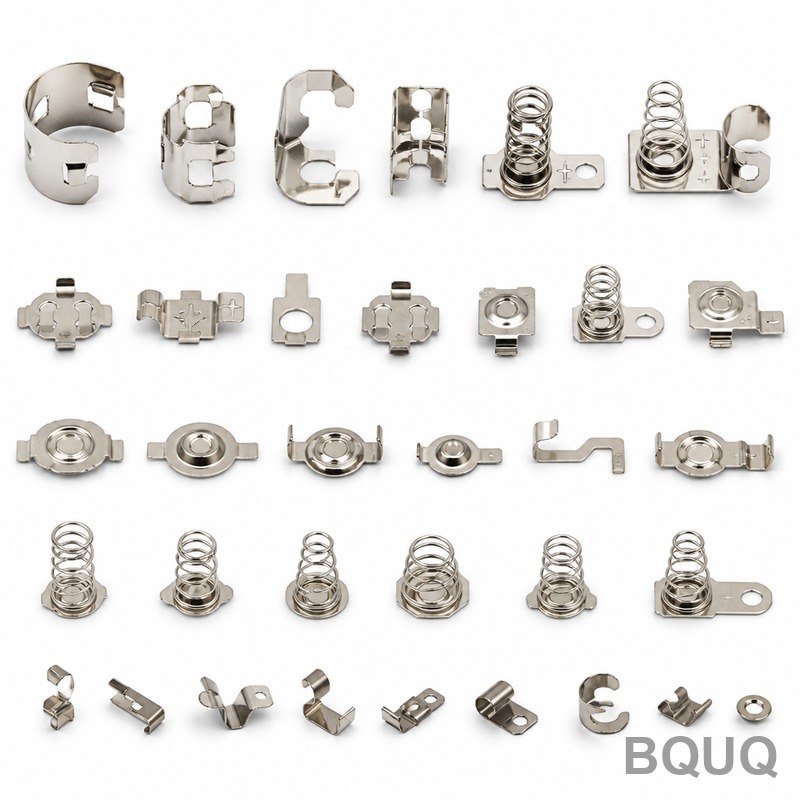
Progressive die stamping operates on a continuous strip of metal fed through a single press with multiple stations. Each station performs a specific operation—piercing, notching, bending, coining, or blanking—until the finished part is detached at the final stage. Material thickness typically ranges from 0.1 mm to 6.0 mm, with tolerances of ±0.05 mm achievable on precision features. The material remains largely in the same plane, with bends limited to angles less than 90 degrees in most cases.
Deep draw stamping, by contrast, uses a punch to force a flat blank into a die cavity, causing the material to flow plastically along the die radius. The draw ratio—blank diameter divided by punch diameter—must remain below 2.0 for a single draw without intermediate annealing. Wall thickness reduction of 10 to 15 percent is common in the sidewalls. For cylindrical parts, depth can reach up to 5 times the diameter in a single draw using aluminum alloys, while stainless steel typically limits depth to 3 times the diameter per stroke.
Tooling Cost and Production Volume Comparison
Tooling for progressive dies is modular and complex, often containing 8 to 20 stations. A typical progressive die for a small bracket costs CNY 80,000 to 250,000 (USD 11,000 to 35,000), with lead time of 6 to 10 weeks. Deep draw tooling is simpler in concept—punch, die, blank holder—but requires precise radius control and often multiple draw stages. A single deep draw die costs CNY 50,000 to 120,000 (USD 7,000 to 17,000), but a multi-stage draw for a deep housing may require 3 to 5 dies, bringing total tooling to CNY 150,000 to 400,000 (USD 21,000 to 56,000).
| Process | Typical Part Depth | Material Thickness | Tolerance | Tooling Cost (CNY) | Lead Time (Weeks) | Min. Quantity |
| Progressive Die | 0–30 mm | 0.1–6.0 mm | ±0.05 mm | 80,000–250,000 | 6–10 | 50,000 pcs |
| Deep Draw | 10–200 mm | 0.2–3.0 mm | ±0.10 mm | 150,000–400,000 | 8–14 | 20,000 pcs |
| Progressive + Draw Hybrid | 5–80 mm | 0.2–2.5 mm | ±0.08 mm | 200,000–500,000 | 10–16 | 30,000 pcs |
Material Suitability and Yield Strength Limits
Progressive die stamping works best with high-strength materials that resist tearing during shearing, such as SPCC cold-rolled steel (yield strength 280 MPa), 5052 aluminum (yield 193 MPa), and 304 stainless steel (yield 215 MPa). The process does not require high elongation, so materials with less than 20 percent elongation are acceptable. Bending radii must be at least 0.5 times material thickness to prevent cracking.
Deep draw stamping demands high elongation and low yield-to-tensile ratio. Suitable materials include DC04 steel (elongation 38 percent), 3003-O aluminum (elongation 30 percent), and 316L stainless steel (elongation 40 percent). The blank holder force must be precisely controlled—typically 20 to 30 percent of the drawing force—to prevent wrinkling. For a 100 mm diameter cup in 1.0 mm DC04 steel, the drawing force is approximately 250 kN, requiring a press capacity of at least 400 kN to account for friction and safety factors.
Tolerances and Surface Finish Differences
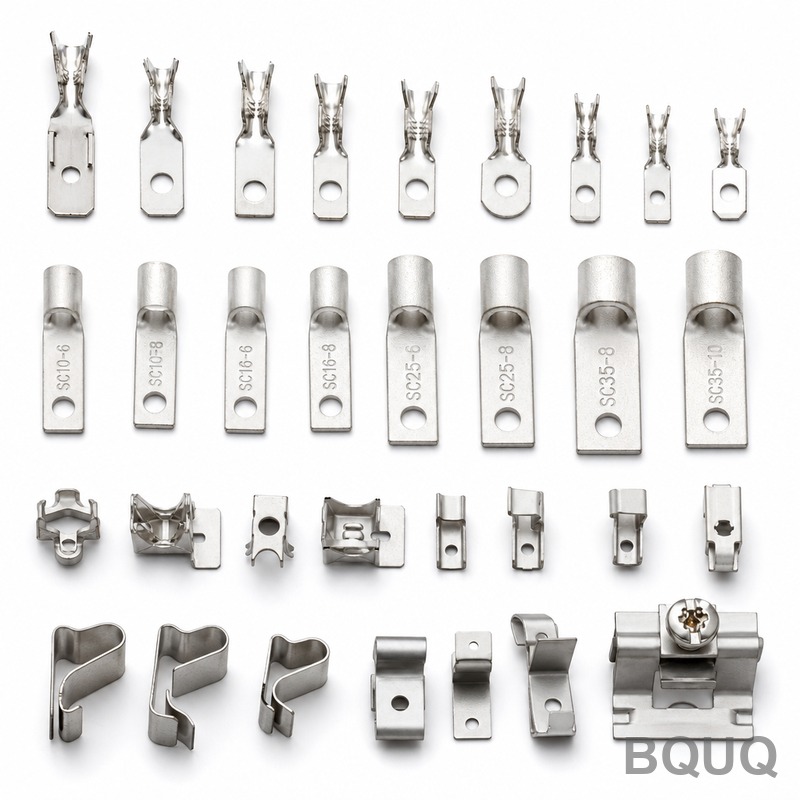
Progressive die stamping achieves tighter tolerances on flat features and hole positions because each station registers against pilot holes. Hole diameter tolerance is ±0.03 mm, and edge-to-hole spacing can be held to ±0.05 mm. Surface finish on sheared edges is typically Ra 1.6 to 3.2 μm, while bent surfaces retain the original mill finish.
Deep draw stamping has looser dimensional tolerances due to springback and thickness variation. Diameter tolerance on drawn cups is ±0.10 mm for diameters under 50 mm, increasing to ±0.20 mm for larger parts. Wall thickness varies by 5 to 10 percent from bottom to rim. However, the drawn surface finish is often superior—Ra 0.8 to 1.6 μm on the outer wall—because the material is burnished by the die surface during flow. This eliminates secondary polishing steps for cosmetic parts.
Cycle Time and Production Efficiency
Progressive die stamping achieves cycle rates of 200 to 800 strokes per minute using high-speed presses, yielding 12,000 to 48,000 parts per hour for small components. The continuous strip feed eliminates handling between operations, making it the fastest process for high-volume flat parts. Secondary operations such as tapping or assembly are done offline.
Deep draw stamping runs at 10 to 40 strokes per minute due to the longer press stroke and slower punch speed required to control material flow. A typical cylindrical battery housing (diameter 18 mm, height 65 mm) is produced at 25 strokes per minute, yielding 1,500 parts per hour. Multi-stage draws require transfer presses or progressive draw dies, which reduce speed further. However, deep draw produces a net-shape hollow part that would otherwise require welding or assembly, saving 3 to 5 downstream operations.
Practical Recommendations for Process Selection
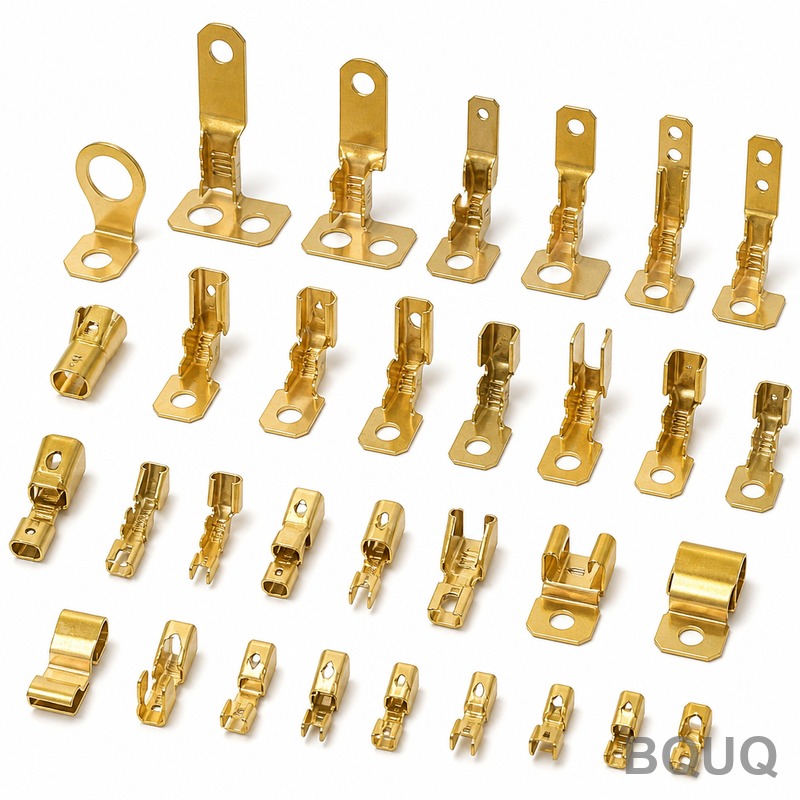
Choose progressive die stamping when your part has flat geometry, holes, bends, or slots, and your annual demand exceeds 500,000 pieces. The tooling amortizes quickly because per-part cost drops to CNY 0.05 to 0.30 for small brackets. Avoid progressive dies if your part has depth greater than 30 mm or requires significant material stretching, as the die will fail prematurely.
Choose deep draw stamping for cups, enclosures, housings, and components with depth-to-diameter ratio above 0.5. This process is ideal for battery cans, sensor housings, and automotive oil filters. For prototype or low-volume runs under 10,000 pieces, consider hydroforming or spinning instead of hard tooling, as deep draw die tryout costs CNY 15,000 to 30,000 per iteration.
For parts with both flat features and a drawn cup—such as a heat sink base with a drawn fin—use a hybrid progressive draw die. This combines progressive stations for piercing and trimming with a draw station at the end. BQUQ has produced hybrid dies with 12 stations that hold ±0.08 mm on the drawn diameter and ±0.05 mm on the flat mounting holes.
Common Pitfalls and Engineering Solutions
Wrinkling in deep draw occurs when the blank holder force is too low or the draw ratio exceeds 1.8. Solution: increase blank holder pressure by 15 percent and add draw beads to control material inflow. Tearing happens when the punch corner radius is smaller than 4 times material thickness. Solution: increase radius to 6T and use lubricant with 0.8 to 1.2 viscosity index.
In progressive die stamping, burr height exceeding 0.05 mm indicates worn punch clearance. Maintain die clearance at 5 to 8 percent of material thickness per side. For 1.5 mm steel, clearance should be 0.075 to 0.12 mm per side. Regular maintenance every 500,000 strokes keeps burrs within spec.
Springback on bent features is 1 to 3 degrees for high-strength steel. Compensate by over-bending 2 degrees or coining the bend area to set the angle. For aluminum, springback is 2 to 5 degrees, requiring a more aggressive compensation angle or a bottoming operation.
Conclusion and Decision Framework
The difference between progressive die stamping and deep draw stamping is not a matter of superiority but of geometric fit. Progressive die excels at high-speed, high-volume flat and bent parts with tight tolerances, while deep draw uniquely produces seamless hollow bodies with excellent surface finish. Evaluate your part's depth ratio, material elongation, annual volume, and tolerance requirements against the data in this article. For parts with depth below 30 mm and volume above 500,000, progressive die is cost-optimal. For depth above 50 mm with volume above 20,000, deep draw is the only viable stamping method.
For a definitive process recommendation, send your part drawing and annual volume to BQUQ. Our engineering team provides a free design-for-manufacturing review within 12 hours, including tooling cost estimates and cycle time projections. Contact us at sc@bquq.com or WhatsApp +86 13713157787, or visit www.bquq.com to upload your CAD file. With 20 years of stamping experience in Dongguan, we have built over 3,000 dies for automotive, electronics, and appliance clients across 14 countries.