What Is Secondary Stamping? Value-Added Operations After Forming
Secondary stamping refers to any post-forming operation performed on a stamped metal part to alter its geometry, surface, mechanical properties, or assembly readiness. These operations—including tapping, countersinking, bending, embossing, welding, and cleaning—add functional value that the primary die cannot achieve in a single stroke. While primary stamping creates the base shape at high speed, secondary stamping typically accounts for 15% to 30% of total part cost and is essential for meeting final print tolerances of ±0.05 mm or tighter.
What Operations Count as Secondary Stamping?
Secondary stamping encompasses all processes performed after the part exits the progressive or transfer die. Common operations include thread tapping (M2 to M12), countersinking for flat-head screws, coining for flatness correction, and deburring to remove sharp edges. Also included are heat treatment (tempering at 150°C to 450°C for springs), surface finishing (zinc plating 5 to 12 microns, powder coating 60 to 120 microns), and assembly operations like riveting or clinching. Each operation is scheduled separately, often on dedicated secondary presses, CNC machining centers, or manual benches, depending on volume and precision.
How Does Secondary Stamping Differ from Primary Stamping?
Primary stamping uses a die set to blank, pierce, form, and draw in a single press cycle, achieving cycle times of 20 to 100 parts per minute. Secondary stamping occurs after that cycle and usually involves slower, more precise equipment. For example, a primary progressive die may produce a bracket in 0.5 seconds, but adding a tapped M6 hole requires a secondary tapping station at 15 seconds per part. Primary stamping controls gross geometry (tolerances ±0.10 mm), while secondary operations refine critical features (tolerances ±0.02 mm) such as thread position or flatness. The key difference is that secondary stamping adds value through additional material removal, joining, or surface treatment, not through bulk deformation.
Why Are Secondary Operations Necessary for Functional Parts?
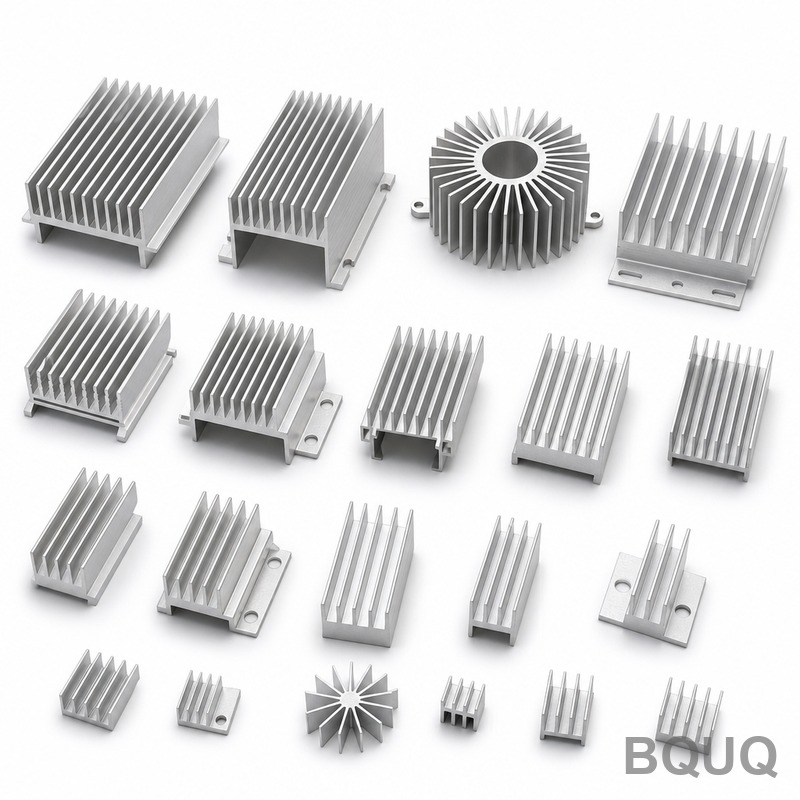
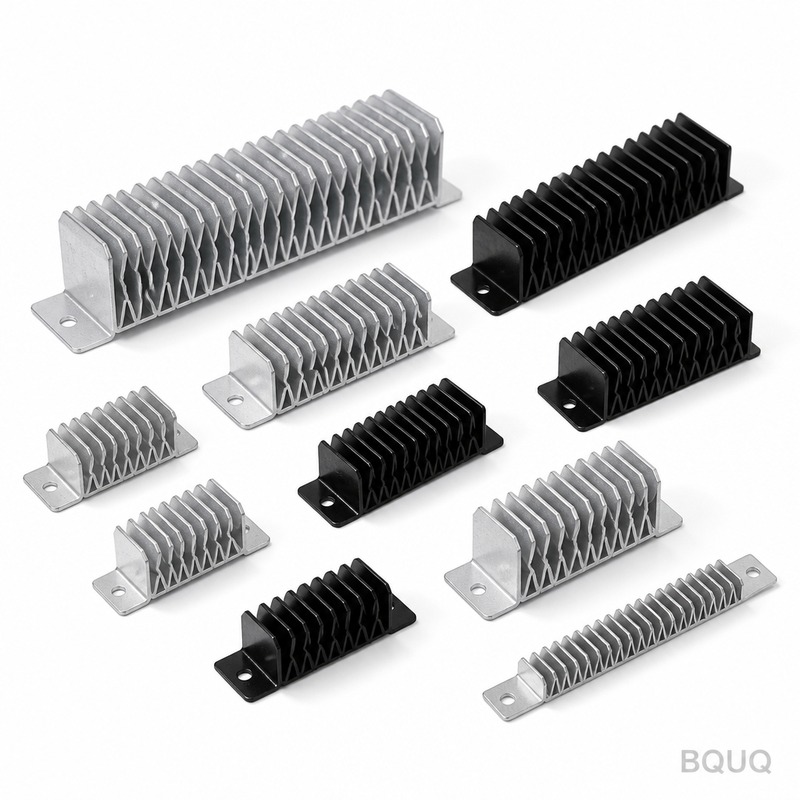
A stamped part straight from the die often has burrs, rough edges, and internal stress that prevent assembly or reliable function. Secondary stamping removes these defects: deburring reduces edge radius from 0.10 mm to 0.02 mm, and stress-relieving annealing at 350°C to 650°C eliminates springback distortion. Threaded holes, which cannot be formed in the primary die for thin sheets under 2.0 mm thickness, require secondary tapping or thread forming. For heat sinks, secondary stamping includes skiving or milling of fins to achieve thermal performance (thermal conductivity above 200 W/m·K), which a stamping die alone cannot produce. Without these operations, parts would fail fit-up tests, torque specifications, or thermal requirements.
Which Parts Typically Require Secondary Stamping?
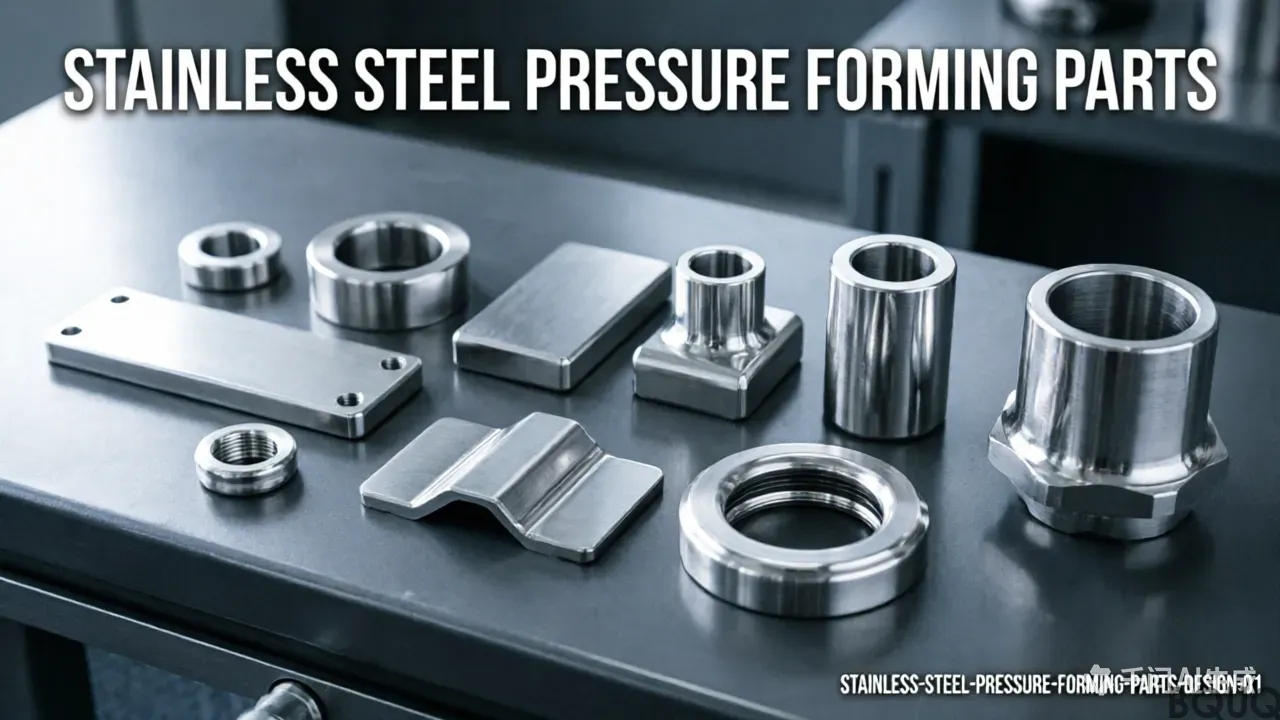
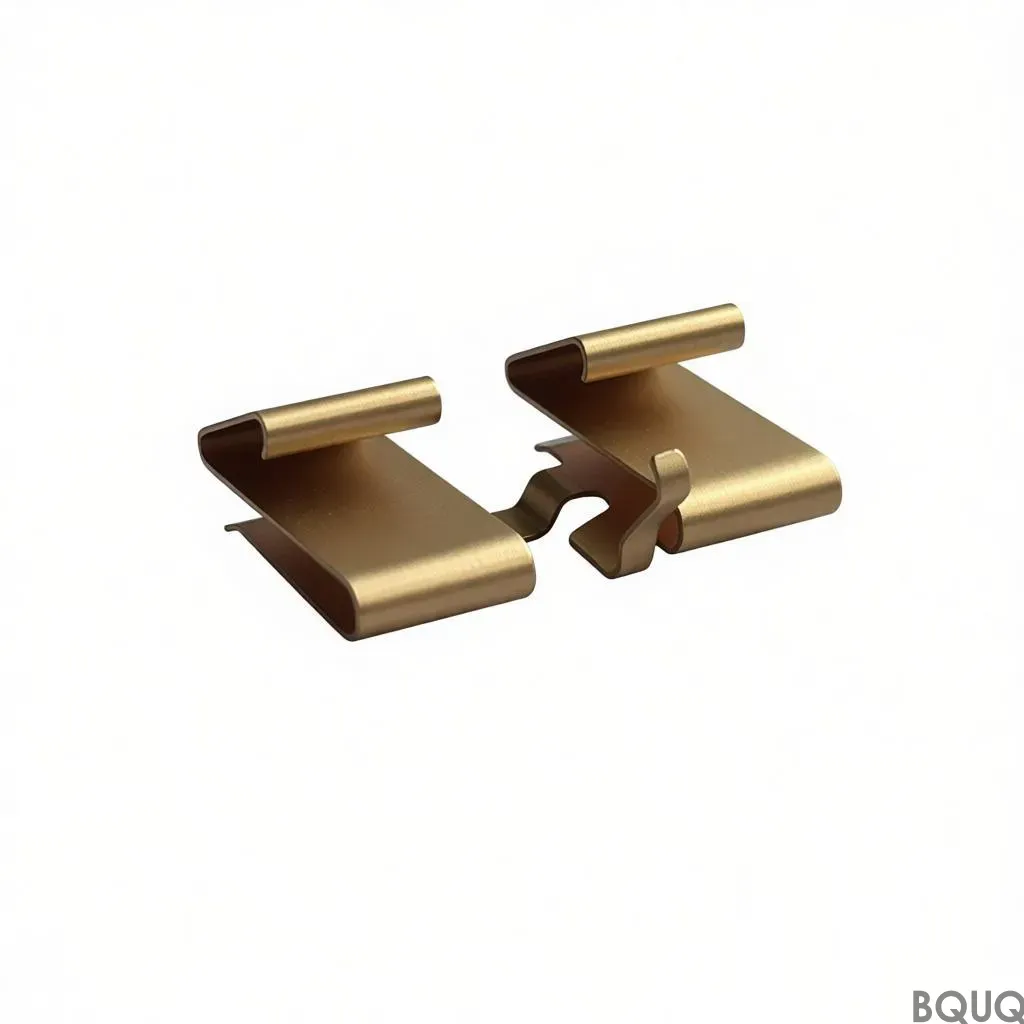
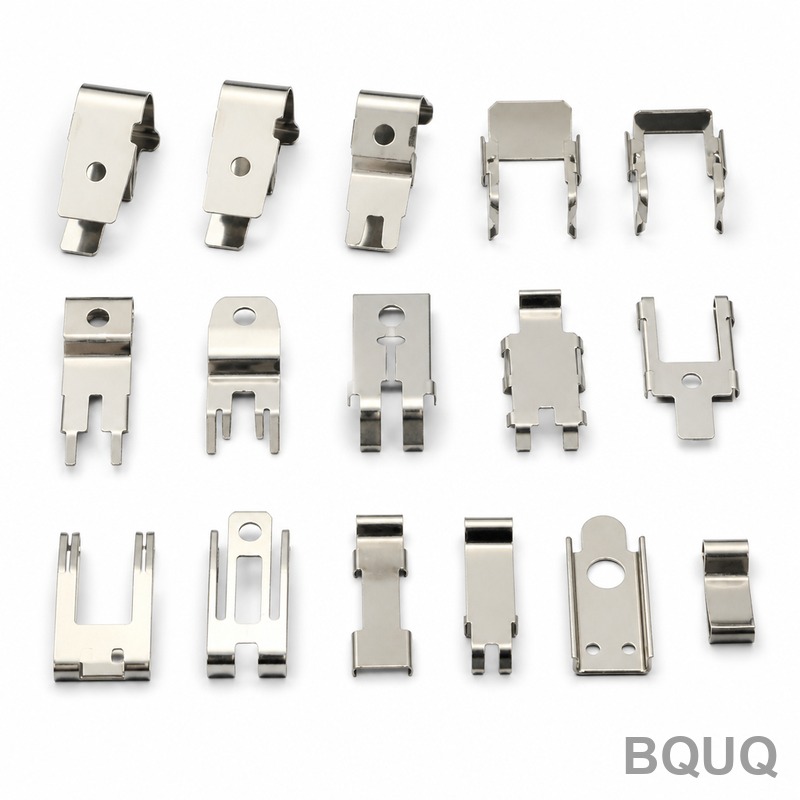
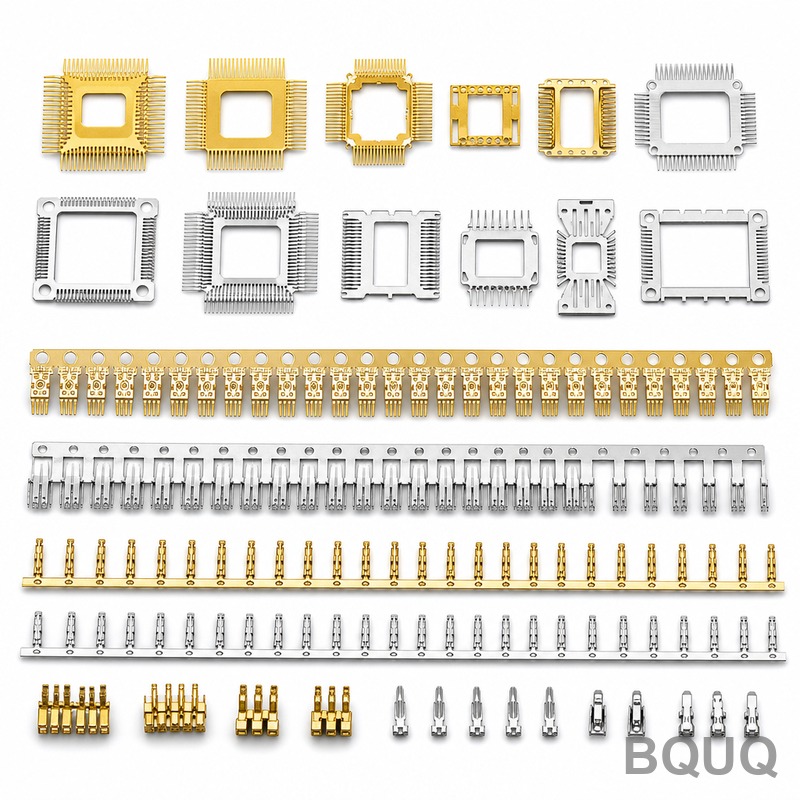
High-precision components in automotive, aerospace, and electronics frequently require secondary stamping. Examples include battery contacts (requiring gold plating of 0.1 to 0.5 microns after stamping), spring clips (needing heat treatment to HRC 40-50), and EMI shielding cans (requiring laser welding of seams). Medical device components, such as surgical stapler parts, require electropolishing (removing 10 to 20 microns of surface layer) and passivation after stamping. Electrical terminals often need selective silver plating (2 to 5 microns) on contact areas only, which is impossible during primary stamping. In our Dongguan factory, roughly 60% of stamped parts undergo at least one secondary operation, with automotive and connector parts at the highest rate.
How Much Time and Cost Does Secondary Stamping Add?
Secondary stamping adds 1 to 5 days to lead time and increases unit cost by 5% to 40%, depending on complexity. A simple deburring operation adds $0.005 to $0.02 per part, while CNC tapping of M3 holes adds $0.03 to $0.08 per hole. Heat treatment for springs adds $0.10 to $0.50 per kilogram, and plating adds $0.02 to $0.15 per part depending on material and thickness. Tooling for secondary operations is typically 10% to 25% of primary die cost. For a typical 50,000-piece order of a stamped bracket, secondary operations add $2,500 to $10,000 in total cost. The table below shows typical cost and time data for common secondary stamping operations.
| Secondary Operation | Typical Tolerance | Added Cost per Part (USD) | Added Lead Time (days) | Equipment Used |
| Deburring (vibratory) | Edge radius 0.02-0.05 mm | $0.005 - $0.02 | 0.5 - 1 | Vibratory finisher |
| Tapping (M3 to M6) | Thread position ±0.05 mm | $0.03 - $0.08 per hole | 1 - 2 | Tapping machine or CNC |
| Countersinking | Depth ±0.03 mm | $0.01 - $0.03 | 0.5 - 1 | Secondary press |
| Heat treatment (springs) | Hardness HRC 38-50 | $0.10 - $0.50 per kg | 2 - 3 | Continuous furnace |
| Zinc plating | Thickness 5-12 microns | $0.02 - $0.10 | 1 - 2 | Plating line |
| Laser welding | Weld seam ±0.10 mm | $0.15 - $0.60 | 1 - 2 | Fiber laser welder |
| Coining (flatness) | Flatness 0.05 mm per 25 mm | $0.01 - $0.05 | 0.5 - 1 | Coining press |
What Tolerances Can Secondary Stamping Achieve?
Secondary stamping achieves tighter tolerances than primary forming. For example, primary stamping holds hole position to ±0.10 mm, but secondary reaming or coining achieves ±0.02 mm. Thread pitch diameter tolerance for tapped holes is class 6H, which for M4 is 0.082 mm total. Countersink depth can be held to ±0.03 mm using depth-controlled secondary presses. Flatness after coining reaches 0.05 mm per 25 mm of length, which is essential for heat sink mounting surfaces. Surface roughness after secondary grinding or polishing can reach Ra 0.2 microns, compared to Ra 1.6 microns from the primary die. These tighter tolerances are critical for mating parts in assemblies where clearance is less than 0.05 mm.
How Should You Select a Supplier for Secondary Stamping?
Select a supplier that operates in-house secondary equipment rather than outsourcing, because outsourcing adds 2 to 3 days of logistics time and increases quality risk. Verify that the supplier has calibrated torque testers, hardness testers (Rockwell or Vickers), and surface roughness profilers. Ask for capability data on thread depth, plating thickness, and heat treatment furnace temperature uniformity (should be ±5°C). For high-volume parts, confirm that secondary stations are automated with in-line inspection, such as vision systems checking thread presence at 100% of parts. Also request PPAP (Production Part Approval Process) documentation for automotive or medical parts, which includes dimensional reports and material certificates. In our experience, suppliers with 20 years in the industry, like BQUQ, have developed dedicated secondary lines for springs, heat sinks, and precision brackets.
Can Secondary Stamping Be Eliminated by Redesign?
In some cases, yes. You can design parts to avoid secondary operations: use self-clinching nuts instead of tapped holes, specify break edges instead of deburring, or choose pre-plated coil stock instead of post-plating. However, elimination often increases material cost or primary tooling cost. For example, pre-plated coil costs 15% to 25% more than cold-rolled steel, and self-clinching nuts add $0.05 to $0.15 per part in hardware cost. Heat treatment cannot be eliminated for springs because the required elastic limit (achieved at HRC 44-50) is only possible through tempering. In practice, redesign eliminates 20% to 30% of secondary operations, but the remaining operations are essential for function. Engineers should weigh the total cost of ownership, not just unit price, when deciding.
What Are Common Quality Defects in Secondary Stamping?
Common defects include cross-threading (caused by misaligned taps), excessive burr after tapping (burr height above 0.05 mm), plating voids on corners, and heat treatment distortion (warpage over 0.10 mm). Stress corrosion cracking can occur if plating is applied before stress relief. Weld spatter on heat sinks reduces thermal contact area. To prevent these, use statistical process control (SPC) with Cpk values above 1.33 for critical dimensions. Implement 100% inspection for thread go/no-go gauges and plating thickness using X-ray fluorescence. In our factory, we maintain a defect rate below 200 parts per million (PPM) across all secondary operations through automated optical inspection and first-article verification every two hours.
FAQ
How long does secondary stamping take for a typical order?
A typical order of 50,000 parts with deburring and tapping takes 3 to 5 working days for secondary operations alone, depending on batch size and equipment availability. Simple deburring adds 0.5 day, while heat treatment and plating add 3 to 4 days total. Urgent orders with only deburring can be completed in 24 hours.
What is the minimum order quantity for secondary stamping?
The minimum order quantity (MOQ) for secondary stamping is typically 5,000 to 10,000 parts for cost-effective pricing, but BQUQ accepts 1,000-part orders for prototyping and pilot runs. Below 5,000 parts, setup costs for tapping or plating dominate, raising unit cost by 30% to 50%. We recommend combining multiple part numbers in one secondary batch to reduce costs.
Can secondary stamping be applied to stainless steel parts?
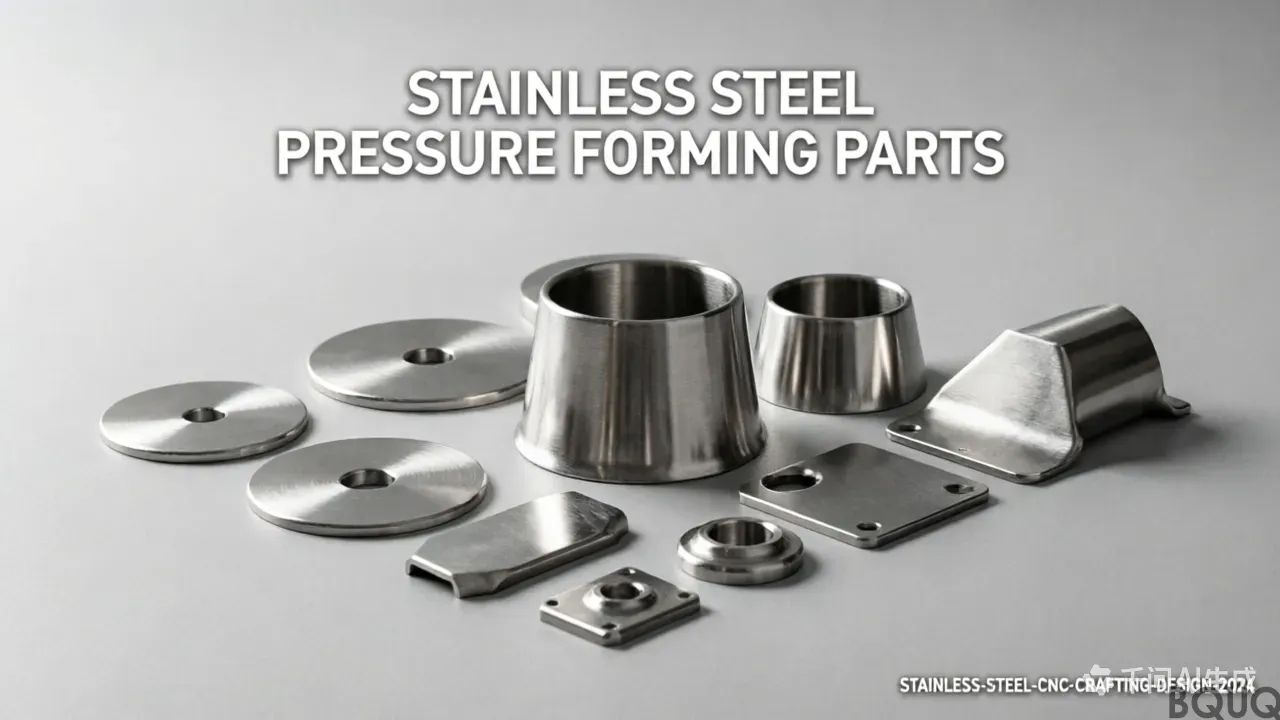
Yes, stainless steel (304, 316, 430) can undergo all secondary operations, but heat treatment is limited to martensitic grades like 410 or 420. Plating on stainless steel requires a pre-treatment step, such as flash nickel strike, to ensure adhesion. Deburring and laser welding are straightforward on stainless steel with proper parameter control.
How do you verify thread quality after secondary tapping?
We verify thread quality using go/no-go plug gauges per ISO 1502 for 100% of critical parts. For statistical sampling, we use a thread micrometer and a pitch diameter comparator with a resolution of 0.001 mm. Torque testing to a minimum of 1.2 times the specified tightening torque is performed on 0.5% of parts per batch.
What is the cost difference between secondary stamping and machining?
Secondary stamping is always lower cost than full CNC machining for high volumes. For example, tapping a hole by stamping costs $0.03 to $0.08 per hole, while CNC tapping costs $0.15 to $0.30 per hole. However, for complex features like undercuts or deep threads, CNC machining may be the only option, and the cost gap narrows at volumes below 1,000 parts.
Does secondary stamping affect the material's corrosion resistance?
Yes, secondary operations can either improve or degrade corrosion resistance. Deburring and grinding expose fresh metal, which can corrode faster unless passivated or plated. Zinc plating or anodizing (for aluminum) restores and improves corrosion resistance. Heat treatment without protective atmosphere can create scale, which must be removed by pickling or shot blasting.
When should secondary stamping be specified in the design phase?
Secondary stamping should be specified during the DFM (Design for Manufacturing) review, before tooling is cut. Identify all features that cannot be formed in the primary die, such as threads, tight flatness, or specific surface finishes. Early specification allows the supplier to plan fixtures, order special taps or plating racks, and avoid costly tooling revisions.
At BQUQ, we have integrated secondary stamping lines for springs, heat sinks, and precision metal parts for over 20 years, ensuring tolerances of ±0.02 mm and defect rates below 200 PPM. Our engineers review your drawings at the quoting stage to identify all secondary operations and optimize cost. We provide a 12-hour quotation service, so your project moves forward without delay. Contact us at sc@bquq.com or WhatsApp +86 13713157787, or visit www.bquq.com to discuss your secondary stamping requirements.