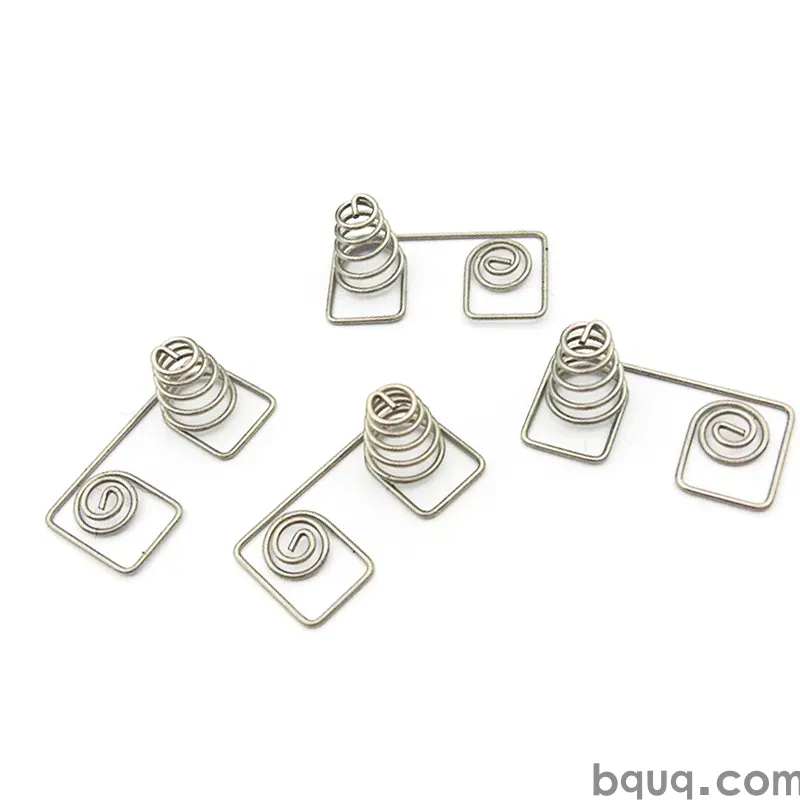
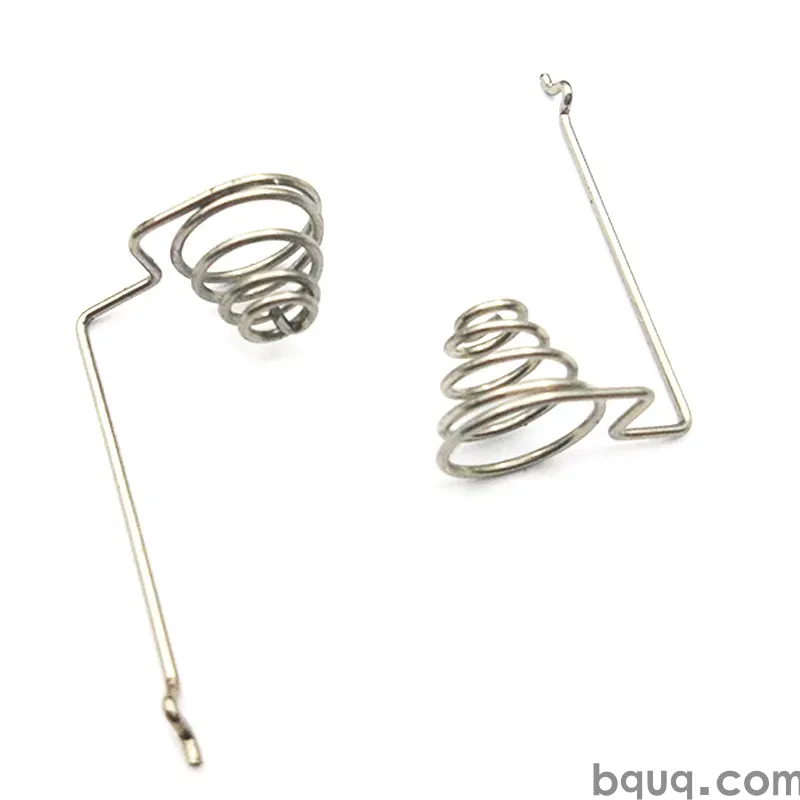
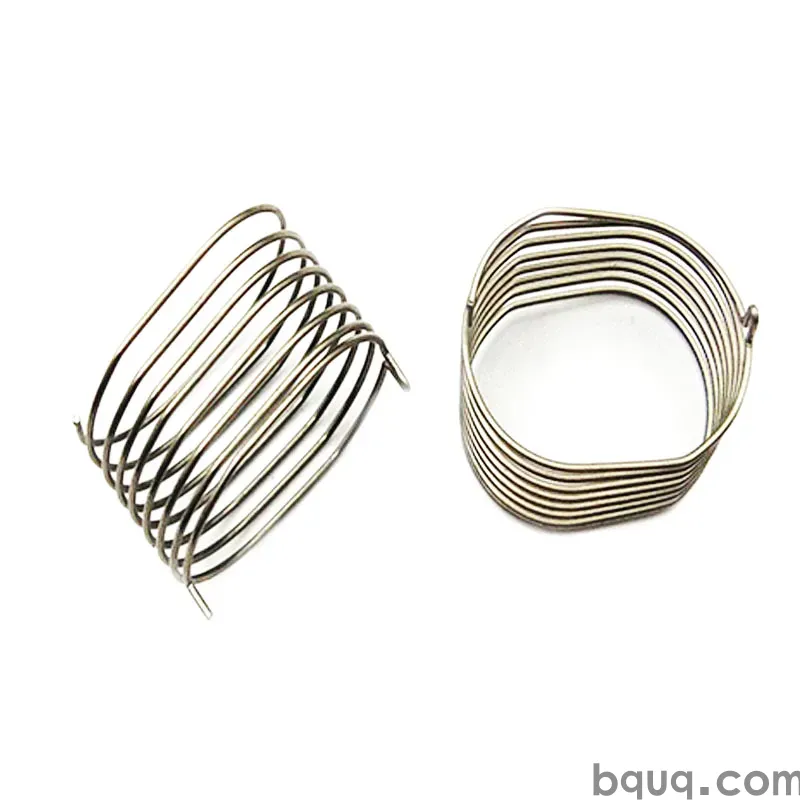
Stamped LED parts from BQUQ, an ISO9001 Dongguan source factory: brackets, clips, PCB retainers and heat sink attachments. Quote in 12 hours.
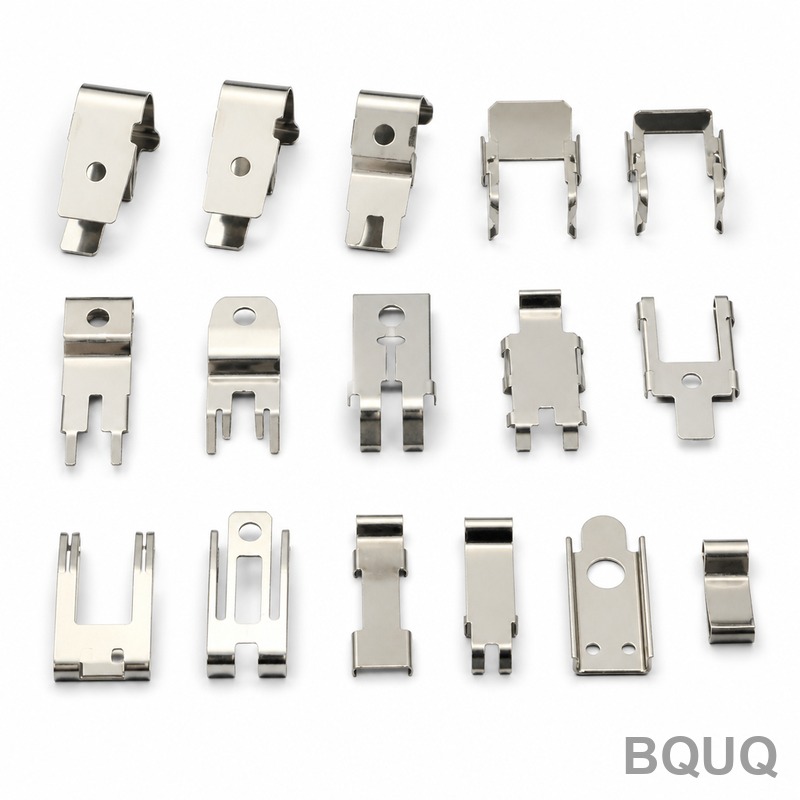
Stamped Parts for LED Lighting: Brackets, Clips and Heat Sink Attachments
Short answer: an LED luminaire is held together and kept cool by stamped metal parts — mounting brackets in aluminum or steel, spring clips that press the PCB against the heat sink, retainers that lock lenses and drivers in place, and stamped aluminum fins that attach to extruded or die-cast bodies. Typical strip thickness runs 0.3–2.0 mm, tolerances ±0.05–0.1 mm, and the design goal is always the same: hold the LED in place, keep the thermal path short, and let assembly be fast. A progressive die makes these parts for cents each, which is why stamped hardware, not screws and machined blocks, dominates mass-produced LED fixtures.
Every LED lighting product — downlight, panel, troffer, street light, tube — hides a family of small stamped parts that buyers rarely see but assemblers touch on every line. This guide explains what gets stamped, which material makes sense for which job, and the thermal and mechanical rules that separate a fixture that runs for 50,000 hours from one that fails early.
What Gets Stamped in an LED Luminaire
Walk through a typical LED downlight and the stamped parts appear at every interface: the bracket that mounts the driver, the spring clip that presses the LED board against the heat sink, the retaining ring that locks the diffuser or reflector, the PCB support tray, and often stamped fins or a stamped heat sink body for lighter products.
| Stamped part | Typical material | Thickness | Job it does |
|---|---|---|---|
| PCB mounting clip | Spring steel 301, C5210 phosphor bronze | 0.2–0.5 mm | Presses LED board onto heat sink face |
| Mounting bracket | Galvanized steel, 5052 aluminum | 0.8–2.0 mm | Holds driver, gear tray, junction box |
| Lens/diffuser retainer | 5052 aluminum or steel | 0.5–1.0 mm | Locks optics, sets compression |
| Stamped heat sink fin | Aluminum 1050/5052 or steel | 0.4–1.2 mm | Adds surface area, dissipates heat |
| Reflector shell | Aluminum, bright anodized | 0.4–0.8 mm | Optically reflects, holds lamp |
| Spring hanger/latch | Spring steel | 0.3–0.8 mm | Tool-free installation in ceiling grids |
Stamping wins here because these parts are thin, flat-ish, high-volume, and rarely need tight tolerances. One progressive die blanks, forms, and finishes a clip at hundreds of strokes per minute. If you are comparing process options for a bracket family, the decision logic for thin parts with holes and bends normally lands on stamping, and the same factory logic applies when the geometry crosses into machined territory for prototypes or CNC-machined heat sinks at low volume.
Thermal Parts: Clips That Keep the Thermal Path Short
The single most important stamped part in an LED fixture is the clip or spring that presses the LED PCB against the heat sink. LED junction temperature drives both light output and lifetime — roughly, a 10 °C rise in junction temperature can cut LED life expectancy significantly, so the mechanical pressure between board and heat sink is a thermal parameter, not just a mechanical one.
| Clip approach | Typical force | Thermal effect | Cost/assembly notes |
|---|---|---|---|
| Stamped spring clip | 5–30 N per clip | Direct board-to-sink pressure | Tool-free, fastest assembly |
| Screw + bracket | High, rigid | Good if flatness is held | Slow, parts count up |
| Thermal adhesive | n/a | Gap filled by bond | No rework, cure time |
| Spring-loaded screw | Moderate | Consistent pressure | Higher part cost |
The stamped clip has a real advantage: it converts sheet-metal spring geometry into a predictable clamping force that survives thermal cycling without loosening, which screws and adhesives both struggle with. Design rules are straightforward. Keep clip working stress below roughly half the yield of the spring material so force does not relax at 80–100 °C operating temperatures. Control the height tolerance between clip and heat sink, because the force changes with deflection — a 0.2 mm stack-up error can change contact pressure by 30% or more. And make sure the clip presses over the LED board's thermal pad area, not over components. If you need to choose or size a full heat sink solution, the interplay of fins, base, and mounting is covered in depth in our LED heat sink selection guide and the mounting options are compared in heat sink mounting methods.
Brackets and Housings: Steel or Aluminum?
For structural parts — driver brackets, gear trays, mounting plates — the material question is mostly about stiffness, weight, corrosion, and cost per part. Galvanized steel (SGCC/SECC) is the default for indoor parts that carry load: it is cheap, stiff, and the zinc coating handles ordinary humidity. Aluminum 5052 or 6061 is preferred where weight matters, where the bracket doubles as a heat spreader, or where the part is visible and anodized for appearance. Bare steel rusts in damp outdoor fixtures, so exterior brackets typically go powder-coated steel, plated steel, or aluminum.
Corrosion resistance on outdoor products is worth specifying rather than assuming: salt-spray hours, coating type, and edge coverage (stamped edges get thin coating) should all be on the drawing or the purchase spec. If an LED bracket needs machined features — tapped holes with tight position, milled pockets, precise alignment bosses — the honest engineering answer is often a hybrid: stamp the body, add machined details, or move the part to CNC entirely at low volume. Our stamping services overview walks through when each route makes sense.
Aluminum Stamped Fins and Heat Sink Attachments
For mid-power LED products, stamped aluminum fins offer a cheap way to add cooling surface. A stamped fin pack — individual fins stamped from 0.4–1.2 mm aluminum, stacked and bonded or mechanically locked to a base — can outperform a plain extruded profile of the same footprint at lower tooling cost, and it is lighter. The trade-offs are real: stamped fins are thin, so fin efficiency drops if they are too tall (beyond roughly 10–20× fin thickness the extra height stops adding useful cooling), and the thermal joint between fin and base becomes the bottleneck. A stamped-aluminum or folded design needs good fin-to-base contact — via epoxy bonding, soldering, or mechanical interlock — or the joint resistance cancels the extra surface area.
That is also why stamped attachments exist in the first place: clips, brackets, and mounting springs let a die-cast or extruded heat sink stay simple and let the stamped part do the work of holding, pressing, and aligning. If your power level justifies a full aluminum heat sink rather than stamped add-ons, compare the process families — extruded, die-cast, stamped, and CNC — before committing, because at different volumes each one wins on cost.
Tolerance Reality and Design Rules for Stamped LED Hardware
Stamped LED parts are forgiving compared with relay contacts or connector pins, and tolerances should reflect that. Forming tolerances of ±0.1 mm are normal for brackets and retainers; ±0.05 mm is achievable on critical hole positions and clip force-deflection features; flatness after forming of aluminum parts needs care because springback and distortion increase with thinner, larger parts. Design rules that save money: keep bend radii at least one material thickness, keep hole edges at least two thicknesses from a bend, and avoid specifying cosmetic Class-A surfaces on stamped aluminum unless you are ready to pay for handling and packaging.
For clips and springs, send the force spec, not just the geometry. A clip drawing with a required force range at a given deflection lets the die shop adjust material temper and form geometry to hit the number, then verify it on a force tester. Include the operating temperature range so material choice (spring steel vs phosphor bronze vs stainless) and stress levels are set correctly. When the RFQ has material grade, thickness, finish, force, and temperature, a stamping source factory can quote tooling — typically $2,000–$8,000 for a simple LED bracket or clip die, indicative — and piece price with confidence.
Frequently Asked Questions
Q: Why do LED PCBs need spring clips instead of screws?
A: Screws work, but they add parts and assembly time, and thermal cycling can loosen them. A stamped spring clip delivers a defined, repeatable clamping force that holds the board against the heat sink through temperature swings without re-torquing, and it drops into place in one motion on an assembly line.
Q: What material should LED heat sink clips use?
A: Spring steel such as 301 stainless or hardened carbon steel where corrosion or cost matters, and phosphor bronze or beryllium copper where conductivity or non-magnetic behavior is required. The material must hold its force at the fixture's operating temperature, so specify temper and operating range on the drawing.
Q: Can stamped aluminum fins really cool an LED fixture?
A: Yes, at low to mid power levels, if the fin-to-base joint is made properly. Stamped fins are thin, so keep them short enough to stay efficient and bond or lock them to the base with low thermal resistance. Above a certain power, extruded or die-cast heat sinks with more fin volume win.
Q: What tolerance should I put on stamped LED brackets and clips?
A: ±0.1 mm is normal for formed brackets, ±0.05 mm for critical hole positions, and the clip force-deflection relationship is what really matters for springs — specify force at deflection and let the die shop hit it, rather than over-tolerancing raw dimensions.
Q: Do stamped LED parts need special finishes for outdoor use?
A: Yes. Bare steel will not survive outdoor humidity, so use galvanized, plated, or powder-coated steel, or aluminum. Specify salt-spray hours and watch edge coverage, because stamped edges receive thinner coating than flat surfaces.
Related Resources
- LED Heat Sink Selection: Extruded, Stamped or Die-Cast — matching the heat sink process family to your power level.
- Heat Sink Mounting Methods: Clips, Screws and Adhesives — how the attachment method changes thermal and assembly performance.
- About BQUQ — an ISO9001-certified source factory in Dongguan with stamping, spring, CNC and heat sink lines in one plant.
- Contact us — send your LED part drawings and get a quotation within 12 working hours.
Authored by the BQUQ Engineering Team. BQUQ is an ISO9001-certified source factory in Dongguan, China, running CNC machining, metal stamping, custom springs, heat sink and collet lines under one roof. Send drawings to sc@bquq.com or WhatsApp +86 13713157787 for a quote within 12 working hours. www.bquq.com