How Should You Size and Mount a Heat Sink for Raspberry Pi and SBCs?
For most Raspberry Pi and single-board computer (SBC) applications, a heat sink is required when the CPU junction temperature exceeds 85°C under sustained load; a common rule is to
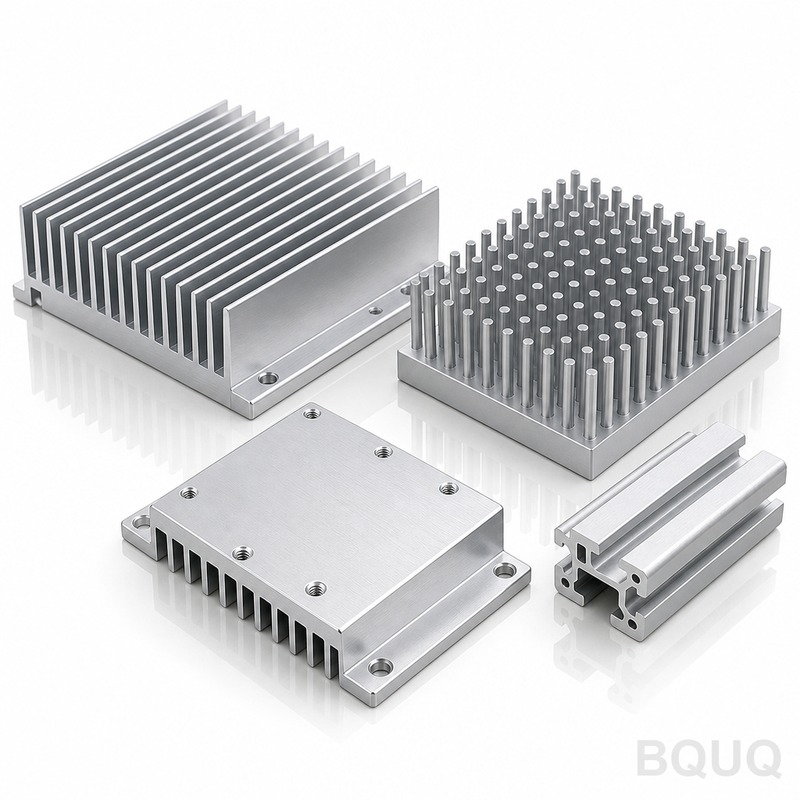
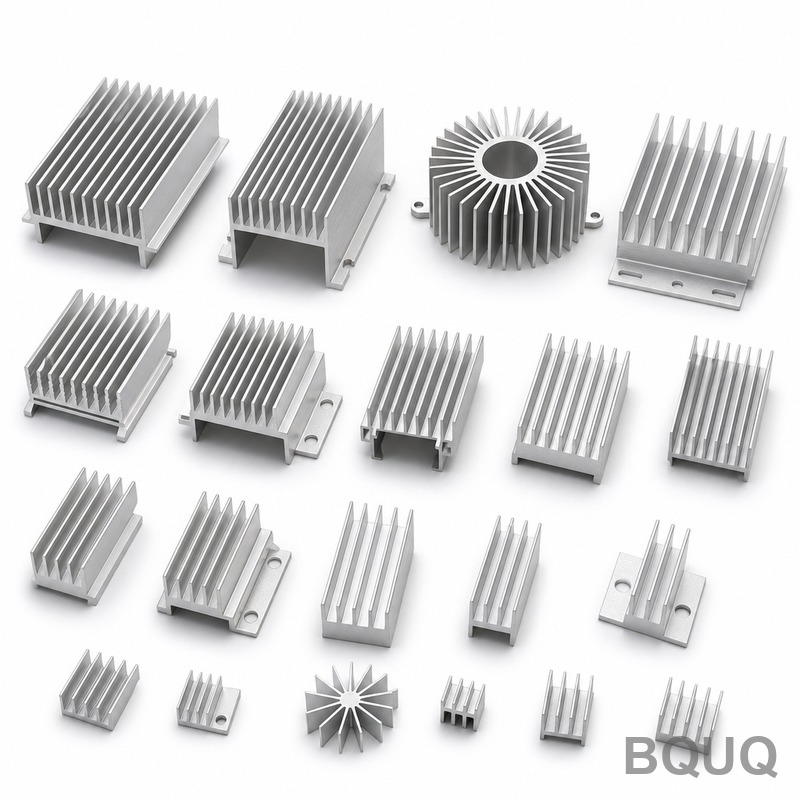
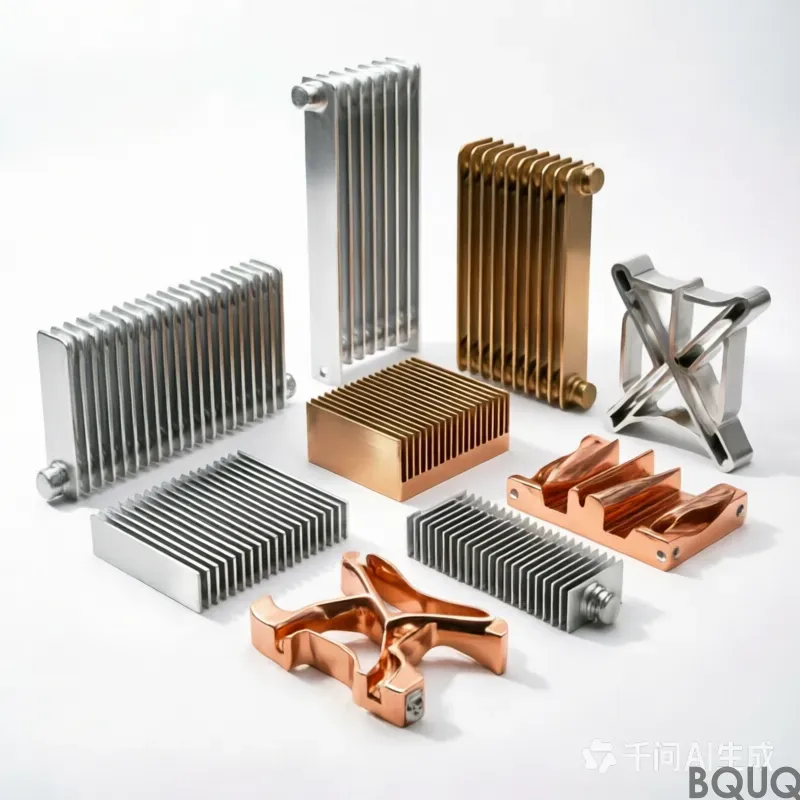
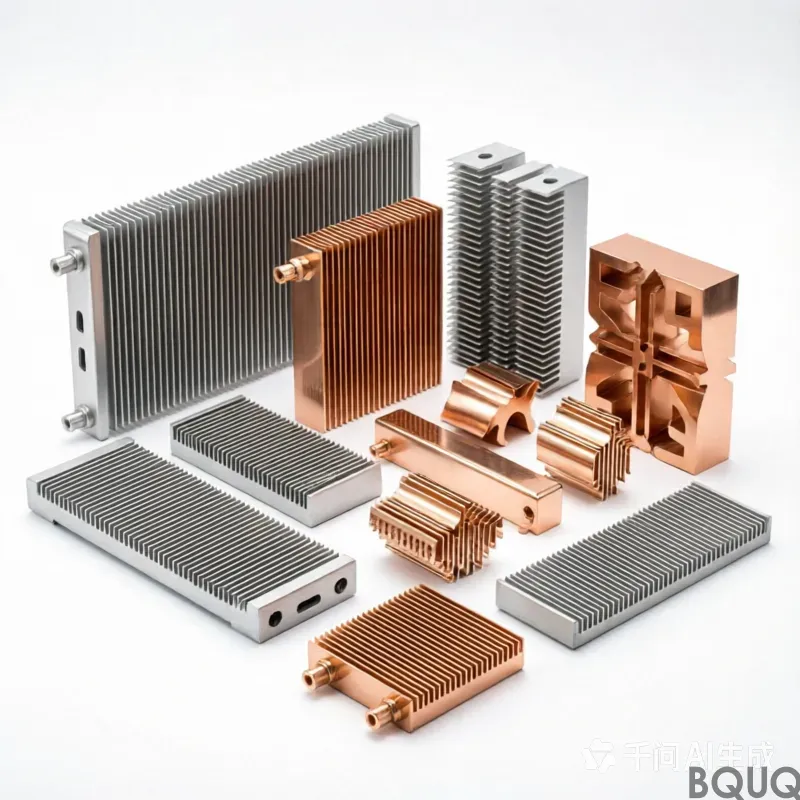
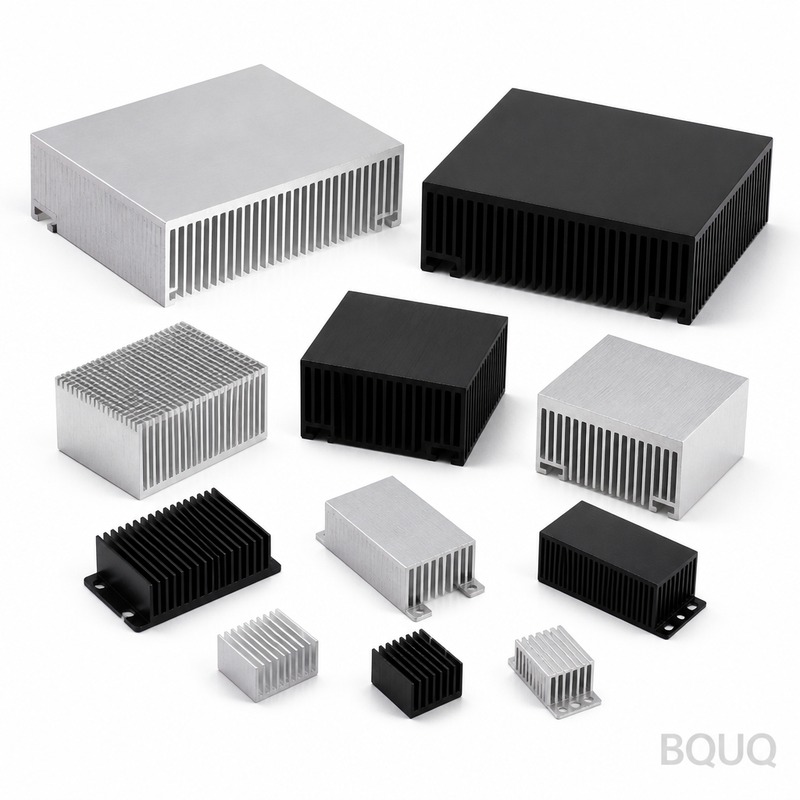
Directly answering the question: Extrusion heat sink profile design is governed by two primary paths: standard shapes that offer proven thermal performance and low tooling cost, an
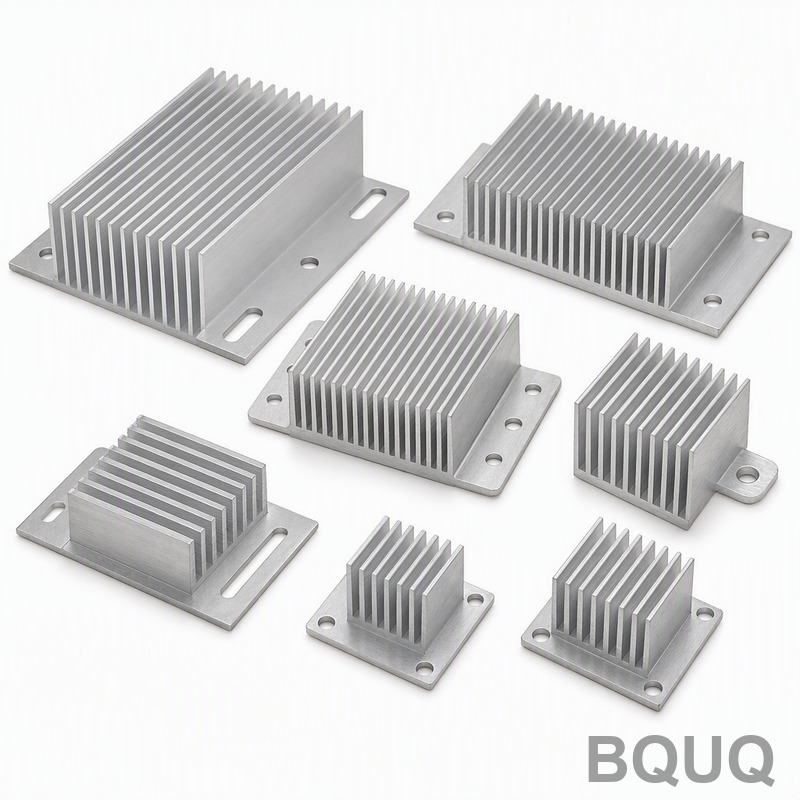
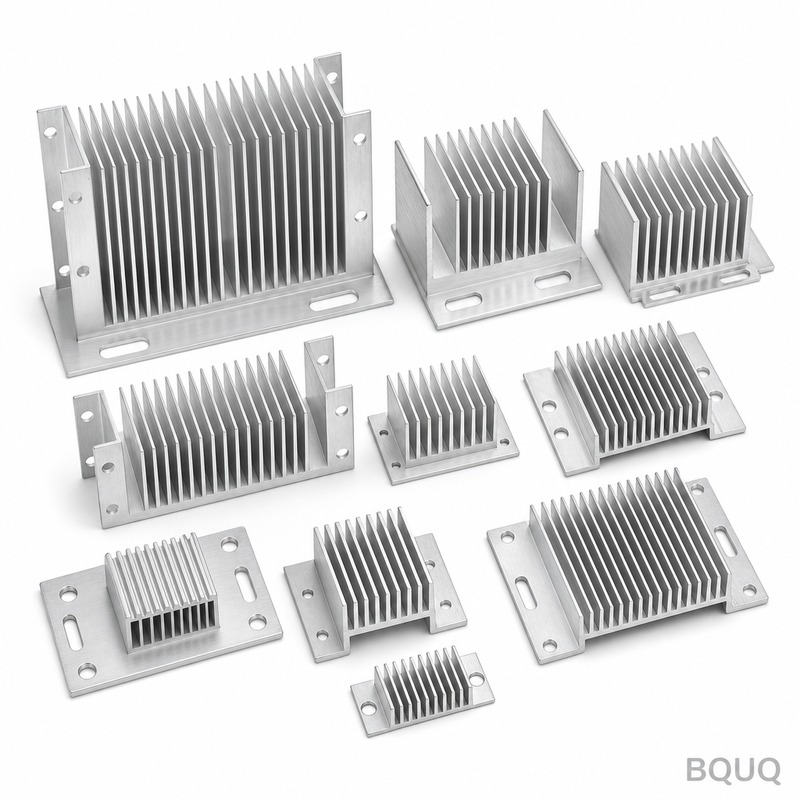
The best method to mount a heat sink depends on the thermal load, mechanical shock requirements, and serviceability: for high-power components above 10 W, use screws with thermal p
The optimal heat sink fin spacing for natural convection is typically between 6.5 mm and 10 mm, while forced convection allows for tighter spacing of 2.5 mm to 4 mm, with fin thick
The thickness of a heat sink base directly determines its ability to spread heat laterally from a concentrated source to the fin array, with an optimal range typically falling betw