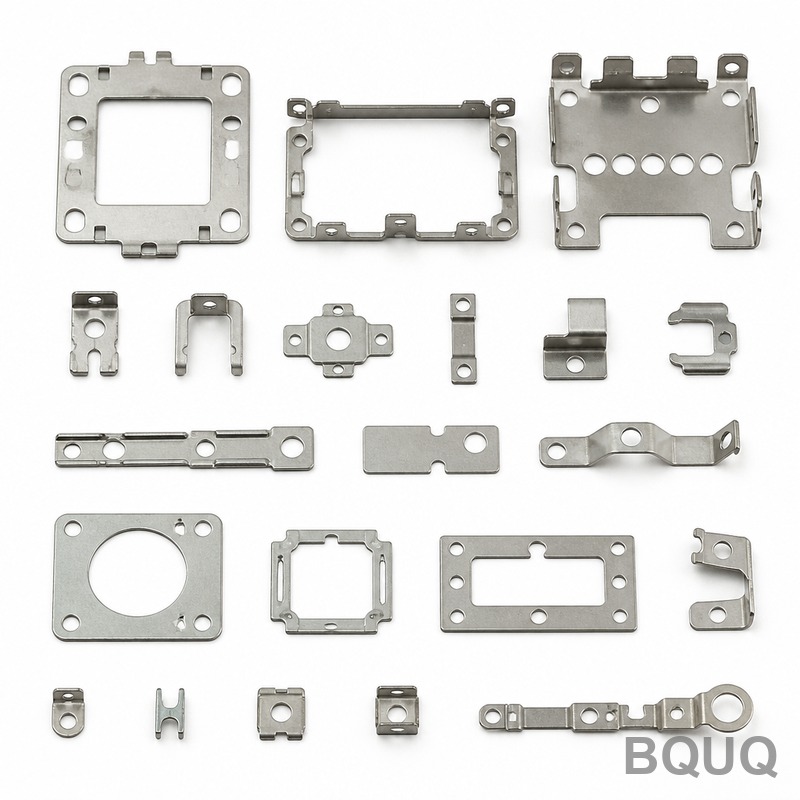
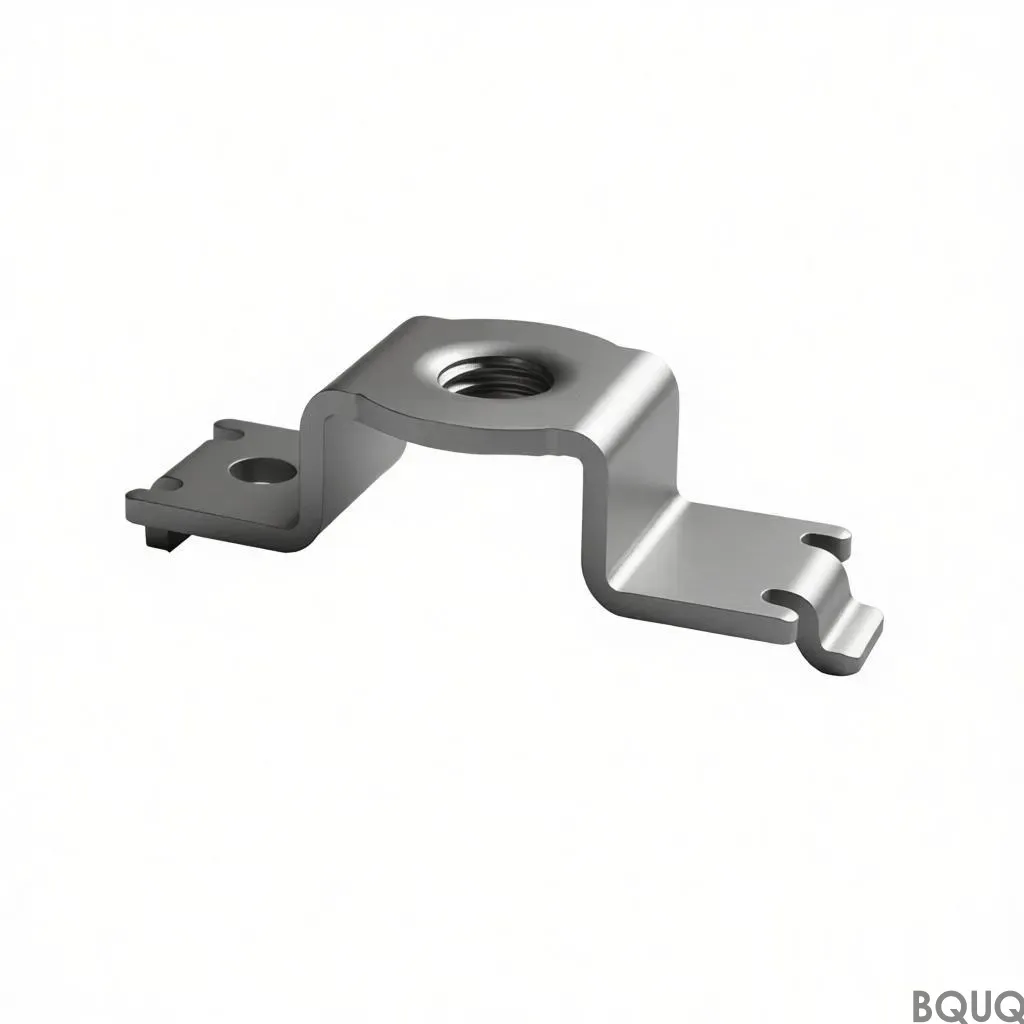
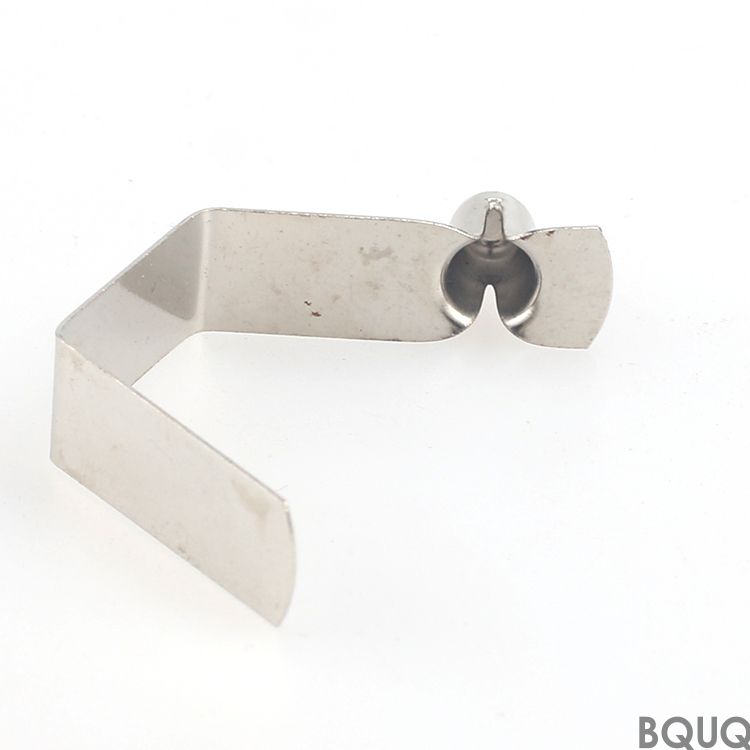
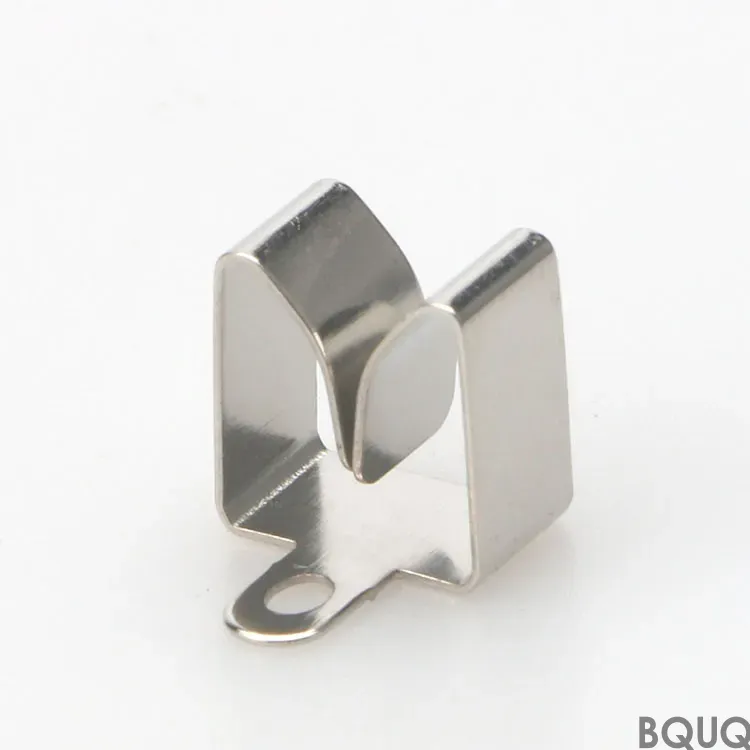
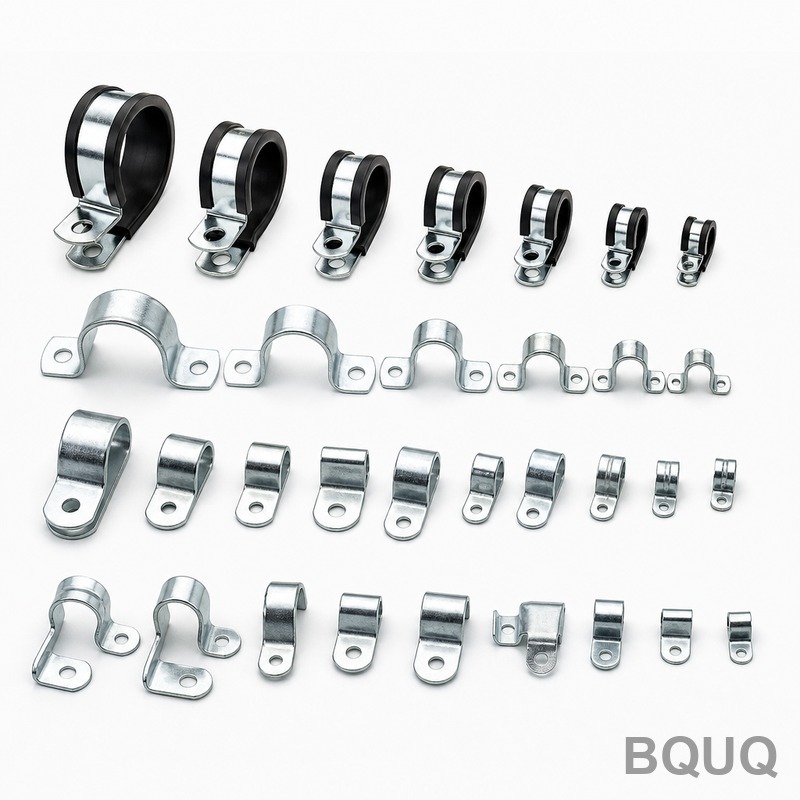
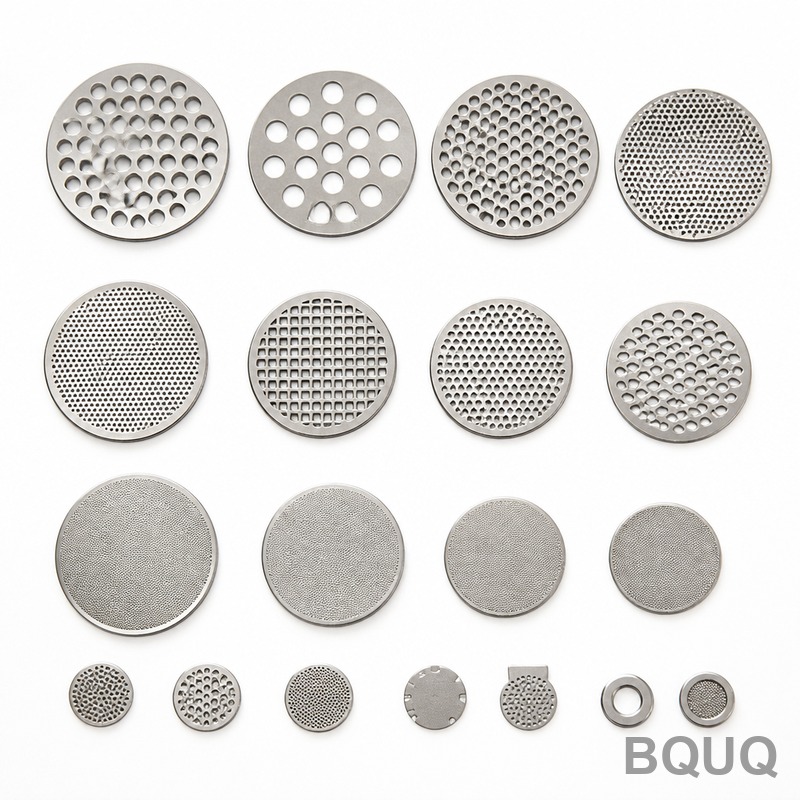
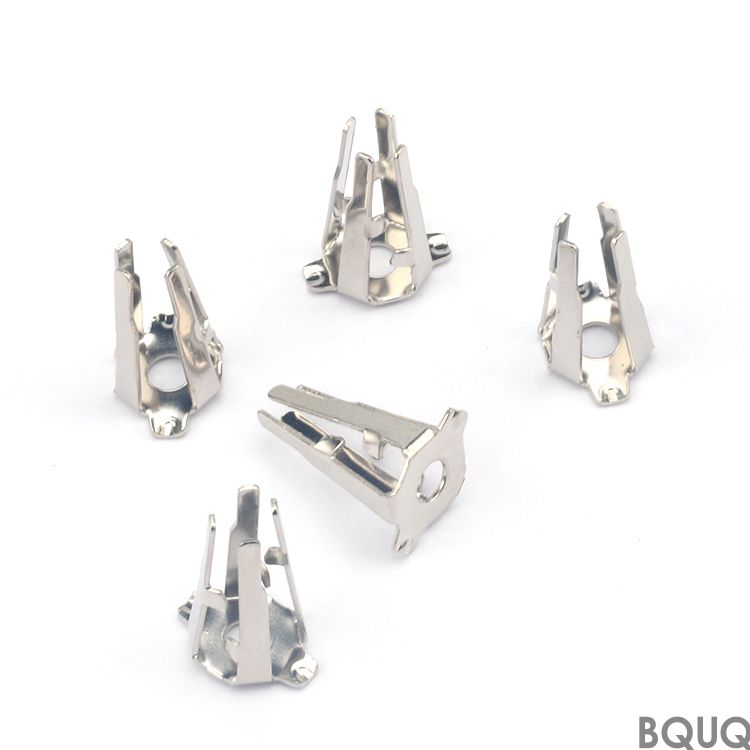
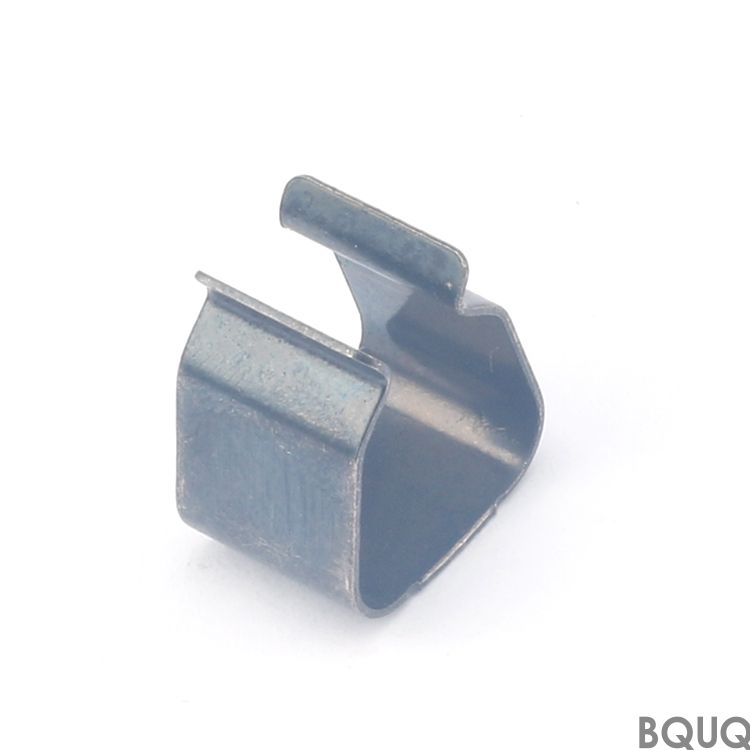
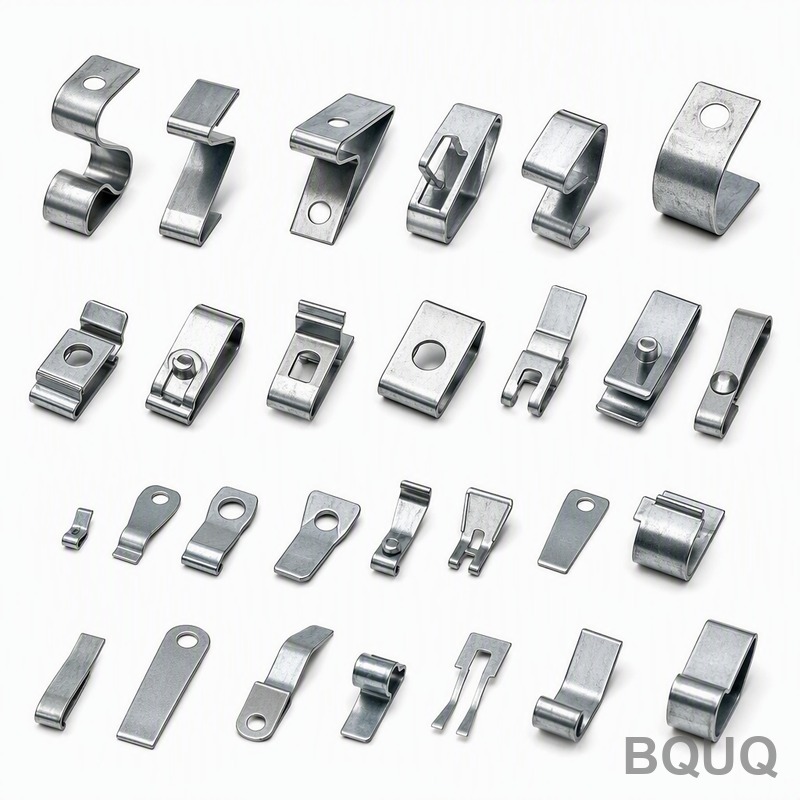
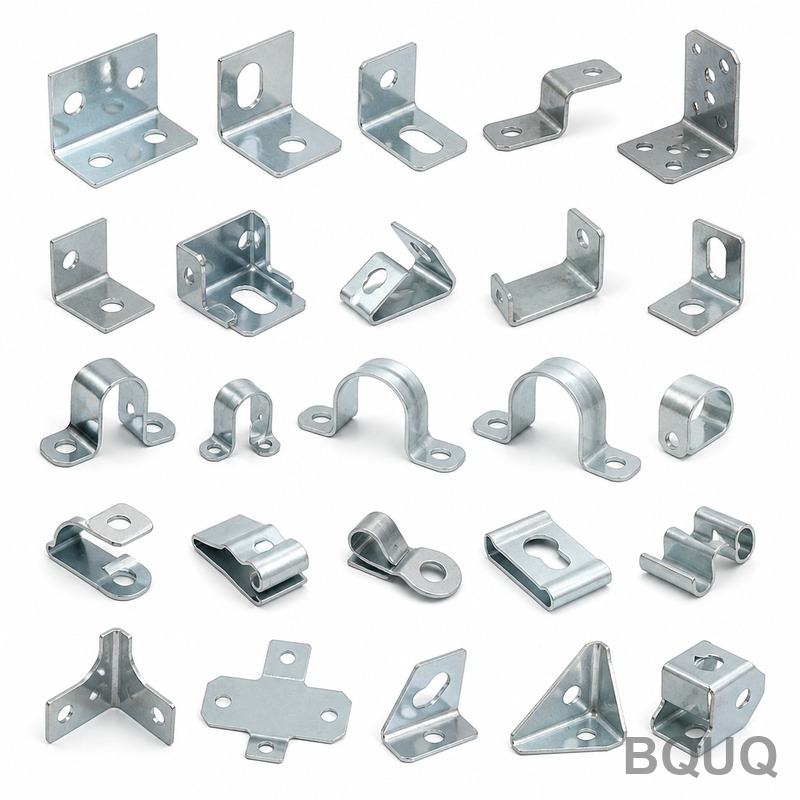
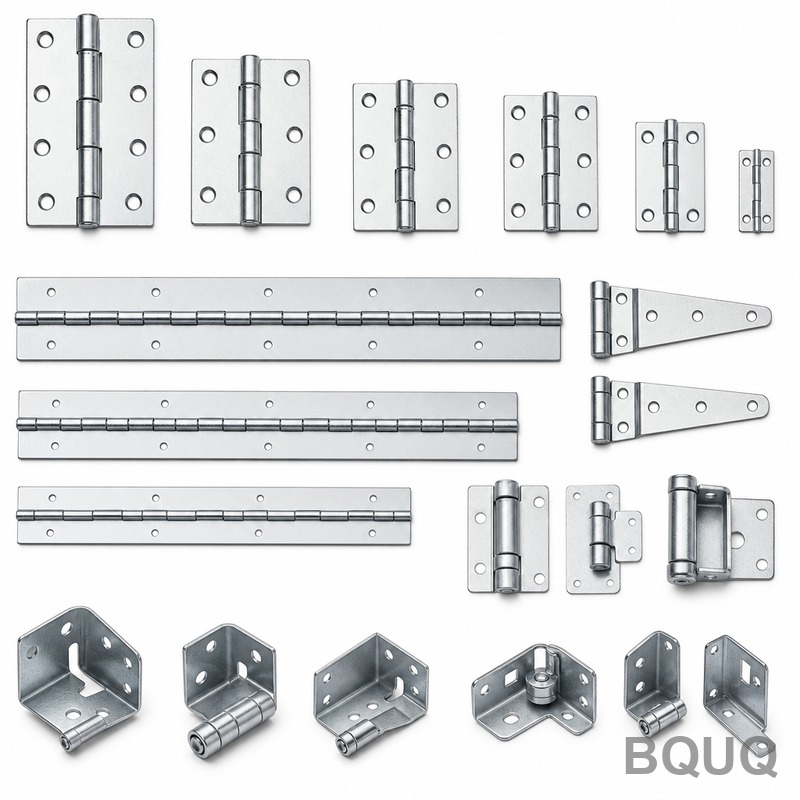
What This Collection Delivers in Hard Numbers This is a family of stamped brackets and mounts for electronic enclosures, PCB supports, and chassis frames. You get flatness within 0.05 mm, hole-to-ho
Get a Fast Quote for This Part
Send us your drawing / quantity / material — reply within 24h.
This is a family of stamped brackets and mounts for electronic enclosures, PCB supports, and chassis frames. You get flatness within 0.05 mm, hole-to-hole tolerance of ±0.05 mm, and edge runout under 0.03 mm — verified on every batch. Parts are made from 304 stainless steel, SPCC cold-rolled steel, or C17200 beryllium copper, with hardness up to 42 HRC after heat treatment. Lead time is 15 days for standard tooling, 7 days for existing dies. No MOQ applies — order 50 or 50,000 pieces at the same unit price structure.
Why Our Stamped Brackets Hold Tighter Tolerances Than Industry Norms
Most stamping shops quote ±0.1 mm as standard. Our Precision Stamped Electronic Brackets Collection runs at ±0.05 mm because we use progressive dies with tungsten carbide inserts and a 250-ton high-speed press (120 strokes per minute). Each die is serviced after 50,000 hits — not after failure — which keeps burr height below 0.03 mm and prevents die rollover. For critical mounting holes, we add a secondary coining step that flattens the material to 0.01 mm flatness over a 100 mm span. This is what allows your PCB or heatsink to seat flush without shims or rework.
Materials, Heat Treatment, and Surface Finish Options
Choose from four base materials: SPCC (yield 210 MPa), SUS304 (yield 520 MPa), C17200 beryllium copper (hardened to 38–42 HRC), and 5052 aluminum (for weight-sensitive designs). Heat treatment is done in a vacuum furnace to avoid oxidation — we reach 42 HRC on beryllium copper, 30 HRC on SPCC after quench and temper. Surface finish options include bright anneal (Ra 0.8), nickel plating (5 µm), and passivation for stainless. If you need a specific plating thickness, we hold it to ±10% of spec, not the industry standard of ±20%.
Dimensional Verification and Inspection Before Every Shipment
Every order — even a 50-piece prototype run — gets the same inspection protocol. We use a CMM (Coordinate Measuring Machine) with 0.002 mm resolution to check hole positions, plus a profilometer for surface roughness. Runout is measured on a granite surface plate with a dial indicator. You receive a full dimensional report (PDF) with each shipment, showing actual measurements versus your drawing. No exceptions. If we find a deviation beyond ±0.05 mm, we re-run the part, not just the die — this is why our return rate from electronics customers is below 0.3%.
Tooling Costs and How We Keep Them Low for Small Batches
For the Precision Stamped Electronic Brackets Collection, we offer three tooling tiers. Tier 1: existing universal dies (no tooling cost, 7-day lead time, limited shapes). Tier 2: simplified dies for flat brackets under 50 mm — $300–$800 tooling, amortized over your first order. Tier 3: full progressive dies for complex bends and multiple holes — $1,500–$3,000, but these pay back if you order over 5,000 pieces. Because we are a factory in Dongguan, not a trading company, you pay only the tooling steel and machining cost — no middleman markup. Send your drawing, and we will quote tooling separately from piece price so you see the exact breakdown.
Comparison: Stamped Brackets vs. CNC Machined Mounts
Stamping wins on cost and speed for volume — at 1,000 pieces, a stamped bracket costs $0.15–$0.40 each, while a machined mount runs $1.20–$2.50. Stamping also gives better consistency over 10,000 pieces because the die does not wear like a cutter. However, CNC is better for prototypes or parts with deep pockets and undercuts. If you are still deciding between processes, read our metal stamping vs CNC machining for prototypes guide. For tooling selection on secondary operations, check the CNC cutting tool selection guide to see how we finish edges. And for surface requirements like plating or powder coat, refer to the CNC machining tolerances guide — it covers what we can hold on stamped parts versus machined ones.
Packing, Traceability, and Batch Consistency for Electronics Assembly
We pack in anti-static trays with EPE foam dividers — no loose parts rattling in plastic bags. Each box gets a label with batch number, material heat number, and date code. For SMT-line users, we offer tape-and-reel packaging for small brackets under 20 mm, with 2,000 parts per reel. Batch-to-batch consistency is guaranteed by our SPC system: we track hole diameter, bend angle, and material thickness on every 100th part during production. If the trend drifts beyond 1.33 Cpk, we stop the press and adjust — not after the run ends, but during it. This is precision manufacturing made in China, engineered to the same standard as any German or Japanese shop.
Specification
Value / Range
Notes
Material thickness
0.3 – 3.0 mm
SPCC, SUS304, C17200, 5052 Al
Max part size
250 mm × 150 mm
Larger on request
Hole tolerance
±0.05 mm
Standard, verified by CMM
Flatness
≤0.05 mm over 100 mm
Coining step for critical surfaces
Runout (edge)
≤0.03 mm
Measured on granite plate
Hardness (C17200)
38 – 42 HRC
After vacuum heat treatment
Surface finish Ra
0.8 µm (bright anneal)
Ni plating 5 µm available
Burr height
≤0.03 mm
No secondary deburring needed
Lead time (existing die)
7 days
For Tier 1 shapes
Lead time (new tooling)
15 days
Includes die making + sampling
MOQ
No MOQ
50 pieces minimum for cost efficiency
What is the minimum order quantity for this collection?
There is no MOQ — we accept 50 pieces as a trial run, and the unit price stays the same as for 5,000 pieces, only tooling amortization changes.
Can you custom-make a bracket that is not in your standard collection?
Yes, we make custom shapes from your 2D or 3D drawing, with the same tolerance and finish options, and tooling costs start at $300 for simple flat parts.
How do you ensure quality control on small batches?
Every batch, regardless of size, goes through CMM inspection and a dimensional report; we do not skip QC for low-volume orders.
What is the typical lead time for a custom bracket order?
For a new die, 15 days from drawing approval to first articles; for existing dies, 7 days to ship.
Get a Firm Quote Within 12 Hours — No MOQ Pressure
Send your drawing (PDF, STEP, or IGES) to sc@bquq.com or WhatsApp +86 13713157787. We will reply within 12 hours with a firm price per piece, tooling cost (if any), and delivery date. No vague ranges — you get exact numbers. The Precision Stamped Electronic Brackets Collection is ready for your next project. BQUQ factory, Dongguan, China. Twenty years of stamping, CNC machining, and springs. Your drawing, our tooling, your deadline.
Straight answers from the factory, not a sales brochure.
How do I get a quote for this part?
Send your drawing (STEP, IGES, DWG, DXF or PDF) with quantity and target material to sc@bquq.com or WhatsApp +86 137 1315 7787. Our engineers review the drawing and reply with price, lead time and tooling cost.
What is your MOQ?
We do not set a fixed MOQ. The minimum is decided per part and per process, so tell us your target quantity and we quote against it. Small trial batches are accepted for new parts.
What is the lead time?
Lead time is agreed per order, based on the date you need, the quantity, the material and whether tooling is required. Send your target date with the drawing and we confirm what is achievable before you commit.
What tolerance can you hold?
CNC machining holds ±0.005 mm. Stamping, spring and extrusion parts are made to the tolerances marked on your drawing, and we confirm achievable values at quotation so there are no surprises at inspection.
Can you manufacture parts to my drawing?
Yes. Every order is made to the customer drawing or sample. We run CNC machining, metal stamping, spring coiling and aluminium heat sink extrusion in-house in Dongguan, so one supplier covers the whole part.
STEP, IGES, DWG, DXF and PDF. A 2D drawing with tolerances and surface finish requirements is preferred alongside the 3D model. Hand sketches can be quoted after our engineers redraw them.
How is quality controlled?
Inspection runs through the process, not only at the end: first article approval, in-process checks and a final report per batch, measured with CMM and optical equipment. Material certificates are available on request.
Where is the factory and do you ship worldwide?
Our factory is in Dongguan, Guangdong, China, operating since 2005. We ship worldwide by express, air and sea, and work with the forwarder nominated by the buyer.