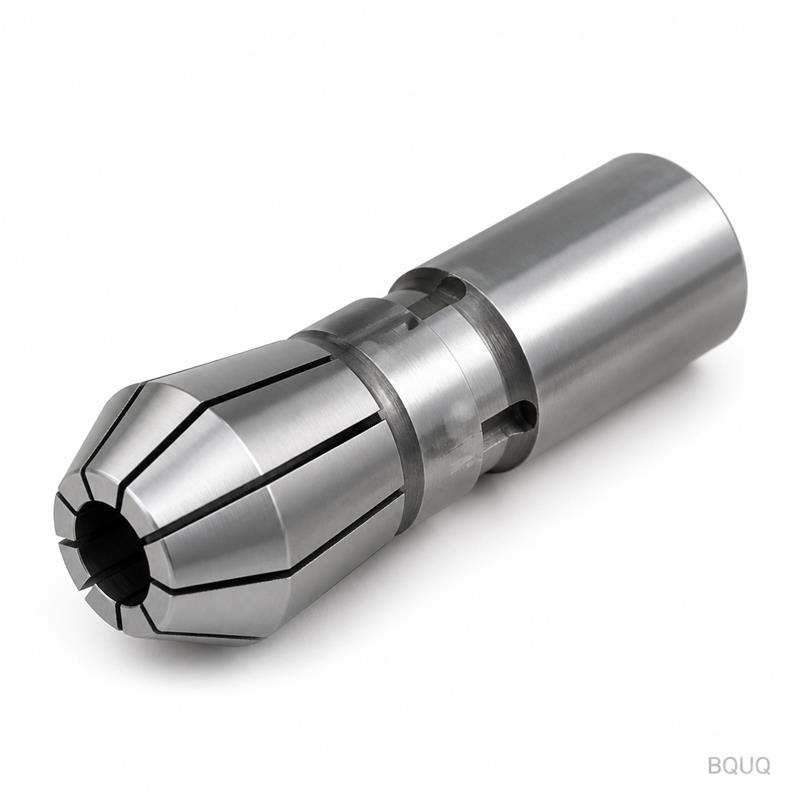
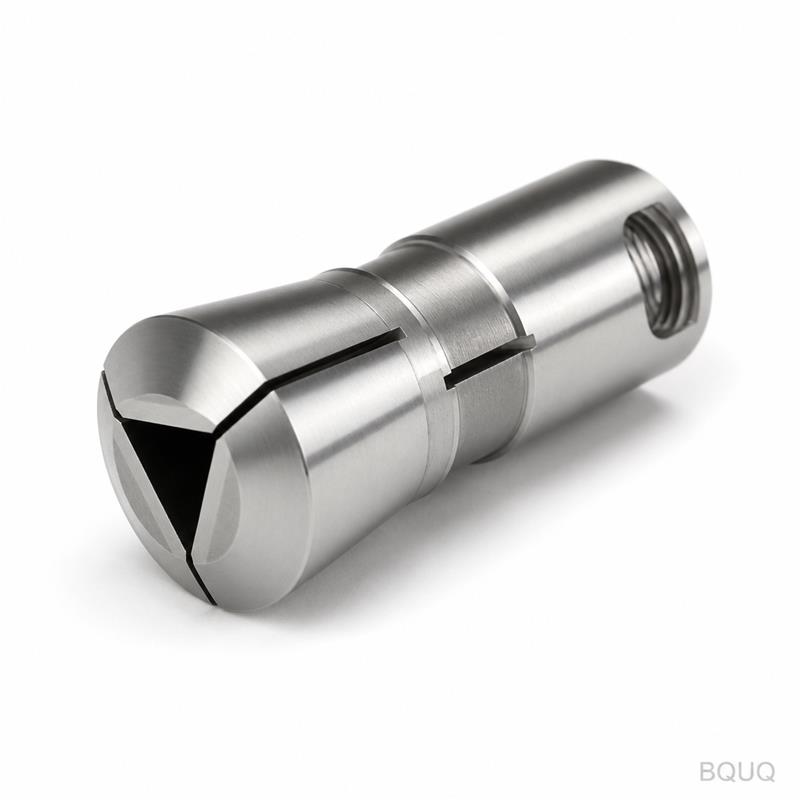
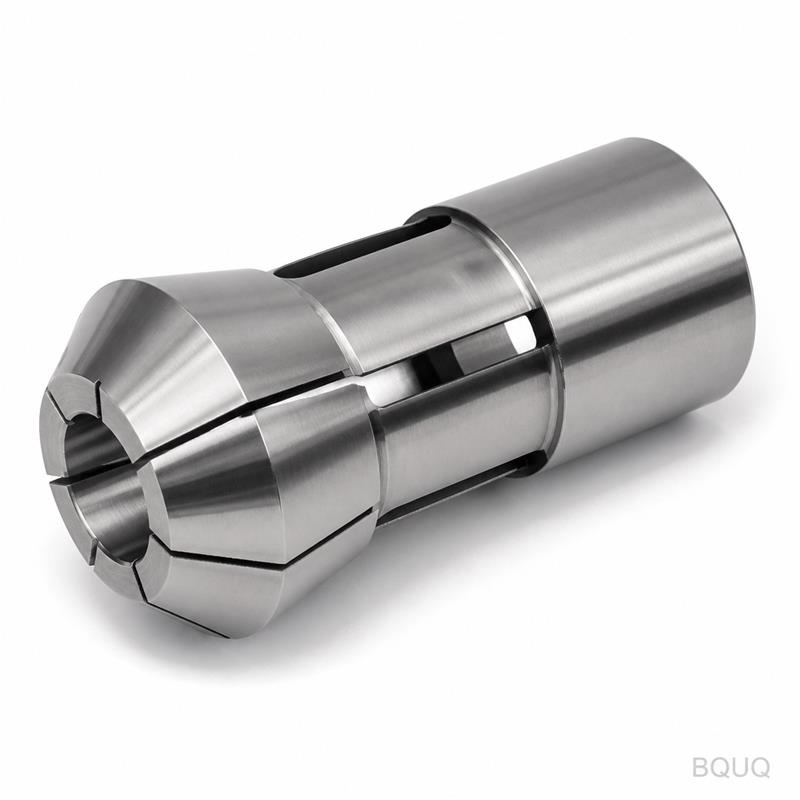
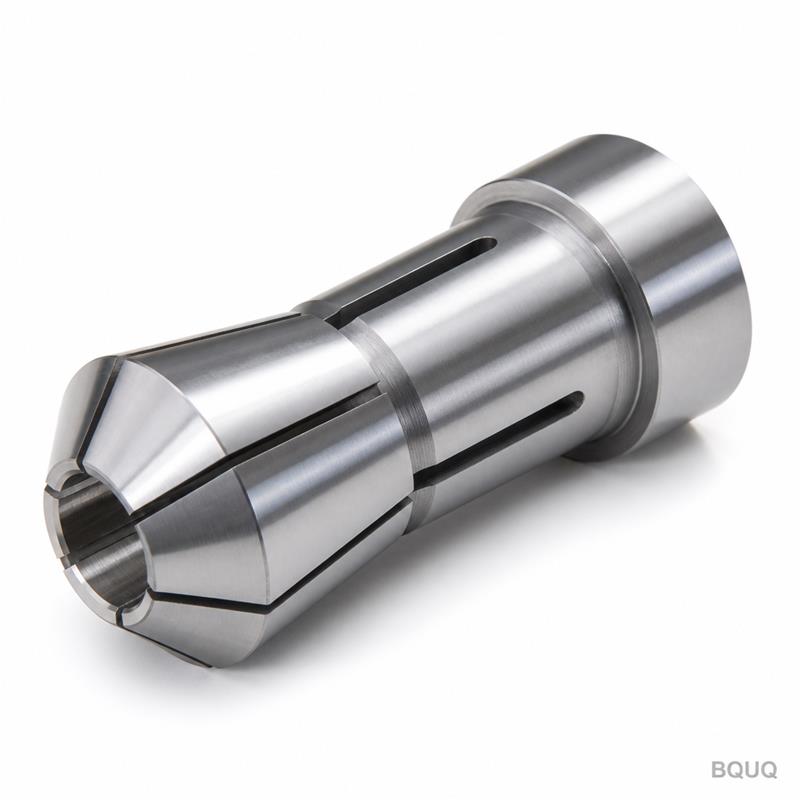
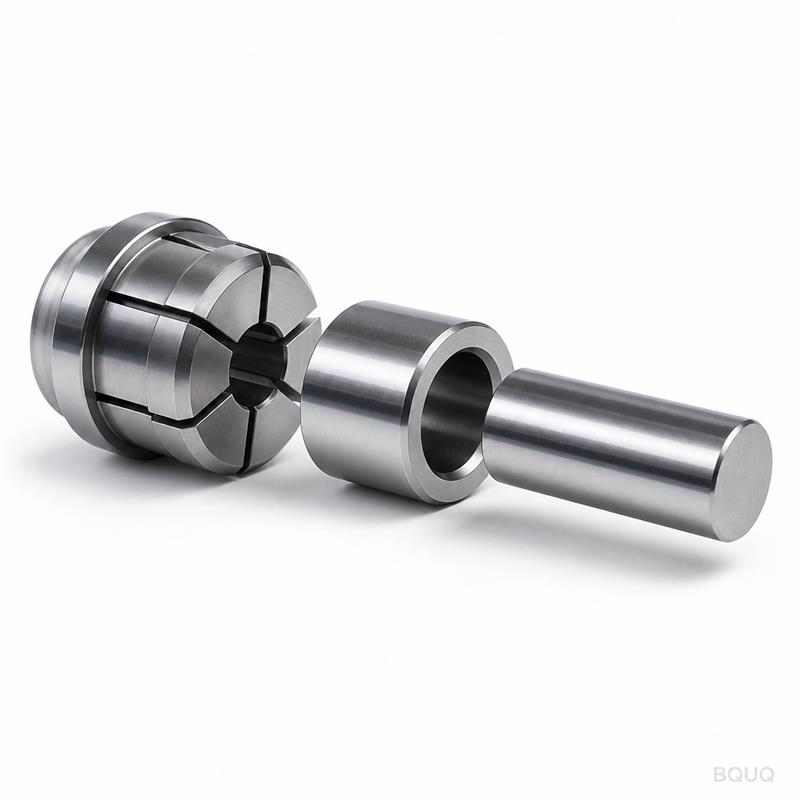
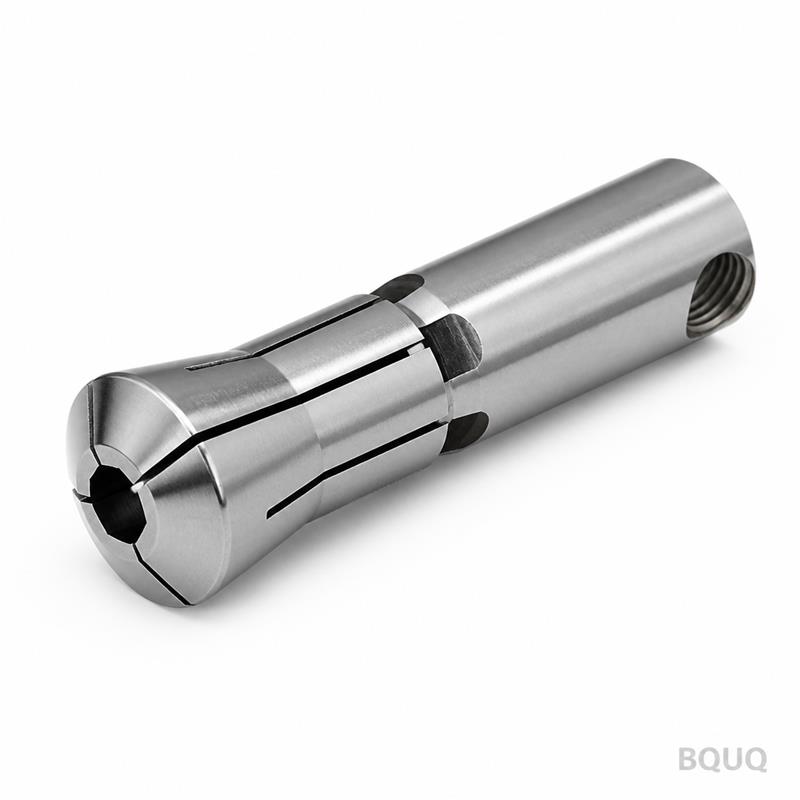
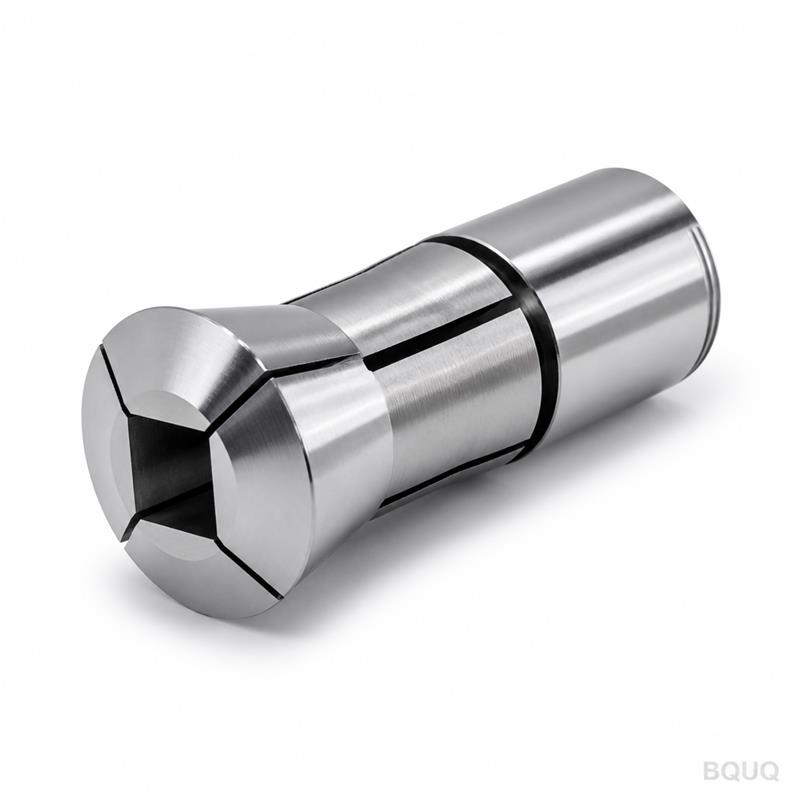
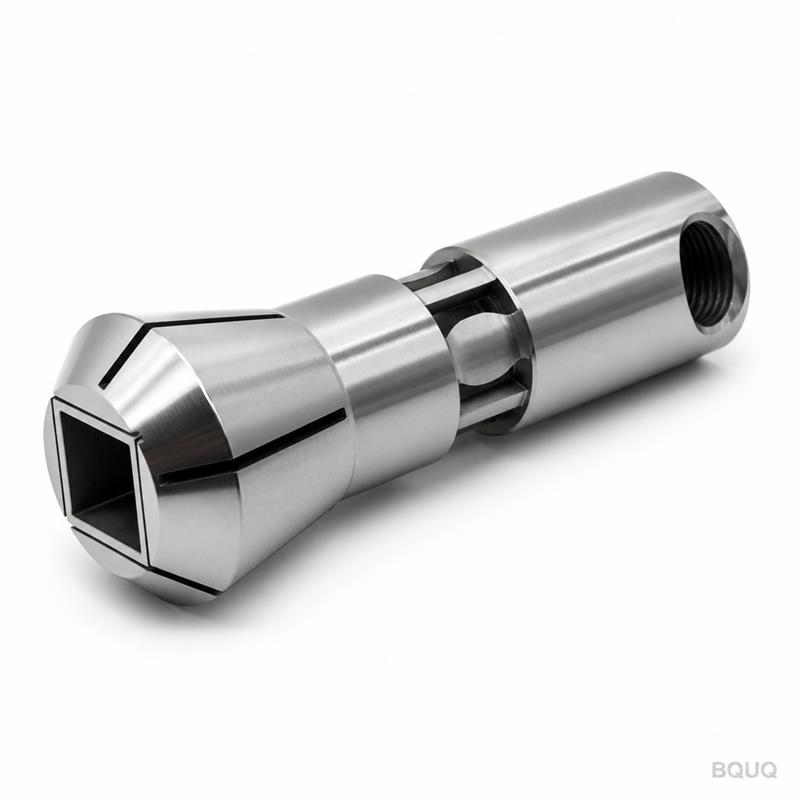
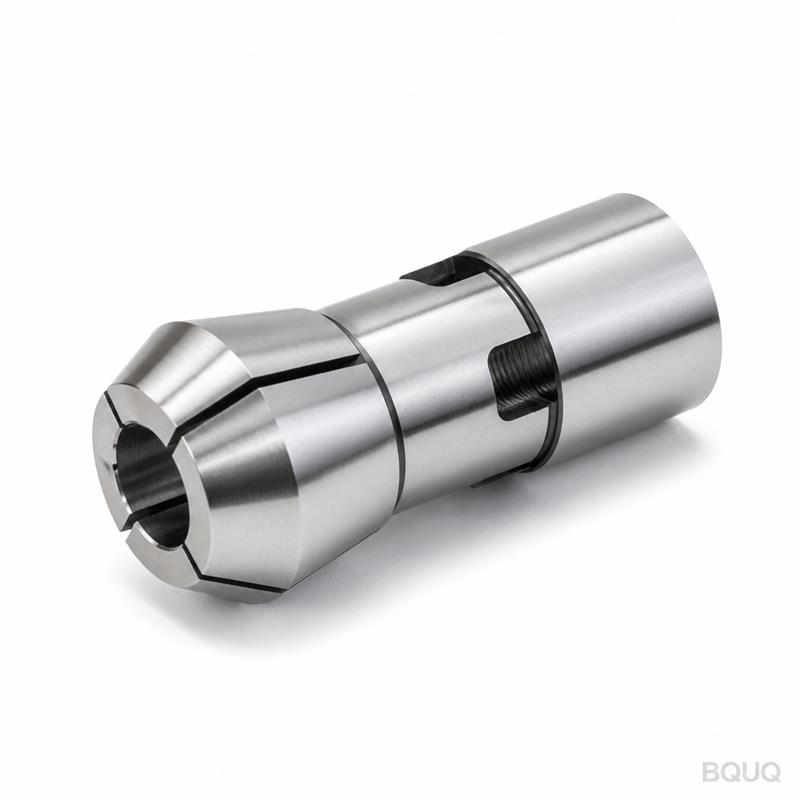
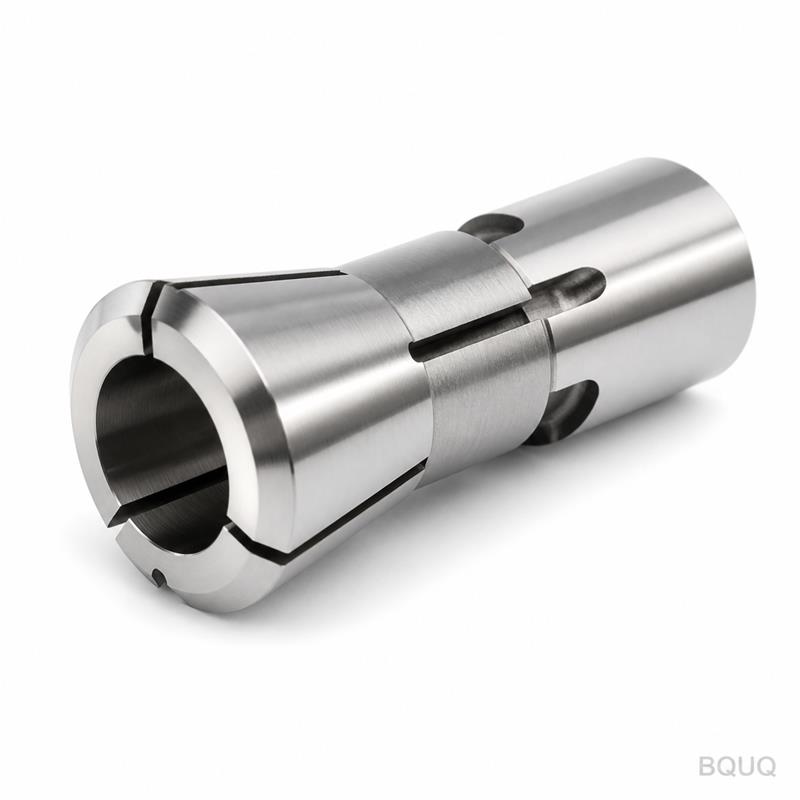
BQUQ CNC Machined Auto Lathe 15 Type Hex Bore Spring Collet
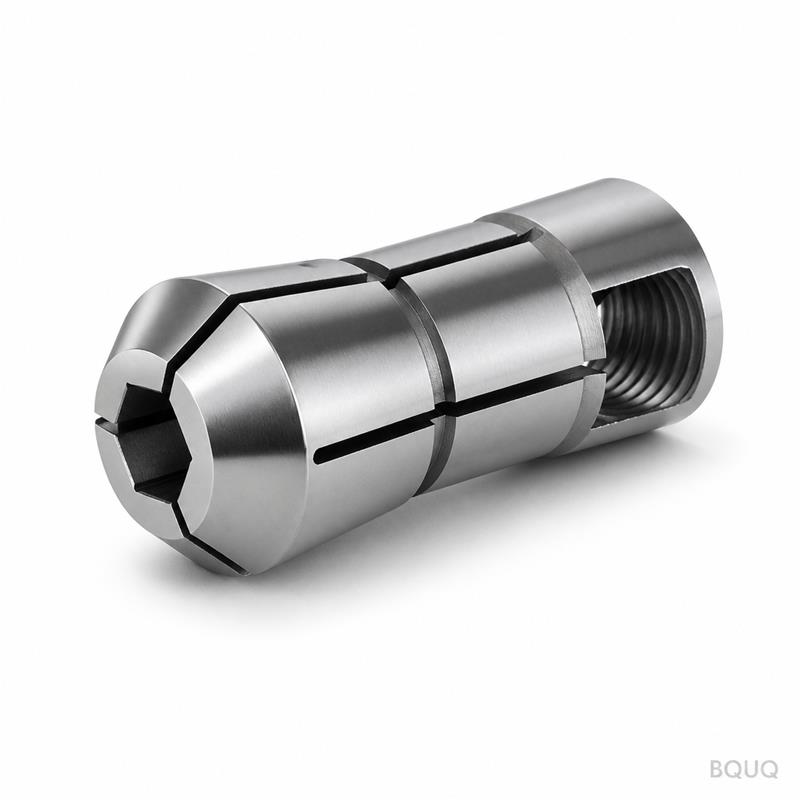
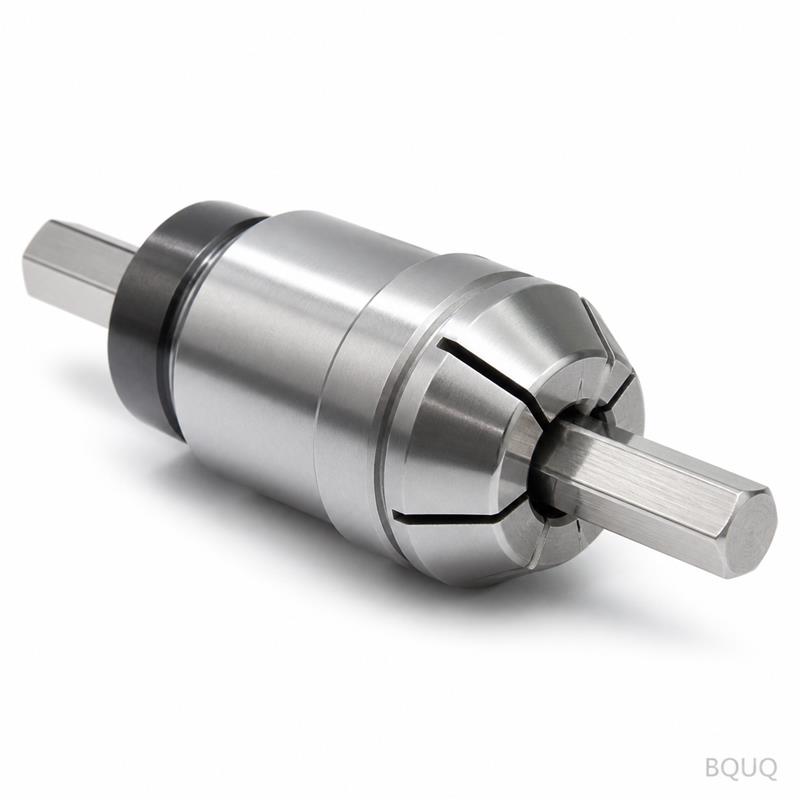
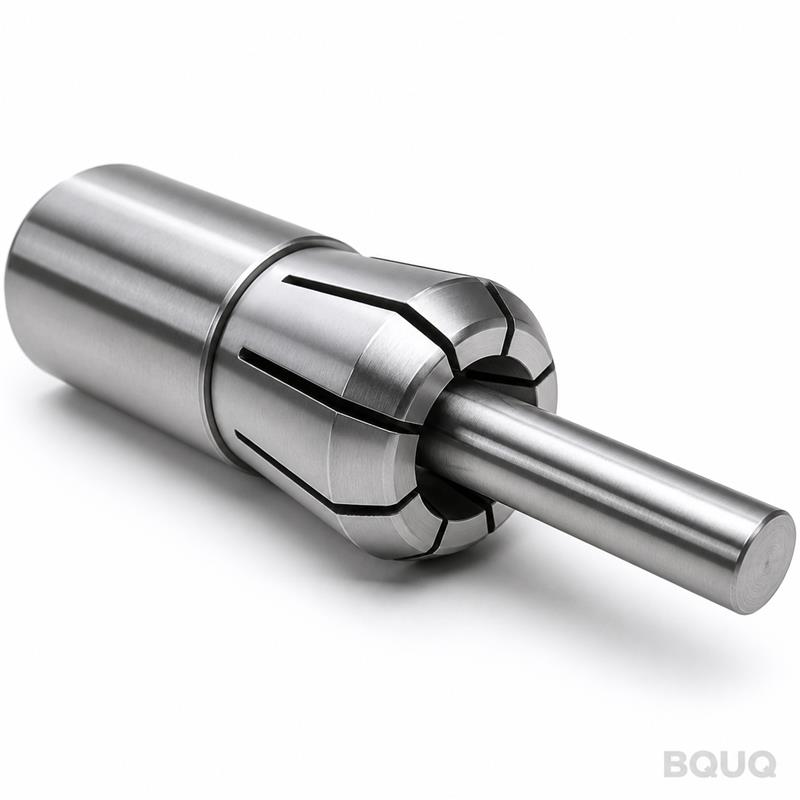
This is a CNC machined Auto Lathe 15 Type Hex Bore Spring Collet designed for gripping hexagonal bar stock in automatic lathes and CNC turning centers. It delivers 0.005 mm TIR runout, a hardness of H
Get a Fast Quote for This Part
Send us your drawing / quantity / material — reply within 24h.
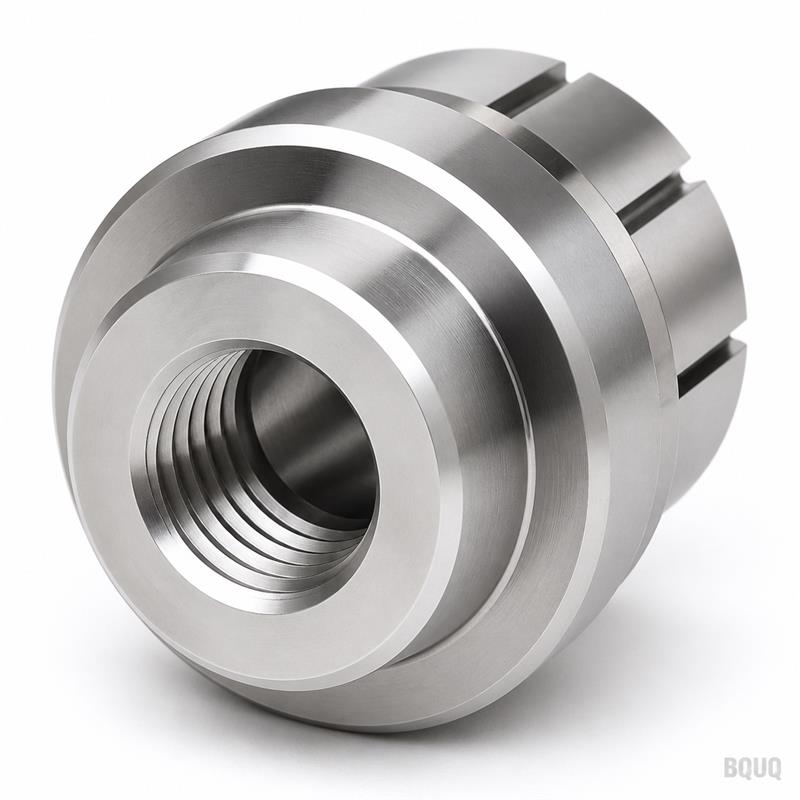
This is a CNC machined Auto Lathe 15 Type Hex Bore Spring Collet designed for gripping hexagonal bar stock in automatic lathes and CNC turning centers. It delivers 0.005 mm TIR runout, a hardness of HRC 58-60, and a surface finish of Ra 0.4 µm—all from our Dongguan factory with a 15-day standard lead time.
How a Hex Bore Collet Locks Hex Stock Without Deformation
The bore geometry is precision broached to match 15 Type hex sizes (e.g., 4 mm, 6 mm, 8 mm, 10 mm across flats). Unlike round collets that crush hex corners, this design applies uniform radial force on the flats. You get zero slippage under 5,000 RPM and no mark-off on finished parts. Each collet is slotted with a 0.3 mm relief cut, allowing 0.1 mm clamping range per size.
Material Grade and Heat Treatment Cycle We Use
We start with 65Mn spring steel or 9SiCr alloy tool steel—both chosen for fatigue resistance in high-cycle clamping. The heat treatment is a two-step process: quench at 860°C, then temper at 400°C for 90 minutes. Final hardness lands between HRC 58-60, with a case depth of 1.2 mm. This gives you 200,000+ clamping cycles without losing spring-back force.
Runout Control at the Bore and Shank—Not Just the Tip
Most collet failures come from shank misalignment, not the bore. We grind the 15 Type taper (30° included angle) and the bore in one clamping setup. The result: 0.005 mm TIR at the bore mouth and 0.008 mm TIR at 20 mm depth. We also laser-engrave the size and batch number on the flange so you can trace the grind date.
Inspection Before Every Shipment—Not Just Sampling
Every collet passes a 3-point check: bore gauge for hex flat-to-flat dimension (±0.01 mm), a CMM scan of the taper angle (±0.5°), and a live runout test on a test arbor. We attach a signed inspection report with the batch number. If you need a full material certificate (EN 10204 3.1), we provide it at no extra cost.
Why Our Dongguan Factory Can Hold Tighter Tolerances Than Standard JIS
Standard JIS B 6151 collets allow 0.01 mm runout. We grind to 0.005 mm because we use a Studer S33 cylindrical grinder with in-process gauging. The operator adjusts for wheel wear every 50 pieces, not every shift. This is precision manufacturing made in China at a cost you can justify—about 20% below Japanese equivalents.
Packing and Anti-Rust Protection for Long Sea Shipment
Each collet is individually wrapped in VCI (vapor corrosion inhibitor) paper, then placed in a foam-lined plastic box. For orders above 50 pieces, we use a wooden crate with silica gel packs. This prevents rust even if the container sits at the port for 6 weeks. We label the outside with the part number, size, and heat batch for easy warehouse sorting.
What is the MOQ for custom hex sizes?
No MOQ—we will make a single custom collet for your prototype run, but the tooling fee for a non-standard hex size is $50.
Can you modify the bore depth or taper angle?
Yes, we can change the bore depth, taper angle (from 30° to 45°), or add a coolant hole, but these changes may add 3-5 days to the lead time.
How do you ensure quality for a batch of 500?
We use SPC (statistical process control) on the bore dimension every 20 pieces and perform a 100% runout check on a test arbor before packing.
What is your lead time for a repeat order?
Repeat orders for the same size and material ship in 10 days, and we keep a 200-piece stock of the most common sizes (6 mm, 8 mm, 10 mm) for 5-day dispatch.
Send us your drawing or a simple sketch with the hex size and bar stock tolerance. We will reply with a firm quote within 12 hours, including a CAD preview of the collet profile. For urgent needs, message us on WhatsApp. We handle export paperwork, and our prices are FOB Shenzhen or CIF your port.
Straight answers from the factory, not a sales brochure.
How do I get a quote for this part?
Send your drawing (STEP, IGES, DWG, DXF or PDF) with quantity and target material to sc@bquq.com or WhatsApp +86 137 1315 7787. Our engineers review the drawing and reply with price, lead time and tooling cost.
What is your MOQ?
We do not set a fixed MOQ. The minimum is decided per part and per process, so tell us your target quantity and we quote against it. Small trial batches are accepted for new parts.
What is the lead time?
Lead time is agreed per order, based on the date you need, the quantity, the material and whether tooling is required. Send your target date with the drawing and we confirm what is achievable before you commit.
What tolerance can you hold?
CNC machining holds ±0.005 mm. Stamping, spring and extrusion parts are made to the tolerances marked on your drawing, and we confirm achievable values at quotation so there are no surprises at inspection.
Can you manufacture parts to my drawing?
Yes. Every order is made to the customer drawing or sample. We run CNC machining, metal stamping, spring coiling and aluminium heat sink extrusion in-house in Dongguan, so one supplier covers the whole part.
STEP, IGES, DWG, DXF and PDF. A 2D drawing with tolerances and surface finish requirements is preferred alongside the 3D model. Hand sketches can be quoted after our engineers redraw them.
How is quality controlled?
Inspection runs through the process, not only at the end: first article approval, in-process checks and a final report per batch, measured with CMM and optical equipment. Material certificates are available on request.
Where is the factory and do you ship worldwide?
Our factory is in Dongguan, Guangdong, China, operating since 2005. We ship worldwide by express, air and sea, and work with the forwarder nominated by the buyer.