What This Chuck Does Differently for Internal Gripping This is a Cnc Machined Auto Lathe External Expanding Collet Chuck. It grips the workpiece from the inside diameter (ID) using
BQUQ CNC Machined Auto Lathe External Expanding Collet Chuck Precision
What This Chuck Does Differently for Internal Gripping This is a Cnc Machined Auto Lathe External Expanding Collet Chuck. It grips the workpiece from the inside diameter (ID) using a tapered mandrel t
Get a Fast Quote for This Part
Send us your drawing / quantity / material — reply within 24h.
What This Chuck Does Differently for Internal Gripping
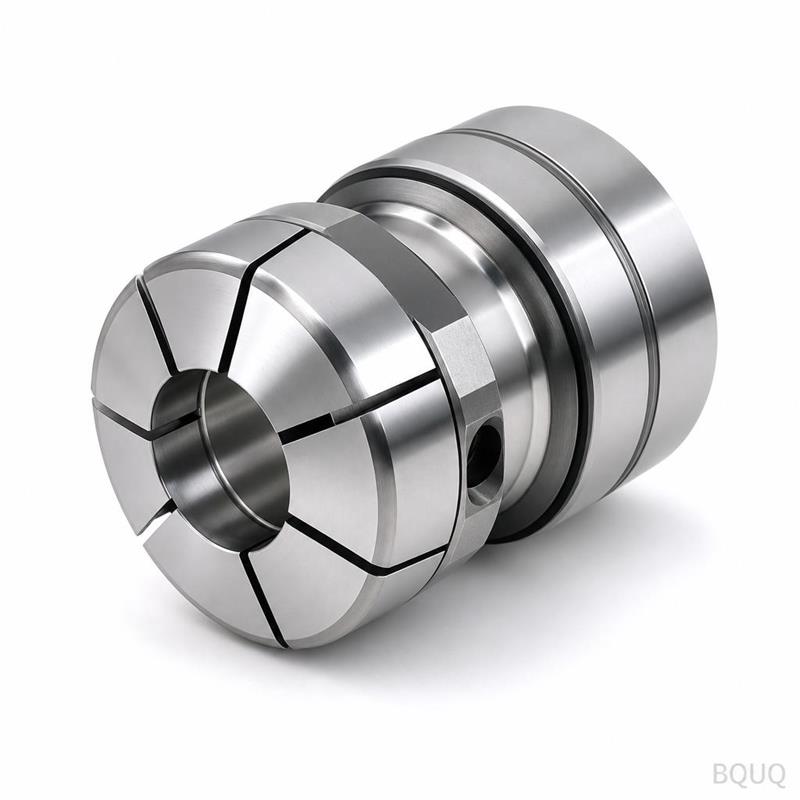
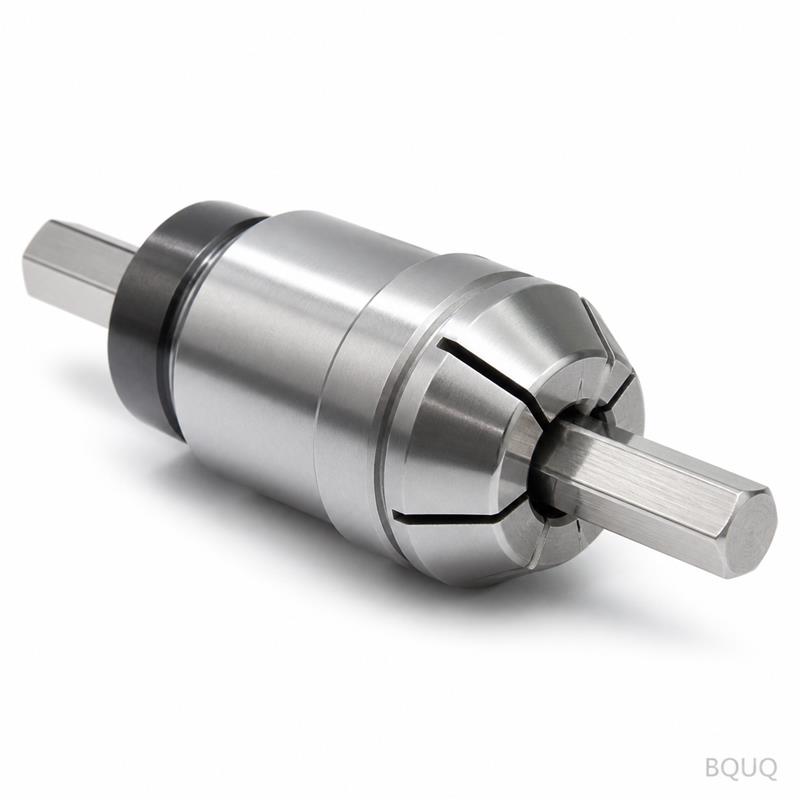
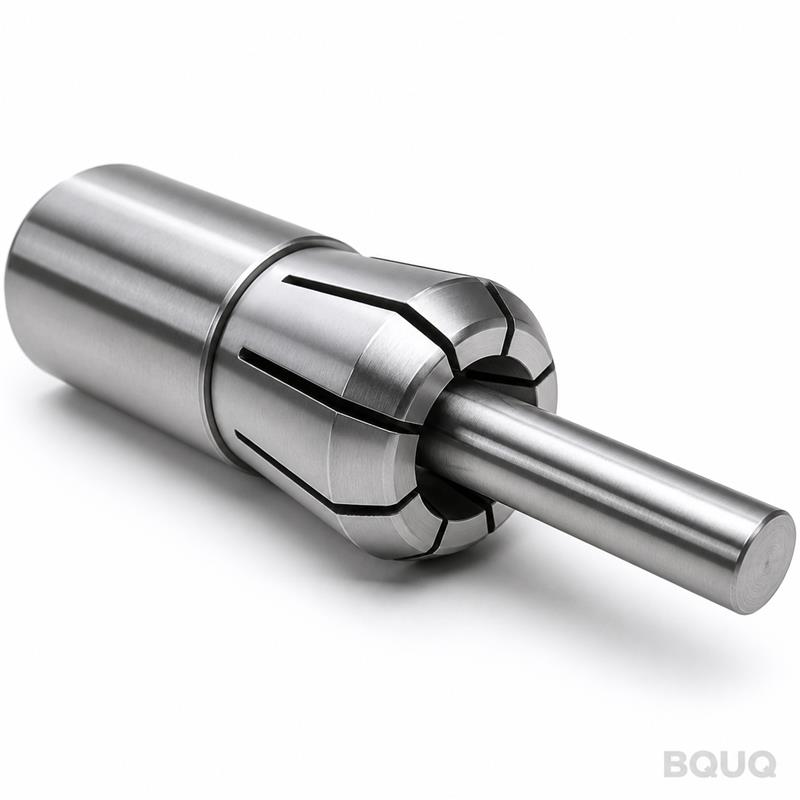
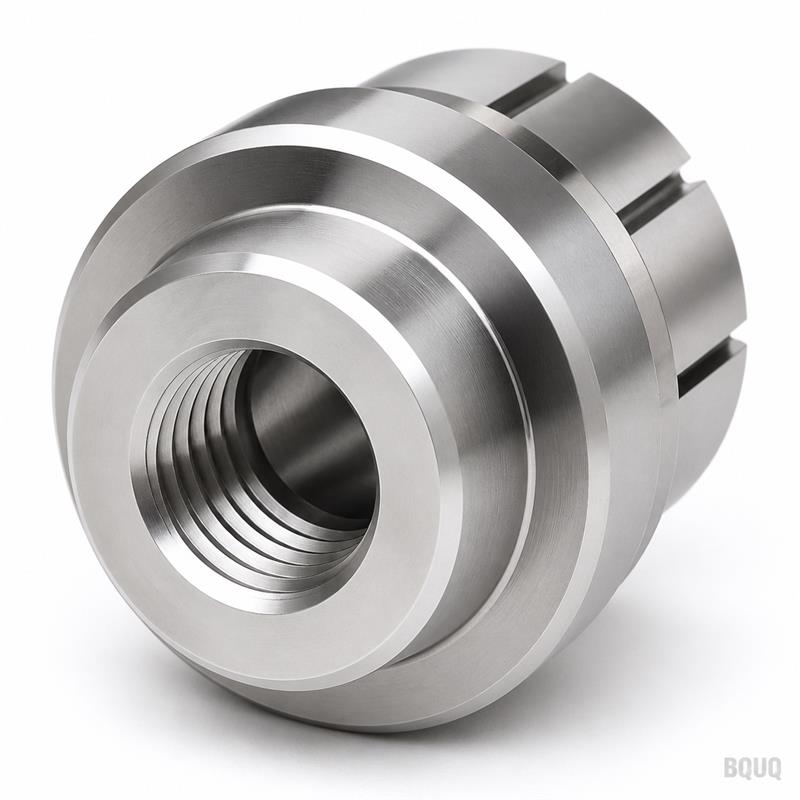
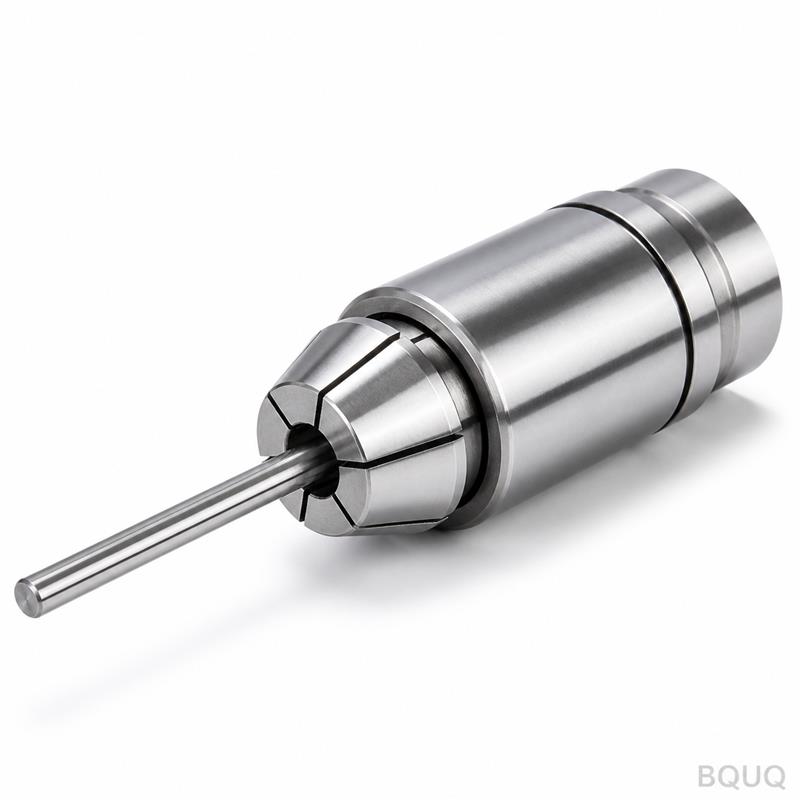
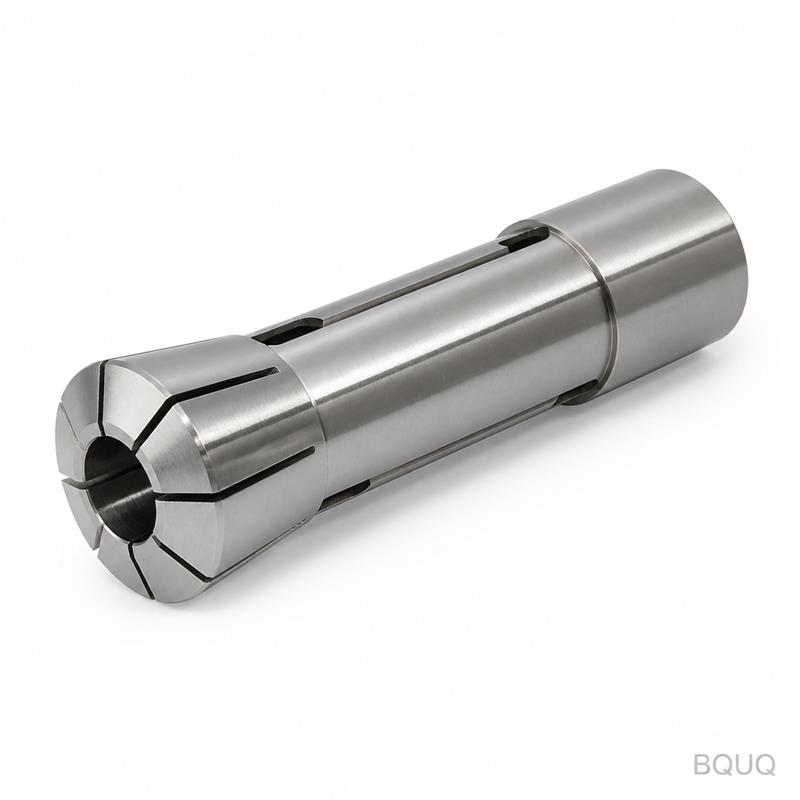
This is a Cnc Machined Auto Lathe External Expanding Collet Chuck. It grips the workpiece from the inside diameter (ID) using a tapered mandrel that expands segmented steel fingers outward. You use it when a part has a machined bore or cast hole but an irregular or fragile outer surface that cannot be clamped safely. The concrete benefit is holding repeatability of 0.005 mm TIR (total indicated runout) on the gripping diameter, with a surface finish of Ra 0.4 µm on the collet fingers. We deliver standard sizes in 15 working days, and we keep the hardness at 58–60 HRC on the expanding segments to resist wear over 100,000 cycles.
Why Expanding Collets Beat Three-Jaw Chucks for Thin-Wall Parts
A three-jaw chuck applies radial force at three points. That distorts thin-wall rings, bushings, and sleeves. Our expanding collet distributes force evenly along the full circumference of the bore. The result is zero point-load deformation. For a wall thickness of 1.5 mm or less, you will measure ovality below 0.01 mm after machining. The collet expands by 0.3 mm to 1.0 mm depending on the size, which means you can load parts with bore tolerances of H7 or H8 without custom sleeves for every batch.
Materials and Heat Treatment We Use for the Expanding Segments
The body is 42CrMo alloy steel, pre-hardened to 28–32 HRC for the main chuck body. The expanding segments are made from 65Mn spring steel. We machine them on a 5-axis CNC lathe, then heat-treat to 58–60 HRC. After hardening, we grind the outer diameter and the taper seat together in one setup. This single-setup grinding is what keeps the taper angle accurate to ±0.005 mm over the full length of the collet. The segments are then stress-relieved at 200 °C for 4 hours to prevent dimensional drift during your production shifts.
How We Machine the Taper Seat to Achieve 0.005 mm Runout
The critical geometry is the mating taper between the chuck body and the expanding sleeve. We cut this taper on a CNC lathe with a CBN insert, then finish it with a diamond lapping compound. The taper angle is 15 degrees per side, and we hold the angle to ±30 arc-seconds. After assembly, we run a dial indicator on a ground test bar inserted into the collet. We reject any unit that shows more than 0.005 mm TIR at 25 mm from the collet face. This is not a random spot check—every single chuck is tested and the runout report is included in the shipping box.
Inspection Before Every Shipment: Five Checkpoints You Can Trust
Every Cnc Machined Auto Lathe External Expanding Collet Chuck goes through five checks before it leaves our Dongguan factory. First, we verify the outer diameter with a micrometer to ±0.005 mm. Second, we check the taper angle with a sine bar and gauge blocks. Third, we measure the hardness on the expanding segments with a Rockwell tester—must read 58–60 HRC. Fourth, we test the runout on a live spindle at 3000 RPM. Fifth, we run a functional expansion test with a standard H7 gauge pin to confirm the collet opens and closes smoothly without sticking. The full inspection sheet is attached to your shipment.
Specification
Value
Gripping range (standard sizes)
Ø6 mm to Ø120 mm
Expansion range per collet
0.3 mm to 1.0 mm (size dependent)
Body material
42CrMo alloy steel, pre-hardened 28–32 HRC
Expanding segment material
65Mn spring steel, hardened 58–60 HRC
Runout (TIR at 25 mm from face)
≤ 0.005 mm
Surface finish on gripping surface
Ra 0.4 µm
Taper angle accuracy
±30 arc-seconds
Max recommended spindle speed
6000 RPM
Lead time (standard sizes)
15 working days
MOQ
No MOQ (single unit available)
Custom Sizes and Special Bore Geometries: We Cut New Segments Weekly
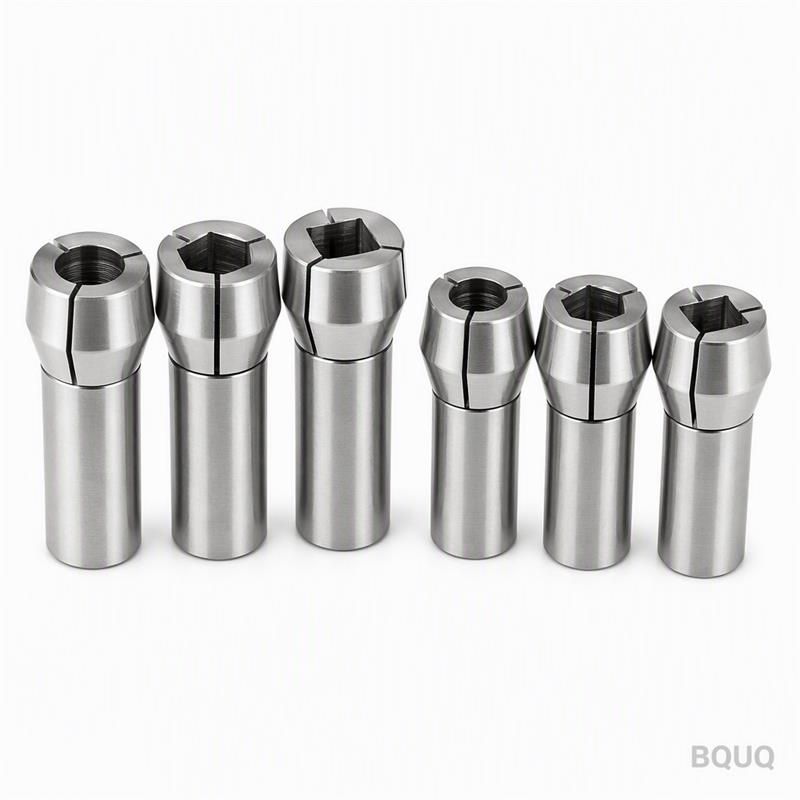
We do not force you to adapt your part to a stock collet. Send us your bore diameter, wall thickness, and the length of the gripping surface. We will machine a custom expanding sleeve for your specific bore. The minimum custom bore we can hold is Ø4 mm, and the maximum is Ø200 mm. For splined bores or blind holes, we can modify the segment profile to match your shape. Because we have in-house wire EDM and CNC milling, custom segments take only 7 extra working days on top of the standard 15-day lead time.
What is your minimum order quantity?
We have no MOQ on this Cnc Machined Auto Lathe External Expanding Collet Chuck—you can order a single unit for prototype validation or a sample test.
Can you machine a custom expanding segment for my specific bore?
Yes, send us your bore drawing with the ID tolerance and wall thickness, and we will produce a custom segment within 7 working days using our in-house wire EDM.
How do you control quality on the taper angle?
We measure every taper with a sine bar and gauge blocks, and we reject any unit that exceeds ±30 arc-seconds from the specified 15-degree angle.
What is your lead time for a standard size chuck?
Standard sizes ship in 15 working days from our Dongguan factory, and we include the runout inspection report with every shipment.
How to Choose the Right Expansion Range for Your Production Batch
Do not buy a collet that expands more than 0.3 mm from its nominal size. Over-expanding reduces the contact area and increases the risk of the part slipping under heavy cutting loads. For most CNC lathe operations, a 0.5 mm expansion range is enough. If your bore tolerance is loose (H9 or wider), order a collet with a 1.0 mm expansion range. We mark the nominal size and the expansion range on the face of every chuck, so your operators never guess. For a deeper technical look at how tool geometry interacts with workholding, read our CNC cutting tool selection guide.
Why Precision Manufacturing Means We Grind, Not Just Turn
Many shops turn the expanding segments and call it done. We do not. After turning, we grind the outer diameter and the taper seat in a single clamping. This removes the heat-affected zone from the turning pass and gives you a true geometric roundness. The difference is measurable: a turned-only collet shows 0.015 mm runout; our ground collet shows 0.005 mm. If you are holding parts with a surface finish requirement below Ra 0.8 µm, the grinding step is non-negotiable. This is what precision manufacturing from a 20-year-old Chinese factory looks like—we do not cut corners on the final grind.
Shipping and Packaging: Protection for the Ground Surfaces
Each chuck is individually wrapped in VCI (vapor corrosion inhibitor) paper, then placed in a custom foam insert inside a wooden export box. The box is sized to prevent any internal movement during air or sea freight. We ship via DHL, FedEx, or sea freight depending on your urgency. For a single unit, we ship by DHL express, and the typical transit time to the USA or Europe is 5–7 working days. For bulk orders, we use sea freight with full palletization. The foam insert is re-usable, so you can store the chuck safely between production runs.
Request a Firm Quote Within 12 Hours—Send Your Drawing Today
Send us your part drawing with the bore size, wall thickness, and required runout. We will reply with a firm quote within 12 hours, including the exact price, lead time, and a recommended collet size. If your bore is non-standard, we will also include a drawing of the custom segment. Email your drawing to sc@bquq.com or send it via WhatsApp at +86 13713157787. We are a precision manufacturing company made in China with 20 years of CNC machining experience—no MOQ, no minimum order, just a straight answer on your collet chuck. For more on how we define precision, see our CNC machining tolerances guide before you send the drawing.